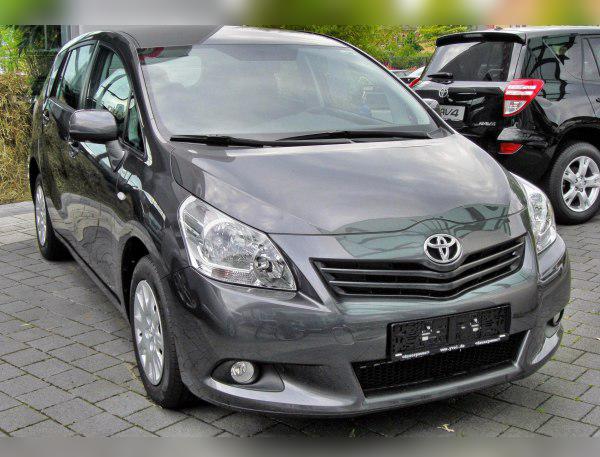
Toyota 1.8 Valvematic (2ZR-FAE) engine: Experiences, issues, fuel consumption and used-car buying tips
Key points in short (TL;DR):
- Extremely reliable old-school naturally aspirated petrol engine without turbocharger and direct injection.
- The timing system uses a chain, which drastically reduces regular maintenance costs.
- The only known potentially expensive weak point is failure of the Valvematic controller at higher mileages.
- City fuel consumption is around 8.5 to 10 l/100 km, while on the open road it drops to about 6.5 l/100 km.
- An ideal engine for LPG (autogas) conversion thanks to its indirect (MPI) injection.
- Requires regular oil changes in the Multidrive S (CVT) automatic gearbox, otherwise enormous repair costs may follow.
- Intended for drivers who value durability over sporty performance, because without a turbo it needs high revs for sudden acceleration.
Contents:
- Introduction to the 2ZR-FAE engine
- Technical specifications
- Reliability and maintenance
- Specific parts and costs
- Fuel consumption and performance
- Additional options and modifications (LPG and remapping)
- Gearbox and power delivery
- Buying used and conclusion
Introduction to the 2ZR-FAE engine
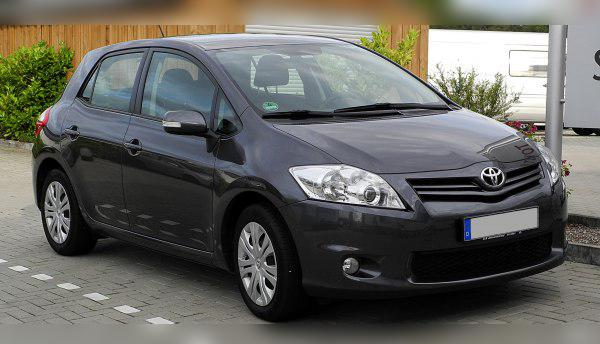
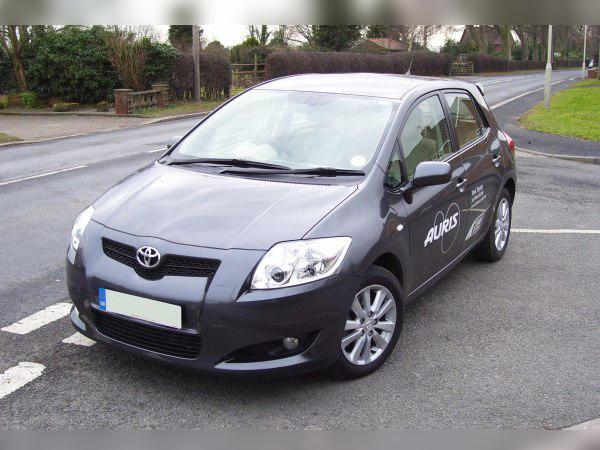
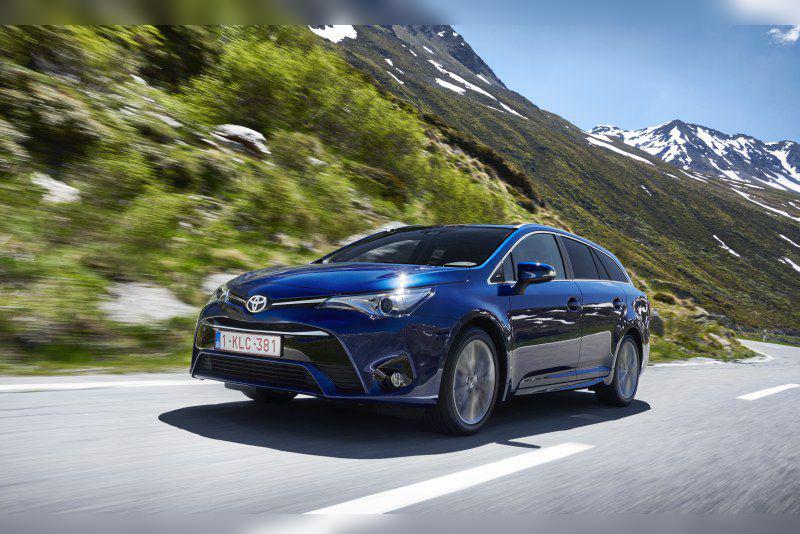
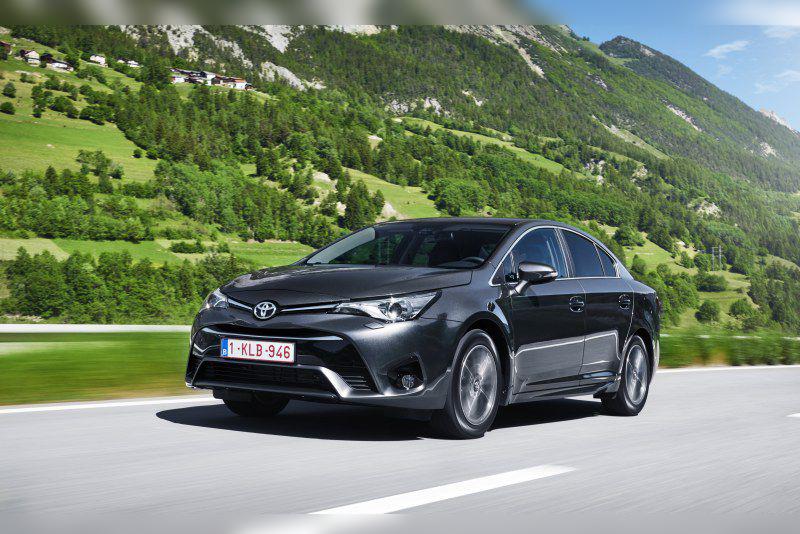
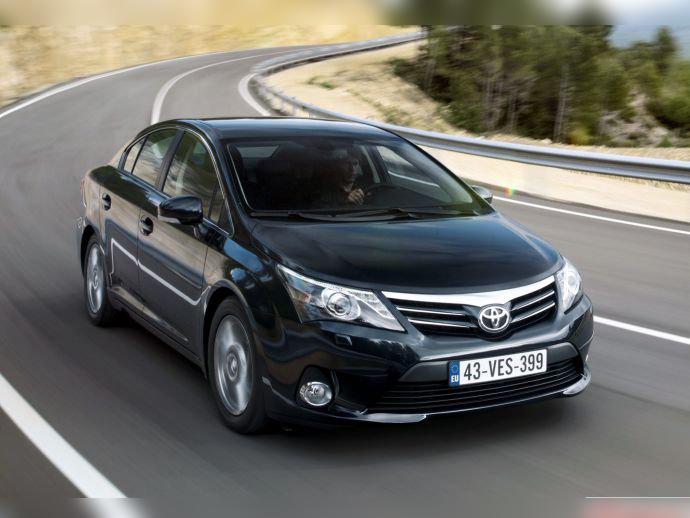
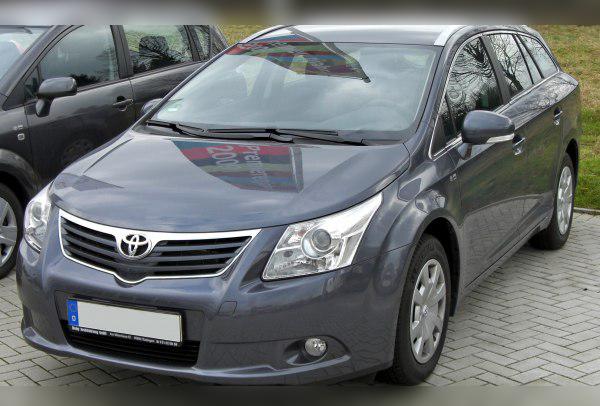
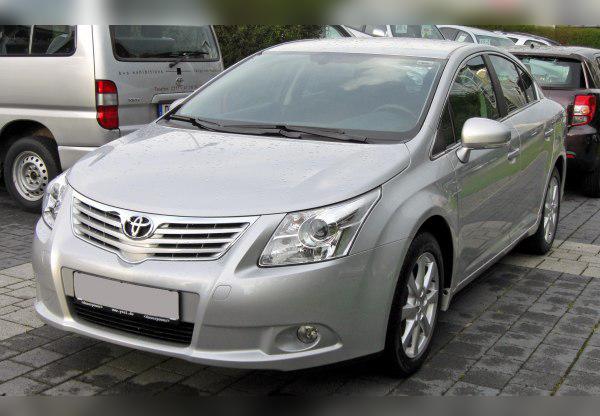
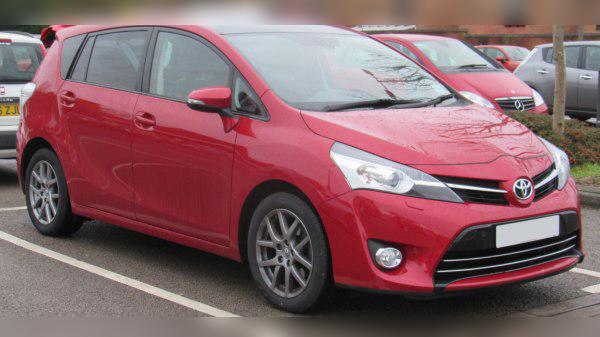
When talking about Toyota petrol engines from the first and second decade of the 21st century, the engine with the code 2ZR-FAE holds a special place. This is a 1.8‑liter four‑cylinder that made its name in models such as the Toyota Auris, Avensis III and the family Verso. Its main feature is the Valvematic technology – an advanced system of continuously variable valve lift designed to optimize fuel consumption and improve throttle response by eliminating the classic throttle plate for air‑flow control (although it still physically exists as a safety measure). This engine is a pure engineering answer to strict emission standards, but without compromising legendary Japanese reliability.
Technical specifications
| Parameter | Data |
|---|---|
| Displacement | 1798 cc |
| Power | 108 kW (147 hp) |
| Torque | 180 Nm at 4000 rpm |
| Engine code | 2ZR-FAE |
| Injection type | Indirect (MPI / EFI) |
| Turbo / NA | Naturally aspirated engine |
Reliability and maintenance
Unlike many modern engines that require expensive timing belt replacements, the 2ZR-FAE uses a timing chain. This chain is designed to last as long as the engine itself, so the classic “major service” in the sense of regular time‑based timing replacement simply does not exist here. However, the chain, tensioners and guides are usually inspected after 200,000 to 250,000 km. If the chain starts to stretch, the driver will hear a characteristic rattling noise at cold start.
As for lubrication, this engine takes 4.2 liters of engine oil (including the filter). Toyota recommends a 0W‑20 grade for optimal fuel economy and proper operation of the Valvematic system, but in warmer climates fully synthetic 5W‑30 is also perfectly acceptable. Regarding oil consumption, the 2ZR-FAE is drastically improved compared to the old “ZZ” series engines, which had a well‑known piston ring issue. Normal oil consumption between services is minimal, but on engines with over 200,000 km, consumption of about 0.2 to 0.3 liters per 1000 km can be considered an acceptable operating characteristic of naturally aspirated engines, especially if driven at high revs on the motorway.
Being a petrol unit, this engine relies on iridium spark plugs. Their service life is quite long, and the recommended replacement interval is every 90,000 to 100,000 kilometers. If this interval is ignored, the car may start to hesitate or jerk under acceleration (misfire), which in the long run can damage the ignition coils and the catalytic converter.
Most common failures and the Valvematic controller
The main and most expensive weak point of this engine is the Valvematic module (controller). This module is mounted on the cylinder head and is responsible for changing the valve lift. Over time, the internal electronics or mechanics of the controller can fail. Symptoms: The “Check Engine” and “VSC” lights will come on in the instrument cluster along with an error message, and the engine will go into limp mode (safety mode), where it drastically loses power and will not rev beyond about 3000 rpm. Replacing this part is usually expensive (depends on the market), and repair (refurbishment) is not always a long‑term solution. There are also occasional reports of coolant leaks from the water pump after 150,000 km, which show up as reddish antifreeze traces on the engine block.
Specific parts and costs
When it comes to the mechanical side and peripherals, this engine is every pragmatic driver’s dream. First of all, versions with a manual gearbox do not have a dual‑mass flywheel, but use a standard solid flywheel instead. This makes clutch replacement much cheaper and a simpler job – the cost of clutch replacement is not high (depends on the market).
The fuel injection system is a tried and tested indirect injection (MPI). The injectors are located in the intake manifold rather than in the cylinder itself, which means there are no issues with carbon buildup on the intake valves that plague modern direct‑injection engines. The petrol injectors on this engine are extremely robust and failures are statistically negligible.
This engine is completely “clean” of modern wallet‑draining emission devices: no turbocharger, no DPF filter, and no AdBlue. It does have an EGR valve responsible for exhaust gas recirculation. Although it can get dirty with carbon deposits after prolonged city driving at low revs (symptoms: slight idle fluctuation), cleaning it is a routine procedure and rarely requires full replacement.
Fuel consumption and performance
Real‑world fuel consumption depends mostly on the body style this engine is fitted to. In city driving, whether in an Auris, Avensis or Verso, you can expect between 8.5 and 10 l/100 km. Since this is a naturally aspirated engine without a turbo, in stop‑and‑go traffic it has to burn more fuel to get the vehicle’s mass moving.
The question “is the engine sluggish” is subjective, but from a technical standpoint – the maximum torque of 180 Nm is available only at a high 4000 rpm. In a lighter model such as the Auris, this engine provides a dynamic drive. However, in heavier vehicles like the Avensis III Wagon or a Verso loaded with seven passengers, the engine can feel “lazy” at low revs. To get the car to pull on an incline or during overtaking, the driver has to shift down and rev the engine high (above 4000 rpm), where the engine finally shows its 147 hp. The sound then becomes noticeably louder.
On the motorway, the 2ZR-FAE is a smooth cruiser. At 130 km/h in sixth gear with the manual gearbox, the engine spins at about 3000 to 3200 rpm. Motorway fuel consumption is excellent, at around 6.5 to 7.5 l/100 km. When paired with the Multidrive S automatic gearbox, cruising revs are generally lower, which reduces cabin noise.
Additional options and modifications (LPG and remapping)
For drivers who want to cut running costs, the good news is that this engine is absolutely suitable for LPG (autogas) conversion. Thanks to indirect injection, installing a sequential LPG system is quite standard and not expensive (depends on the market). The Valvematic system compensates very well for running on gas, but due to the higher combustion temperatures of LPG it is strongly recommended to install a valve lubrication system (so‑called “drippers” or electronic additive systems).
When it comes to increasing power (remapping or Stage 1), that’s where the story ends. On naturally aspirated engines like the 2ZR-FAE, changing the ECU map will only bring an improvement of about 5 to 8 hp and a barely noticeable increase in torque. Investing in a remap for this engine is not cost‑effective because in practice the driver will not feel any real difference in performance.
Gearbox and power delivery
This engine was offered with robust six‑speed manual gearboxes and Toyota’s version of a continuously variable transmission – the Multidrive S (CVT).
The manual gearbox is extremely durable and precise. It has no specific design flaws. Clutch replacement (it does not have a dual‑mass flywheel) depends purely on the driver’s style. It is recommended to change the oil in the manual gearbox every 60,000 to 80,000 km to maintain smooth shifting.
The Multidrive S (CVT automatic gearbox) offers fantastic smoothness in city driving without any “jerks” when changing gears, because it has no fixed gear ratios and works with a belt and pulleys. However, this is a component that requires a strict maintenance regime. The oil in the CVT must be changed every 60,000 km. If this is neglected, the bearings and the steel belt start to wear, which causes whining noises while driving and juddering when setting off. If the CVT gearbox fails, repairs are very expensive (depends on the market), and in many cases the recommended solution is to install a complete used or refurbished gearbox.
Buying used and conclusion
When looking at a used car with the 1.8 Valvematic (2ZR-FAE) engine, focus on the following steps:
- Cold start: Ask the seller to keep the engine completely cold. Listen carefully during the first few seconds after starting. A sharp, metallic rattling sound points to a stretched chain or a bad chain tensioner.
- Diagnostics (OBD): Always plug in a diagnostic tool and check the fault history. Look for any codes related to the Valvematic system (e.g. P1047, P2238) and cylinder misfires.
- Test drive with automatic gearbox: If you are buying a Multidrive S, acceleration must be completely linear, without any surging, hesitation or whining noises. Ask for invoices proving that the gearbox oil has been changed regularly.
- Fluid check: Check for sludge on the oil filler cap (although a bit of condensation in winter is normal) and look around the water pump for signs of leakage.
Final verdict: Who is this engine for? The 1.8 Valvematic (2ZR-FAE) engine is made for drivers who want peace of mind. If you are tired of worrying about turbocharger failures, clogged DPF filters and failing dual‑mass flywheels – this is the right choice for you. It will not impress you with a brutal shove in the back when accelerating on the motorway, but at any moment, over countless kilometers, it will safely take you from point A to point B. It is especially recommended in versions with the manual gearbox for people with a strict maintenance budget.