Toyota 4GR-FSE 2.5 V6 engine: Ownership experience, issues, fuel consumption and used-buying guide
When talking about Japanese engineering and engines built to deliver refinement, longevity and quiet operation, Toyota’s GR series is often at the very top of the list. In this article we take a detailed look at the 4GR-FSE engine, a naturally aspirated 2.5‑liter V6 that produces 158 kW (215 hp) and 260 Nm of torque.
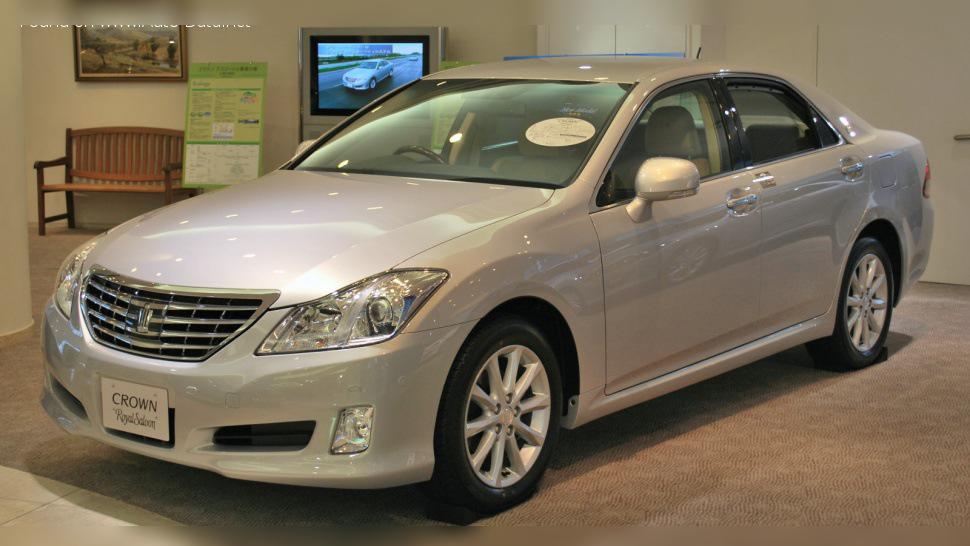
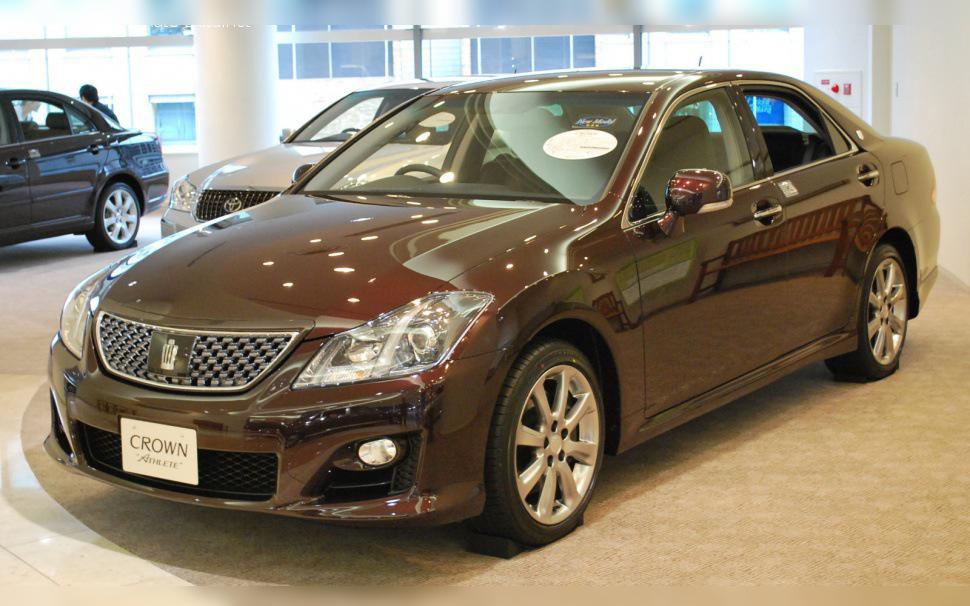
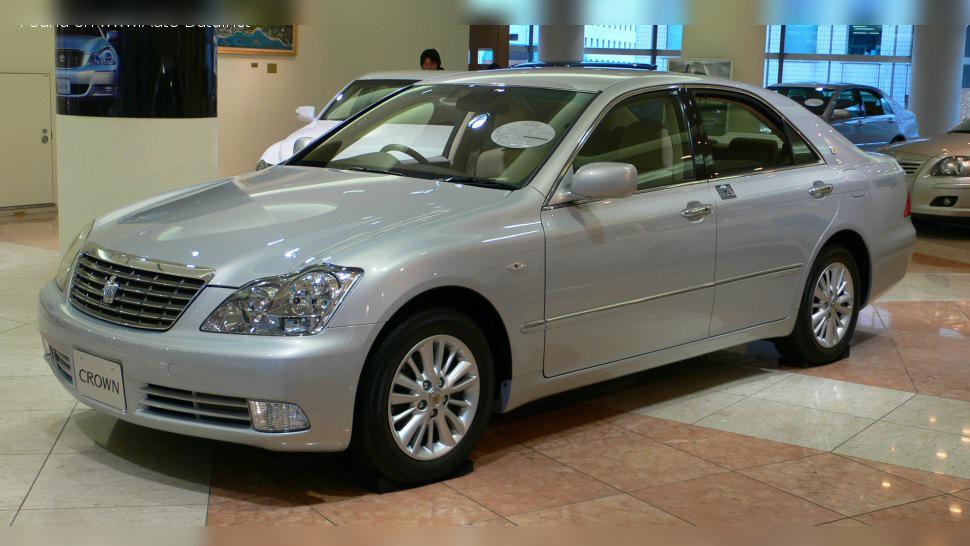
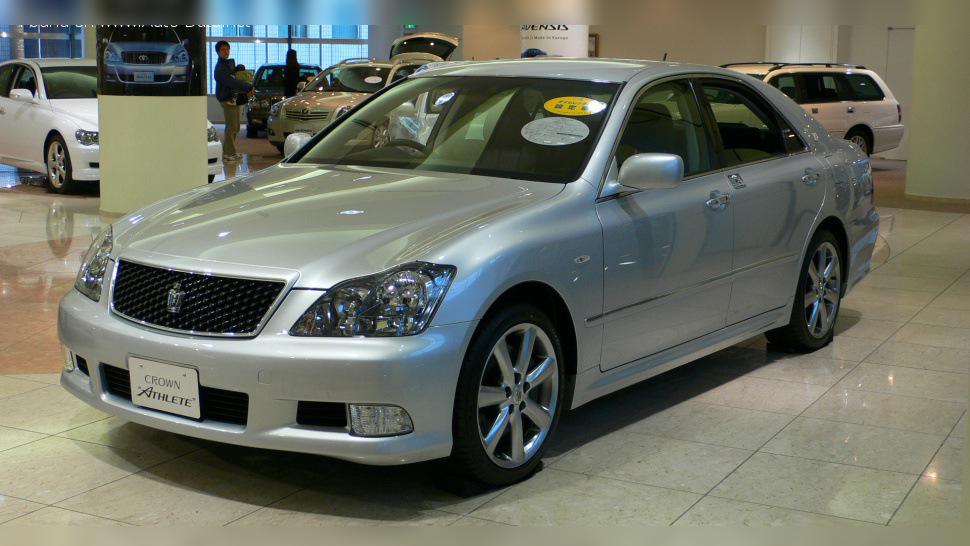
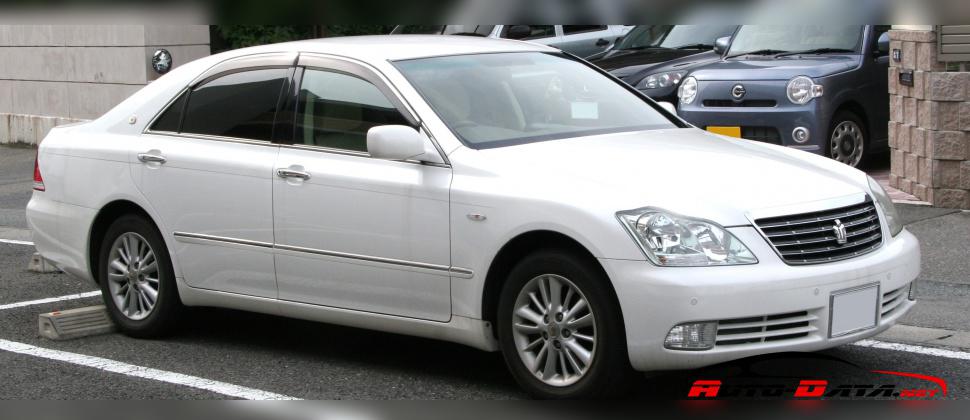
This engine is well known among JDM (Japanese Domestic Market) enthusiasts, as it formed the backbone of luxury models such as various generations of the Toyota Crown (S180, S200), as well as the Toyota Mark X. On the global market, it is best known as the heart of the Lexus IS250. It is an engine that loves open roads and relaxed cruising, but it also comes with certain technical specifics every potential owner must be aware of – primarily due to its injection system.
Key points in short (TL;DR)
- Outstanding smoothness: A naturally aspirated V6 that runs incredibly quietly and evenly.
- Timing chain: The engine has no timing belt; it uses a reliable chain that rarely needs replacement before 250,000 km.
- Carbon buildup: The biggest drawback of this engine is direct injection (D-4), which causes carbon deposits on the intake valves.
- LPG conversion is not worth it: Due to direct injection, the system is extremely expensive and technically complex.
- Fuel consumption: In city driving it can easily exceed 12 l/100 km, while on the highway it drops to around 7.5–8.5 l/100 km.
- Reliable transmission: In the vast majority of cases it is paired with an almost indestructible Aisin 6‑speed automatic gearbox.
Contents
- Technical specifications
- Reliability and maintenance
- Specific components (costs)
- Fuel consumption and performance
- Additional options and modifications
- Transmission
- Buying used and conclusion
Technical specifications
| Specification | Data |
|---|---|
| Displacement | 2499 cc |
| Power | 158 kW (215 hp) |
| Torque | 260 Nm |
| Engine code | 4GR-FSE |
| Fuel type | Petrol (Gasoline) |
| Injection type | Direct injection (Toyota D-4) |
| Turbo / Naturally aspirated | Naturally aspirated |
Reliability and maintenance
Timing drive and major service
Like most modern, larger‑displacement Japanese engines, the 4GR-FSE uses a timing chain instead of a timing belt. The chain is of excellent quality and in practice there is no “major service” in the classic sense (scheduled replacement of the timing set at a certain mileage). The chain, guides and tensioners are replaced only when wear symptoms appear – most commonly metallic rattling at cold start. With regular oil changes, the chain easily lasts 250,000 to 300,000 km. The auxiliary (serpentine) belt that drives the alternator and water pump is usually replaced at around 100,000 km or based on visual inspection.
Most common failures and weaknesses
One of the biggest engineering compromises of the 4GR-FSE lies in the “FSE” designation, which stands for D-4 direct gasoline injection. Since the fuel is injected directly into the cylinder, it does not wash over the intake valves. As a result, over time there is serious carbon buildup on the intake valves. Symptoms include rough idle, loss of power at higher rpm and a slight increase in fuel consumption. The solution is physical cleaning of the valves (the walnut shell blasting method is often used – walnut blasting), which should be done every 80,000 to 100,000 km.
Other known issues include:
- Water pump leaks: Expect it to start leaking at around 100,000 to 150,000 km. Drivers usually notice a loss of Toyota’s pink coolant and crusty residue on the pump.
- VVT-i gear (variable valve timing): At cold start you may hear a sharp rattle lasting 1–2 seconds. On early models this was a factory defect, solved by replacing the camshaft gear (variator).
Oil consumption and regular servicing
This V6 takes around 6.3 liters of oil (including filter change). Toyota recommends 5W-30 or 0W-20 for colder climates, meeting the highest API standards. Mechanics generally advise a strict 10,000 km or once‑a‑year oil change interval. As for oil consumption, early versions of this engine (before 2010) had a somewhat poorer piston ring design, which could lead to oil burning, especially in cylinder no. 5, which is less effectively cooled. Consumption of up to 0.5 liters per 1,000 km on older units is not uncommon, but later revisions of the engine do not suffer from this and usually do not burn a drop between services.
Spark plugs
The 4GR-FSE is factory‑equipped with high‑quality iridium spark plugs, which are normally replaced every 90,000 to 100,000 km. Although the plugs themselves are not excessively expensive, the replacement procedure requires removal of the intake manifold, which increases labor time and cost: from 100 to 250 EUR in total (depending on the market).
Specific components (costs)
Fuel injection system
The injection system is purely direct (there is no combined MPI/DI system as on the larger 2GR-FSE 3.5L engine). Fuel is injected at very high pressure. High‑pressure injectors are expensive and sensitive to poor‑quality fuel, but Japanese electronics keep things under control, so injector failure is not very common. The main enemy of this system is the aforementioned carbon buildup on the valves.
Turbo, EGR and emissions equipment
This is a true naturally aspirated engine – it has no turbocharger, let alone two. That means you are spared a huge number of potential and very costly failures (no turbo rebuilds, intercooler issues or cracked boost hoses).
Because it’s a gasoline engine, it has no DPF filter and no AdBlue system, so you won’t be dealing with regeneration problems, urea crystallization and similar headaches of modern diesels. The EGR (Exhaust Gas Recirculation) effect is achieved through advanced valve timing overlap via the VVT-i system, which further simplifies the engine bay and reduces the number of components that can clog or fail.
Fuel consumption and performance
City and highway driving
It’s important to be realistic – a 2.5‑liter displacement, six cylinders and a sedan weighing over 1.6 tons (such as a Toyota Crown or Lexus IS) set their own rules. In city driving with frequent stop‑and‑go traffic, real‑world fuel consumption ranges from 11.5 to 13.5 l/100 km. However, on country roads and highways this engine shows its best side. On the motorway at 130 km/h, the 4GR-FSE cruises relaxed at around 2,400–2,600 rpm in 6th gear, and fuel consumption drops to a very acceptable 7.5 to 8.5 l/100 km.
Performance and “sluggishness”
Is the 4GR-FSE a “sluggish” engine? The answer depends on your expectations. Its 260 Nm of peak torque is available only at a relatively high 3,800 rpm. Because of this, drivers used to modern turbo engines that pin you to the seat from 1,800 rpm may find this Toyota V6 lazy at low revs. It won’t catapult you off the line, but acceleration is incredibly smooth, linear and accompanied by a fantastic sound range. The engine delivers its power in a dignified manner, aimed at comfortable long‑distance cruising rather than street racing.
Additional options and modifications
LPG (autogas) conversion
The answer is short and clear: Avoid LPG conversion. Since the engine uses direct injection, conventional sequential LPG systems cannot be installed. The tips of the gasoline injectors sit inside the cylinder and are cooled only by gasoline. If a “Direct Injection” LPG system is installed (which injects gas and around 10–20% gasoline at the same time to cool the injectors), the cost of the kit is huge: from 1,000 to 1,800 EUR (depending on the market). On top of that, the savings are significantly lower than on conventional MPI engines, which makes the cost‑effectiveness very questionable for the average driver.
ECU remap (Stage 1)
Since this is a naturally aspirated engine without a turbo forcing extra air in, a Stage 1 remap on the 4GR-FSE yields negligible results. You might gain at most 10–15 hp and an imperceptible increase in torque. Some owners do it solely to sharpen the throttle response, but in terms of real performance improvement, an ECU tune is not worth it.
Transmission
Characteristics, types and flywheel
The Toyota Crown and similar models with this engine are almost exclusively equipped with the Aisin 6‑speed automatic transmission (A960E). Manual gearboxes with this engine are very rare and are seen only on some Lexus IS250 model years, and not on the Crown. Because it uses a conventional automatic with a hydraulic torque converter, automatic versions do not have a dual‑mass flywheel, nor do you have an expensive clutch kit to replace as on manual cars or dual‑clutch transmissions.
Most common transmission issues and maintenance
The Aisin automatic is the definition of durability, but only if it is regularly serviced. The most common failures occur solely due to neglected service intervals – this leads to contamination of the solenoids in the valve body, causing the gearbox to shift harshly or slip. The manufacturer may mention “lifetime fluid”, but real‑world experience is unforgiving: The transmission fluid must be changed every 60,000 km. Regular service includes draining the old fluid, replacing the pan/filter and filling with new ATF. The cost of this service is quite reasonable, typically between 150 and 300 EUR (depending on the market).
Buying used and conclusion
What to check when buying?
When looking at a used car with the 4GR-FSE engine, focus on these three things:
- Cold start: Insist that the engine is completely cold when you start it. If you hear metallic rattling from the front of the engine in the first two seconds, it means the VVT-i gears or chain tensioners are worn, which leads to a very expensive repair (from 500 to 1,200 EUR, depending on the market).
- Hot idle: Once it reaches operating temperature, the 4GR-FSE should be so smooth that you practically shouldn’t feel any vibrations in the cabin. If the revs fluctuate and the steering wheel shakes, it’s a clear sign that the intake valves are clogged with carbon from direct injection.
- Traces of red/pink coolant around the water pump: If you are buying a car with 120–150 thousand kilometers, look carefully for leaks, as this means the water pump will soon need replacement.
Conclusion: Who is it for?
The Toyota 4GR-FSE is an engineering piece of art for those who want peace of mind, driving refinement and upper‑class comfort from their car. Because it has no turbocharger, no dual‑mass flywheel and no DPF, its long‑term reliability is remarkable. It is not aimed at young “racers” craving explosive acceleration, nor at drivers looking for an ultra‑economical workhorse for deliveries and stop‑and‑go city taxi duty.
This is an engine you will appreciate for its unobtrusiveness. Buy a well‑maintained example, have the intake valves cleaned from time to time, change the oil every 10,000 km, and it will serve you reliably for many years to come.