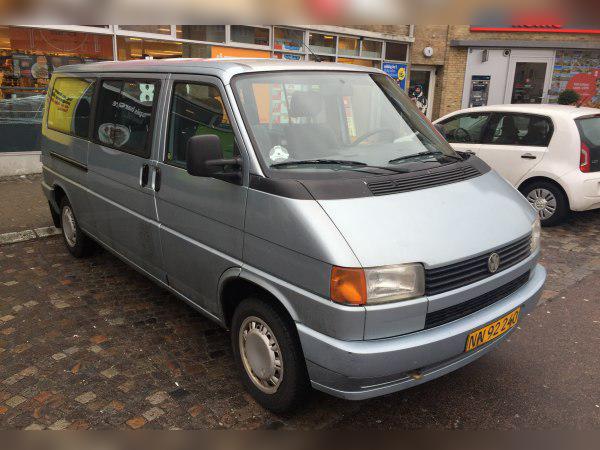
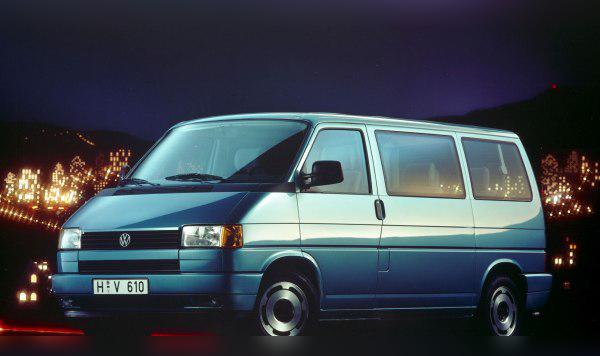
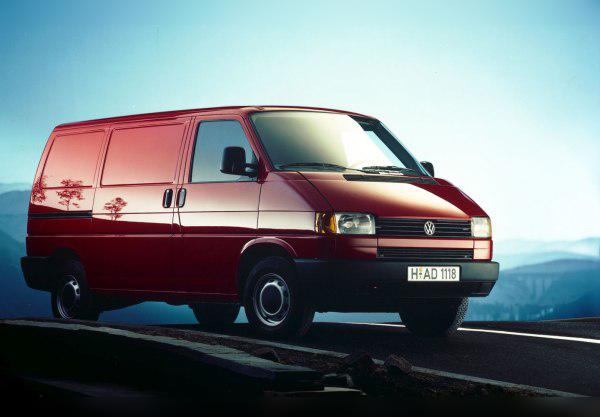
VW 2.5 Petrol (AAF, ACU) 110 HP – Experiences, problems, fuel consumption and used-buying tips
When it comes to reliable workhorses, few vans enjoy such a cult status worldwide as the fourth-generation Volkswagen Transporter and Caravelle (T4). Although diesels took the spotlight, the 2.5‑liter five‑cylinder petrol engine, with engine codes AAF and ACU, is a true mechanical treat. As a technical editor with many years of experience, I can tell you this is an old‑school engine – robust, durable, but with certain specifics every potential buyer needs to know.
In short, the most important (TL;DR):
- Legendary naturally aspirated five‑cylinder petrol engine, known for exceptional longevity.
- Fuel consumption is high, especially in city driving conditions.
- An ideal platform for LPG (autogas), which makes it economically viable.
- No expensive failures: no turbocharger, no DPF, no dual‑mass flywheel.
- The biggest headaches are vacuum leaks, idle control issues and worn ignition coils.
- Automatic gearboxes paired with this engine are problematic and require caution when buying.
Contents:
- Introduction to the 2.5 AAF/ACU engine
- Technical specifications
- Reliability and maintenance
- Specific parts and costs
- Fuel consumption and performance
- Additional options and modifications
- Gearbox and drivetrain
- Buying used and conclusion
Introduction to the 2.5 AAF/ACU engine
This 2461 cc unit is an inline five‑cylinder petrol engine that was installed in Volkswagen T4 models, including workhorse Transporter and passenger Caravelle versions. The engine with 81 kW (110 HP) and 190 Nm of torque offers a characteristic, pleasant sound and surprisingly good low‑rev elasticity for a petrol. It is intended for drivers who cover fewer kilometers, prefer cheaper maintenance compared to diesel systems and need reliable transport of passengers or cargo.
Technical specifications
| Parameter | Value |
|---|---|
| Displacement | 2461 cc |
| Power | 81 kW (110 HP) |
| Torque | 190 Nm |
| Engine codes | AAF, ACU |
| Injection type | Multi‑point injection (MPI – Digifant) |
| Aspiration | Naturally aspirated engine |
Reliability and Maintenance
Does this engine have a timing belt or chain?
The AAF/ACU engine uses a timing belt. In addition to the main belt for the camshaft, there is also a system of belts for the auxiliaries and the water pump. Timing maintenance is crucial because a snapped belt leads to serious damage to the valves and cylinder head.
At what mileage should the major service be done?
A major service is recommended every 90,000 to a maximum of 120,000 km or every 5 years, whichever comes first. During the major service it is mandatory to replace the belts, rollers, tensioners and water pump.
What are the most common failures on this engine?
When we talk about “screwdriver diagnostics” on T4 petrols, these are the most common issues mechanics encounter:
- Ignition system: Distributor cap, rotor arm and the ignition coil are frequent culprits for jerking while driving and rough running. Drivers usually notice loss of power and increased hesitation when the weather is damp.
- Idle stabilizer valve (ISV): This valve gets dirty from oil vapors, which causes fluctuating idle speed or even stalling at traffic lights. Often a thorough cleaning is all it takes.
- Cracked vacuum hoses: Due to age, rubber hoses become brittle. Unmetered air entering through these hoses completely disturbs the air‑fuel mixture, so the engine runs rough and consumes more.
- Exhaust manifold: Five‑cylinders are known for exhaust manifolds that often crack under high temperatures, which manifests as hissing and exhaust smell in the cabin.
Oil: quantity, grade and consumption
The engine takes about 5.5 liters of oil (with filter change). The recommended grade for these older engines is generally 10W‑40, since the internal clearances are designed for thicker oil compared to modern units. Oil consumption between services (every 10,000 km) is normal. An amount of 0.2 to 0.5 liters per 1,000 km is considered acceptable for an engine of this age. If the engine suddenly starts consuming more oil and emits blue smoke on first cold start in the morning, that is a sure sign that the valve stem seals are worn, which is not an expensive repair.
At what mileage should the spark plugs be replaced?
With standard petrol use, spark plugs should be replaced every 45,000 to 60,000 km. However, if you have LPG (autogas) installed, due to higher combustion temperatures and greater sensitivity to spark quality, the replacement interval should be shortened to 30,000 km.
Specific Parts (Costs)
Does the engine have a dual‑mass flywheel?
Excellent news for all buyers: versions with a manual gearbox have a solid flywheel. There is no sensitive and expensive dual‑mass flywheel. Because of this, clutch kit replacement costs are noticeably lower compared to TDI engines of the same generation. Clutch replacement is not expensive (depends on the market).
Fuel injection system
This model uses an older MPI (Multi‑Point Injection) system, known as Digifant. The injectors spray fuel directly in front of the intake valves. This system is incredibly reliable. Injectors rarely fail mechanically, but they can get dirty, especially if the vehicle is constantly driven on LPG and the petrol tank is left empty. Symptoms of dirty injectors are hard starting and engine bogging when you press the accelerator. Ultrasonic cleaning usually solves the problem and is very affordable.
Turbo, DPF, EGR and AdBlue
This is the essence of this engine’s appeal – it has none of the above! It is a pure naturally aspirated petrol. There is no turbocharger whose overhaul would be a major expense. As a petrol engine from the nineties, it has no DPF filter or complex AdBlue systems. An EGR valve may exist on some versions and markets, but it rarely causes the kind of issues typical of modern diesels.
Fuel Consumption and Performance
What is the real‑world fuel consumption in city driving?
This is the biggest downside of the 2.5‑liter engine. The physically heavy body (Transporter/Caravelle) combined with five cylinders in stop‑and‑go traffic requires a lot of energy. Real‑world city consumption ranges between 13 and 16 l/100 km, depending on load and driving style. On models with automatic gearbox or Syncro (4x4) drive, it can be even higher.
Is this engine “sluggish”?
On paper, 110 HP doesn’t sound powerful for such a large vehicle. However, it offers 190 Nm of torque at a relatively low 2200 rpm. This means that in city and suburban driving the engine behaves quite adequately and does not require being revved high to get going. It’s not a racer, but thanks to the five‑cylinder layout and gear ratios, in a loaded van it gives an impression of robustness rather than “sluggishness”.
Behavior on the motorway
On the motorway, the T4’s aerodynamics (roughly on par with a brick) take their toll. At a cruising speed of 130 km/h, the engine revs quite high (around 3500–3800 rpm, depending on gearbox ratios). Cabin noise then becomes noticeable and fuel consumption rises sharply. This engine is at its best at speeds around 100–110 km/h.
Additional Options and Modifications
LPG (autogas) installation
This engine is simply perfect for LPG. Most T4 petrols on the used market already have a sequential LPG system installed. Thanks to the robust cylinder head and intake manifold, LPG systems integrate without issues. Installing LPG is the only way to make this engine financially viable for everyday use, as it halves fuel costs.
Chiptuning (Stage 1)
As a naturally aspirated petrol engine, the 2.5 AAF/ACU has absolutely no real potential for classic chiptuning. By modifying ECU maps you will gain at most 5 to 8 horsepower, which you won’t even feel in such a heavy vehicle. Chiptuning this engine is a waste of money.
Gearbox and Drivetrain
Available gearboxes and most common failures
This engine was offered with a 5‑speed manual gearbox and a 4‑speed automatic gearbox. A Syncro model (all‑wheel drive) was also available.
- Manual gearbox: Extremely reliable and long‑lasting. The most common issue is wear of the gear selector linkage (the so‑called “ball” or bushings), which makes shifting imprecise and difficult (hard to engage first gear). Replacing these plastic parts is very cheap (depends on the market).
- Automatic gearbox (098 / 01P): This is the weak spot. The old four‑speed automatics are prone to overheating and valve body failure, especially if the vehicle has been towing a trailer. Symptoms include harsh shifts (strong jolts) when changing from first to second gear or slipping. Rebuilding the automatic gearbox is very expensive (depends on the market) and often exceeds the value of the used vehicle.
Gearbox maintenance
In the manual gearbox, the oil should be preventively changed every 80,000 to 100,000 km. For the automatic gearbox, ATF oil and filter must be rigorously replaced at a maximum of 60,000 km. If the vehicle is equipped with Syncro all‑wheel drive, checking and changing the oil in the rear differential is also mandatory.
Buying Used and Conclusion
What must be checked before buying?
If you are buying a VW T4 with the 2.5 AAF or ACU engine, here is what you should pay attention to during inspection:
- Cold start: Approach the engine while it is completely cold. Ask the seller to start it. If you see blue smoke from the exhaust in the first few seconds, the valve stem seals need replacing.
- Rough idle: Listen to how it runs when warmed up. It should not fluctuate (rev up and down). If it does, the cause may be a vacuum leak, ISV valve or ignition coil.
- Automatic gearbox test (if applicable): You must test how it behaves when the oil is fully warmed up (after 20–30 minutes of driving). If it then starts to “slam” during shifts, walk away from that car.
- Condition of the LPG system: Check whether the LPG certification is valid, because driving it exclusively on petrol is economically unjustifiable by today’s standards.
Final verdict: Who is it for?
The VW 2.5 petrol (AAF/ACU) is an engine built in an era when cars were made to last. It is intended for enthusiasts, tradespeople or families who need an extremely reliable and spacious van, and want to avoid expensive repairs of turbos, injectors, DPF filters and dual‑mass flywheels that come with diesels. The key to peace of mind with this engine is regular cooling‑system maintenance and a properly installed LPG system. The best buy is a version with a manual gearbox and a body in good condition.