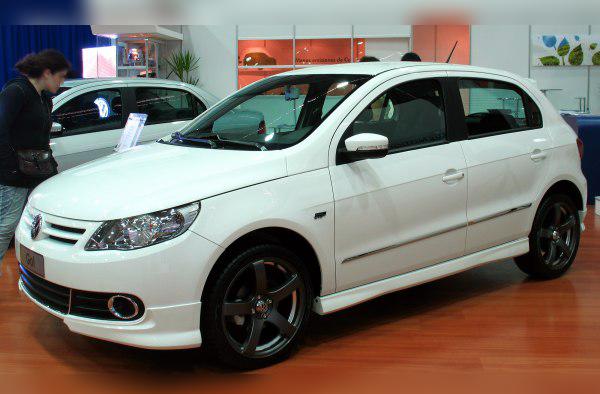
Volkswagen 1.6 CFZA (101 HP): Experiences, problems, fuel consumption and buying used
When we talk about Volkswagen engines that have powered the masses, especially in developing markets and South America, the 1.6 8V engine with the CFZA code holds a special place. This is not an engine that will impress you with technological innovation, but its greatest strength lies precisely in that simplicity. Primarily installed in the VW Gol (G5), this powerplant was designed to cope with poor-quality fuel, bad roads and inadequate maintenance.
As someone who has spent years under the hood, I can tell you this is a classic example of the “old school” in a more modern package. No complicated turbochargers, no sensitive high-pressure injectors, but it does have its quirks. Below we’ll dissect this engine in detail so you know exactly what you’re buying.
Key points (TL;DR)
- Simple design: Naturally aspirated 8-valve engine, cheap to maintain.
- Torque: VHT (Volkswagen High Torque) technology offers excellent flexibility in city driving.
- Dual-mass flywheel: It doesn’t have one. The clutch is cheap and long-lasting.
- Gearbox: The manual is excellent; the robotized (I-Motion) should be avoided if possible.
- Fuel consumption: In the city it can be thirsty, especially if driven aggressively.
- Recommendation: Ideal for drivers who want cheap transport from point A to point B, with the option of LPG conversion.
Contents
- Technical specifications
- Reliability and maintenance
- Specific parts and costs
- Fuel consumption and performance
- Additional options and modifications
- Gearbox
- Buying used and conclusion
Technical specifications
| Specification | Value |
|---|---|
| Engine code | CFZA (EA111 family) |
| Displacement | 1598 cc (1.6 liters) |
| Power | 74 kW / 101 HP (on petrol) |
| Torque | 154 Nm at 2500 rpm |
| Induction | Naturally aspirated |
| Injection type | MPI (Multi-Point Injection) – indirect |
| Number of valves | 8 (2 per cylinder) |
Reliability and maintenance
Timing belt or chain?
The CFZA engine uses a timing belt for the valvetrain. This is the classic solution for the EA111 engine family in this configuration. Although some drivers prefer a chain, the belt here is quieter and cheaper to replace.
At what mileage should the major service be done?
The recommendation is to do the major service (replacement of belt, tensioner and water pump) every 60,000 to 90,000 kilometers or every 5 years, whichever comes first. Even if the manufacturer lists longer intervals for certain markets, in practice the risk of belt failure or water pump leaks increases after this mileage, especially in harsh urban driving conditions.
Most common failures
Although robust, the CFZA is not immune to problems:
- Coil packs (ignition coils): A common issue on VW petrol engines. Symptoms are rough idle, jerking and the “Check Engine” light coming on.
- Throttle body: Due to oil vapor recirculation, the throttle body gets dirty, which leads to unstable idle or stalling when stopping. Cleaning usually solves the problem.
- Oil leaks: The valve cover gasket and crankshaft seals tend to fail with age.
- Coolant temperature sensor: A cheap part which, when it fails, can cause fuel mixture issues and hard starting.
Oil: capacity and consumption
This engine takes approximately 3.5 to 4.0 liters of oil (always check the dipstick level when changing). The recommended grade is 5W-40 (VW 502.00 standard). As for oil consumption, these engines are tolerant. Consumption of up to 0.5 liters per 1,000 km on older units is considered “acceptable” by factory standards, but in practice a healthy engine should not consume more than 0.5 to 1 liter between service intervals (10–15,000 km). If it uses more, valve stem seals or piston rings are usually to blame.
Spark plugs
Spark plugs are replaced every 30,000 to 60,000 kilometers, depending on the plug type (copper plugs last shorter, iridium longer). Since access is easy and plugs are cheap, I recommend replacing them every 30–40,000 km to protect the coils.
Specific parts (costs)
Dual-mass flywheel and clutch
Good news for your wallet: This engine does NOT have a dual-mass flywheel. It uses a conventional solid flywheel. The clutch kit (pressure plate, disc, release bearing) is relatively cheap and falls into the category of affordable repairs (price depends on the market, but is significantly lower than on diesels).
Fuel injection system and injectors
The engine uses classic MPI (Multi-Point Injection) into the intake manifold. This is a low-pressure system. The injectors are very durable and rarely cause problems. They are not as sensitive to fuel quality as on FSI/TSI engines or diesels. If issues do occur, ultrasonic cleaning usually solves them.
Turbo, DPF, EGR, AdBlue
- Turbo: None. The engine is naturally aspirated, which means fewer parts that can fail.
- DPF filter: None (reserved for diesels).
- AdBlue: None.
- EGR valve: There is an exhaust gas recirculation system, but it is not as problematic as on diesels because petrol engines produce less soot.
- Catalytic converter: It has a catalytic converter that can be damaged if the car is driven with faulty coils (unburnt fuel enters the exhaust).
Fuel consumption and performance
Real-world fuel consumption
Even though the engine is small in displacement, don’t expect miracles in the city. This is technology that’s a few decades old.
- City driving: Expect between 8.5 and 10.5 l/100 km. In heavy traffic and in winter, this can go up to 11 liters.
- Highway / open road: Here it’s more economical, around 6.0 to 7.0 l/100 km with moderate driving.
Is the engine “sluggish”?
For the weight of the VW Gol (which is a relatively light car, around 1000–1100 kg), this engine is not sluggish in city conditions. Thanks to the 8V design and VHT tuning, maximum torque is available at a low 2500 rpm. This means the car pulls nicely away from the lights without needing to rev it high.
Behavior on the highway
This is where its limitations show. The gearbox usually has 5 speeds and short gearing. At 130 km/h the engine spins at about 3800–4000 rpm (depending on the gearbox). This creates cabin noise and increases fuel consumption. Overtaking on the highway requires planning and definitely shifting down to 4th or even 3rd gear. It’s not an ideal cruiser for long trips.
Additional options and modifications
LPG (autogas) conversion
Absolutely YES. This is one of the best engines for conversion to LPG. It has a metal intake manifold (on older versions) or a quality plastic one, hydraulic lifters (no valve adjustment needed) and indirect injection. With a quality sequential LPG system, running on gas is safe and drastically reduces running costs.
Chiptuning (Stage 1)
On naturally aspirated petrol engines, “chipping” is mostly a waste of money. The gain is negligible, maybe 3 to 5 HP and a slightly better throttle response, but you won’t feel a dramatic difference as with turbo engines. It’s better to invest that money in good tires or regular servicing.
Gearbox
Manual and automatic gearboxes
With the CFZA engine in the VW Gol, you usually get two options:
- 5-speed manual (MQ200): Precise, easy to operate and very reliable.
- Robotized manual (I-Motion / ASG): This is NOT a conventional automatic, but a manual gearbox operated by a robot (electro-hydraulics).
Gearbox failures
- Manual: Very reliable. At high mileage, synchros can wear (grinding when shifting) or the shift linkage can cause issues (difficult to engage gears). The gearbox oil is “lifetime” from the factory, but it’s recommended to change it every 100,000 km.
- I-Motion (robotized): Often problematic. Drivers complain about jerky take-offs, indecisive shifting and expensive actuator and electronics failures. Clutch replacement on this gearbox also requires software adaptation. Avoid if possible.
Buying used and conclusion
When buying a used VW Gol with this engine, pay attention to the following:
- Engine noise: When cold, listen for hydraulic lifter noise (ticking). If the sound doesn’t disappear after a few seconds, the engine may have been neglected or run on poor-quality oil.
- Oil filler cap: Open the cap. If you see “mayonnaise” deposits (emulsion) and the car hasn’t been used only for very short trips, this may indicate coolant mixing with the oil.
- Idle speed: The engine should idle smoothly. Fluctuations indicate a dirty throttle body or an intake air leak.
- Gearbox: If it’s I-Motion, test it in traffic. If it jerks too much or hesitates, walk away.
Conclusion: Volkswagen’s 1.6 CFZA (101 HP) is a workhorse. It’s not refined, it’s not quiet on the highway and it’s not a fuel economy champion. However, it is a champion of durability and low running costs. It is intended for drivers who see the car as a tool, for families looking for a reliable city car, and for everyone who wants to avoid expensive repairs on modern diesels and turbo-petrol engines. If you find a car with this engine and a manual gearbox, it comes recommended.