2.0 BiTDI (CUAA) 240 HP: Experiences, Problems, Fuel Consumption and Buying Tips
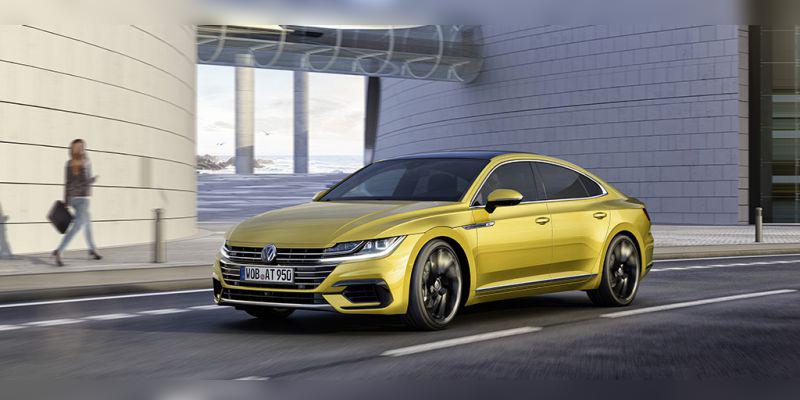
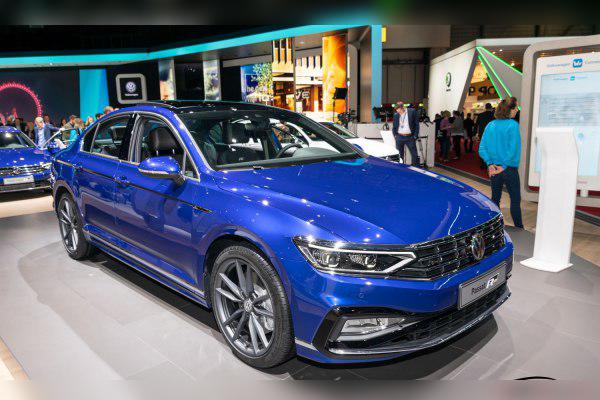
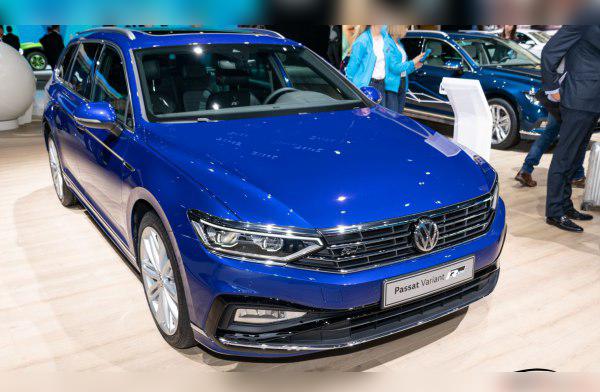
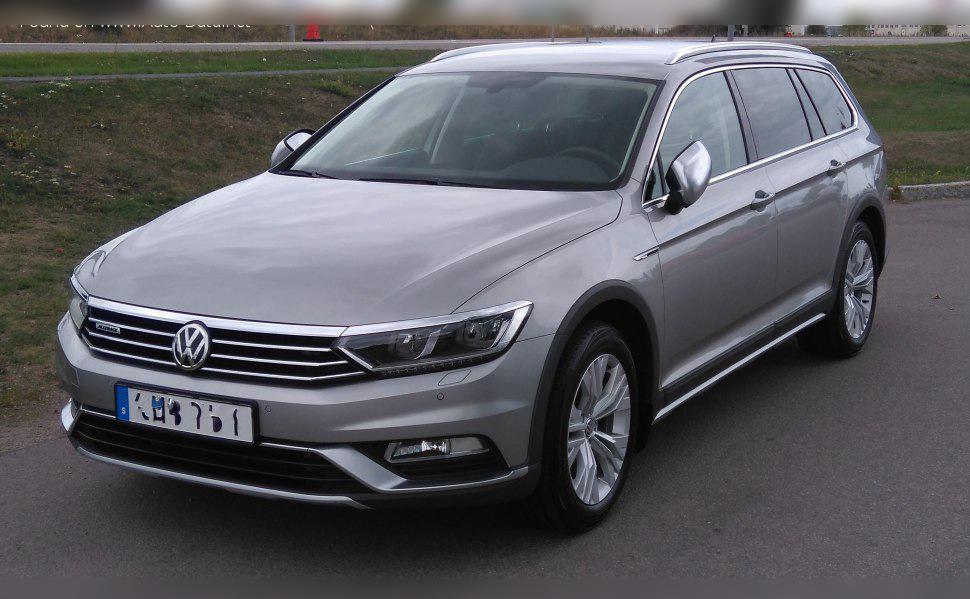
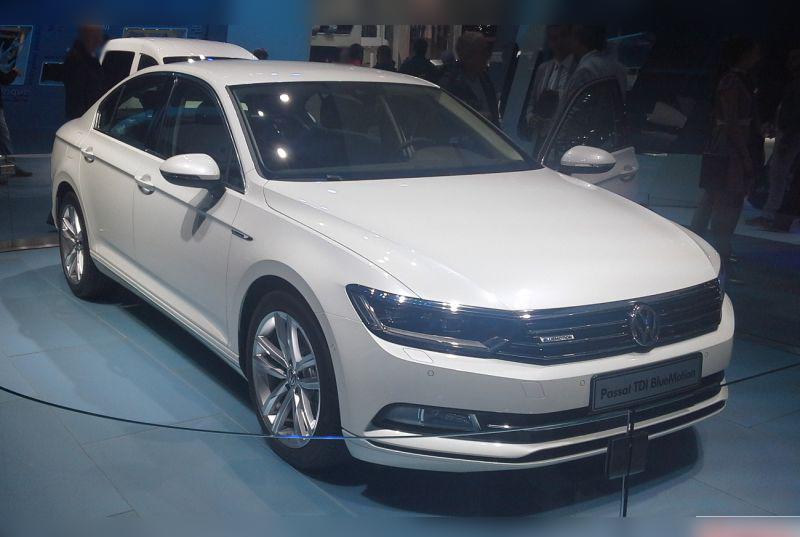
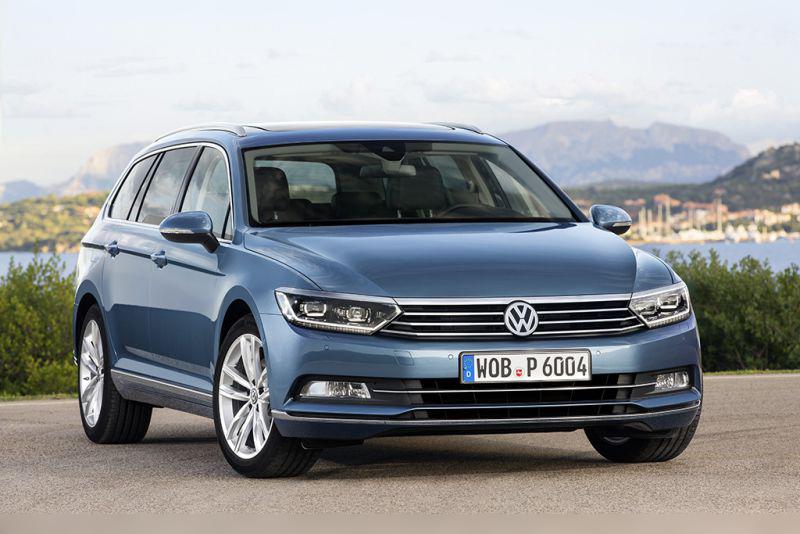
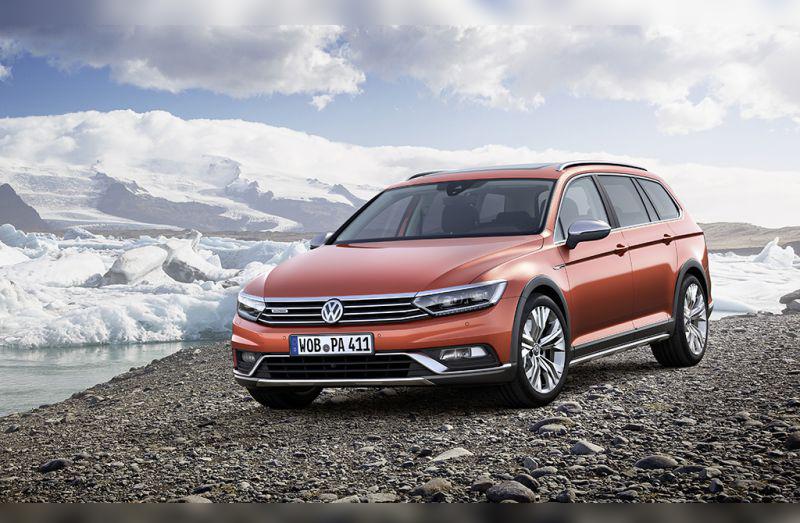
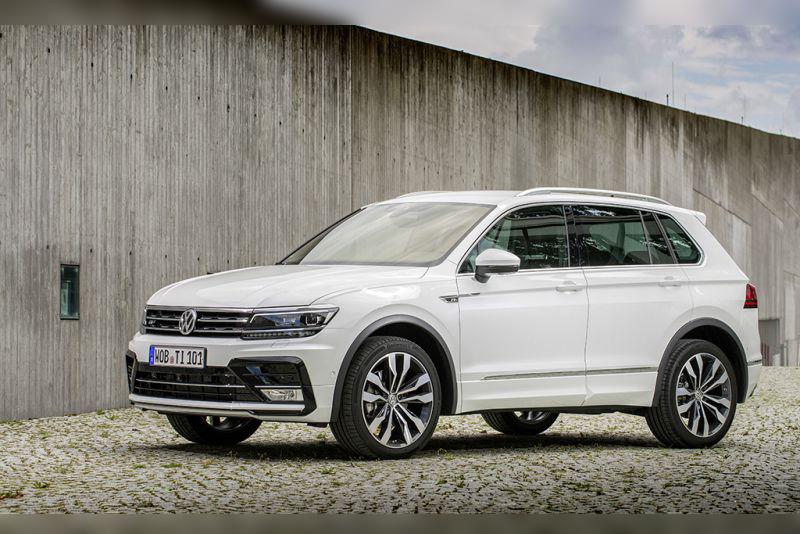
Volkswagen’s 2.0 BiTDI with the CUAA code represents the pinnacle of engineering when it comes to four‑cylinder diesel engines. This power unit was created to fill the gap between the standard 2.0 TDI engines (150/190 HP) and the large 3.0 V6 TDI, offering six‑cylinder performance with lower weight and fuel consumption. However, high performance from a small displacement brings specific challenges that every owner of a Passat B8, Arteon or Tiguan needs to be aware of.
Key points in short (TL;DR)
- The most powerful 2.0 TDI: With 240 HP and 500 Nm, this engine offers explosive in‑gear acceleration.
- Bi‑Turbo system: Two turbochargers work sequentially, which eliminates turbo lag but increases maintenance costs.
- Oil consumption: Early models are prone to increased oil consumption due to their specific design (aluminum block).
- Gearbox: It comes exclusively with the strongest DQ500 DSG gearbox (7 speeds) and 4MOTION all‑wheel drive.
- Maintenance: More expensive than a standard TDI engine (larger brakes, more expensive suspension parts, more complex turbo system).
- Recommendation: Ideal for highway driving, but requires strict maintenance and a thorough check of the turbochargers and injectors before purchase.
Contents
- Technical specifications
- Reliability and maintenance
- Specific components (costs)
- Fuel consumption and performance
- Additional options and tuning
- Gearbox (DSG DQ500)
- Buying used and conclusion
Technical specifications
| Engine code | CUAA (EA288 series) |
| Displacement | 1968 cc |
| Power | 176 kW (240 HP) |
| Torque | 500 Nm at 1750–2500 rpm |
| Injection type | Common Rail (Piezo injectors up to 2500 bar) |
| Charging | Bi‑Turbo (two turbochargers of different sizes) |
| Drive | Always 4MOTION (all‑wheel drive) |
Reliability and maintenance
Unlike the less powerful 2.0 TDI engines that have a cast‑iron block, the CUAA engine uses an aluminum block to save weight, reinforced with steel tie rods. This is technologically advanced, but it brings certain risks.
Timing belt or chain?
This engine uses a timing belt to drive the camshafts. Although VW specifies replacement at as much as 210,000 km (for some markets), real‑world practice and mechanics’ experience say otherwise. Due to the huge torque and the load on the water pump and related components, the recommendation is to do a major service at 150,000 km up to a maximum of 180,000 km or every 5 to 6 years, whichever comes first. A snapped belt on this engine is catastrophic and means complete engine failure.
Oil consumption and servicing
The engine takes approximately 4.7 to 5.0 liters of oil (depending on whether the filter is changed; always check the dipstick). You must use 5W‑30 oil with the VW 507.00 specification.
Does it consume oil? Unfortunately, this is one of the weaker points of the CUAA engine, especially on early models (2015–2016). Due to the high pressure inside the cylinders and the aluminum block, there were cases of cylinder deformation or piston ring issues, which resulted in oil consumption higher than 0.5 l per 1000 km. If the engine uses 1–2 liters between services (at 15,000 km), this is considered “acceptable” for this unit, but anything above that points to a problem with the piston rings or turbochargers.
Injector longevity
The engine uses advanced Piezo injectors that operate at an extreme pressure of 2500 bar. They are precise and enable huge power, but are very sensitive to poor‑quality fuel. Their typical lifespan is around 200,000–250,000 km, but they can fail earlier. Symptoms include rough idle, increased smoke or difficult starting. Refurbishing these injectors is often impossible or unsuccessful, so they are usually replaced with new ones, which is expensive (it depends on the market, but expect a serious cost per injector).
Specific components (costs)
Dual‑mass flywheel
Yes, this engine has a dual‑mass flywheel. Considering that it has to cope with 500 Nm of torque, the flywheel is a wear item. Although the DSG gearbox is programmed to protect the drivetrain, aggressive driving (hard launches from a standstill) can shorten the flywheel’s life to below 150,000 km. Symptoms of a worn flywheel are a metallic “clunking” sound when starting/stopping the engine or vibrations at idle.
Bi‑Turbo system
The CUAA uses two turbochargers: a smaller one for low revs (response) and a larger one for high revs (power). They work in series. This eliminates lag, but it also means you have twice as many components that can fail. The larger turbocharger is more prone to wear. If one fails, it is often recommended to refurbish or replace the entire module, which is a very expensive job.
DPF, EGR and AdBlue
As a Euro 6 engine, this unit is heavily “choked” by emissions systems:
- DPF filter: Due to high exhaust gas temperatures, regenerations are frequent. If the car is driven only in the city, the DPF clogs quickly.
- EGR valve: Prone to soot build‑up. The EGR cooler can start leaking, which leads to loss of coolant.
- AdBlue (SCR): The system is mandatory. The tank is located in the boot or next to the fuel filler. Problems with the AdBlue pump heater or NOx sensor are common in the VW group and are not cheap to fix. Regularly top up with quality AdBlue to avoid crystallization.
Fuel consumption and performance
Is the engine sluggish? Absolutely not. With 500 Nm available from just 1750 rpm, this engine makes a heavy Passat or Tiguan “take off”. In‑gear acceleration is on the level of hot hatchbacks.
- City driving: Real‑world consumption is between 8.5 and 10.5 l/100 km. Don’t expect miracles; 4MOTION, an automatic gearbox and vehicle weight take their toll in stop‑and‑go traffic.
- Country roads and motorway: This is where the engine shines. At 130 km/h the engine runs at low revs (thanks to 7th gear), and consumption drops to 6.0–7.0 l/100 km.
- Cruising: At 130 km/h the engine is relaxed, yet it has huge power reserves to pull up to 200 km/h without even downshifting.
Additional options and modifications
Remapping (Stage 1)
This engine is already factory “wound up” to a high specific output (120 HP per liter of displacement). Although Stage 1 maps can raise power to 280–300 HP and torque to 580–600 Nm, you should be very careful.
Increasing power further stresses an already highly stressed aluminum block and the turbochargers. If you decide to take this step, shorten oil change intervals to 8,000–10,000 km and never use full power until the engine is fully warmed up. The risk of overheating and cracking the head or block is higher than on the less powerful versions.
Gearbox: DSG DQ500
This engine is NEVER paired with a manual gearbox. It comes exclusively with the DSG DQ500 seven‑speed dual‑clutch automatic.
- Reliability: The DQ500 is the strongest and most robust transverse DSG gearbox that VW makes (it is also used in vans like the Transporter). The clutches are “wet” (running in oil). It can easily handle 600 Nm.
- Service: The gearbox oil and filter MUST be changed every 60,000 km. Skipping this service leads to mechatronic failure, and the mechatronic unit is the heart of the gearbox.
- Failures: The most common failures are related to the mechatronic unit (electronic control unit) or oil leaks at the seals. The gearbox’s mechanical parts themselves are extremely durable.
- Clutch cost: Although the clutches rarely fail before 250,000 km if the gearbox is maintained properly, a clutch kit is expensive (it depends on the market, but it is among the more costly repairs).
Buying used and conclusion
Volkswagen’s 2.0 BiTDI is an engineering gem that offers a fantastic compromise between power and efficiency, but it is not without flaws.
What to check before buying?
- Cold start: Listen to the chain (if it rattles for a few seconds, that’s bad) and the flywheel (clunking).
- Exhaust smoke: Any bluish smoke is a red flag (oil consumption, turbochargers). Black smoke points to injector or DPF issues.
- Gearbox service history: If there is no proof that the DSG oil was changed every 60k km, walk away from that car.
- Coolant: Check if it is clean. Dirty coolant can indicate a problem with the EGR cooler or the head gasket.
Conclusion: This engine is intended for drivers who spend a lot of time on open roads and want strong acceleration without paying the registration and fuel costs of 3.0 V6 engines. If you are buying used, look for examples with the lowest possible mileage (below 150,000 km) and a flawless service history. Be prepared for more expensive regular maintenance – that is the price you pay for 240 horsepower from 2 liters of displacement.