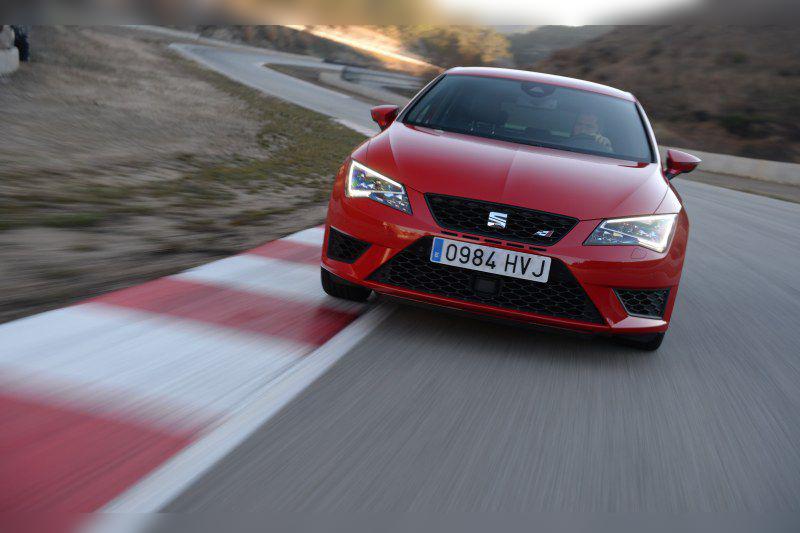
Seat Leon 2.0 TDI (184 HP - CUPA, CUNA): Experiences, problems, fuel consumption and used-car buying tips
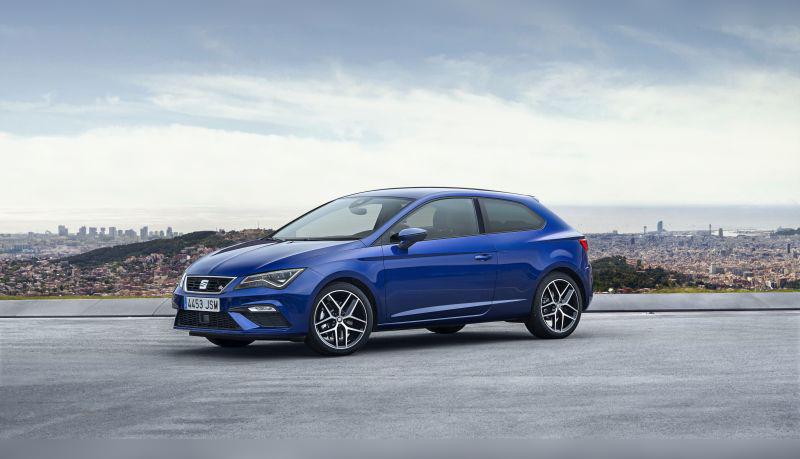
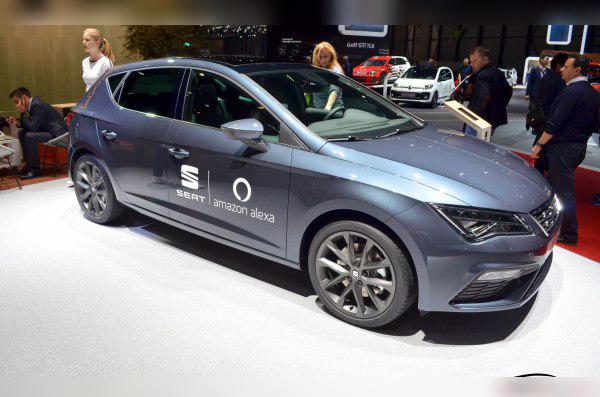
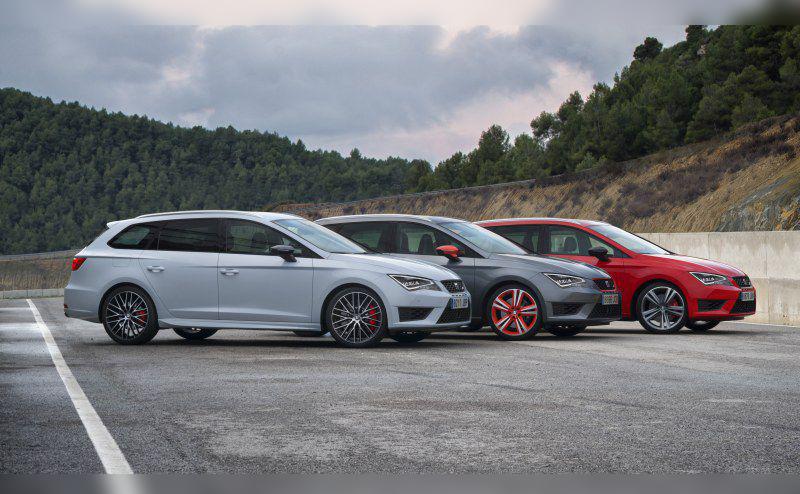
When talking about modern diesel engines that combine excellent performance and efficiency, Volkswagen’s 2.0 TDI from the EA288 family is right at the top. The specific engine codes CUPA and CUNA deliver a strong 184 HP (135 kW) and were mostly installed in sportier and better-equipped trims such as the third-generation Seat Leon (FR, ST, X-Perience). This engine represents an evolution in diesel technology, but it also brings complex exhaust emission control systems that may require attention as the years go by.
What follows is a detailed analysis of this engine from the perspective of an experienced mechanic. The goal is that after reading this text you’ll know exactly what awaits you on the lift, what the maintenance costs are, and whether this is the right choice for your driving habits.
Key points in short (TL;DR)
- Excellent performance: With 184 HP and 380 Nm, the engine offers fantastic elasticity while fuel consumption remains reasonable.
- Engine timing: Uses a timing belt, not a chain, which makes major service costs predictable.
- Critical point: The factory water pump has a mechanical shutter that often jams, which can lead to engine overheating.
- Eco systems (EGR, DPF, AdBlue): The most common sources of headaches and expensive repairs on cars driven mainly in the city.
- Recommendation: An ideal engine for drivers who cover a lot of highway mileage. Not recommended for exclusively city driving due to DPF clogging.
Contents
- Technical specifications
- Reliability and maintenance
- Specific components (costs)
- Fuel consumption and performance
- Additional options and modifications
- Gearbox
- Buying used and conclusion
Technical specifications
| Specification | Data |
|---|---|
| Displacement | 1968 cc |
| Power | 135 kW (184 HP) |
| Torque | 380 Nm (at 1750–3000 rpm) |
| Engine codes | CUPA, CUNA |
| Injection type | Common Rail (direct injection) |
| Charging | Turbocharger (VGT) + intercooler |
Reliability and maintenance
Timing system and service intervals
This 2.0 TDI from the EA288 generation relies on a timing belt to drive the camshafts. The factory interval for the major service is a rather optimistic 210,000 km. However, based on real-world experience, it is strongly recommended to do the major service (replacement of belt, tensioner, idlers and water pump) at around 150,000 km or at least every 5 to 6 years, whichever comes first. Preventive maintenance here saves thousands of euros.
As for the minor service, this engine takes about 4.6 to 4.7 liters of oil. You must use synthetic oil with a 5W-30 grade that meets the VW 507.00 specification, primarily to protect the DPF filter (Low-SAPS oils). In terms of oil consumption, the engine is designed so that under normal operating conditions it uses between 0.5 and 1 liter of oil per 15,000 km. Any consumption up to 0.5 liters per 1,000 km is technically within factory tolerance, but in practice, if you are topping up a liter every few thousand kilometers, it’s usually time to check the turbocharger or piston rings.
Most common failures: What to watch out for?
Diesel engines are generally reliable, but the engine peripherals tend to cause problems. The absolute “number 1 failure” on EA288 engines is the water pump. The manufacturer integrated a special mechanical ring (shutter) over the pump impeller to help the engine warm up faster. Over time, this ring can jam, causing the pump to stop circulating coolant and leading to sudden engine overheating (the temperature gauge jumps above 90°C). When doing the major service, you MUST install the improved, more reliable version of the water pump.
In addition, on models with CUPA and CUNA engines, the microswitch in the cabin heater (small heater core) often fails because the factory puts silicone bags in the expansion tank (“G13” coolant). When the bag bursts, the silicate spreads through the system and clogs the heater radiator.
Injection system: Injectors
Since this is a third-generation Common Rail system (Bosch piezo-solenoid or Delphi, depending on the year), the injectors are extremely durable and rarely cause issues before the car has covered 200,000 to 250,000 km. When they start to wear, the first symptoms are rough idle, increased smoke under hard acceleration and difficult hot starts. Fortunately, they can be refurbished, but a complete new set of injectors is very expensive (depends on the market).
Specific components (costs)
Turbocharger and injection
This engine is equipped with a single variable-geometry turbocharger (VGT). Its lifespan usually matches that of the engine, and it will typically last around 200,000 to 250,000 km without issues if you change the oil regularly and avoid switching off a hot engine immediately after hard driving. Symptoms of a worn turbo include “whistling” under acceleration, loss of power and increased oil consumption. Replacing or refurbishing the turbocharger is among the more expensive repairs (depends on the market).
Emissions: DPF, EGR and AdBlue – the Achilles’ heel of the modern diesel
This is where problems most often arise if you use the car for short city trips:
- EGR valve: The EGR cooler module is complex. The EGR gets clogged due to recirculated soot, and the cooler can start leaking, which results in an unexplained loss of coolant without visible puddles under the car. If the car hesitates or jerks at low revs, the EGR is usually to blame.
- DPF (Diesel Particulate Filter): If you constantly drive in the city (stop-and-go), the filter clogs quickly. Symptoms include idle speed rising to 1000 rpm, radiator fans running at full speed even in cold weather, and a warning light on the dashboard. Replacement is very expensive (depends on the market), and cleaning only gives partial results if the core is not in perfect condition.
- AdBlue system (SCR): Most examples (especially from 2015 onwards due to Euro 6) are equipped with an AdBlue system. It’s great technology for the environment, but a nightmare for the owner. The AdBlue pump in the tank, the system heater or the NOx sensor in the exhaust can fail. When the system fails, the dashboard starts counting down “1000 km until engine start is blocked”. Maintaining the system requires topping up quality urea fluid every 10–15 thousand kilometers, but repairs are extremely expensive (depends on the market).
Fuel consumption and performance
How does the engine cope with the body?
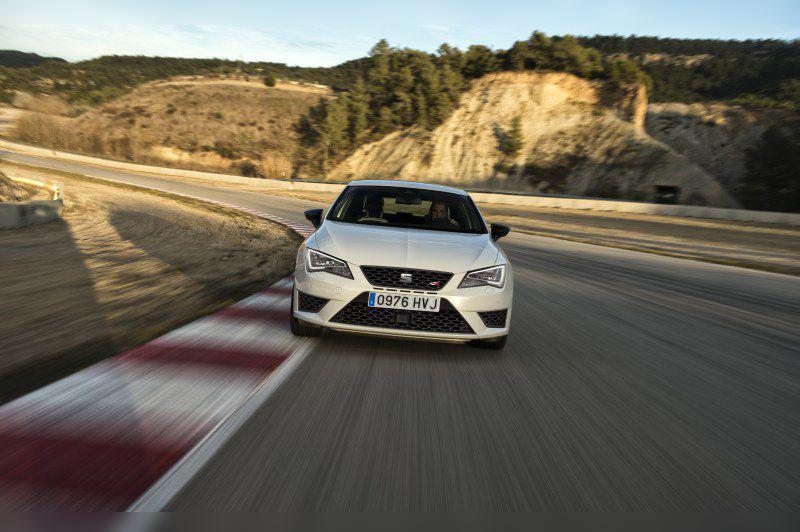
With an impressive 380 Nm of torque, this engine in the Seat Leon (which weighs between 1,300 and 1,450 kg depending on trim and 4Drive) simply flies down the road. Under no circumstances can this engine be called “lazy”. Throttle response is sharp (especially in FR trims), and overtaking on country roads is effortless, even with a fully loaded car and the air conditioning on.
Real-world fuel consumption
If you drive mainly in city traffic, you can realistically expect consumption of 7.0 to 8.0 l/100 km. On versions with 4Drive all-wheel drive or a DSG gearbox, expect the higher end of this range. On open roads (rural highways), with a more relaxed driving style, consumption can drop to an impressive 4.5 l/100 km. On the motorway, at a cruising speed of 130 km/h, consumption is usually around 5.5 to 6.0 l/100 km. In sixth gear (or seventh on newer DSG gearboxes), at 130 km/h the engine “sleeps” at a comfortable 2000 to 2200 rpm, which makes it very quiet and reduces fatigue on long journeys.
Additional options and modifications
“Chipping” (remap / Stage 1)
The EA288 is a fantastic platform for tuning because it has a robust bottom end and a suitably sized clutch. A safe “Stage 1” remap (software only, no hardware changes) can raise power from 184 HP to 220 to 230 HP, while torque can exceed 450 Nm. After that, the car becomes a real little rocket. However, on models with a DSG gearbox, it is strongly recommended to remap the gearbox as well (TCU remap) so that the electronics recognize the increased torque and appropriately raise clutch pressure, preventing premature clutch slip and wear.
Gearbox and drivetrain
Manual vs automatic gearbox (DSG)
The CUPA/CUNA engines were paired with an excellent 6-speed manual gearbox and the famous DSG dual-clutch automatic. On Leon models from this period, the DSG is usually the DQ250 (6-speed with so-called “wet” clutches in oil), and on the very latest facelift years you can also find the newer DQ381 (7-speed).
Gearbox failures and maintenance
DSG gearboxes are incredibly quick but do not tolerate neglect. The biggest mistake owners make is ignoring gearbox servicing. On the DQ250, the oil and filter must be changed strictly every 60,000 km. If this is not done, the mechatronics can fail and the clutch packs can burn. Symptoms include harsh jolts when setting off (jerks from first to second gear) and hesitation on inclines. On the manual gearbox, problems are very rare, but it’s good practice to change the gearbox oil preventively at around 100,000 km.
Dual-mass flywheel and clutch
Both manual and DSG models have a dual-mass flywheel. Symptoms of a worn flywheel include metallic rattling at idle from the area of the driver’s side wheel, strong vibrations when starting and stopping the engine, and jerks when gently releasing the clutch. Replacing the clutch kit and dual-mass flywheel is very expensive (depends on the market), so checking this assembly on a used car is an absolute priority.
Buying used and conclusion
What exactly should you check before buying?
- Sound and visual check on a cold start: The engine should start “on half a turn” with no smoke. Listen carefully for any rattle from the dual-mass flywheel. Also pay attention to metallic noises from the timing area (timing belt/water pump).
- Diagnostics (VCDS / ODIS): It’s not enough to just “read the fault codes”. You must also check the DPF load parameters (ash volume – Oil Ash Volume) to know whether an expensive replacement is coming soon. Also check injector corrections.
- AdBlue system history: If the diagnostic log shows previously cleared faults related to the NOx sensor or SCR heaters, be cautious – repairs may be waiting for you shortly after purchase.
- Coolant loss: Check the level in the expansion tank. If coolant is missing, the EGR cooler or water pump may be leaking.
Final conclusion: Who is this engine for?
Volkswagen’s (Seat’s) 2.0 TDI with 184 HP (CUPA/CUNA) is a fantastic piece of engineering. It offers plenty of power, incredible efficiency on long journeys and dynamic acceleration that puts a smile on your face. It is ideal for drivers who cover serious mileage, often drive on motorways or main roads and value strong performance.
On the other hand, if your daily routine consists of taking the kids to school, going to the nearby supermarket and sitting in city traffic jams – skip this engine. In city use, the EGR gets dirty, the DPF clogs and you risk enormous repair bills. For city driving, a TSI petrol engine is a much better alternative, but for devouring highway miles, the 2.0 TDI with 184 HP in the lightweight Seat Leon is an absolute king of reliable cruising – provided you service it regularly and properly.