1.6 TDI (DDYA, DGTE) 116 HP – Experiences, problems, fuel consumption and maintenance
Key points (TL;DR)
- AdBlue system (SCR): These Euro 6 engines are equipped with an AdBlue system that can be prone to heater or pump failures.
- Water pump: A known weak point of the EA288 engine series. The plastic housing or variable ring can fail before the timing belt service interval.
- Reliability: Generally a very robust engine if regularly maintained and driven mostly on open roads.
- Fuel consumption: Extremely economical, even in a slightly heavier body such as the Golf Sportsvan.
- DSG gearbox: If paired with an automatic, it is the DQ200 gearbox with a dry clutch, which requires caution when buying used.
- Dual-mass flywheel: Present on most models with this power output, especially on DSG versions.
Contents
- Introduction and engine applications
- Technical specifications
- Reliability, maintenance and oil
- Specific components and injection system
- Fuel consumption and performance
- Gearbox (manual and DSG)
- Buying tips and conclusion
Introduction and engine applications
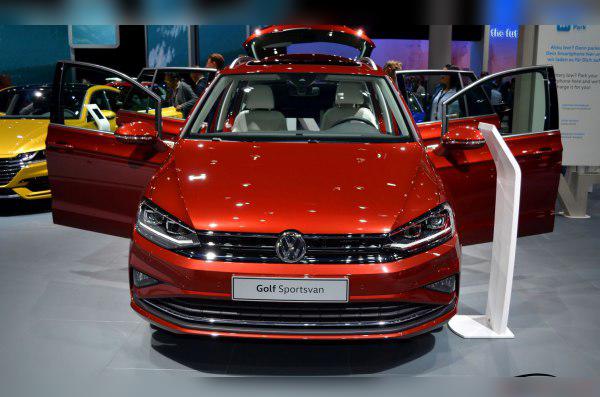
The engine codes DDYA and DGTE denote an evolution of Volkswagen’s well-known 1.6 TDI unit from the EA288 family. With an output of 116 horsepower (85 kW), this version replaced the older 105 and 110 HP variants, bringing stricter emission standards and slightly more refined operation. It is installed in the facelift version (from 2017) of the Volkswagen Golf VII Sportsvan, a model that offers MPV practicality on a compact platform.
This engine targets the “golden middle ground” – enough power for family trips, with low fuel consumption that won’t strain the household budget. However, modern emission systems also bring a certain level of complexity that a used-car buyer needs to understand.
Technical specifications
| Specification | Value |
|---|---|
| Engine displacement | 1598 cc (1.6 L) |
| Power | 85 kW / 116 HP |
| Torque | 250 Nm at 1500–3200 rpm |
| Engine codes | DDYA, DGTE |
| Injection type | Common Rail (direct injection) |
| Induction | Variable-geometry turbocharger + intercooler |
| Emission standard | Euro 6 (with SCR/AdBlue system) |
Reliability, maintenance and oil
Timing belt and major service
This engine uses a timing belt to drive the camshafts. Although the manufacturer often states optimistic replacement intervals that can go up to 210,000 km for Western European markets, real-world experience and mechanics’ advice call for caution. It is recommended to perform the major service between 160,000 km and 180,000 km, or every 5 to 7 years in terms of time, whichever comes first. The reason is not just the belt itself, but also the related components.
Most common failures and the water pump
One of the most common issues on these 1.6 TDI engines is the water pump. It has a variable “shield” (flap) that moves to help the engine warm up faster. This mechanism can get stuck, which leads to engine overheating. The symptom is a sudden rise in coolant temperature or loss of coolant. Therefore, it is recommended to replace the pump at every major service, and sometimes earlier if you notice leaks or unstable temperature.
Oil and oil consumption
The engine takes approximately 4.7 to 5.0 liters of oil (always check the dipstick after pouring in 4.5 L). It is mandatory to use oil that meets the VW 507.00 specification, most commonly in 5W-30 grade or the newer 0W-30.
As for oil consumption, these engines are quite “tight” and should not consume significant amounts. Consumption of up to 0.5 liters per 10,000 km is considered completely acceptable and normal, especially if the car is driven fast on the motorway. If the engine needs a liter of oil every 2,000 km, this points to a problem with the piston rings or the turbocharger.
Specific components and injection system
Dual-mass flywheel
Yes, this 116 HP engine is paired with a dual-mass flywheel. Its presence is necessary to dampen diesel engine vibrations and protect the gearbox. On models with a DSG gearbox, the flywheel is a more frequent expense than on manual versions. Symptoms of wear are rattling at idle (a metallic sound) and jerks when switching the engine off.
Injectors and fuel injection
The injection system is Common Rail. Unlike the notorious Siemens injectors from earlier 1.6 TDI generations (Golf 6), these newer engines (Golf 7 facelift) use more reliable Bosch or Delphi systems (solenoid or piezo). The injectors have proven durable, often exceeding 250,000 km without overhaul, provided quality fuel is used. However, they are sensitive to contamination.
Turbo, DPF, EGR and AdBlue
The engine uses a single variable-geometry turbocharger. Its service life is long, often as long as the engine itself, provided the oil is changed regularly (every max 15,000 km, and not 30,000 km as prescribed by LongLife service intervals).
The DDYA and DGTE codes indicate that the engine has an AdBlue system (SCR catalyst). This is important to know because it adds another layer of complexity. The system consists of a urea tank, pump, heater and dosing injector.
AdBlue issues: Urea crystallisation can clog the injector or damage the pump. Also, the heaters in the AdBlue tank are known to fail. Repairing this system can be expensive (depending on the market). In addition, there is the standard DPF filter and EGR valve. If the car is driven exclusively in the city, clogging is almost guaranteed.
Fuel consumption and performance
Real-world fuel consumption
The Golf Sportsvan is taller and less aerodynamic than the regular Golf, which slightly affects fuel consumption, but the engine is still very frugal:
- City driving: Expect between 5.5 and 7.0 liters/100 km, depending on traffic and how heavy your right foot is.
- Open road/main roads: This is where the engine shines and easily goes down to 4.0 - 4.5 liters/100 km.
On-road performance
Is the engine “sluggish”? With 250 Nm of torque, the engine is not sluggish for normal use. In the city it feels lively enough. However, the Sportsvan is a heavier car. When overtaking on main roads with a fully loaded car (passengers + luggage), you will feel a lack of power compared to the 2.0 TDI version. You will need to use the gearbox more often.
On the motorway, at 130 km/h, the engine spins at around 2,200 - 2,400 rpm (depending on whether it is the 5-speed manual or 7-speed DSG). This is a comfortable cruising zone, noise is minimal, and fuel consumption is around 5.5 liters.
Remapping (Stage 1)
This engine has some power reserve. A “Stage 1” remap can safely raise it to about 140-145 HP and around 300 Nm of torque. This significantly improves in-gear acceleration. However, you should be careful with the DSG gearbox (see the section below) and the condition of the DPF filter before remapping.
Gearbox (manual and DSG)
Manual gearbox
With this engine in the Sportsvan, you most commonly get a 5-speed manual gearbox (although some versions in certain markets have 6 gears). The manual gearboxes are extremely reliable. The only regular expense is the clutch kit. An oil change in the manual gearbox is not strictly prescribed, but is recommended at around 150,000 km for smoother shifting.
Automatic DSG gearbox (DQ200)
If the vehicle has an automatic, it is a 7-speed DSG with dry clutches (code DQ200). This is a critical point.
- Most common failures: Wear of the clutch plates due to stop-and-go city driving and failure of the mechatronic unit (control unit). Symptoms are jerking when setting off, indecisive shifting or clutch slip.
- Maintenance: Although VW calls this a “maintenance-free” gearbox, it is recommended to change the oil in the mechatronic and gear section every 60,000 - 80,000 km at specialised workshops to extend its life.
- Costs: Replacing the clutch kit or overhauling the mechatronic unit falls into the “expensive” category (depending on the market).
Buying tips and conclusion
Before buying a Volkswagen Golf Sportsvan with the 1.6 TDI (116 HP) engine, make sure to check:
- Cold start: The engine should run smoothly immediately after starting. Uneven running can indicate injector problems.
- Coolant: Look at the coolant reservoir. If the level is below minimum or there are traces of rust colour, suspect the water pump or EGR cooler.
- Diagnostics: Check DPF saturation and the condition of the AdBlue system. Fault codes related to “Reductant heater” or “Pump” are a sign that an expense is coming.
- Flywheel noise: Listen for metallic sounds when switching the engine off.
Conclusion: The 1.6 TDI 116 HP engine in the Golf Sportsvan is a rational choice. It is intended for drivers who cover more than 15,000 km per year, mostly on open roads. It offers an excellent balance of comfort and economy. If you spend most of your time in city traffic, the 1.0 TSI or 1.4/1.5 TSI petrol engines are a better option due to the absence of DPF/AdBlue issues and less stress on a cold engine.