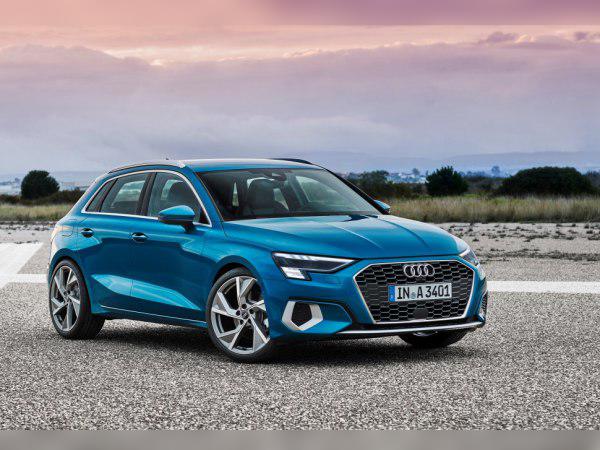
DHFA Engine (1.5 TFSI g-tron 131 hp): Real-world experience, issues, fuel consumption and used-car buying tips
- Extremely economical: Running on methane (CNG) drastically cuts costs, ideal for covering high mileages.
- Reliable powertrain: The engine uses a proven timing belt, and the EA211 evo generation base has shown to be very durable.
- Gearbox needs attention: The S tronic (DQ200) gearbox with dry clutches is sensitive to stop‑and‑go city driving and requires regular mechatronics maintenance.
- Shorter spark plug intervals: Due to higher combustion temperatures with methane, high-quality spark plugs are an absolute priority.
- Pricey specific parts: Although engine maintenance is affordable, replacing the dual-mass flywheel and the dry clutch set on the S tronic gearbox can be a serious hit to your wallet.
- Only for OEM purists: Remapping is limited because the gearbox can reliably handle only about 250 Nm of torque.
- Introduction: What is the DHFA engine?
- Technical specifications
- Reliability and maintenance
- Specific parts and costs
- Fuel consumption and performance
- Additional options and modifications
- Gearbox and related issues
- Buying used and conclusion
Introduction: What is the DHFA engine?
The engine with the code DHFA is VAG’s engineering adaptation of the popular 1.5 TFSI (TSI) unit from the EA211 evo family, but specifically tuned to run on compressed natural gas – methane (CNG). It is primarily installed in the Audi A3 Sportback (8Y) under the 30 g-tron badge, but also in other group models (Golf 8 TGI, Leon TGI). What makes this engine special is that it is not a car with an aftermarket gas system “slapped on”; instead, the internal components (valves, valve seats, piston rings) are factory‑reinforced to withstand the higher combustion temperatures that CNG generates. In an era where diesels are under heavy scrutiny, this engine offers running costs lower than any TDI unit, while maintaining excellent refinement and low emissions.
Technical specifications
| Parameter | Specification |
|---|---|
| Engine code | DHFA |
| Displacement | 1498 cc |
| Power | 96 kW (131 hp) |
| Torque | 200 Nm |
| Fuel type | Petrol / CNG (Methane) |
| Injection type | Direct injection (TFSI) |
| Charging | Turbocharger (VGT), intercooler |
Reliability and maintenance
Once you open the bonnet, you see the typical EA211 evo layout. This engine uses a timing belt rather than a chain, which is excellent news. On older TSI engines the chain caused chaos, but VAG switched to a belt that has proven extremely reliable. The factory interval for the major timing service is optimistically high (up to 210,000 km), but in practice, and according to any experienced mechanic, you should replace the complete kit (belt, rollers, tensioner, water pump) at around 120,000 to 150,000 km. A snapped belt leads to a “meeting” between pistons and valves, which means a full engine rebuild.
The sump of this engine holds about 4.3 litres of oil. Due to specific clearances and the turbocharger, it requires an extremely thin 0W-20 oil (VW 508 00 spec). As for oil consumption, because of the thin oil and the slightly higher cylinder temperatures caused by CNG operation, mild oil consumption is completely normal. Expect to top up between 0.5 and 1 litre between services (which you should always do at 15,000 km; forget the LongLife fairy tales of 30,000 km). If consumption exceeds this, the problem may be the piston rings or valve stem seals.
Since this is essentially a petrol engine, there are no diesel injectors to worry about, but you do have another obligation. Spark plugs are the Achilles’ heel of neglected CNG engines. Methane requires a stronger spark and raises the temperature in the combustion chamber. Factory iridium plugs on a regular petrol engine last about 60,000 km, but on the DHFA I recommend replacing them every 30,000 to a maximum of 45,000 km. If a plug fails, the ignition coil usually follows, the engine starts misfiring, and unburnt gas goes into the catalytic converter and permanently damages it.
Specific parts and costs
The injection system is dual – you have standard petrol injectors for direct injection and specific CNG injectors located on the intake manifold. The petrol injectors can become problematic if you drive mostly on methane for months while keeping stale petrol in the tank. Due to direct injection, over time metal particles and carbon deposits build up on the intake valves (because petrol does not wash them), so a de-carbonisation is advisable after about 150,000 km. The CNG pressure regulator is of good quality, but after 200,000 km it may need an overhaul due to membrane degradation.
The engine has a single turbocharger with variable geometry (VGT). Its lifespan is impressive, over 250,000 km, provided you don’t shut the engine off immediately after hard motorway driving while everything is still scorching hot, and that you regularly change the specified 0W‑20 oil. If you hear rattling when the revs drop, the issue is usually with the wastegate actuator arm, which is a known but relatively inexpensive quirk of the EA211 generation.
Regarding the DPF filter and AdBlue system – no, this is a petrol engine and it has none of the mentioned diesel emission hardware. Goodbye to clogged DPFs in city driving! However, to meet Euro 6d standards, the engine does have a GPF (Otto Particulate Filter) and an EGR function integrated mainly through variable valve timing. The GPF is far less problematic than a DPF because petrol (and methane) burn at higher temperatures, so the filter regenerates more easily in normal driving and rarely causes headaches.
Fuel consumption and performance
This is where the Audi 30 g-tron really shines. Real-world consumption in heavy Belgrade traffic (or any major European city) is around 5.5 to 6.5 kg of methane per 100 km. On the open road this drops to a ridiculous 3.5 to 4 kg. One thing to clarify for potential buyers: this car has a petrol tank of only about 9 litres, which serves purely as a backup when you run out of methane. It starts and runs primarily on gas.
Is the engine “lazy”? The Audi A3 8Y is a heavy car, but the small turbo and VGT technology allow the full 200 Nm of torque to be available from just 1,400 rpm. In practice, you drive it “like a diesel”: it pulls strongly from low revs and is excellent for city use and smooth acceleration. It’s not a race car, but for everyday driving it is more than adequate. On the motorway at 130 km/h, thanks to the long seventh gear of the S tronic, the engine cruises at a very relaxed 2,500 to 2,600 rpm, which keeps the cabin quiet and fuel consumption low.
Additional options and modifications
Installing an LPG (autogas) system on this engine is completely pointless, technically absurd and in practice almost impossible without ruining the car. The engine is factory‑designed, mapped and hardware‑adapted for high‑pressure CNG (methane). Its economic efficiency is already maxed out.
As for “chipping” (Stage 1), there is some potential. The DHFA engine itself can be safely taken to around 150 to 160 hp. However, this brings us to the main bottleneck of the whole car – the gearbox. The gearbox behind this engine is designed for a maximum of 250 Nm. If tuners raise the torque above that limit, you will very quickly destroy the clutches and the mechatronics. If you go for a Stage 1 remap, make it clear to the tuner that torque must not exceed 240–250 Nm for long-term reliability.
Gearbox and related issues
In the A3 30 g-tron version, you will most often (almost exclusively) find the 7-speed S tronic automatic gearbox (code DQ200). This gearbox uses dry clutches (unlike the more powerful engines which use wet clutches). This means the clutches are directly exposed to friction and heat.
The most common failures on this gearbox are worn clutch packs and mechatronics (control unit) failure. The symptoms of wear are clear: juddering when setting off (especially uphill), harsh engagement from first to second gear, or loss of odd/even gears accompanied by a warning light on the dashboard. Stop‑and‑go traffic with the brake constantly held “halfway” effectively burns these clutches.
Does this model with this gearbox have a dual-mass flywheel? Yes, it does. Replacing the whole set – dual-mass flywheel, clutch kit and associated components – is a very expensive job. The lifespan of these parts in city conditions is around 150,000 km, while on the open road they can last well over 200,000 km.
Where many owners go wrong is maintenance. The manufacturer (VAG) often claims the gearbox oil is “lifetime fill” (sealed for life). Any serious automatic transmission specialist will tell you to change the oil in the mechanical part of the gearbox, as well as the specific hydraulic oil inside the mechatronics, every 60,000 km. Ignoring this leads to a build-up of metal particles that destroy the valves in the mechatronics unit.
Buying used and conclusion
When buying a used Audi A3 30 g-tron, make sure you do the following: A cold start is crucial. Open the bonnet and listen – any rattling coming from the timing belt, tensioner or wastegate actuator points to poor maintenance. Then warm the car up and test the gearbox. Set off gently without throttle, then add some gas. If you feel a jolt or shudder (the so‑called “donkey kick”) between first and second gear, prepare a thick wallet for a clutch pack and mechatronics replacement. The single most important item specific to this model: Check the CNG tank certification! Methane tanks have a service life (usually 20 years from the tank’s production date), but require periodic re‑certification every few years. Replacing composite tanks is economically unviable, so check the paperwork carefully.
Who is the DHFA engine for?
This is a perfect machine for commercial drivers, higher‑end taxi services and anyone who covers 100+ kilometres a day but still wants a premium cabin feel. If you drive less than about 15,000 km per year, the fuel savings will not really justify the potential risks associated with the DQ200 gearbox and the regular inspections of the methane system. This is an engine that demands a precise and well‑informed owner – reward it with regular changes of high‑quality oil and spark plugs, and you’ll have a reliable car with running costs comparable to an electric scooter.