1.5 TSI (DPBA) 130 HP – Experiences, problems, fuel consumption and used car buying guide
Key points (TL;DR)
- Miller cycle and VTG turbo: This is not a typical petrol engine. It uses variable geometry turbo technology (rare for petrol engines) for top-notch efficiency.
- "Kangaroo effect" issues: Early models suffered from jerking when setting off with a cold engine. This is solved with a software update.
- ACT technology: The engine shuts down two cylinders under low load to save fuel. Generally a reliable system, but it adds complexity.
- Timing belt: It uses a belt, not a chain, which reduces the risk of catastrophic failures that older TSI engines were known for.
- Fuel consumption: One of the most economical petrol engines in its class; on the open road it can rival diesels.
- Maintenance: Requires strict adherence to the oil specification (0W-20) due to tight tolerances and the GPF filter.
- Recommendation: An excellent choice for those who drive moderate mileage and want a quiet, smooth engine, but avoid diesel because of environmental regulations.
Contents
Introduction and applications
The engine with the code DPBA belongs to Volkswagen’s modern EA211 Evo engine family. This is a 1.5 TSI unit with 130 horsepower, notable for operating on the so‑called Miller combustion cycle. Unlike the more powerful 150 HP version, this engine is “detuned” not only in software, but also designed with fuel consumption and emissions reduction as its primary goals.
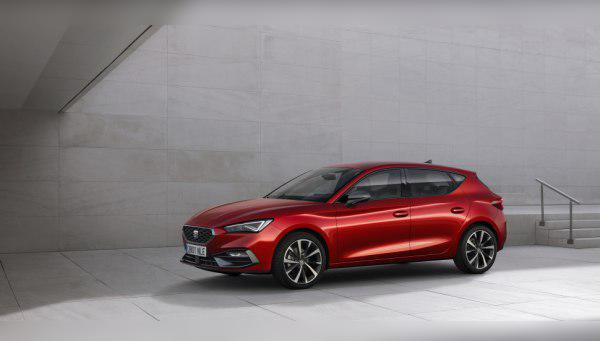
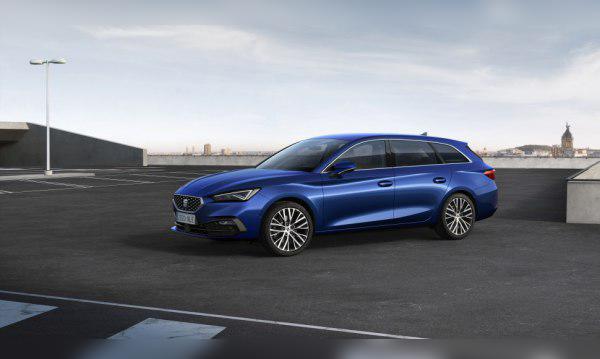
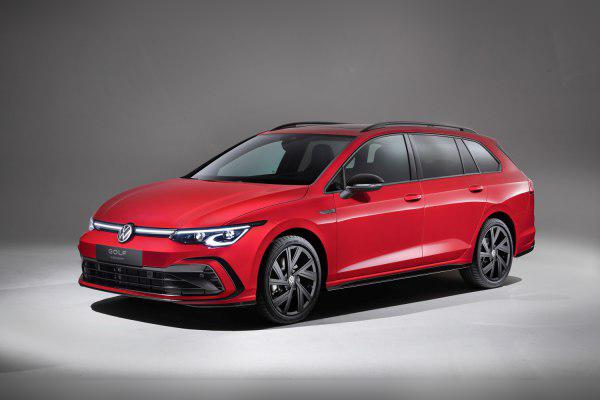
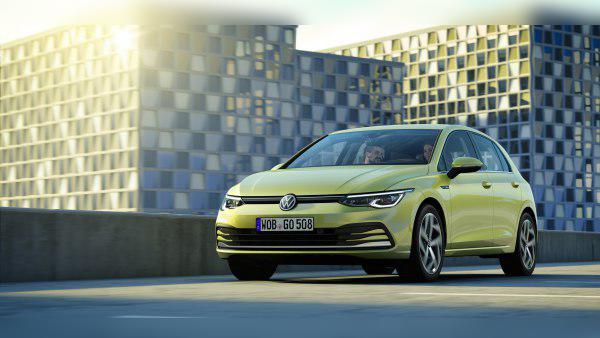
It can be found under the bonnet of popular models such as the VW Golf VIII (including Variant) and Seat Leon IV. Drivers often choose it as the golden middle ground – it offers enough power for safe overtaking, while registration and fuel costs remain moderate. It is important to note that this is a very advanced engine technologically, with a variable geometry turbocharger (VTG), something that until recently was reserved exclusively for diesel engines.
Technical specifications
| Parameter | Value |
|---|---|
| Displacement | 1498 cc (1.5 L) |
| Power | 96 kW (130 HP) |
| Torque | 200 Nm at 1400–4000 rpm |
| Engine code | DPBA |
| Injection type | Direct injection (TSI) |
| Charging | VTG Turbocharger (Variable geometry) + Intercooler |
| Cylinders / Valves | 4 / 16 (with ACT deactivation of 2 cylinders) |
Reliability and maintenance
Timing belt or chain?
Unlike older generations of TSI engines (EA111) that had problematic chains, the 1.5 TSI DPBA uses a timing belt. This is great news for owners. The belt is reinforced and designed to last a very long time. The factory recommendation is often optimistic (inspection at 240,000 km, with no strict replacement interval in some regions), but real‑world experience suggests otherwise.
It is recommended to perform the major service (replacement of belt, tensioner and water pump) no later than at 150,000 to 180,000 km or after 6–8 years of age, whichever comes first. Belt failure is rare, but the risk increases as the material ages.
Most common issues
The best‑known problem of this engine, especially in the first production years (2018–2020), is the so‑called "Kangaroo effect". The symptoms are unpleasant jerking and bouncing of the car when setting off from a standstill with a cold engine (first and second gear). This was most often resolved by updating the engine software (ECU update) at authorised service centres. Before buying, always test the car on a cold start.
Other potential issues include carbon build‑up on the intake valves (a characteristic of direct injection) and occasional pressure sensor faults.
Oil and oil consumption
This engine takes approximately 4.3 litres of oil. Due to its specific operation (Miller cycle, cylinder deactivation) and the presence of a GPF filter, it requires fully synthetic low‑viscosity oil, most commonly 0W-20 with the VW 508.00 / 509.00 specification. Do not experiment with thicker oils without consulting a specialist, as this can affect the operation of the VTG turbo and valve actuators.
As for oil consumption, modern TSI engines are significantly better than their predecessors. Consumption of up to 0.5 litres per 10,000 km is considered acceptable and normal, especially with more spirited driving. If the engine consumes more than 0.5 l per 1,000 km, this points to an issue with the piston rings or the turbocharger.
Spark plugs
The spark plugs are iridium and of high quality. The recommended replacement interval is usually at 60,000 km or 4 years. Do not postpone replacement, as a bad spark plug can damage the coil pack (which is expensive) or cause poor combustion that harms the catalytic converter and GPF filter.
Specific parts (Costs)
Dual mass flywheel
Yes, the 1.5 TSI DPBA (130 HP) is paired with a dual mass flywheel. Its role is to dampen engine vibrations, especially when running in two‑cylinder mode (ACT). Replacing the clutch kit together with the flywheel is a costly investment (it depends on the market, but expect a serious expense). Symptoms of failure include rattling when switching the engine off and on, or vibrations in the clutch pedal.
Turbocharger and injection
This engine uses a single turbocharger, but it is a technological gem – it features variable vane geometry (VTG). This provides excellent throttle response at low revs and efficiency at higher revs. However, a VTG turbo is very expensive to overhaul or replace. Its service life is long if the oil is changed regularly and the engine is not switched off immediately after hard driving.
The injection system operates at high pressure (up to 350 bar). The injectors are precise and generally durable, but sensitive to poor fuel quality. Injector failure manifests as rough running and illumination of the "Check Engine" light.
Emissions: GPF filter
The engine is equipped with a GPF (Gasoline Particulate Filter), which is the petrol equivalent of the DPF on diesels. Unlike diesels, the GPF regenerates (cleans) much more easily and quickly due to the higher exhaust gas temperatures of petrol engines. Clogging is rare, unless the car is driven exclusively on very short trips in winter. There is no AdBlue system – that is reserved for diesels.
Fuel consumption and performance
Real‑world fuel consumption
This is the strongest selling point of this engine. Thanks to the ACT system (it shuts down cylinders 2 and 3 when there is no load), fuel consumption is impressive:
- City driving: Expect between 6.5 and 8.0 l/100 km, depending on traffic and how heavy your right foot is.
- Open road: This is where it shines. It is possible to bring consumption down to 4.5–5.5 l/100 km with moderate driving.
- Motorway (130 km/h): Consumption is around 6.0–6.5 l/100 km.
Performance and driving feel
With 130 HP and 200 Nm, the engine is not "sluggish" for a Golf 8 or Leon 4 body, but it is not a sports engine either. Due to the Miller cycle, power delivery is linear and can sometimes feel a bit “flat”. At 130 km/h the engine runs at quite low revs (often below 2,500 rpm in top gear), which makes driving quiet and comfortable. It is ideal for normal family use, but if you are looking for a “pinned to the seat” feeling, look for a 2.0 TSI.
Additional options and modifications
LPG conversion
Installing LPG on the 1.5 TSI DPBA is technically complex and expensive. This is a direct‑injection engine. That requires either a system that injects a mixture of petrol and gas (to cool the petrol injectors) or an expensive liquid‑phase system that uses the factory injectors. Considering the engine’s low stock fuel consumption, the cost‑effectiveness of LPG conversion is questionable and the payback period is very long. It is not recommended.
Chip tuning (Stage 1)
The engine can be remapped. Stage 1 tunes usually raise power to about 150–160 HP and torque to around 250 Nm. However, caution is advised because the VTG turbo is already optimised for efficiency rather than maximum performance. Also, the clutch (especially with the manual gearbox) has its limits.
Gearbox
Gearbox options
Two options are most commonly paired with this engine:
- 6‑speed manual gearbox: Precise and easy to operate. The codes are usually from the MQ200 or MQ281 series.
- 7‑speed DSG (DQ200): Dual‑clutch automatic gearbox. This is the version with “dry” clutches.
Gearbox issues and maintenance
Manual gearbox: Very reliable. An oil change is recommended at around 150,000 km, even though the manufacturer often claims it is “lifetime filled”. Failures are rare and mostly related to the clutch kit and dual mass flywheel.
DSG (DQ200): This is a more sensitive point. Although improved compared to earlier versions, it is still more prone to mechatronics failures and premature clutch wear, especially in stop‑and‑go city driving. The cost of replacing the clutch kit and flywheel on a DSG is very high. The oil in the mechatronics and gearbox should be checked, and many specialists recommend changing it every 60,000–80,000 km for longevity, even though on the dry‑clutch version this is technically less demanding than on the wet one.
Buying used and conclusion
When buying a used Golf 8 or Leon with the DPBA engine, pay attention to:
- Cold start: The engine must run smoothly immediately after starting. Any jerking, misfiring or “hunting” revs indicates problems with software, injectors or carbon build‑up.
- Flywheel noise: Listen for metallic noises when switching the car on and off.
- Service history: Check whether the correct 0W-20 oil was used. The wrong oil can permanently damage the GPF and turbo.
Conclusion: The 1.5 TSI (130 HP) is an excellent, modern engine. It is aimed at drivers who value quietness, refinement and outstanding fuel economy rather than drag‑racing from the traffic lights. If the car has been regularly maintained, this is one of the best petrol options on the used C‑segment market.