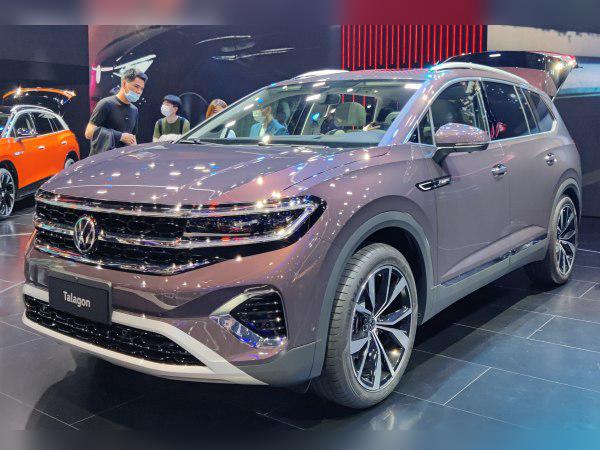
VW 2.5 TSI VR6 (DPK) – Experiences, problems, fuel consumption and buying tips
Key points (TL;DR)
- Engine with specific architecture: This is a modern VR6 engine with a turbocharger – powerful, compact, but mechanically complex.
- Timing chain drive: Uses a timing chain located at the rear of the engine (next to the gearbox), which makes any replacement very expensive (requires engine removal).
- Fuel consumption: Expect high fuel consumption in city driving considering the vehicle’s weight (Talagon) and engine power. This is not an economical engine.
- Sensitive to maintenance: Requires strict adherence to oil change intervals and high-quality fuel due to direct injection.
- DSG gearbox: Paired with the durable DQ501 gearbox, which requires regular oil service for the mechatronics to survive.
- Recommendation: An excellent choice for those who want performance and the VR6 sound in a large SUV, but be prepared for higher maintenance costs compared to the 2.0 TSI.
Contents
- Technical specifications
- Reliability and maintenance
- Specific parts and costs
- Fuel consumption and performance
- Additional options and modifications
- Gearbox (DSG)
- Buying used and conclusion
The engine with code DPK (part of the EA390 family) is an engineering gem that Volkswagen still keeps alive, primarily for markets such as China, Russia and the Middle East, but it can also be found in imported examples in Europe. It is a 2.5‑liter VR6 turbo petrol engine. Unlike classic V6 engines, the VR6 has a very narrow angle between the cylinders (only one cylinder head), which makes it compact. It is installed in massive SUVs such as the Volkswagen Talagon and Teramont. This is an engine for enthusiasts who find the 2.0 TSI "too ordinary" and want the linear power delivery that only a six‑cylinder can provide.
Technical specifications
| Specification | Data |
|---|---|
| Engine code | DPK / DDK (EA390 family) |
| Displacement | 2492 cc (2.5 L) |
| Configuration | VR6 (Turbocharged) |
| Power | 220 kW (299 hp) |
| Torque | 500 Nm |
| Injection type | TSI (Direct injection) |
| Charging | Single turbo (twin‑scroll) |
Reliability and maintenance
Timing system: chain or belt?
This engine uses a timing chain. As with most VR6 engines, the chain mechanism is located at the rear of the engine (between the engine and gearbox). This is crucial information for used‑car owners – if the chain starts to make noise (rattling on cold start) or stretches, replacement is extremely expensive and labor‑intensive because it requires removing the entire engine or separating the gearbox in a very tight space. Although modern chains are better than on the old 3.2/3.6 FSI engines, they are still not eternal.
Most common failures
In addition to potential chain stretching at higher mileage, DPK owners should pay attention to:
- Carbon buildup on intake valves: Due to direct injection, fuel does not "wash" the valves. Symptoms are rough idle and loss of power. Walnut‑shell blasting is recommended at around 100,000 km.
- Thermostat and water pump: Housings are often plastic and prone to cracking due to the high temperatures this turbo engine generates in the engine bay. Monitor coolant level.
- PCV valve (oil separator): If it fails, oil consumption can increase and the engine may produce a whistling sound (vacuum leak).
Major and minor service
The major service (chain replacement) has no fixed interval. It is done "based on condition", i.e. when rattling is heard or diagnostics report camshaft–crankshaft desynchronization. In practice, this usually happens after 150,000–200,000 km, although with regular oil changes it can last longer.
The minor service (oil and filter change) should be done at a maximum of 10,000 km or once a year. Factory intervals of 30,000 km (LongLife) are "death" for chains on VR6 engines.
Oil: quantity and consumption
This engine takes approximately 5.5 to 6 liters of oil (check precisely by VIN, as the oil pan can differ on the Talagon). The recommended grade is usually 0W‑20 (VW 508.00) for newer models for emissions reasons, or 5W‑30 (VW 504.00) for warmer climates and better protection. Oil consumption up to 0.5 liters per 1,000 km is considered "normal" by factory standards, but in practice a healthy engine should not consume more than 1 L between services (over 10,000 km). If it consumes more, check the piston rings or turbo.
Spark plugs and injectors
Spark plugs are replaced every 60,000 km. If the car is tuned, reduce the interval to 30,000 km. The injectors are piezoelectric direct‑injection units. They are generally durable but sensitive to poor fuel quality. Injector failure manifests as fuel "dripping" into the cylinder, which can wash away the oil film and destroy the engine.
Specific parts (costs)
Dual‑mass flywheel
Yes, this engine is paired with a DSG gearbox and has a dual‑mass flywheel. Given the high torque of 500 Nm, the flywheel is under heavy load. Failure symptoms are metallic noise when switching the engine off or vibrations at idle. Replacement cost is high (depends on the market, but expect a premium price for the part).
Turbocharger
The engine uses a single large twin‑scroll turbocharger. With proper maintenance (regular oil changes, cooldown after spirited driving), the turbo’s lifespan is usually equal to the engine’s. Rebuild is possible, but a new OEM unit is very expensive.
Emissions: DPF/GPF and EGR
Since it is a petrol engine, there is no DPF, but newer models (Euro 6d) have a GPF (Gasoline Particulate Filter) or OPF. It rarely clogs unless the car is driven exclusively on short trips when cold. There is no AdBlue system on this engine – that’s reserved for diesels.
Fuel consumption and performance
Real‑world fuel consumption
Do not trust the factory figures. The VW Talagon is a huge vehicle.
- City driving: Expect 13 to 16 L/100 km. In heavy traffic it can go even higher.
- Highway: With calm driving it can drop to around 9–10 L/100 km.
Is the engine "lazy"?
Absolutely not. With 299 hp and 500 Nm available from low revs, this engine moves the Talagon’s body with ease. Acceleration is convincing and in‑gear performance is excellent. It is not a sports car, but it is far from sluggish. The sense of power is present at all times.
Highway driving
This is the natural habitat of this vehicle. Thanks to the 7‑speed DSG gearbox, at 130 km/h the engine spins at relatively low revs (around 2,000–2,200 rpm), which ensures a quiet cabin and effortless cruising. The V6 sound under acceleration is pleasant and deep.
Additional options and modifications
LPG conversion
Installing LPG on this engine is complicated and expensive. It is a direct‑injection engine, which requires a specific system (liquid‑phase or a system that uses both petrol and LPG at the same time). Installation costs over 1000–1500 EUR (depending on the market). Considering the complexity and potential issues with injectors and cylinder‑head overheating, it is not recommended unless you cover extreme mileage.
Chiptuning (Stage 1)
VR6 turbo engines have huge potential. A safe Stage 1 remap can raise power to around 340–350 hp and torque to about 580–600 Nm. However, keep in mind that the stock 500 Nm is already close to the long‑term reliability limit for some drivetrain components, so be cautious.
Gearbox
Gearbox type
In the VW Talagon this engine comes exclusively with a DSG dual‑clutch automatic gearbox. It is most commonly the DQ501 model (an improved version of the DQ500), designed for high torque and all‑wheel drive (4MOTION). A manual gearbox is not an option.
Gearbox issues and maintenance
This is a "wet" DSG gearbox, which means the clutch packs run in oil.
- Most common failures: Mechatronics failure (gearbox computer and valves) due to overheating or old oil. Oil leaks at driveshaft seals.
- Service interval: DSG oil and filter must be changed every 60,000 km (no exceptions). This gearbox takes about 6–7 liters of special DSG oil.
- Clutch replacement: The clutch pack (friction plates) is a wear item. It usually lasts over 200,000 km with normal driving, but stop‑and‑go city driving wears it out faster. Replacement is expensive (similar to overhauling a conventional automatic gearbox).
Buying used and conclusion
When buying a used Talagon with the DPK engine, pay attention to the following:
- Cold start: Listen to the engine when it is completely cold. Any rattling that lasts longer than 2–3 seconds indicates a problem with the chain or tensioners.
- Signs of leaks: Check the joint between engine and gearbox (crankshaft rear main seal) and the thermostat housing.
- Gearbox behavior: The DSG should shift imperceptibly. Any thump when shifting from N to D or R is a sign of trouble.
Conclusion
The 2.5 TSI VR6 (DPK) engine is an exotic option that offers a fantastic blend of power and refinement. It is not cheap to maintain – it uses a lot of fuel, registration is more expensive (in countries where displacement matters), and potential chain or gearbox failures can be a serious financial hit. Still, for those who want a powerful SUV that is not a diesel, and offers performance and sound that put a smile on your face, this is one of the best options the VW Group offers.