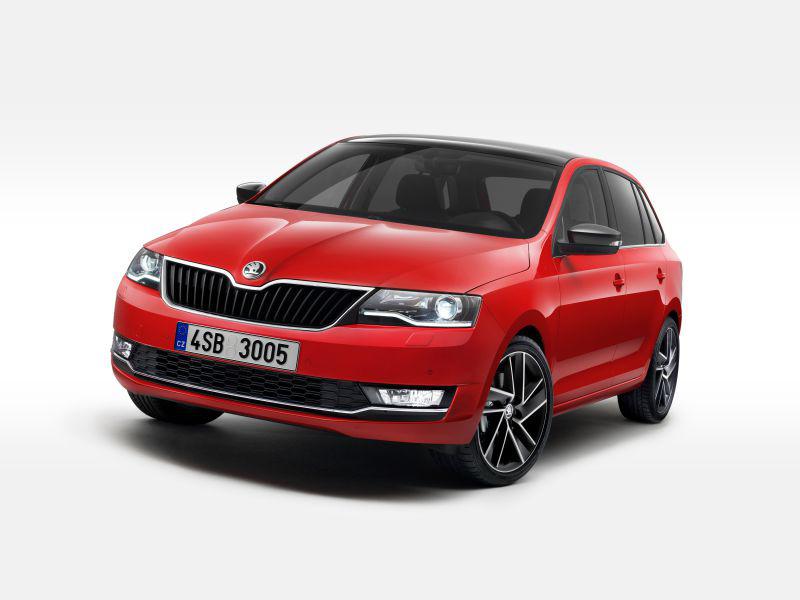
1.0 TSI / TFSI (EA211 CHZB) 95 HP – Experiences, problems, fuel consumption and used car buying tips
Key points (TL;DR)
- Timing belt instead of chain: The problematic chains from older generations are gone; the timing system is now more reliable.
- Performance and fuel consumption: Extremely lively engine in city driving with low fuel consumption; ideal for lighter bodies such as the Audi A1 and Škoda Fabia.
- No dual-mass flywheel (manual): Versions with a manual gearbox usually don’t have a dual-mass flywheel, which reduces maintenance costs.
- Caution with automatic gearbox: Paired with the 7-speed DSG (S tronic) gearbox (dry clutches), it requires careful inspection due to potentially expensive failures.
- Maintenance: Regular oil and spark plug changes are crucial; direct injection brings a mild risk of carbon buildup on the valves.
- LPG conversion: Not cost-effective due to the direct fuel injection system.
Contents
- Introduction: About the EA211 CHZB engine
- Technical specifications
- Reliability and maintenance
- Specific parts (costs)
- Fuel consumption and performance
- Additional options and modifications
- Gearbox
- Buying used and conclusion
Introduction: About the EA211 CHZB engine
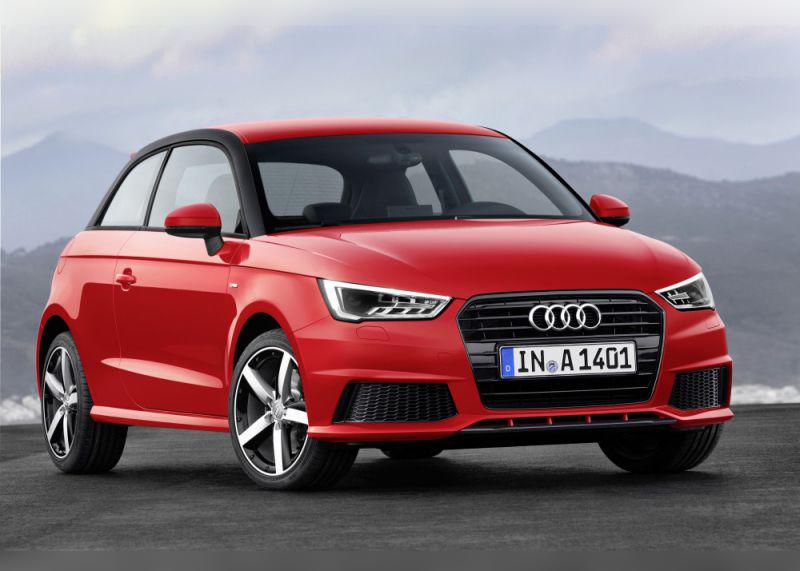
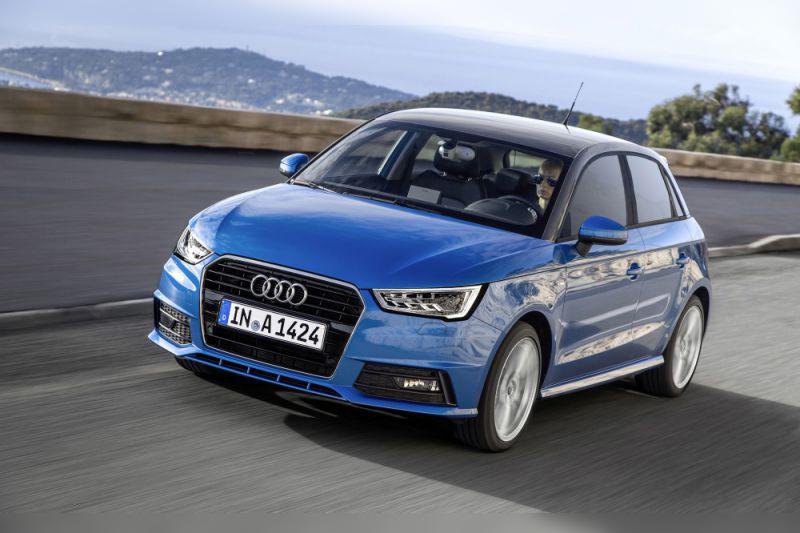
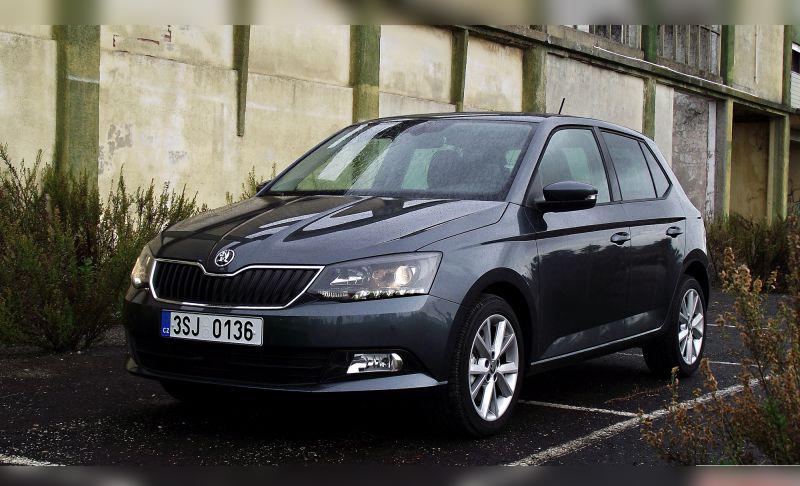
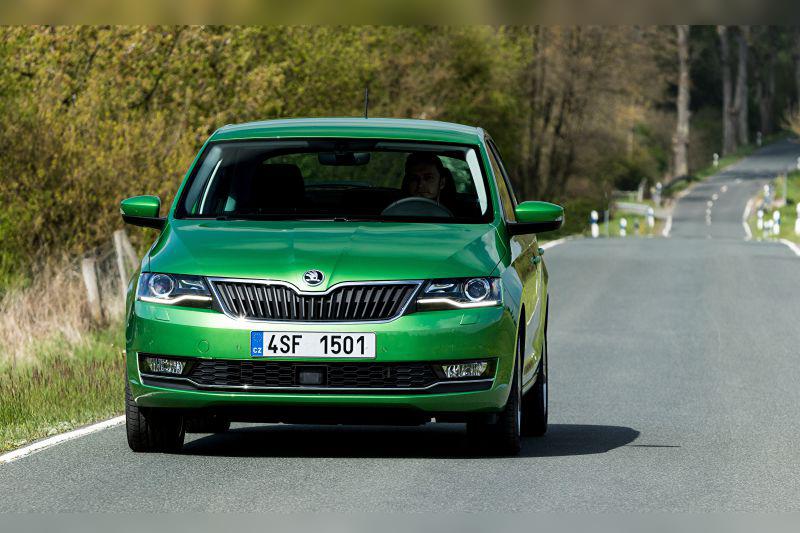
The engine with the code CHZB belongs to the modern EA211 generation of power units from the Volkswagen Group. This small three-cylinder 1.0-liter turbo petrol engine was created as a direct response to the need to reduce exhaust emissions and fuel consumption, replacing the popular but sometimes problematic 1.2 TSI engines. With its 95 horsepower, it was mostly installed in B-segment cars (Audi A1, Škoda Fabia) and compact sedans (Škoda Rapid). Although many people turn away at the mention of “three cylinders”, in practice this engine has proven to be a mature piece of engineering, drastically more reliable than its predecessors.
Technical specifications
| Characteristic | Data |
|---|---|
| Engine displacement | 999 cc (1.0 L) |
| Power | 70 kW (95 HP) |
| Torque | 160 Nm |
| Engine code | EA211 / CHZB |
| Injection type | Direct injection (TSI / TFSI) |
| Charging | Turbocharger, intercooler |
Reliability and maintenance
Timing belt instead of chain
Unlike the older EA111 engines that plagued owners with chain stretching and snapping, the EA211 series uses a timing belt running in oil mist or a dry belt (depending on the exact sub-variant and revision). This has completely eliminated the issue of the timing jumping teeth. The engine runs quieter and lasts longer.
Most common failures
This engine has no catastrophic inherent flaws. Failures are mostly related to the specifics of direct injection technology. The most common issue is carbon buildup on the intake valves, since petrol does not wash them. Symptoms include rough idle, hesitation under acceleration and loss of power. It is solved by decarbonization or cleaning the intake manifold. In addition, there is occasional coolant pump leakage, as well as rattling of the wastegate actuator rod on the turbo during cold start (often only a cosmetic noise issue, without impact on performance).
Major and minor service
The manufacturer often states that the major service (replacement of timing belt, tensioner, rollers and water pump) should be done at 210,000 km. However, real-world practice and workshop experience suggest doing it earlier – the recommendation is at around 120,000 km or every 6 to 7 years, due to belt material aging. Minor service should be done at a maximum of every 15,000 km or once a year.
Engine oil
The CHZB engine takes about 4.0 liters of oil. Fully synthetic oil is recommended, most commonly 5W-30 (VW 504.00 spec) or the newer, thinner 0W-20 (VW 508.00 spec) for maximum efficiency. Oil consumption is generally low. It is completely normal for the engine to consume around 0.5 to 1 liter of oil between services (over 10,000 km). If it consumes more, the problem usually lies in the turbo seals or oil control rings (which is rare at lower mileage).
Spark plugs and ignition
Since this is a highly stressed small turbocharged petrol engine, a strong spark is crucial. Spark plugs must be replaced every 60,000 km. If you exceed this interval, you risk coil pack failure, which results in loss of power, the engine running on two cylinders and the Check Engine light coming on in the instrument cluster.
Specific parts (costs)
Dual-mass flywheel and clutch
Good news for buyers of versions with a manual gearbox: the 1.0 TSI (95 HP) mostly uses a solid (single-mass) flywheel. This makes clutch replacement significantly cheaper compared to more powerful engines. However, versions with the automatic DSG / S tronic gearbox have a complex dual-clutch assembly, whose overhaul is expensive (depends on the market).
Injection system and injectors
The engine uses TSI (TFSI) high-pressure direct injection technology. The injectors are reliable, but very sensitive to poor fuel quality. Symptoms of dirty injectors include harder starting and increased fuel consumption. Injector replacement is not common, but if it is needed, the cost ranges from moderate to high (depends on the market).
Turbocharger
The engine has a small single turbocharger integrated into the exhaust manifold, most often made by BorgWarner. Since it is small, throttle response is quick (minimal turbo lag). The turbo’s lifespan is excellent, often exceeding 200,000 km, provided that the oil is changed on time and the engine is not switched off abruptly after aggressive driving (let the engine idle for a few dozen seconds so the oil can cool the turbo bearings).
Emission control systems (EGR, DPF, AdBlue)
This engine does not have a classic DPF filter nor an AdBlue system (those are reserved exclusively for diesel engines). Newer Euro 6d versions may have a GPF/OPF (Gasoline Particulate Filter), but these very rarely fail or clog because petrol engines run at higher temperatures than diesels, so regeneration happens imperceptibly while driving. A classic EGR valve is avoided; instead, exhaust gas recirculation is controlled by valve timing overlap (VVT system), which is one less thing for the owner to worry about.
Fuel consumption and performance
Real-world city consumption
For city driving, this engine is a champion. In real conditions, urban fuel consumption ranges between 6.0 and 7.5 l/100 km, depending on how heavy your right foot is and on traffic congestion. Compared to older naturally aspirated engines of similar displacement, it is significantly more efficient and offers more low-end power.
Is the engine “sluggish”?
On the contrary. Maximum torque of 160 Nm is available from as low as 1,500 rpm. This means the engine pulls very well from low revs, without the need to rev it into the red. In models like the Audi A1 or Škoda Fabia, the engine feels quite lively and more than adequate. In the Škoda Rapid, which is longer and heavier, you can feel a slight lack of breath when the car is fully loaded with passengers and luggage, but for everyday average use, performance is more than acceptable.
Highway driving
At 130 km/h with the 5-speed manual gearbox, the crankshaft spins at around 2,800 to 3,000 rpm. The engine is not excessively loud, sound insulation in newer VAG models is good, but you will notice slightly higher fuel consumption (around 6.5–7 l/100 km) due to aerodynamics and the fact that three cylinders have to work a bit harder at those speeds. It’s not a “left-lane mile-eater”, but it maintains cruising speed without any problem.
Additional options and modifications
LPG conversion
Is this engine suitable for LPG? The short answer is: NO. Due to TSI technology, LPG systems are very complex and expensive. They must constantly inject a certain amount of petrol as well, to cool the tips of the petrol injectors that are located directly in the combustion chamber. The cost-effectiveness of such a conversion on an engine with such low fuel consumption is minimal.
Chiptuning (Stage 1 remap)
This 95 HP CHZB engine is mechanically almost identical to the more powerful 110/115 HP version, with power mostly limited electronically. With a software remap (Stage 1), this engine can be safely raised to around 115 to 125 HP and about 200 Nm of torque. The engine block and turbo handle this very well, but keep in mind that the 95 HP version often comes with a 5-speed manual gearbox whose torque limit is lower than that of 6-speed transmissions, so you shouldn’t go overboard with the tuner’s settings.
Gearbox
Types of gearboxes
This engine is most commonly paired with a 5-speed manual gearbox (MQ200) or an optional 7-speed automatic DSG gearbox (S tronic in Audi) with dry clutches (DQ200).
Gearbox failures and maintenance
The manual gearbox is extremely reliable and precise. The only rare issue can be bearing whine on the input shaft at higher mileage. The clutch kit for this version is not expensive (depends on the market).
The automatic DSG (DQ200) requires significantly more caution. It is designed with dry clutches that wear out faster in stop-and-go city traffic. Symptoms of worn clutches include jerking when shifting from first to second gear, or hesitation when setting off. In addition, the mechatronic unit (the gearbox brain) can fail, causing the car to lose all gears. Repairing the mechatronic unit and replacing the dual clutch is a very costly job (depends on the market).
Gearbox service
Although the manufacturer often states that the oil in the manual gearbox is “lifetime”, every good mechanic will recommend changing the gearbox oil at around 100,000 km. As for the DSG gearbox with dry clutches, the oil in the mechanical gear section and the fluid in the mechatronic unit should be preventively refreshed at around 60,000 km to extend the system’s lifespan.
Buying used and conclusion
What to check before buying?
- Cold start: Ask the seller to keep the car completely cold. Listen to whether the engine “rattles” for the first few seconds. Slight ticking from the injectors is normal, but a loud metallic noise may indicate damage or an issue with the turbo actuator.
- Idle: A 3-cylinder engine has a specific vibration, but once at operating temperature you should not feel excessive shaking in the cabin. If it shakes at idle, the engine may be full of carbon deposits or the spark plugs/coils are near the end of their life.
- Test drive with automatic gearbox: If you are buying a DSG/S tronic, put it in D, release the brake and check whether the car starts moving smoothly, without jerks. Accelerate gently – shifts between first, second and third gear must be perfectly seamless.
- Diagnostic check: Always check turbo pressure parameters, misfires (ignition misses on cylinders) and the condition of the chain/belt via the camshaft synchronization angle.
Who is this engine for?
The 1.0 TSI / TFSI (95 HP) CHZB is an excellent choice for city drivers and everyday “point A to point B” use. If you are looking for a rational car with low city fuel consumption, cheap registration and surprisingly brisk performance for this vehicle class – this is the right thing. It has avoided the “childhood diseases” of early TSI engines and is now considered one of the most reliable small turbo petrol engines on the market. The recommendation is to stick with the manual gearbox if you have a limited maintenance budget, because DSG brings comfort, but also potentially heavy hits to your wallet.