1.0 TSI (EA211 evo2) 116 HP – Experiences, Problems, Fuel Consumption and Buying Guide
Key points (TL;DR)
- Modern and efficient: This is the "evo2" generation that uses the Miller cycle and a VTG turbo (variable geometry), which is rare for small petrol engines but provides excellent throttle response.
- Timing belt: Unlike older TSI engines, this one uses a belt that is very durable, but it still needs to be checked.
- Three cylinders: It has a characteristic sound ("snorting"), but cabin vibration is minimal thanks to good engine mounts and a dual-mass flywheel.
- GPF filter: It has a gasoline particulate filter. It is not as problematic as a DPF on diesels, but it does require occasional highway driving.
- Sensitivity: It requires high-quality oil (0W-20) and regular spark plug changes. It is sensitive to poor fuel quality due to the high injection pressure.
- DSG gearbox: If you choose an automatic, it is the DQ200 with a "dry" clutch – great to drive, but more expensive to maintain in heavy city traffic.
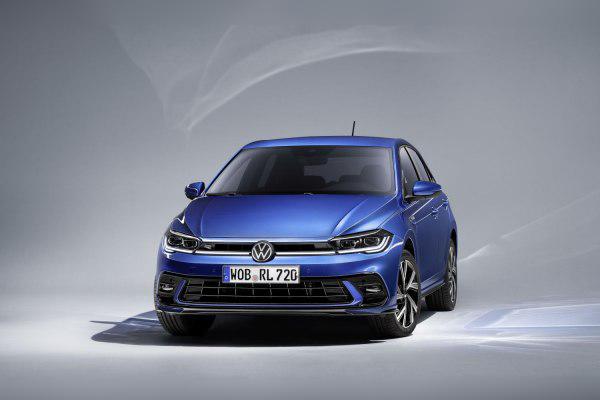
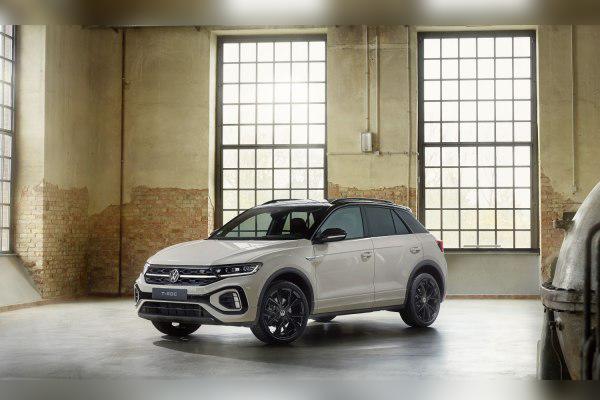
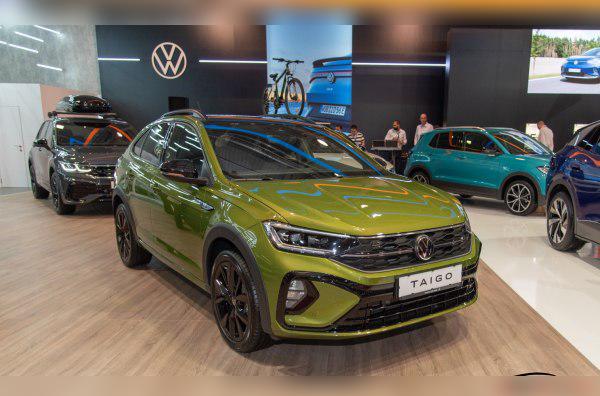
- Recommendation: An excellent choice for the Polo and Taigo, and perfectly acceptable for the T-Roc.
Contents
- Introduction and applications
- Technical specifications
- Reliability and maintenance
- Specific parts and costs
- Fuel consumption and performance
- Additional options and modifications
- Gearbox (manual and DSG)
- Used car buying tips and conclusion
Introduction: Why is the EA211 evo2 important?
The 1.0 TSI evo2 engine with 116 horsepower (code DLAA or similar, depending on the market) represents the latest evolution of Volkswagen’s small-displacement turbo petrol engines. It is installed in facelifted versions of the Polo, T-Roc and the Taigo model from 2021/2022 onwards.
The main difference compared to the previous 110 HP or 115 HP versions is the use of the Miller combustion cycle and a VTG turbocharger (with variable geometry). These technical upgrades allow the engine to meet strict Euro 6d-ISC-FCM (and newer) standards, reduce fuel consumption, and at the same time maintain or even improve low-end torque. Although many people are skeptical about 999 cc in SUV models such as the T-Roc, real-world use shows that this is a surprisingly tough little engine.
Technical specifications
| Characteristic | Data |
|---|---|
| Displacement | 999 cc (3 cylinders) |
| Power | 85 kW (116 HP) |
| Torque | 200 Nm at 2000–3500 rpm |
| Engine codes | DLAA, DLA (EA211 evo2 series) |
| Injection type | Direct injection (TSI), up to 350 bar |
| Charging | VTG turbocharger + intercooler |
Reliability and maintenance
Belt or chain?
This engine (EA211 evo2) uses a timing belt for the valvetrain. This is a big advantage over older generations (EA111) which had problematic chains. The belt is reinforced and designed to last a long time, and the engine runs more quietly.
Most common failures
Although the engine is relatively new, based on experience with the EA211 series, here is what you can expect:
- Carbon buildup on intake valves: Due to direct injection, fuel does not wash over the valves. Over time, deposits form that can cause rough idle or power loss at higher mileages.
- VTG turbo actuator: The mechanism that moves the variable-geometry vanes can stick, or the electronic actuator can fail, which leads to the engine going into "safe mode" (loss of power).
- Water pump: The thermostat and water pump housing are often an integrated module that can start leaking. Keep an eye on coolant level.
Major service
The manufacturer often states that the belt is designed for the entire service life of the engine or inspection at 210,000 km. However, experienced mechanics recommend replacing the timing kit (belt, tensioners, water pump) at around 150,000 to 180,000 km or at the latest after 10 years of age, whichever comes first. Do not risk a snapped belt.
Oil and oil consumption
The engine takes approximately 4.0 liters of oil. Because of the "evo2" technology and tight tolerances, grade 0W-20 (VW 508.00 / 509.00 specification) is strictly recommended. This thin oil is crucial for reducing friction and cooling the turbo.
Oil consumption: Modern TSI engines consume a small amount of oil, but it should not exceed 0.5 L per 10,000 km on a healthy engine. If you have to top up a liter every 2–3 thousand kilometers, this points to a problem with the piston rings or turbo, which is not normal at low mileage.
Spark plugs
The spark plugs are iridium or platinum and the replacement interval is usually 60,000 km or 4 years. Do not postpone replacement, because a bad spark plug can damage the coil (which sits directly on the plug) or cause poor combustion that harms the catalytic converter and GPF filter.
Specific parts (costs)
Dual-mass flywheel
Yes, the 116 HP (and 200 Nm) version normally has a dual-mass flywheel (DMF). This is necessary to absorb the vibrations of the three-cylinder engine and protect the gearbox from torque shocks. Replacement is expensive (depends on the market, but think in terms of "costly"), yet a dual-mass flywheel on petrol engines usually lasts significantly longer than on diesels because the vibrations are less brutal.
Fuel injection system
It uses high-pressure direct injection (up to 350 bar). The injectors are piezo-electric and generally reliable, but extremely sensitive to poor fuel quality. Failure of a single injector is not cheap. Symptoms include jerking while driving and a lit "check engine" light.
Turbocharger
The engine has a single turbocharger with variable geometry (VTG). This is technology borrowed from diesel and Porsche engines. It allows the engine to pull very well even from 1500 rpm. With regular oil changes, the service life is over 200,000 km. Overhauling a VTG turbo is more expensive and more complicated than a regular wastegate turbo.
EGR and GPF (DPF for petrol)
This engine has a GPF (Gasoline Particulate Filter) which works similarly to a DPF on diesels, but regenerates much more easily (it heats up faster because petrol exhaust gases are hotter). Clogging is rare, unless the car is driven only 2 km a day in winter. There is an EGR valve and it can get sooted up, but this is solved by cleaning.
AdBlue
No. This is a petrol engine and it does not use AdBlue fluid. AdBlue is reserved exclusively for modern diesel engines.
Fuel consumption and performance
City driving
Real-world city fuel consumption strongly depends on the model:
- VW Polo: 6.0 – 7.0 l/100 km.
- VW Taigo / T-Roc: 7.0 – 8.5 l/100 km (due to higher weight and worse aerodynamics).
If you have a heavy right foot, in traffic jams the T-Roc can exceed 9 liters.
Is the engine "lazy"?
Absolutely not. With 200 Nm of torque available from just 2000 rpm, the engine is surprisingly lively. In the Polo it even feels sporty. In the T-Roc and Taigo it is perfectly adequate for normal driving. You will not have problems overtaking on country roads, but do not expect miracles if the car is fully loaded with passengers and luggage on an uphill stretch.
Motorway
On the motorway the engine behaves civilised. Thanks to the 6-speed manual or 7-speed DSG gearbox, at 130 km/h the engine spins at around 2600–2800 rpm (depending on the gearbox). This means cabin noise is acceptable and fuel consumption is around 5.8 to 6.5 l/100 km. Top speed is about 190–200 km/h, but above 150 km/h fuel consumption rises sharply.
Additional options and modifications
LPG conversion
Technically possible, but often not economically viable. Due to direct injection, an expensive system is required (liquid injection system or a system that uses a petrol–LPG mix to cool the injectors). Given the low petrol consumption, the payback period is very long (over 40–50,000 km). Not recommended except for taxi use.
Chiptuning (Stage 1)
The EA211 evo2 has potential. A safe "Stage 1" remap raises power to about 135–140 HP and torque to 230–240 Nm. However, be careful: the power increase puts additional stress on the turbo and dual-mass flywheel. If the car is under warranty, remapping will immediately void it.
Gearbox
Types of gearboxes
- Manual: 6-speed gearbox (MQ200 family). Precise and easy to operate.
- Automatic: 7-speed DSG dual-clutch gearbox (DQ200).
Gearbox issues
Manual: Very reliable. Occasional bearing issues in the gearbox at high mileage. The clutch kit (pressure plate, disc, release bearing) is replaced depending on driving style and usually lasts over 150,000 km.
DSG (DQ200): This is a gearbox with a "dry" clutch. Although it has been drastically improved compared to pre-2015 versions, it is still more sensitive than "wet" DSG gearboxes.
Most common failures: Wear of the clutch pack (symptoms: slipping or jerking when moving off) and mechatronic unit failure (the gearbox control unit).
Maintenance: VW says the oil in the DQ200 is "lifetime", but service recommendations are to change the oil in the gearbox (even though there is little of it, about 1.7 L) and in the mechatronic unit every 60,000–80,000 km to extend its life.
Clutch replacement cost
Replacing the clutch kit on a manual gearbox is a moderate expense. On a DSG gearbox, replacing the clutch pack is a very expensive job that requires special tools and software recalibration.
Buying used and conclusion
What to check before buying?
- Cold start: The engine should start immediately and stabilise its idle quickly. Chain-like noise (even though it has a belt, the pumps and cam phasers make noise) must not be metallic and rattling for longer than 2–3 seconds.
- Vibrations: At idle there should be no excessive vibration in the steering wheel. If there is, the engine mounts or dual-mass flywheel may be worn.
- Test drive: Accelerate hard in a high gear from low revs. If the car hesitates ("stumbles"), the spark plugs may be bad, injectors dirty, or the turbo actuator faulty.
- DSG check: The gearbox must engage smoothly, without jolts, especially when manoeuvring back and forth while parking.
Conclusion
The 1.0 TSI (116 HP) evo2 engine is currently one of the best small petrol engines on the market. From an engineering standpoint it is very advanced. It offers an excellent balance between performance and efficiency.
Who is it for? It is ideal for drivers who spend about 70% of their time in city and suburban driving and 30% on open roads. In the Polo it provides a sporty feel, while in the T-Roc and Taigo it is a rational choice that will meet the needs of an average family without high fuel costs.