Experiences, Issues, Fuel Consumption and Used Car Buying Guide: 1.4 TDI EA288 (CUSB) 90 HP Engine
1. The most important in short (TL;DR)
- Three cylinders: This engine has a specific, slightly rougher sound and more noticeable vibrations at idle compared to its four-cylinder relatives.
- Timing belt: The valve timing is driven by a belt, but the biggest weakness of this system is the water pump, which is prone to coolant leaks.
- Fuel economy: The main trump card of this engine. Fuel consumption is extremely low, both in the city and on open roads.
- EGR and DPF sensitivity: Due to the absence of an AdBlue system, the EGR valve and DPF filter are under higher stress and get dirty quickly if the car is driven exclusively in city traffic.
- DSG gearbox: Versions with an automatic gearbox use the DQ200 with dry clutches, which requires careful inspection before buying used.
2. Contents
- Introduction: About the engine and its applications
- Technical specifications
- Reliability and maintenance
- Specific parts and costs
- Fuel consumption and performance
- Additional options and modifications
- Gearbox and drivetrain
- Buying used and conclusion
3. Introduction
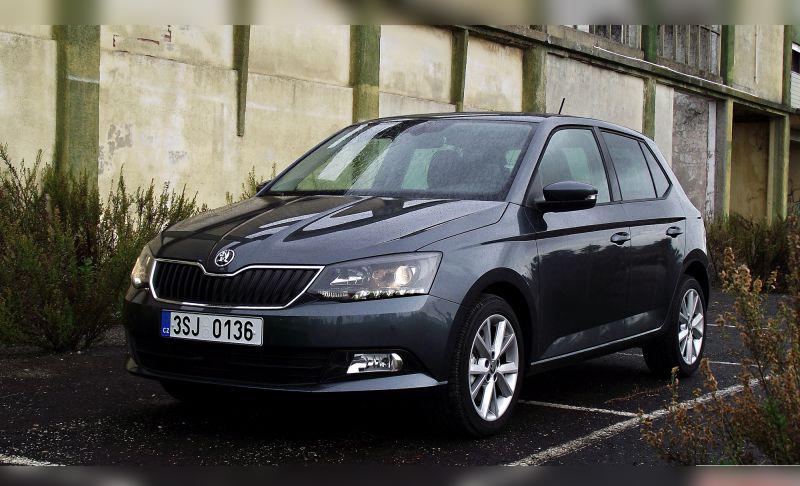
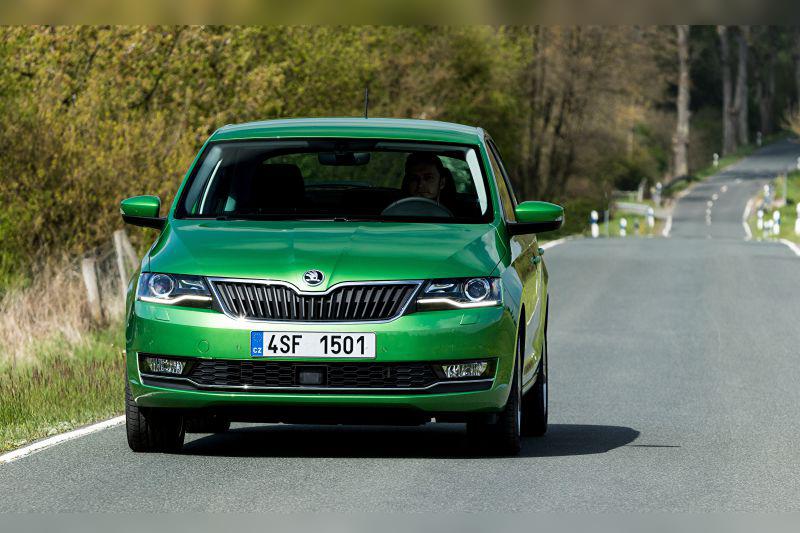
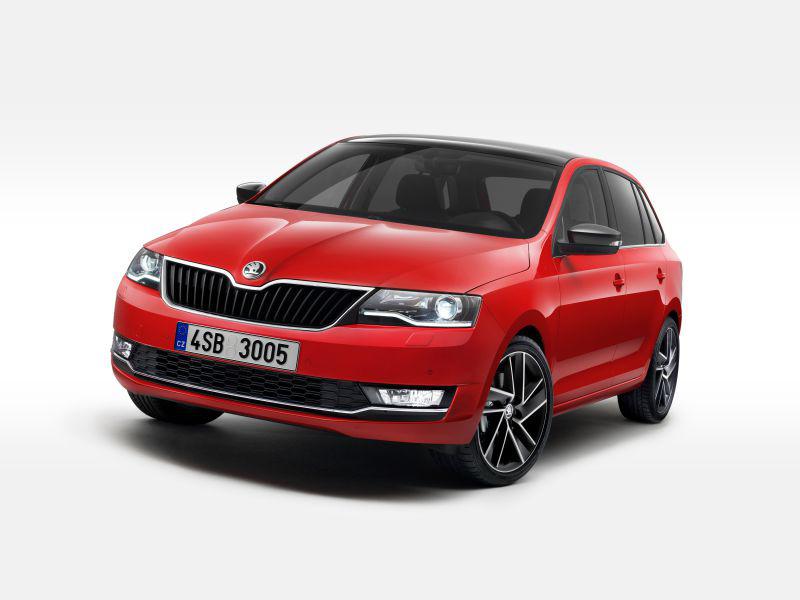
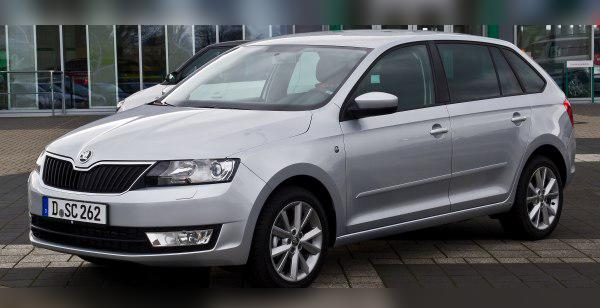
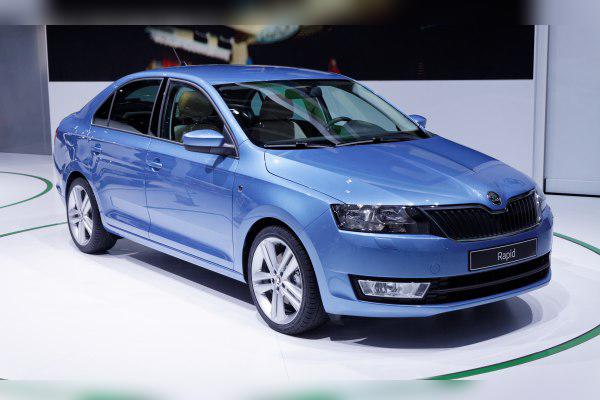
The 1.4 TDI engine from the EA288 family (often marked as CUSB) was developed as a response to strict Euro 6 emission standards. With this three-cylinder unit, the Volkswagen Group replaced the older 1.2 TDI and 1.6 TDI engines in its smaller vehicles. This engine is most commonly found under the bonnet of models such as the Škoda Fabia III and Škoda Rapid. Its primary goal is maximum fuel savings with adequate power for everyday needs. However, removing one cylinder brought certain compromises in terms of refinement and smoothness of operation, and there are a few key things you should know about the modern emission control systems that accompany it before deciding to buy.
4. Technical Specifications
| Characteristic | Data |
|---|---|
| Engine displacement | 1422 cc |
| Power output | 66 kW (90 HP) |
| Torque | 230 Nm |
| Engine codes | CUSB |
| Injection type | Common Rail (Direct) |
| Charging type | Turbocharger (VGT) with intercooler |
5. Reliability and Maintenance
Timing belt or chain?
This engine uses a timing belt for valve timing. The belt system itself is quite robust, but the part that requires attention is the water pump. On EA288 engines, the water pump is often electronically controlled and tends to start leaking or have its flap stick. The symptoms are loss of coolant (antifreeze) or engine temperature fluctuations above 90 °C. If you notice these symptoms, you must react quickly to avoid overheating the engine.
Most common failures
Besides the aforementioned water pump, the most common issues are related to the emission control systems. Due to its specific design, the DPF filter often clogs with soot more quickly if the car is used mainly for short city trips. The engine mounts are also prone to faster wear, as they have to absorb the vibrations of the three-cylinder layout. Signs that the mounts need replacing are strong vibrations in the cabin, especially when starting up and shutting down the engine.
Major and minor service
The factory recommendation for timing belt replacement is an optimistic 210,000 km, but any experienced mechanic will tell you that the major service should be done at 120,000 to 150,000 km at the latest, or every 5 to 7 years. For minor service (oil and filters), an interval of a maximum of 15,000 km or once a year is recommended.
The engine takes about 4.0 to 4.2 liters of oil, and it is absolutely mandatory to use fully synthetic oil of grade 5W-30 that meets the VW 507.00 (Low SAPS) specification, so you don’t destroy the DPF filter. Some oil consumption between services is present, but up to 0.5 liters per 10,000 km is considered completely normal and acceptable for this engine.
Injector lifespan
The injectors (Common Rail) have proven to be very solid. They usually last over 200,000 km without major issues, provided that quality diesel fuel is used and the fuel filter is changed regularly. If a failure does occur (most often due to poor fuel), symptoms include very rough and unstable idle, a noticeable loss of power, jerking while driving, and black or grayish smoke from the exhaust, along with frequent DPF regenerations. Injector overhaul falls into the category: expensive (Depends on the market).
6. Specific Parts and Costs
Dual-mass flywheel
Whether this engine has a dual-mass flywheel depends on the type of gearbox. Versions paired with a five-speed manual gearbox most often have a solid flywheel (especially in lighter cars such as the Fabia), while models with a DSG automatic gearbox always come with a dual-mass flywheel. Replacing the dual-mass flywheel on these models is: expensive (Depends on the market).
Turbocharger
The engine has a single turbocharger with variable geometry (VGT). The turbo’s lifespan is excellent and easily exceeds 250,000 km if the engine is serviced regularly with the correct oil and if the driver does not switch off a hot engine immediately after hard driving. Geometry failures are rare unless you constantly “lug” the engine by driving at very low revs.
DPF, EGR and AdBlue system
This engine of course has a DPF filter and an EGR valve, but it DOES NOT have an AdBlue system. To meet Euro 6 standards without using urea (AdBlue), Volkswagen used a NOx catalyst in combination with increased EGR valve operation. The result? The owner has no obligation or cost of topping up AdBlue fluid, but the EGR valve is under enormous stress. Over time it becomes clogged with tar and soot. Symptoms of a clogged EGR are jerking, the “Check Engine” light coming on, and the car going into “Safe Mode”. Replacing the entire EGR valve module is: very expensive (Depends on the market).
7. Fuel Consumption and Performance
Real-world fuel consumption
This is where the EA288 1.4 TDI really shines. In city driving conditions, fuel consumption is around 5.0 to 5.5 l/100km. On open roads it can easily drop to an incredible 3.8 to 4.2 l/100km.
Performance and “sluggishness”
Thanks to 230 Nm of torque, the engine is not sluggish at all in the light Škoda Fabia – on the contrary, it is quite agile for city and country-road driving. However, in the Škoda Rapid, especially when the car is loaded with passengers and luggage, you will feel a lack of power on climbs and that it “runs out of breath” at higher revs. There is a slight “turbo lag” below 1600 rpm, typical for three-cylinder engines.
Behavior on the motorway
On the motorway, the engine cruises quite comfortably at 130 km/h. The revs are then around 2500 rpm (depending on the gearbox). What may bother you is the noise – sound insulation in the Fabia and Rapid is not at a premium level, so the sharp sound of the three-cylinder diesel, combined with wind noise, becomes noticeable on longer journeys.
8. Additional Options and Modifications
Remapping (Stage 1)
Does it make sense to do a remap (Stage 1) on the 1.4 TDI engine? The answer is yes, especially if you drive it in a larger vehicle like the Rapid. This engine can safely be remapped to 115 to 120 HP, with torque increased to around 270 to 280 Nm. Driving becomes much smoother, overtaking safer, and if driven sensibly, fuel consumption can even drop slightly. Still, keep in mind that the increased torque puts additional stress on the clutch and, if fitted, the DSG gearbox.
9. Gearbox
Manual and automatic gearboxes
With this engine, a 5-speed manual gearbox and a 7-speed DSG automatic (the well-known DQ200 model with dry clutches) were installed.
Most common gearbox failures
The manual gearbox is mechanically almost indestructible. Synchro failures are extremely rare, and the only issue can be difficulty engaging first gear or reverse if the cables are not adjusted properly.
On the other hand, the DSG (DQ200) requires special attention. Due to its dry clutch design, it suffers a lot in stop‑and‑go city traffic. The most common failures are worn clutch plates and failure of the “Mechatronics” unit (the hydraulic‑electronic brain of the gearbox). Symptoms of DSG problems are juddering when moving off (especially uphill), jolts when shifting from 1st to 2nd gear, or the gearbox dropping out of gear with an error warning. Repairing the mechatronics or replacing the clutch sets is: very expensive (Depends on the market).
Gearbox servicing
For the manual gearbox, a preventive oil change every 80,000 to 100,000 km is recommended – a very cheap procedure that extends the life of the bearings. For the DQ200 DSG, the manufacturer often states that the oil is “lifetime fill”, but every specialized workshop recommends changing the oil in the mechatronics and gearbox section every 60,000 km to avoid catastrophic failures.
10. Buying Used and Conclusion
What exactly to check before buying?
- Cold start: The engine should start “on half a turn” without a cloud of smoke. Although vibrations are normal for 3 cylinders, if the steering wheel and entire dashboard shake, the engine mounts are due for replacement.
- Water pump: Be sure to check the coolant level in the expansion tank (it must not be below minimum and must not be mixed with oil). Look at the area of the engine around the belts – if there are traces of pink/red fluid, the pump is leaking.
- Diagnostics (DPF parameter): Ask a mechanic to read the amount of ash (Oil Ash Volume) in the DPF before purchase. If the value is at the maximum, a serious expense is coming.
- DSG gearbox test: Start off without pressing the accelerator on a slight incline. The car must move smoothly, without hopping and vibrations.
Final conclusion
The 1.4 TDI EA288 (90 HP) engine is predominantly an economical workhorse. Who is it for? It is an ideal solution for drivers who cover serious mileage on regional and country roads and who do not care about racing in the fast lane of the motorway. Its fuel consumption is fantastically low, maintenance of manual versions is not excessively expensive, and the reliability of the engine itself is good. However, if you are looking for a car exclusively for city traffic (from traffic light to traffic light), due to potential issues with the DPF, EGR valve and (on DSG models) dry clutches, it would be wiser to consider a petrol version from the same generation.