Audi 2.8 V6 (AAH) 174 HP: Experiences, issues, fuel consumption and used-car buying tips
Most important in short (TL;DR):
- This is an old-school naturally aspirated V6 petrol engine with 12 valves, known for its linear power delivery and excellent sound.
- The engine uses a timing belt; a full timing service is mandatory, with the obligatory use of special tools for timing V6 engines.
- The most common issues are oil leaks (valve cover gaskets, oil seals) and hardened valve stem seals that increase oil consumption.
- Fuel consumption in the city is high, often exceeding 14 liters per 100 km.
- It is absolutely ideal for LPG (autogas) conversion thanks to its simple injection system.
- Performance varies depending on the body; in the Audi 80 it is very lively, while in the heavy Audi A8 and A6 with automatic transmission it struggles a bit at low revs.
Contents
- Introduction to the AAH engine
- Technical specifications
- Reliability and maintenance
- Specific parts and costs
- Fuel consumption and performance
- Additional options and modifications
- Gearbox and drivetrain
- Buying used and conclusion
Introduction to the AAH engine
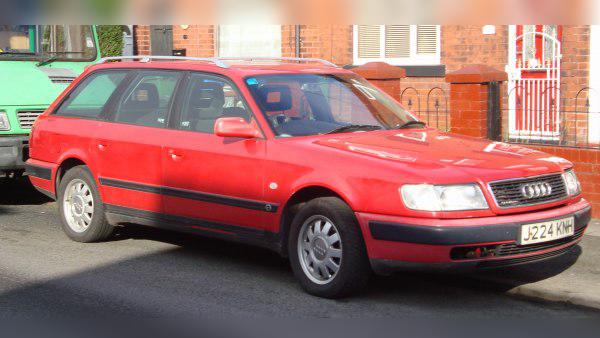
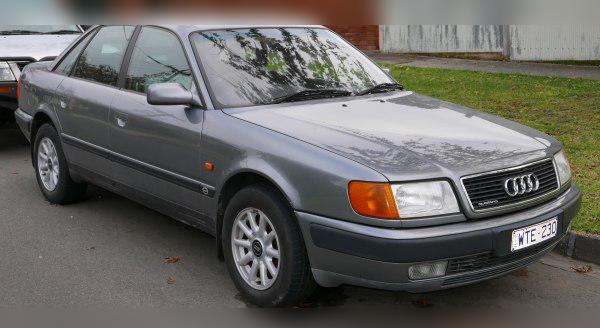
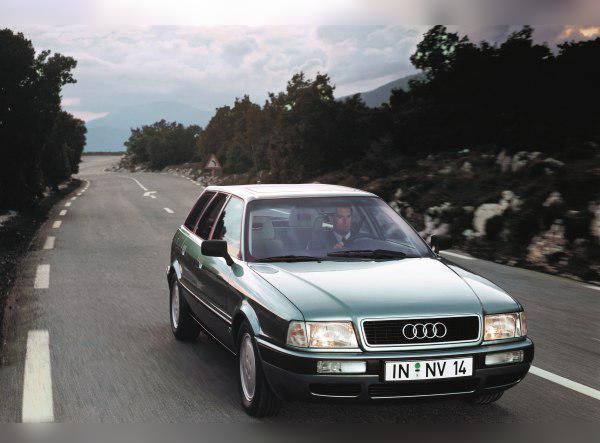
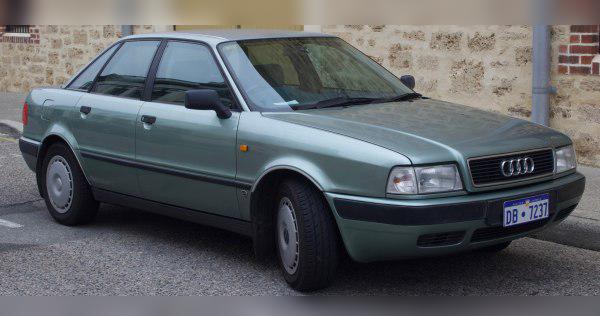
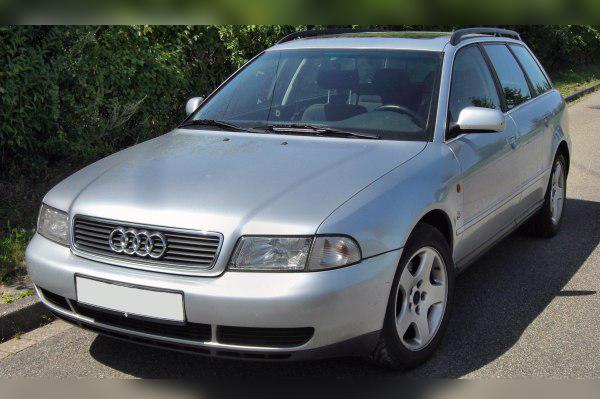
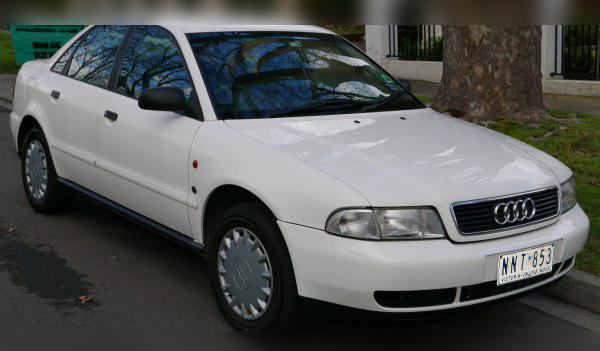
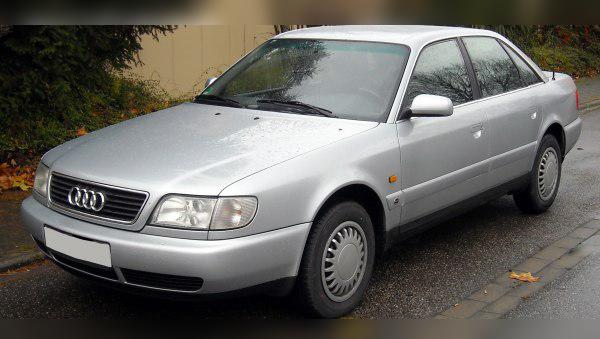
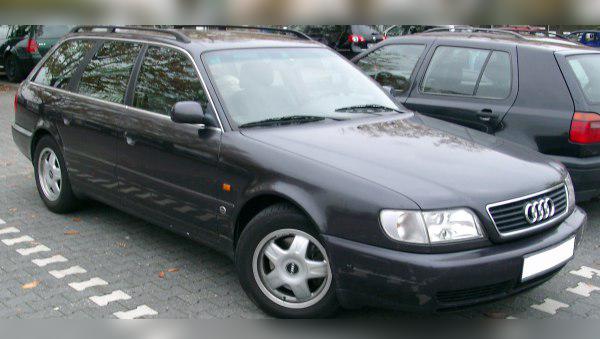
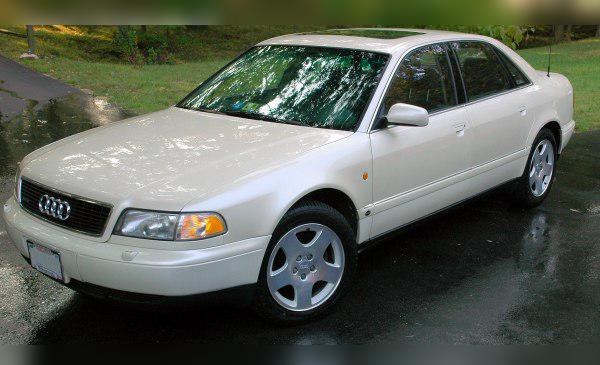
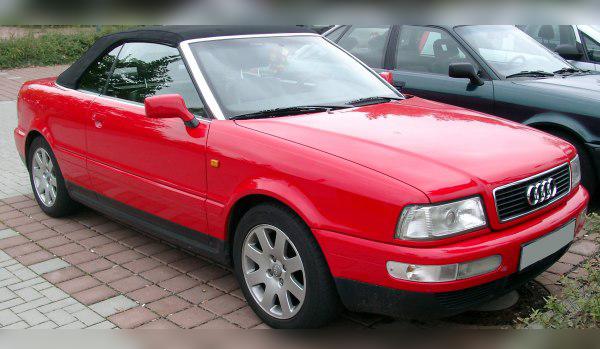
The engine with code AAH is Audi’s legendary 2.8-liter V6 petrol from the 1990s. It marked an entire era and was installed in a wide range of models, from the more compact Audi 80 and A4 (B5), through the robust Audi 100 and A6 (C4), all the way to the first generation of the luxury Audi A8 (D2) and the beautiful Cabriolet and Coupe versions. This is a two-valve-per-cylinder engine (12V in total), which means its architecture is simple. There are no complex variable valve timing systems, which makes it extremely durable if properly maintained. Still, time takes its toll, so every example today requires the attention of a mechanic who understands older mechanical designs.
Technical specifications
| Parameter | Data |
|---|---|
| Displacement | 2771 cc |
| Power | 128 kW (174 HP) |
| Torque | 245 Nm |
| Engine code | AAH |
| Injection type | Multi-point injection (MPI) |
| Charging system | Naturally aspirated |
Reliability and maintenance
Timing belt and major service
This V6 engine uses a timing belt to drive the camshafts. Replacement intervals (major service) are around 90,000 to 120,000 km or every 5 to 6 years, whichever comes first. During the major service it is mandatory to replace all idler pulleys, tensioners, the thermostat (which is located behind the timing belt, so it is ideal to replace it then) and the water pump. Important warning: Replacement requires a special tool (the so-called “straightedge”) to lock the camshafts. Mechanics who try to time this engine “by marker pen” and hand-drawn marks usually miss the timing by half a tooth, which results in rough running, poorer pull and increased fuel consumption.
Most common failures and weak points
The AAH engine is structurally almost indestructible (the block and crankshaft can withstand hundreds of thousands of kilometers), but the peripheral components suffer from age and heat in the engine bay:
- Oil leaks: Due to age and temperature, the valve cover gaskets become plastic-like, turn black and crack. Oil then leaks onto the exhaust manifolds, causing a burning smell in the cabin. Problems with crankshaft and camshaft oil seals are also common.
- Vacuum hoses: The intake system relies on a network of thin plastic and rubber vacuum hoses. Over time they become brittle and crack. Symptoms include fluctuating idle, hesitation when you press the throttle and reduced engine performance.
- Ignition coil and leads: This engine uses one large coil pack. If one section fails, the car runs on five or fewer cylinders, shakes and loses power. Replacing the entire coil pack and quality spark plug leads is not cheap, but it is necessary.
- Sensors: Failures of the Hall sensor (camshaft position sensor) or crankshaft sensor are common, causing the car to crank but not start, especially when the engine is hot.
Engine oil and oil consumption
This engine takes about 5.0 liters of engine oil. Due to the age of the design and internal clearances, the most commonly recommended grade is 10W-40, although on engines that have been thoroughly refreshed you can use high-quality 5W-40.
Does it burn oil? Yes. Even when new, the factory tolerance was up to 0.5 liters per 1,000 km. On used cars today, consumption of 1 to 1.5 liters between services (over 10,000 km) is considered completely normal and acceptable. If the car consumes significantly more (e.g. one liter per 1,000 km) and emits bluish smoke on the first cold start in the morning, the problem is hardened valve stem seals. If it smokes blue under full throttle, the piston rings are worn.
Spark plugs
For this petrol engine it is recommended to replace the spark plugs every 30,000 to at most 60,000 km (if you use quality iridium or platinum plugs). Worn spark plugs directly overload the coil pack and cause it to fail prematurely.
Specific parts and costs
Dual-mass flywheel
It depends on the gearbox. Versions with a manual gearbox have a dual-mass flywheel. Given that the torque is relatively moderate (245 Nm), the flywheel lasts extremely long, but when the time comes to replace it, it is very expensive (depends on the market). Because of this, owners of older models often opt for a conversion to a solid flywheel, although this can result in slight vibrations in the drivetrain.
Injection system
The injection is indirect, the so-called Multi-Point Injection (MPI). The injectors are located on the intake manifold. This system is very reliable. Injectors very rarely fail. Sometimes, due to poor fuel over the years, they can become clogged, with symptoms such as rough running and loss of power. Ultrasonic cleaning of the injectors almost always permanently solves the problem.
Turbo, DPF, EGR and AdBlue
As a naturally aspirated petrol engine designed in the early 1990s, this engine has no turbocharger, no DPF filter and no AdBlue system. An EGR valve (exhaust gas recirculation) was fitted only on certain markets and in later series, but it is nowhere near as problematic as on modern diesels. The main concern on the exhaust side are the old catalytic converters which, due to age (and potential burning of excess oil), can become clogged or their honeycomb can disintegrate, creating an unpleasant rattling noise.
Fuel consumption and performance
Real-world consumption and city driving
This is not an engine for those who want to save fuel. In city driving, consumption rarely drops below 12 l/100 km. Depending on the weight of the car (e.g. Audi A6 or A8), if you turn on the air conditioning and the car has an automatic gearbox or quattro drive, winter consumption in heavy traffic easily reaches 14 to 16 l/100 km.
Performance and driving feel
The driving feel depends heavily on the model in which the AAH engine is installed. In the lighter Audi 80 (B4), this engine makes the car very quick and responsive. However, in the massive Audi A8 (D2), the engine feels quite “lazy” at low revs. Its maximum torque of 245 Nm is available only at around 3,000 rpm, so for serious acceleration in heavy bodies you have to rev it high.
On the motorway
This is a born cruiser. On the motorway it shows its best side – it runs smoothly and quietly, with that characteristic, refined V6 hum. At 130 km/h in fifth gear (manual gearbox), the engine usually spins at about 3,000–3,200 rpm. It consumes around 8.5 to 10 l/100 km on the open road, depending on the car’s profile and drivetrain.
Additional options and modifications
LPG (autogas) conversion
Is it suitable for LPG? Absolutely yes. Thanks to the MPI injection system, installing a sequential LPG system is straightforward. If you choose a quality vaporizer and good LPG injectors that can keep up with 174 HP, the engine runs perfectly on gas with no significant power loss. Considering the petrol consumption, installing LPG is the most rational move, drastically reducing running costs.
Chipping (tuning)
Chipping (Stage 1 remap) on this naturally aspirated engine is a complete waste of money. By changing the ignition and fuel maps you can gain at most 8 to 12 HP, which in practice the driver will not even feel given the weight of the car. If you want more power from an old Audi, it is better to look for the 2.8 30-valve (ACK) or the 2.2 Turbo engine.
Gearbox and drivetrain
Types of gearboxes and failures
The AAH engine was paired with:
- 5-speed manual gearbox: Practically indestructible. Regularly check and, if necessary, replace the oil every 100,000 km. The clutch is replaced when it becomes heavy or when you notice slipping at high revs. The cost of a clutch kit and dual-mass flywheel is quite high (depends on the market).
- Older 4-speed automatic gearbox (more common in C4 and B4 models): Very slow, it “steals” engine power and drastically increases fuel consumption. The most common failures include slipping of the internal clutch packs and harsh jolts when shifting between gears. This happens because the oil has not been changed for decades.
- Tiptronic 5-speed automatic (on A4 B5 and A8 D2): Better to drive, but prone to failures of the valve body due to dirty oil and wear of the torque converter. Symptoms include jerking when shifting from second to third gear.
Automatic gearbox service: Oil and filter changes in automatic gearboxes are mandatory every 60,000 km. If you are buying an automatic in which the oil has not been changed for the last 150,000 km, there is a risk that flushing and filling with fresh oil will reveal internal wear and lead to slipping.
Buying used and conclusion
What to check before buying?
- Cold start and hydraulic lifters: Ask the seller not to start the car before you arrive. When you crank it for the first time, listen to the top of the engine. Rattling for the first few seconds is normal, but if the hydraulic lifters keep “ticking” for more than a minute or two until the engine warms up, this indicates irregular oil changes or worn lifters.
- Exhaust smoke: Have someone else rev the engine. If blue smoke appears on startup or when you lift off the throttle (engine braking), the valve stem seals are worn.
- Cooling system: Open the coolant reservoir cap. The coolant should be clean, ideally red/pink. The presence of oil in the coolant or “mayonnaise” (emulsion) on the oil filler cap, together with loss of coolant, is a clear sign of head gasket problems (this V6 has two cylinder heads, and repairs are expensive). Note: A little white emulsion on the cap in winter can be from condensation due to short trips, so you should also pay attention to other symptoms.
- Condition of suspension and quattro drivetrain: On models with all-wheel drive, check the propshaft on a lift, the center bearing and be sure to inspect the rear differential (whether oil is leaking from it). The quattro system from this era (Torsen) is fantastically reliable, but the seals and rubber parts are now old.
Final conclusion
The Audi 2.8 V6 (AAH) is not an engine for the average driver looking for minimal maintenance costs and low fuel consumption in everyday city traffic. It is aimed at enthusiasts of 1990s German saloons (“youngtimer” fans) who want a car with style, sound and character, and who don’t mind investing in quality coolant, ignition leads and gaskets. Combined with quattro drive and a sequential LPG system, it is an extremely comfortable and capable cruiser that can still give many more modern cars a run for their money on the open road.