Audi 2.6 V6 (ABC) – Experiences, issues, fuel consumption and used-car buying tips
- Great sound and refinement: This classic V6 offers an exceptionally quiet and smooth ride, ideal for cruising.
- Easy to maintain: Naturally aspirated petrol engine without a turbo and with simple indirect (MPI) injection reduces the number of potentially expensive failures.
- Excellent for LPG: Thanks to the MPI injection system, LPG installation is simple, cheap and recommended.
- Fuel consumption as the biggest downside: Expect double‑digit fuel consumption in the city, even over 14 liters.
- Oil leaks: Due to the specific design and age, valve cover and oil pan gaskets often seep.
- Sluggishness: In heavier bodies (e.g. Audi A6 C4 or models with quattro drive and automatic transmission) the engine can feel lazy at lower revs.
Contents
- Introduction: Old-school engineering
- Technical specifications
- Reliability and maintenance
- Specific parts (costs)
- Fuel consumption and performance
- Additional options and modifications
- Gearbox and drivetrain
- Buying used and conclusion
Introduction: Old-school engineering
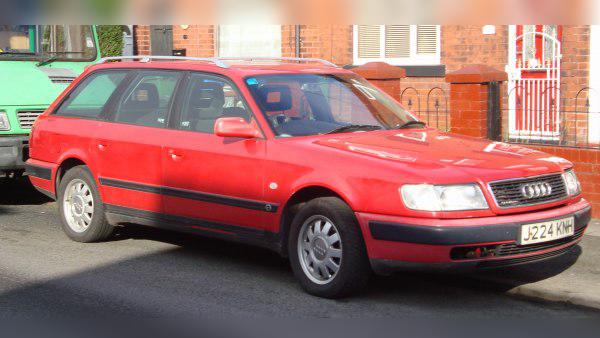
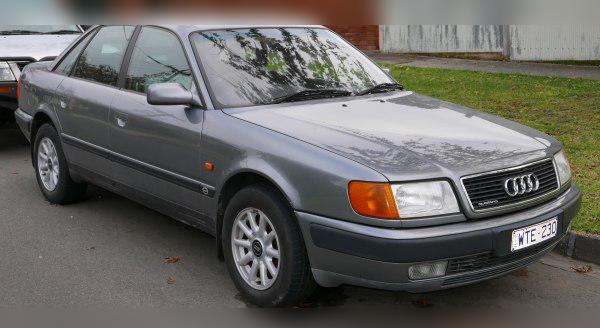
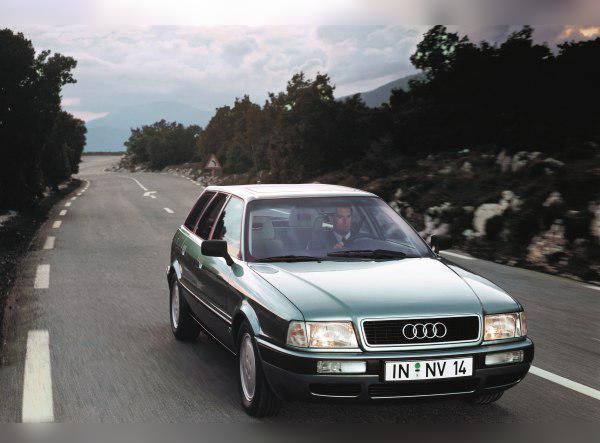
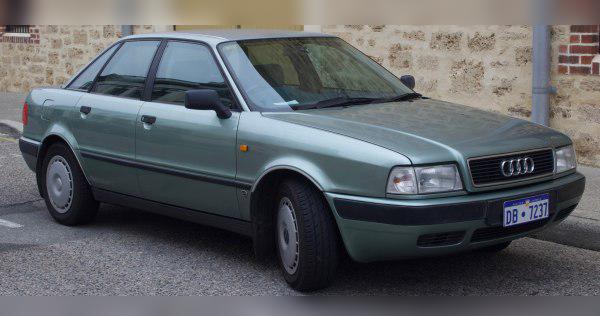
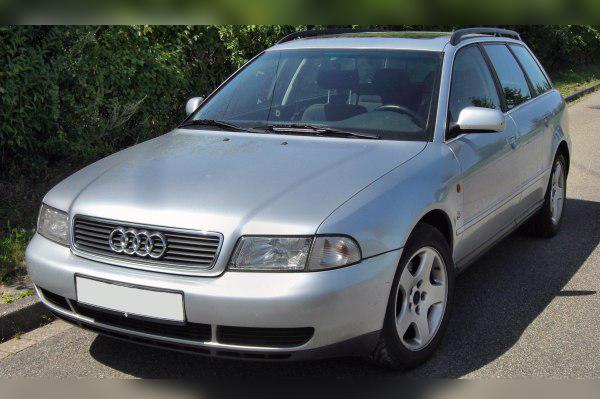
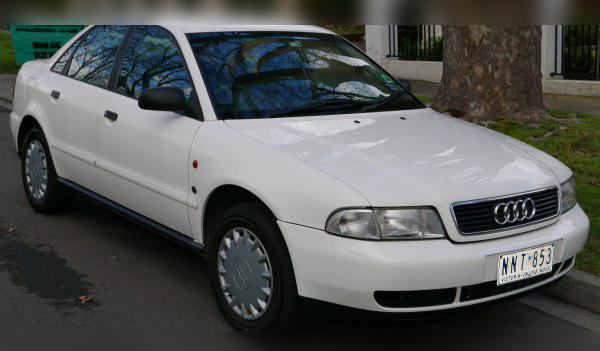
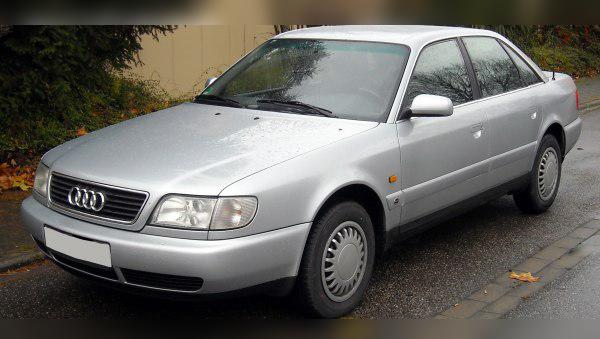
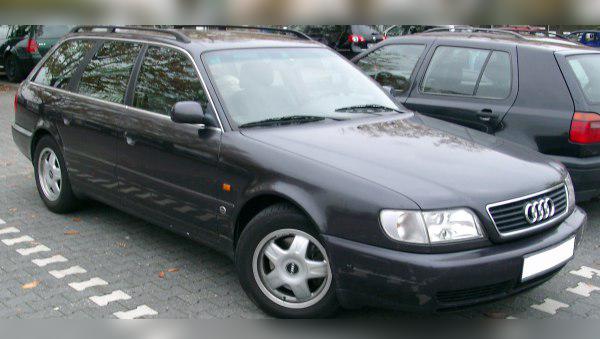
The engine with the code ABC is a classic representative of Audi’s powertrains from the nineties. It is a naturally aspirated V6 with a displacement of 2.6 liters and 12 valves (two per cylinder) producing 150 horsepower. It was installed in legendary models from Audi’s so‑called “golden era”, including the Audi 80 (B4), Audi 100 and A6 (C4), the first generation Audi A4 (B5), as well as the beautiful Coupe and Cabriolet models.
This is not an engine built for breaking lap records, but for silent and comfortable devouring of hundreds of kilometers on open roads. Considering that these cars are now well into their mature years (some slowly entering classic‑car territory), it is important to know what awaits you under the hood before you decide to buy one.
Technical specifications
| Specification | Value |
|---|---|
| Displacement | 2598 cc |
| Engine power | 110 kW (150 hp) |
| Torque | 225 Nm (at 3500 rpm) |
| Engine code | ABC |
| Injection type | Multi-Point Injection (MPI) |
| Induction | Naturally aspirated (no turbo) |
Reliability and maintenance
Timing belt or chain?
The ABC engine uses a timing belt to drive the camshafts. The belt also drives the water pump, so the system is typical for that era. It is essential to strictly follow replacement intervals because a snapped timing belt leads to serious engine damage (valves hitting the pistons).
Most common failures and symptoms
This engine is considered very durable, but it has its “childhood diseases” which are now further emphasized by age:
- Oil leaks: Valve cover gaskets are the Achilles’ heel of this V6. Oil often runs down the V‑block of the engine and, in extreme cases, drips onto the exhaust manifold, which you can smell in the cabin as burnt oil. Replacing the gaskets is not expensive, from 30 to 80 EUR (depending on the market), but it requires a careful mechanic.
- Fluctuating idle: Vacuum leaks (rotten vacuum hoses) and a dirty idle control valve (stepper motor) cause rough idling. The driver will notice the tachometer needle jumping up and down.
- Ignition system: On this model the ignition coil pack (cassette type, made of three sections) or spark plug wires tend to fail. Symptoms include jerking under acceleration and the engine running on five cylinders (loss of power and rough sound).
- Intake manifold flaps: Although the system is simpler than on the 2.8 V6 (AAH) engine, parts of the plastic intake manifold become brittle over time due to heat, so “false air” leaks can appear.
Service intervals and fluids
The major service is done every 90,000 to a maximum of 120,000 km (or every 5 years if the car is driven less). During the major service the water pump, thermostat (which is hidden and harder to access without removing the belt) and all tensioners/rollers must be replaced.
The engine takes about 5 liters of engine oil. The recommended viscosity is 10W-40, although in colder climates you can use high‑quality synthetic 5W-40. Perform an oil service every 10,000 to 12,000 km.
Oil consumption and spark plug replacement
Does the engine consume oil? The answer is: Yes, within normal limits. Due to the engine’s age, valve stem seals harden and piston rings wear, so consumption of 0.3 to 0.6 liters of oil per 1,000 km is quite common. If the car emits bluish smoke on startup which then disappears, the problem is the valve stem seals. If it constantly smokes blue when you press the throttle, the piston rings are worn.
Since this is a petrol engine, spark plugs are replaced every 60,000 km. Using quality multi‑electrode spark plugs is crucial for smooth V6 operation and for avoiding coil pack issues.
Specific parts (costs)
Dual-mass flywheel and clutch
The presence of a dual-mass flywheel largely depends on the generation, the body the engine is installed in and the gearbox (it cannot be stated 100% without the exact engine/gearbox code). Older models (Audi 100, early Audi 80) mostly have a solid, so‑called “rigid” flywheel. Newer models with quattro drive, and especially the Audi A4 (B5), often came from the factory with a dual‑mass flywheel to reduce vibrations. If the car does not have a dual‑mass flywheel, the clutch kit is affordable; otherwise, replacement can be noticeably expensive – from 400 to over 700 EUR (depending on the market).
Injection system, turbo and emissions
The engine relies on an MPI (Multi-Point Injection) system with injection into the intake manifold. The petrol injectors on this engine are extremely robust. They can get dirty after many years of city driving or due to poor‑quality fuel, which causes rough running, but they are easily and cheaply cleaned in an ultrasonic bath. Actual injector failures are very rare.
The engine does not have a turbocharger, which is great news for maintenance costs. Also, since it is a pure‑bred nineties petrol engine, it has no DPF filter or AdBlue system, and the catalytic converters (if they haven’t already been removed due to age) are quite durable, although lambda sensors can start causing problems after 200,000+ km.
Fuel consumption and performance
City driving and “sluggishness”
Let’s be honest: this engine is not economical. In heavy stop‑and‑go city traffic, real‑world fuel consumption ranges from 12 to 15 liters of petrol per 100 km. If paired with an automatic gearbox and quattro drive, that figure can go even higher.
Many drivers describe it as “lazy”, especially considering it wears a 150 hp badge. In bodies like the Audi A6 (C4), which weighs around 1.5 tons empty, the maximum torque of 225 Nm available only at 3500 rpm means you will have to rev it higher to get brisk acceleration. The acceleration feel is linear and does not provide that “kick in the back” typical of modern turbo engines.
Highway driving
The true territory of this engine is the open road. On the highway it is the complete opposite of the city‑driving frustration. At a cruising speed of 130 km/h in fifth gear, the engine spins at a pleasant 3,000 to 3,300 rpm (depending on the specific gearbox ratios). Thanks to the well‑balanced V6 design, the cabin is incredibly quiet, and fuel consumption on the open road drops to a tolerable 8 to 9 liters per 100 km.
Additional options and modifications
LPG installation
One of the best characteristics of the ABC engine is its excellent compatibility with LPG. Thanks to MPI injection, a sequential LPG system can be installed without issues and is not expensive. Given the high petrol consumption in the city, the investment in LPG pays off very quickly. The engine runs extremely smoothly on gas and the power loss is barely noticeable (1–2%).
Chiptuning (Stage 1)
When it comes to “chiptuning”, i.e. remapping the engine – forget about it. On old‑generation naturally aspirated petrol engines, a software modification (Stage 1) can extract at most 5 to 10 hp, which in practice is completely imperceptible. Any money invested in chiptuning this engine is wasted; you are better off spending it on refreshing the ignition system and using quality oil.
Gearbox and drivetrain
The engine came with several transmission options, depending on the model and year of production:
- Manual gearbox (5-speed): The most reliable option. Virtually indestructible if you don’t abuse it. The oil in the manual gearbox is usually only checked, but mechanics strongly recommend replacing it every 100,000 km to preserve the synchros.
- Automatic (old 4-speed type): Installed in older C4/B4 models. It has very long gearing and dramatically stifles engine performance while noticeably increasing fuel consumption. The most common failures include valve body (hydraulic block) issues due to irregular oil changes. Symptoms are strong thumps and jerks when shifting into “D” or when changing from first to second gear.
- Tiptronic automatic (5-speed): Mostly found in the Audi A4 (B5). Modern for its time, it offers better dynamics than the 4‑speed, but is more expensive to repair if the torque converter fails.
Servicing the automatic gearbox (oil and filter change) is absolutely mandatory every 60,000 km to avoid very costly failures, whose repair can cost from 800 to 1500 EUR (depending on the market), often exceeding the value of the car itself.
Buying used and conclusion
What exactly to check before buying?
When looking at a used car with the 2.6 V6 ABC engine, be sure to pay attention to the following points:
- Cold start and hydraulic lifters: Ask the seller not to start the car before you arrive. While cranking, listen to the engine. A metallic “ticking” sound in the first 2–3 seconds is normal until the oil pump builds pressure, but if the hydraulic lifters keep ticking loudly even after a few minutes, they need to be replaced.
- V‑block under the hood: Pay attention to the area under and around the intake manifold. Look for traces of oil seepage and dried red G12 coolant (or worse, plain water).
- Exhaust smoke: After the engine warms up to operating temperature (90°C), ask someone to rev the car hard while you watch from behind. Blue smoke indicates worn piston rings or valve stem seals, black smoke points to a fueling/mixture issue (coolant temperature sensor, lambda sensor), while thick white smoke that doesn’t stop (and is not condensation) can mean a blown head gasket.
- Diagnostics (VCDS): Reading fault codes is crucial to check the operation of the crankshaft sensor, Hall sensor, lambda sensors and intake air temperature sensor.
- Front suspension: The V6 is a heavy engine, mostly positioned quite far forward (so‑called “overhang”). In the Audi A4 (B5) this means that the complex aluminum control arms and links of the front suspension wear out much faster than on models with lighter 1.6 or 1.8 engines.
Who is this engine for?
The Audi 2.6 V6 (ABC) is not for street racers or drivers looking for minimal fuel bills. This engine is aimed at nostalgics, enthusiasts of nineties automotive engineering and lovers of a smooth V6 soundtrack. If you find a car with solid bodywork, install a quality LPG system and regularly replace the belts, this engine will serve you faithfully, with a level of comfort that many modern four‑cylinders still cannot offer. It is ideal in combination with a manual gearbox, and in “quattro” form it represents the ultimate cruiser for all weather conditions.