Audi 2.0 ABK engine (115 hp): Experiences, problems, fuel consumption and buying used
- A reliability legend: One of the most durable engines from the 1990s, designed to cover hundreds of thousands of kilometers with minimal maintenance.
- Cheap to maintain: Simple mechanics, the absence of expensive modern systems and low-cost parts make it very economical to own.
- Ideal for LPG: This unit handles gas installations perfectly, without risk to the valves and cylinder head.
- Fuel consumption and performance: Do not expect sports performance; the engine is on the sluggish side, especially in heavier bodies, and city fuel consumption is noticeably higher by today’s standards.
- Typical issues: The biggest problems are related to vacuum leaks, worn sensors and a dirty idle control valve, which leads to rough idling.
- No dual-mass flywheel and no turbo: Minimal risk of catastrophic and expensive failures such as those we see on newer cars.
Contents
- Introduction: About the model and the engine
- Technical specifications
- Reliability and maintenance
- Specific parts (costs)
- Fuel consumption and performance
- Additional options and modifications
- Gearbox and drivetrain
- Buying used and conclusion
Introduction: About the model and the engine
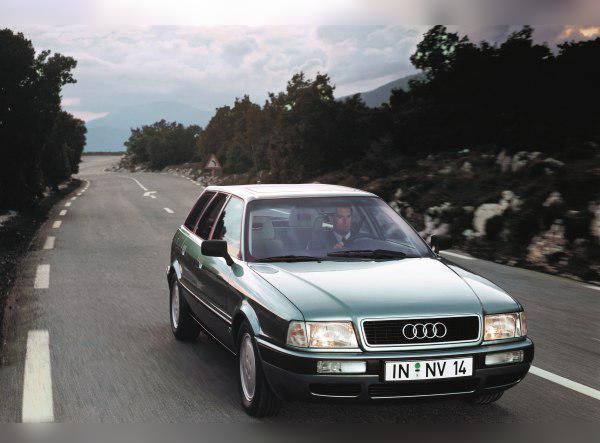
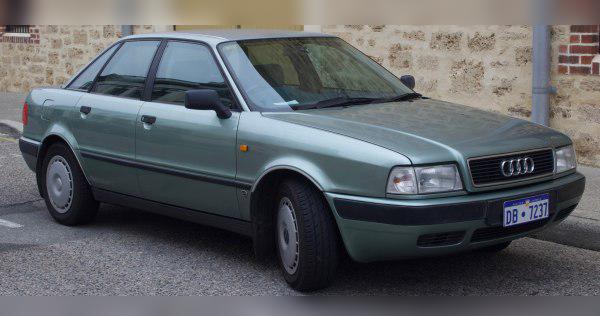
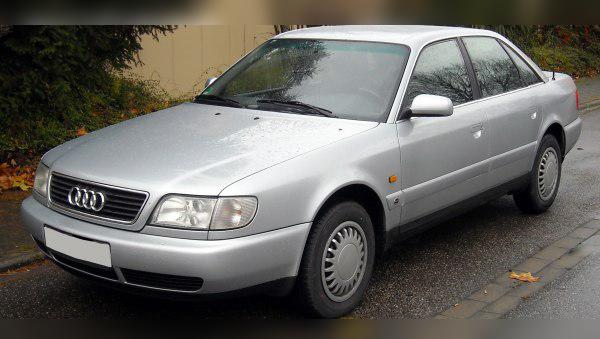
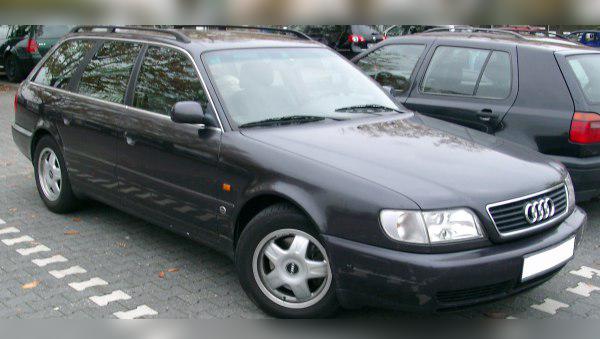
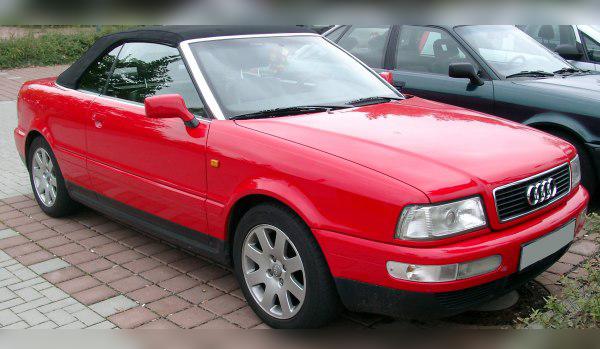
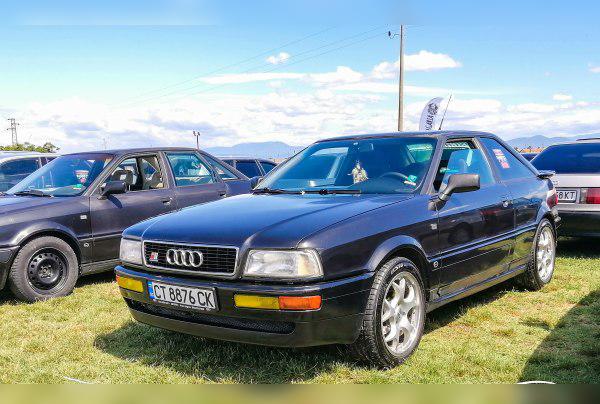
The engine with the code ABK is a classic representative of the old, indestructible school of German engineering. It is a two-liter petrol engine with eight valves (two per cylinder) and a single overhead camshaft (SOHC). During the 1990s, this unit was the backbone of the lineup in models such as the Audi 80 (B4) and the first generation of the Audi A6 (C4), but it also found its place in attractive Coupe and Cabriolet versions.
Its task was never to break speed records, but to provide reliable, smooth and long-lasting driving for motorists across Western and Eastern Europe. Unlike complex modern engines, the ABK offers “mechanical peace of mind” – a spacious engine bay where every component is easily accessible and where failures are mostly limited to peripheral parts and material aging, and rarely to the core of the engine itself.
Technical specifications
| Specification | Data |
|---|---|
| Displacement | 1984 cc |
| Engine power | 85 kW (115 hp) |
| Torque | 165 Nm |
| Engine code | ABK |
| Injection type | Electronic multipoint (VW Digifant) |
| Aspiration | Naturally aspirated |
| Fuel type | Petrol (Gasoline) |
Reliability and maintenance
Timing belt or chain?
For valve timing this engine uses a timing belt. Its design is quite simple, so replacement does not require special tools and locking fixtures like those used on modern multi-valve engines. Because of this, labor costs on this engine are often significantly lower compared to newer generations.
Most common failures and symptoms
The engine’s mechanical core (block, pistons, crankshaft) is extremely robust. However, due to age, it is the peripheral components that tend to cause headaches:
- Rough idle: The most well-known issue with this engine. The main culprits are a dirty or worn idle control valve, as well as a cracked corrugated intake hose (the hose between the air flow meter and the throttle body) which allows the engine to draw so‑called “false air”. Symptoms include a fluctuating tachometer needle at idle, stalling when stopping at traffic lights, or the revs staying higher than they should.
- Relay number 30 (or 32): This is the power relay for the ECU (Digifant). When its solder joints weaken over time, the engine may start jerking while driving, intermittently lose power or suddenly cut out. Replacement is quick and very cheap.
- Ignition system: Distributor arm, distributor cap and the Hall sensor inside the distributor. If the engine cranks but refuses to start, the problem is most often the Hall sensor or the ignition coil.
- Hydraulic valve lifters: Due to poor maintenance in the past or the use of unsuitable oil, the hydraulic lifters can fail. The symptom is a distinct, rhythmic ticking or tapping noise from the top of the engine, especially pronounced when the engine is cold.
Service intervals and oil consumption
The major service (timing belt kit) on this engine is done at intervals of 60,000 to 90,000 km, or every 5 to 6 years, depending on the quality of the parts used. Parts for the major service are very affordable: 50 to 100 EUR (depending on the market).
As for engine oil, the sump holds roughly 3.0 liters of oil. The use of semi-synthetic oil of 10W-40 grade is recommended, given the clearances in the engine and its technological age. Oil and filter should be changed every 10,000 km.
Does it burn oil? Yes. Consumption of 0.2 to 0.5 liters per 1000 km is considered completely normal. On these engines the valve stem seals most often harden due to heat cycles and age. If you notice bluish smoke from the exhaust immediately after a cold start in the morning, this is a clear sign that oil is running down the valve guides into the combustion chamber. Fortunately, replacing the valve stem seals is a routine job.
Spark plugs
As a classic petrol engine, the ABK uses four spark plugs. Replacement is recommended every 30,000 to 40,000 km if you use standard copper plugs. If LPG is installed, due to higher combustion temperatures and more demanding spark conditions, it is advisable to shorten the replacement interval to 20,000 to 25,000 km.
Specific parts (costs)
Flywheel and clutch
Good news for your wallet: this engine does not have a dual-mass flywheel. It uses a simple, solid flywheel that is practically indestructible. The cost of replacing the clutch kit itself (pressure plate, disc, release bearing) ranges from 80 to 150 EUR (depending on the market), which falls into the “very affordable” category.
Fuel injection system and emissions
The engine uses the Volkswagen Digifant system of multipoint injection (each cylinder has its own injector). The injectors on this engine are not particularly sensitive or prone to failure, but after two or three decades of operation they often get dirty and change their spray pattern. Ultrasonic cleaning of the injectors usually solves hard cold starts and lack of power.
Since this is a naturally aspirated petrol engine from the 1990s, it does not have a turbocharger, does not have a DPF filter and does not use AdBlue. Most versions do not even have an EGR valve (or only have a very rudimentary vapor return system), so all the most expensive modern failures completely pass you by.
Fuel consumption and performance
City consumption
One has to be realistic: this is an old-design engine placed in relatively heavy cars (especially the Audi A6 C4 and the Audi Cabriolet). In stop‑and‑go city traffic, you can expect fuel consumption of 10 to as much as 13 l/100 km of petrol, especially in winter.
Body weight and performance
With its 115 hp and 165 Nm of torque, the ABK is more than adequate for everyday driving of the lighter Audi 80 (B4) Sedan. However, if you look at this engine in an Audi A6 (C4) or in the heavy Cabriolet, you will definitely feel that the engine is “lazy”. In those models you will need to downshift more often and rev the engine higher when overtaking, which results in more noise and an additional increase in fuel consumption.
Highway driving
On the open road the situation is drastically better in terms of consumption (around 7 to 8 l/100 km). The gearboxes are geared relatively short in fifth gear in order to compensate for the lack of power. Because of this, at a speed of 130 km/h, the tachometer needle sits quite high, at around 3,400 to 3,600 rpm (depending on the gearbox type and final drive ratio). This means that on the highway the engine can be somewhat noisy, but it is still very stable at that speed.
Additional options and modifications
LPG installation
The ABK engine is an absolute champion when it comes to running on LPG. It is extremely suitable for LPG conversion; in the past simple (Venturi) systems were commonly installed, but it is strongly recommended to switch to a sequential system due to more accurate fuel metering, less power loss and elimination of the risk of so‑called “backfire” detonations in the intake manifold. The cylinder head and valve seats are extremely durable, so there is no fear of accelerated valve wear.
Chipping (Stage 1 tuning)
Is it worth “chipping” this engine? No. As with any small naturally aspirated engine without a turbo, remapping the ECU (Stage 1) will give you at most 5 to 8 hp, which is absolutely imperceptible in real driving. It is much wiser to invest that money in regular maintenance, replacing filters and cleaning the injectors.
Gearbox and drivetrain
Manual and automatic gearboxes
With the ABK unit, tried‑and‑tested 5‑speed manual gearboxes and classic 4‑speed automatic gearboxes with a hydraulic torque converter were offered.
Gearbox failures
- Manual gearbox: Extremely reliable. The most common problems are related to worn linkage components (rods and selector), so the gear lever becomes imprecise and sloppy. If first gear or reverse is hard to engage when cold, the clutch is most likely at the end of its life or the gearbox is low on oil.
- Automatic gearbox: This is an old‑generation gearbox, fairly slow when changing gears and it further “chokes” the engine’s performance while increasing fuel consumption by about 10–15%. The most common failures are due to irregular maintenance – the clutches inside the gearbox and the valve body (hydraulic control unit) fail, resulting in harsh jolts when shifting from D to R, or slipping/skipping when changing up through the gears.
Service intervals
For the manual gearbox, the manufacturer once called it a “lifetime” unit, but from experience any good mechanic will recommend changing the oil every 80,000 to 100,000 km (75W-90 grade). As for the automatic gearbox, regular servicing (ATF oil and filter change) is absolutely mandatory every 60,000 km if you want to avoid very expensive repairs.
Buying used and conclusion
What to check before buying?
The cars that use this engine are more than two or even three decades old, so the overall condition of the bodywork dictates the price much more than the engine itself. Here is what you should check on the mechanical side:
- Condition of hoses and vacuum lines: Open the bonnet and visually inspect the corrugated rubber hose before the throttle body. If it is wrapped in electrical tape, the engine definitely has idle problems.
- Cold start: Start the engine when it is completely cold. Listen for any tapping from the top of the engine (hydraulic lifters). Slight tapping in the first few seconds is forgivable, but if it does not stop even after 5 minutes, they need to be replaced.
- Exhaust smoke color: Have a friend start the engine in the morning. If you notice a “cloud” of blue smoke that then quickly disperses, the valve stem seals need replacing.
- Driving an automatic: If you are choosing an automatic, shift from ‘P’ to ‘R’ and then to ‘D’ while stationary. The gearbox should engage smoothly, with only a barely noticeable mild jolt and no metallic knocks.
Conclusion: Who is this engine for?
An Audi with the 2.0 ABK engine is a car intended for enthusiasts of 1990s German classics, as well as drivers whose primary goal is low running costs and a low cost per kilometer (thanks to LPG). This engine will not offer driving excitement and is characterized by somewhat higher city fuel consumption, but it will, without any doubt, reliably take you from point A to point B – without the fear that a dual‑mass flywheel or an expensive injector will drain your family budget.