Audi 1.8T 20V (AEB, ANB, APU, ARK, AWT) – Experiences, problems, fuel consumption and used-car buying tips
Key points (TL;DR)
- Exceptional durability: The engine block is virtually indestructible if regularly maintained and can handle very high mileage.
- Hybrid timing system: The engine uses both a timing belt (front) and a chain (rear, between the camshafts), which requires attention during the major service.
- Biggest weakness: Prone to oil sludge buildup that clogs the oil pump pickup screen and can lead to engine failure due to oil pressure loss.
- LPG (Autogas): An ideal platform for installing a sequential LPG system, with no issues related to direct injection.
- Tuning potential: Power can be safely and easily raised to 180–190 hp with just a remap (Stage 1).
- Maintenance: Requires strict use of quality synthetic oil with a maximum interval of 10,000 km. Running costs are moderate, but turbocharger and timing chain tensioner failures can be expensive (depends on the market).
Contents
- Introduction: A legend from Ingolstadt
- Technical specifications
- Reliability and maintenance
- Specific parts and costs
- Fuel consumption and performance
- Extras, LPG and modifications
- Transmissions: Manual and Tiptronic
- Buying used and conclusion
Introduction: A legend from Ingolstadt
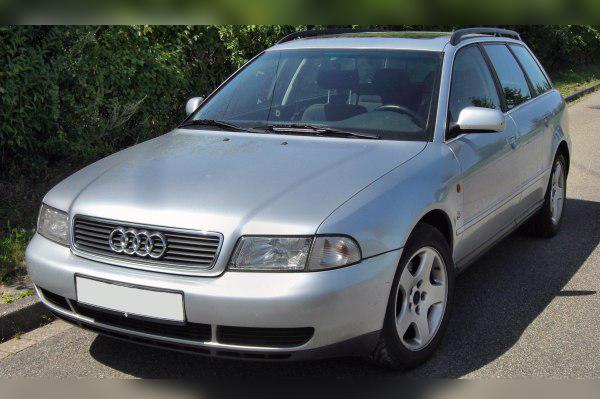
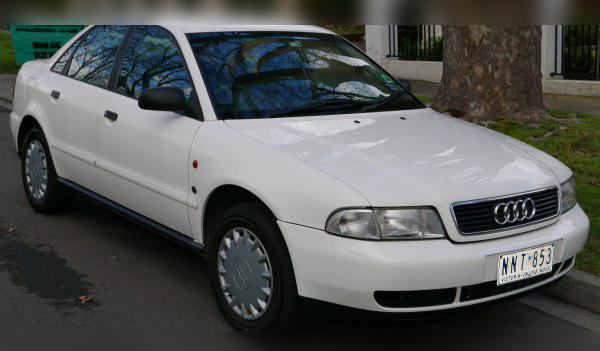
When people talk about the golden era of automotive engineering at the end of the nineties, the 1.8T 20-valve engine (5 valves per cylinder) is always part of the conversation. Installed in numerous VAG models, it truly came into its own in the Audi A4 (B5 generation). This powerplant, with codes such as AEB, ANB, APU, ARK and AWT, represented a perfect balance of power, refinement and technological sophistication. The combination of a light block, turbocharger and a sophisticated cylinder head gave drivers the performance of powerful V6 engines, with noticeably lower fuel consumption when driven sensibly. Although older in terms of technology, this engine is still considered one of the most reliable turbo petrol engines ever made, provided that previous owners did not neglect it.
Technical specifications
| Parameter | Value |
|---|---|
| Displacement | 1781 cc (1.8 L) |
| Power | 110 kW (150 hp) |
| Torque | 210 Nm (available from low revs) |
| Engine codes | AEB, ANB, APU, ARK, AWT |
| Injection type | Multi-point (MPI), indirect injection |
| Forced induction | Turbocharger (most commonly KKK K03) |
| Fuel | Petrol |
Reliability and maintenance
Timing system: Belt and chain
This is a point that often confuses owners. This engine has a hybrid timing setup. The main drive from the crankshaft to the exhaust camshaft is via a timing belt. However, the intake camshaft is driven by a short chain located at the rear of the cylinder head (towards the cabin). This chain also enables variable timing of the intake valves via a hydraulic tensioner. Failure of this tensioner is very common at higher mileage; it manifests as a metallic rattling noise on cold start and comes dangerously close to the risk of the chain jumping teeth. The major service, which includes replacement of the timing belt, rollers and water pump, is recommended at around 90,000 to 120,000 km or every 5 years. Mechanics recommend that during the major service the rear chain and its tensioner be inspected and, if necessary, replaced, which is expensive (depends on the market).
Oil, consumption and common failures
The sump holds about 3.9 to 4.3 litres of oil, depending on the filter version and engine code. The recommended grade is 5W-40 (or 5W-30), full synthetic only (VW 502.00 spec). The absolute Achilles’ heel of this engine is the relatively small oil pan which, combined with the high temperatures of the turbo, leads to oil coking and deposit formation. Over time this sludge clogs the oil pump pickup screen. The symptom is the red oil pressure warning light coming on. If the light comes on, switch the engine off immediately! It is recommended that, when buying the car, the oil pan be removed and the pickup screen cleaned straight away.
There is some oil consumption between services. Valve stem seals and worn piston rings often start to give up after 200,000 km. Topping up around 0.5 to 1 litre per 10,000 km is considered within normal tolerance. If it uses more, and you notice blue smoke from the exhaust when lifting off the throttle or on cold start, the engine is due for an overhaul.
Since this is a petrol engine, we must not forget the ignition system. The coil packs (one per cylinder) often fail due to age or moisture, which manifests as rough running, misfiring and loss of power. Spark plugs must be replaced every 60,000 km, and high-quality platinum or iridium plugs are recommended given that the engine is turbocharged.
Specific parts and costs
Fuel injection and exhaust system
Thanks to the classic MPI (multi-point) indirect injection, injectors on the 1.8T are incredibly durable and rarely cause problems, unlike the newer TFSI generations. Injector cleaning is therefore rarely needed. As for the exhaust system, being an older-generation petrol engine, it has no DPF filter or AdBlue system, so you avoid those potentially astronomical costs from the outset. A traditional EGR valve (as on diesels) is not present on all variants, but later codes (such as AWT) have a secondary air injection system (SAI) and a more complex PCV valve (crankcase ventilation) which often cracks due to ageing plastic, causing vacuum leaks (rough idle).
Turbocharger and dual-mass flywheel
The turbocharger (most commonly the BorgWarner KKK K03 model) is conservatively sized and does not have to work hard to deliver 150 hp. Its service life exceeds 250,000 km if the owner follows the rules: regular oil changes and letting the turbo cool down for a couple of minutes at idle after spirited driving. Symptoms of turbo failure are siren-like whining, loss of power and thick bluish-white smoke. Turbocharger overhauls are now quite affordable and not excessively expensive (depends on the market).
All versions with a manual gearbox have a dual-mass flywheel. Due to the moderate torque (210 Nm), it lasts significantly longer than on TDI diesels. Still, when buying an old car, there is a good chance it is worn out. Symptoms include vibrations when setting off, clunks when changing gears and rattling at idle. A clutch kit with a dual-mass flywheel is expensive (depends on the market).
Fuel consumption and performance
The small turbocharger allows the engine to pull strongly from as low as 1,750 rpm. Unlike old naturally aspirated petrol engines, the 1.8T is definitely not sluggish in the Audi A4 (B5) body, not even in the Avant (estate) or heavy quattro versions. In-gear acceleration is excellent and very smooth.
However, this comes at a price at the fuel pump. Real-world consumption in city driving (stop-and-go, heavy traffic) is between 11 and 13 l/100 km. If the car is equipped with a Tiptronic automatic gearbox or quattro all-wheel drive, add another 1 to 1.5 litres. On country roads, with smooth driving, the engine can get down to a very decent 6.5 to 7.5 l/100 km. On the motorway at a cruising speed of 130 km/h, the engine usually spins at around 3,200 to 3,500 rpm (depending on the gearbox type). Consumption then is around 8 to 9 l/100 km. Inside the cabin it is pleasant; engine noise is not tiring thanks to the good sound insulation of the B5 models.
Extras, LPG and modifications
LPG conversion (Autogas)
This is probably the best turbo petrol engine ever made for LPG conversion. Because of the indirect injection, installing a conventional sequential LPG system is straightforward and very cost-effective given the city fuel consumption. The engine handles LPG very well and the valves do not suffer, provided that a quality vaporiser (rated for at least 150–180 hp) and fast LPG injectors are installed. Running costs are drastically reduced, making it more economical than diesels from that era.
Chipping (Remap / Stage 1)
The engine block, connecting rods and crankshaft are incredibly robust. The 150 hp version is factory “detuned”. Using reliable software maps (Stage 1), this engine can be safely taken to 180–190 hp, with torque increasing to around 260–280 Nm. This change completely transforms the car, without drastically affecting turbocharger life, provided the engine is not already worn out. Going beyond that (Stage 2 or 3) requires upgrading the intercooler, injectors and fitting a larger turbocharger (K04).
Transmissions: Manual and Tiptronic
With this engine in the Audi A4 (B5) there were two main gearbox options:
- 5-speed manual: Extremely precise and mechanically very tough. The most common issues are limited to wear items – the clutch kit and the aforementioned dual-mass flywheel. The manufacturer declares the oil in the manual gearbox (75W-90) as “lifetime”, but experienced mechanics recommend changing it every 100,000 to 120,000 km to preserve the synchros.
- Tiptronic (5-speed automatic, usually ZF 5HP19): Provides very comfortable driving, but changes the performance character and increases fuel consumption. This gearbox is sensitive to neglect. The most common failures include a worn valve body (jerks when shifting into P, R or D) or failure of the torque converter (the rev counter needle fluctuates slightly at constant speed). Automatic gearbox repair is very expensive (depends on the market). It is therefore crucial to change the ATF oil and filter every 60,000 km.
Buying used and conclusion
What to check before buying?
When looking at a used Audi A4 1.8T (B5), keep in mind that these cars are now more than two decades old. Putting aside the physical condition of the bodywork and interior, when it comes to the engine you MUST do the following:
- Listen to a cold start: Ask the seller not to start the car before you arrive. On the first crank, pay attention to the rear of the engine near the cabin. If you hear a strong metallic rattle lasting longer than 2–3 seconds, the cam chain tensioner needs urgent replacement.
- Check the exhaust (smoke): Let the car idle for 5–10 minutes when warm, then suddenly blip the throttle. If it emits a cloud of blue smoke, the valve stem seals are worn or the turbo is leaking oil.
- Oil service history: Insist on information about when and how the oil was changed. Visually inspect the oil filler cap – if there are hard, burnt oil deposits, there is a high chance that the oil pump pickup screen in the sump is clogged.
- Test drive with the automatic gearbox: If you are buying a Tiptronic, check how it shifts under full throttle and how it responds to manual commands. Any delay, slipping or harsh shifts means an overhaul is due.
Conclusion
The 1.8T 20V (150 hp) engine is a fantastic choice for enthusiasts of classic engineering. It is intended for those who want performance and smooth running on open roads and are willing to tolerate somewhat higher city fuel consumption (which is easily addressed by installing LPG). It is not meant for drivers who see the car only as a means of transport and ignore regular oil changes, because poor oil will destroy it. Finding a well-preserved example today is a real challenge, but if you do, you will get a robust car whose dynamics and steering feel still surpass many modern but characterless mass-market cars.