Audi 2.4 V6 30V (AGA, ALF, AML, APS, ARJ) – Experiences, issues, fuel consumption and used‑car buying tips
Key points in short (TL;DR)
- Exceptionally smooth operation: The V6 configuration with 5 valves per cylinder offers fantastic sound and very smooth running.
- High fuel consumption: In city driving expect between 12 and 15 l/100 km.
- Ideal for LPG: The old MPI injection system makes it a perfect candidate for cheap LPG driving.
- Oil leaks as a standard flaw: Valve cover gaskets and camshaft chain tensioners are the usual culprits.
- Expensive major service: Requires removal of the entire front end of the car (bumper, radiators).
- Not a racer: In heavier bodies (e.g. Audi A6) it feels sluggish at low revs.
Contents
- Introduction to the 2.4 V6 30V engine
- Technical specifications
- Reliability and maintenance
- Specific parts and costs
- Fuel consumption and performance
- Additional options and modifications
- Transmissions and power delivery
- Buying used and conclusion
Introduction to the 2.4 V6 30V engine
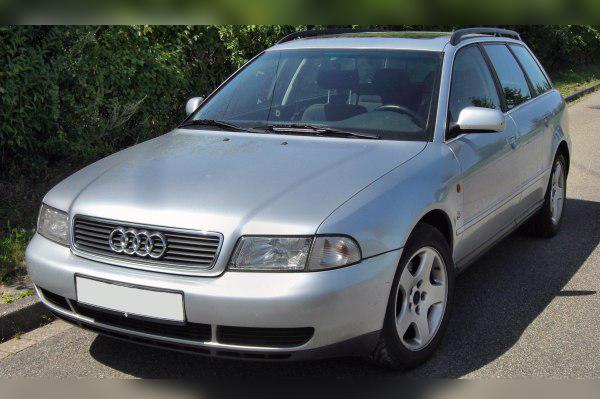
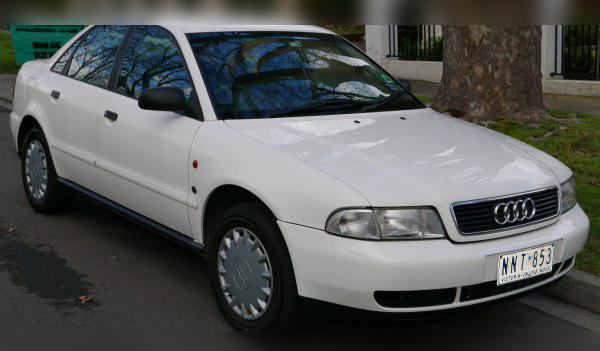
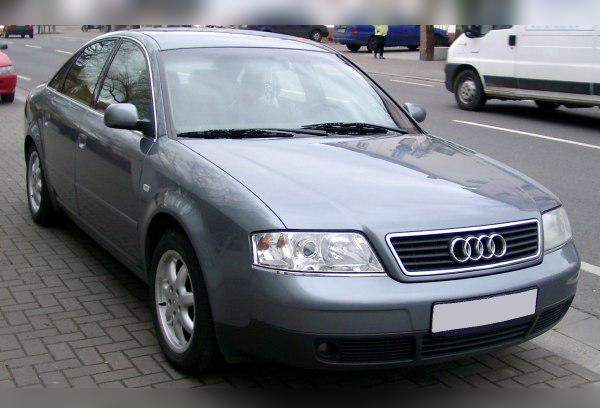
When we talk about the golden era of Audi engineering from the late nineties and early 2000s, the 2.4 V6 30V engine (with codes such as AGA, ALF, AML, APS, ARJ) holds a special place. Mostly installed in the Audi A4 (B5) and Audi A6 (C5) models, this powerplant was conceived as the optimal compromise between the basic four‑cylinder engines and the thirsty 2.8 V6. Its main characteristic is the technology with five valves per cylinder (30V in total), which allows it to “breathe” better at high revs. Although technologically outdated today, this engine is still highly valued on the used‑car market, primarily because of its longevity and excellent compatibility with alternative fuels.
Technical specifications
| Specification | Data |
|---|---|
| Displacement | 2393 cc |
| Power | 121 kW (165 hp) |
| Torque | 230 Nm |
| Engine codes | AGA, ALF, AML, APS, ARJ |
| Injection type | Multi‑point indirect injection (MPI) |
| Aspiration | Naturally aspirated |
| Fuel | Petrol (gasoline) |
Reliability and maintenance
This powerplant is generally considered a reliable unit that can cover hundreds of thousands of kilometres, but it requires disciplined maintenance. The main drive is via a timing belt, while the camshafts inside the cylinder heads are linked by short chains. The major service interval is between 90,000 and 120,000 km. The cost of the major service is quite high (depends on the market), because the procedure requires the so‑called “service position” – removing the front bumper, headlights and radiators just to gain access to the engine.
The most common issues with this engine are related to oil leaks. Due to the specific design, the valve cover gaskets and the camshaft chain tensioner gaskets gradually fail under heat. The first symptom the driver usually notices is a burning smell in the cabin, because oil drips directly onto the hot exhaust manifolds. In addition, problems with the crankcase ventilation system (PCV valve and hoses) are frequent; they clog up, which further increases pressure in the engine and forces oil out through the gaskets.
As for lubrication, the engine takes about 5.5 to 6 litres of oil, and the recommended grade is 5W‑40 or 10W‑40 for older, high‑mileage examples. Oil consumption between services is a normal occurrence. Anything from 0.2 to 0.5 litres per 1000 km is acceptable, both due to the design itself (30 valves) and the inevitable minor seepage at joints. Since this is a classic petrol engine, regular replacement of the spark plugs every 60,000 km is mandatory, and you should also pay attention to the ignition leads and coils, which can fail due to age and heat.
Specific parts and costs
The injection system is old‑school – MPI (Multi‑Point Injection). This is great news for owners because the injectors are extremely reliable, cheap to clean and rarely fail compared to modern FSI/TFSI systems. Since the engine is naturally aspirated (no turbocharger), you are spared the expensive worries of turbo, intercooler and related hose overhauls.
As this is an older‑generation petrol engine, it does not have a DPF filter and does not use AdBlue. All the emissions‑related complexity boils down to a conventional catalytic converter and lambda sensors. An EGR valve in the classic sense may be present depending on the Euro standard and engine code (mostly secondary air injection – SAI systems), but it does not cause the typical diesel‑style problems.
Drivers of manual gearboxes need to be aware that this engine uses a dual‑mass flywheel. Thanks to the smooth running of the V6, the flywheel usually lasts a very long time, but when the time comes to replace the complete clutch kit with the dual‑mass flywheel, the cost is high (depends on the market).
Fuel consumption and performance
If you are buying a 2.4 V6, you must be prepared for frequent visits to the petrol station. Real‑world city consumption is between 12 and 15 l/100 km, depending on how heavy your right foot is, traffic conditions, and whether the car has quattro all‑wheel drive and an automatic gearbox. On the motorway things are much better: at 130 km/h it cruises very quietly, sitting at around 3000 to 3500 rpm (depending on gearbox ratios), with consumption of about 8 to 9 l/100 km.
In terms of performance, many drivers describe it as “lazy” at low revs, especially in the heavy Audi A6 body. With 230 Nm of torque available at a relatively high 3200 rpm, the engine needs to rev to show its strength. It doesn’t have that kick in the back typical of turbo engines; instead, it delivers power in a linear and smooth manner.
Additional options and modifications
This is one of the best engines for LPG conversion. Thanks to the classic indirect injection, installing a sequential LPG system is straightforward, not too expensive, and the engine tolerates LPG combustion perfectly without damaging the valves. If you cover high annual mileage, LPG is absolutely essential to soften the blow of the high fuel consumption.
When it comes to “chipping” (Stage 1 remap), on a naturally aspirated 165 hp petrol engine it is purely a waste of money. Changes to ignition and fuel maps will at best bring 10 to 12 hp, which in practice you will not feel at all. Leave the engine in its factory settings.
Transmissions and power delivery
With this V6, buyers were mostly offered 5‑speed manual gearboxes and the famous 5‑speed Tiptronic (ZF 5HP19 automatic), with optional quattro all‑wheel drive. Some later FWD versions received the Multitronic CVT, but Tiptronic and the manual are far more common and more relevant here.
Manual gearbox
Extremely robust and practically indestructible. Failures are very rare, and maintenance comes down to checking and changing the gearbox oil every 100,000 to 150,000 km. The only major expense is the aforementioned dual‑mass flywheel and clutch kit, whose replacement is expensive but typically done once every 200,000 km.
Tiptronic automatic
This conventional automatic with a torque converter offers excellent comfort but requires care. The most common failures are due to irregular maintenance – torque converter wear and valve body issues (harsh shifts). Symptoms of a problematic automatic are jolts when shifting from “P” into “D” or “R”, as well as hesitation when changing gears while driving. The oil in the Tiptronic gearbox must be changed (with the filter) every 60,000 km. If the gearbox has been neglected, overhaul is very expensive (depends on the market).
Buying used and conclusion
When looking at a used car with the 2.4 V6 30V engine, first open the bonnet after the test drive and smell the engine bay. If you notice a burning smell, count on having to replace all the gaskets on the upper part of the engine. Ask the seller to keep the car completely cold before you arrive. At the first (cold) start, listen to the rear of the engine (towards the cabin). If you hear a sharp metallic chain rattle lasting longer than two seconds, the hydraulic cam chain tensioners need replacing, which is an expensive job. Also pay attention to bluish smoke from the exhaust when revving, which indicates worn valve stem seals.
Conclusion: Who is this engine for?
This is not an engine for young drivers looking for a street racer, nor for people who maintain their car on a shoestring budget – with its 2.4 litres, V6 block and two banks of cylinders it requires a lot of labour for any serious work. This Audi is intended for those who want a long‑distance cruiser, who appreciate the silence and refinement of an old‑school V6 petrol, and who are willing to install LPG and enjoy the comfort that this classic from Ingolstadt still offers without compromise.