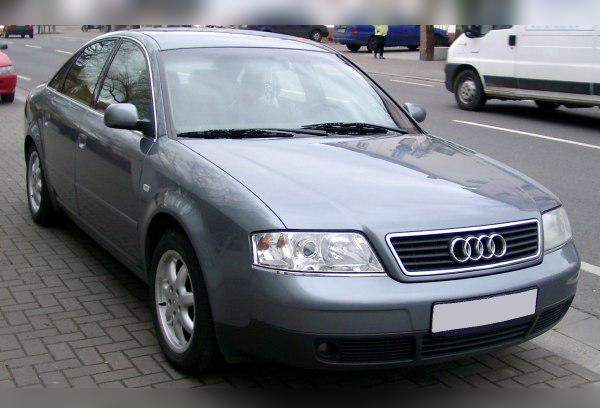
Audi 2.5 V6 TDI 180 HP (AKE, BAU, BDH): Experiences, problems, fuel consumption and used car buying guide
- The harsh truth about camshafts: The engine with code AKE suffers from serious camshaft wear, while the later versions BAU and BDH received roller rockers that permanently solve this problem.
- Injection system: Forget Common Rail; here beats the notorious Bosch VP44 rotary pump, which often requires expensive electronic overhauls.
- Expensive major service: The engine uses a timing belt, and to replace it you need to remove the entire front end of the car (bumper, headlights, radiators), which significantly increases labor cost.
- High city fuel consumption: Combined with quattro drive and the old Tiptronic gearbox, city consumption easily exceeds 11 l/100km.
- Injectors are indestructible: Unlike the pump and camshafts, the classic two-stage injectors are extremely reliable and cheap to maintain.
- Excellent cruiser: On open roads and motorways, this V6 engine is in its natural habitat – quiet, stable and full of power.
- Verdict: If you’re buying, always look for engine codes BAU or BDH. Buy AKE only if you have proof that the cylinder heads have already been thoroughly overhauled.
Contents
- Introduction: A star of its time
- Technical specifications
- Reliability and maintenance
- Specific parts (costs)
- Fuel consumption and performance
- Additional options and modifications
- Gearbox and drivetrain
- Buying used and conclusion
Introduction: A star of its time
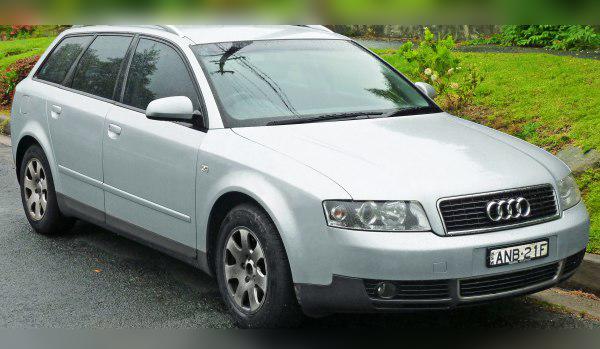
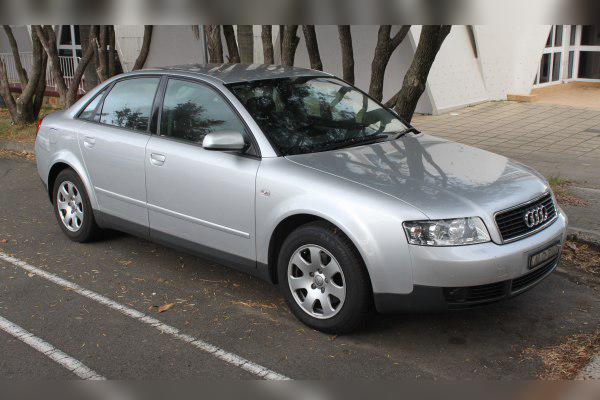
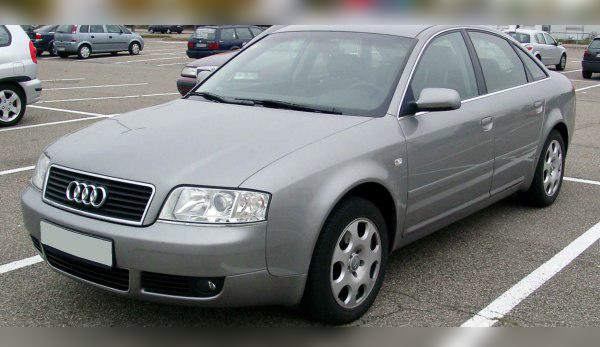
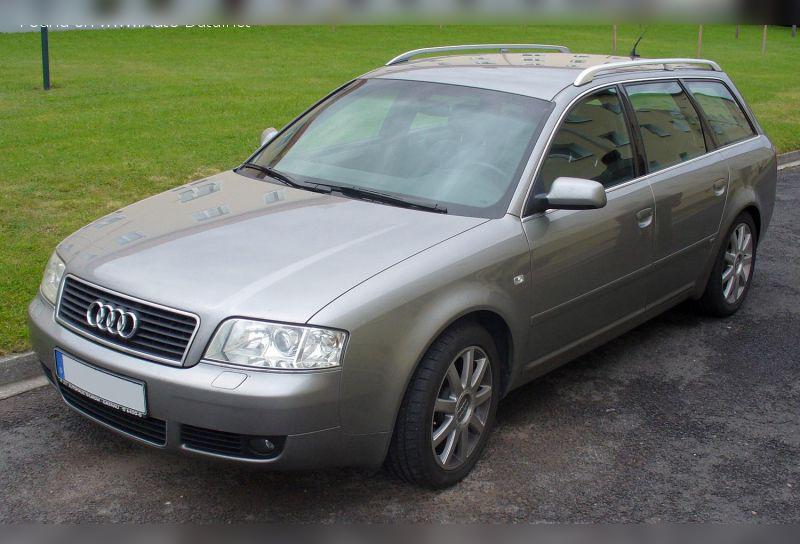
When it appeared in the late nineties and early 2000s, the 2.5 V6 TDI represented the pinnacle of diesel technology. The 132 kW (180 HP) version was reserved for the more powerful variants of the Audi A4 (B6) and Audi A6 (C5) models, most often in the prestigious combination with quattro drive. However, this engine has gained a controversial reputation over time. On one hand, it offers a beautiful V6 sound, huge power and fantastic comfort on long journeys. On the other hand, engineering flaws in the early series forced many owners to dig deep into their pockets. Through the codes AKE, BAU and BDH we can follow the evolution of this engine from problematic to very reliable.
Technical specifications
| Engine displacement | 2496 cc |
| Engine power | 132 kW (180 HP) |
| Torque | 370 Nm |
| Engine codes | AKE (until ~2003), BAU, BDH (from ~2003) |
| Injection type | Direct, Bosch VP44 rotary pump |
| Aspiration | Turbocharger (VNT – variable geometry) |
Reliability and maintenance
Belt, not chain – and quite a job
This engine doesn’t have a chain; it uses a timing belt. The major service on the 2.5 V6 TDI is infamous among mechanics. To replace the belt, the car has to be put into the so‑called “service position” – removing the front bumper, grille, headlights and moving the lock carrier with the radiators forward. Because of this, labor costs are high. The major service is done every 120,000 km, and it is recommended to replace the thermostat and water pump at the same time, as they are buried deep inside. The price of the major service is very high (depends on the market).
Most common failures: Camshafts as a nightmare
The main problem of the AKE version is wear of the camshafts, rockers and lifters. Due to poor design and lubrication issues at low revs, the metal literally wears away. Symptoms are rougher engine operation, loss of power and a specific “rattling” noise from the cylinder heads. Fixing this problem is extremely expensive. Audi corrected the mistake at the end of production by introducing the BAU and BDH engines, which have hollow camshafts and roller rockers that do not wear out. If you’re buying, BAU and BDH are a much better choice.
Oil: The lifeblood of the V6
The oil sump holds 5.4 liters of oil. The strictest recommendation is to use fully synthetic oil of grade 5W-40 or 5W-30 that meets VW 505.00 (or 505.01) specification. Change it strictly at a maximum of 15,000 km, or at 10,000 km if you mostly drive in the city, in order to protect the camshafts. Oil consumption is present; for an engine this old, topping up to 0.5 liters per 1000 km is still considered normal according to factory tolerances, although healthy examples consume significantly less (around 1 liter between two services).
Specific parts (costs)
Injection system: Pump and injectors
Unlike modern diesels that use expensive piezo injectors, the 2.5 TDI uses two-stage mechanical injectors. The injectors are not problematic; they are extremely durable and often last over 300,000 km without overhaul. The only difference is the “smart injector” on the third cylinder, which has a needle lift sensor. However, the real weak point of the injection system is the Bosch VP44 high-pressure pump. The electronics (pump control module) are cooled by fuel, and due to poor positioning and overheating, the transistors often burn out. Symptom: the car stalls while driving and will not start again. Overhauling the electronics and often the mechanical part of the pump is expensive (depends on the market).
Turbocharger and emissions equipment
The engine has a single turbocharger with variable geometry (VNT). Its lifespan exceeds 250,000 km if the engine is properly cooled down after hard driving and serviced regularly. The most common problem is clogging of the variable vanes with soot deposits from city driving. The symptom is entering “limp mode” under hard acceleration and loss of power. Turbocharger overhaul is not expensive compared to the pump (depends on the market).
Fortunately for owners, these models (especially AKE and BAU) generally do not have a DPF filter in the modern sense, but only a classic catalytic converter (they meet Euro 3 or early Euro 4 standard in the case of the BDH version). Therefore, you will not have problems with DPF regeneration. There is an EGR valve and it is recommended to clean it every other year, as it easily clogs with soot and oil vapors. There is no AdBlue system on this engine.
Fuel consumption and performance
In the city and on the open road
Realistic city fuel consumption is this engine’s sore point. Due to the large displacement, vehicle weight (especially in the A6 quattro) and archaic automatic gearboxes, city consumption ranges between 10.5 and 13 l/100km. Is it “lazy”? With 180 HP and 370 Nm of torque, it can hardly be called lazy once it gets going, but it suffers from the so‑called turbo lag at low revs. Until the needle passes 1800–2000 rpm, it feels sluggish compared to modern 2.0 TDI engines, but once the turbo spools up, it delivers strong and linear acceleration.
On the motorway, the 2.5 V6 TDI really shines. It cruises at 130 km/h at around 2400 to 2600 rpm (depending on gearbox type). In these conditions, the engine is very quiet, fuel consumption drops to a reasonable 6.5 to 7.5 l/100km, and there is plenty of power for overtaking.
Additional options and modifications
Potential for remapping (Stage 1)
The engine can be successfully tuned via software. A safe Stage 1 remap raises power to about 210 HP and torque to about 420–430 Nm. Before any remapping, it is essential to make sure that the VP44 pump is in perfect condition. Also, be careful if you have a Tiptronic gearbox, as its friction plates and torque converter do not cope well with aggressive torque jumps above 450 Nm.
Gearbox and drivetrain
Manual gearbox and clutch
Buyers could opt for a durable 6-speed manual gearbox. This gearbox can withstand huge loads and rarely fails. However, the manual version has a dual-mass flywheel, which is responsible for damping the strong diesel vibrations of the V6 engine. When it wears out, you hear knocking at idle and feel vibrations when setting off and when switching off the engine. Replacing the complete clutch with the dual-mass flywheel is expensive (depends on the market). The oil in the manual gearbox should be changed every 100,000 km.
Automatic gearboxes: Tiptronic
The 5-speed Tiptronic automatic (made by ZF) was most commonly fitted to 180 HP quattro models. Avoid Multitronic (CVT) gearboxes, which were mostly installed in front-wheel-drive versions, as they are notorious for failures. The Tiptronic is very robust and long-lasting, but it requires maintenance. The oil and filter in the Tiptronic gearbox must be changed every 60,000 km. The most common failures include wear of the torque converter. The symptom is fluctuating (jumping) revs while cruising at a constant speed, and torque converter refurbishment is expensive.
Buying used and conclusion
What exactly to check before buying?
- Cold start and smoke: The first morning start reveals everything. If the car cranks for a long time and emits a cloud of blue/white smoke, the problem may be loss of pressure in the Bosch pump, bad glow plugs or air entering the fuel system.
- Engine noise: Remove the plastic engine cover and listen around the cylinder heads. A metallic, sharp rattling that follows the revs indicates worn camshafts. The sound should be deep and even.
- Diagnostics (VCDS): Plugging into diagnostics is mandatory. Check the injection timing (TDI Timing) to see if the pump is correctly timed, and check the idle correction values for each injector individually.
- Condition of the Tiptronic gearbox: The gearbox must not jerk when shifting from P to R or D. Gear changes under full throttle must be smooth, without pauses and jolts.
Who is this engine for?
The Audi 2.5 V6 TDI with 180 HP (especially in the robust BAU and BDH versions) is made exclusively for enthusiasts who regularly cover high mileages on open roads and enjoy the stability of quattro drive in winter. This is by no means a car for short city commutes to work – the fuel consumption will kill you and the turbocharger will clog up. Due to its age and high parts prices, it is recommended only to buyers who have a trusted mechanic for VAG group cars and are prepared for high regular running costs in exchange for a powerful sound and a premium driving experience.