Audi 3.0 V6 ASN (220 hp): Ownership impressions, problems, fuel consumption and used-buying guide
- Great sound and smoothness: The naturally aspirated V6 offers linear power delivery with no turbo lag.
- Timing belt: The engine uses a belt, and the major service is demanding and requires specific timing tools.
- Cam phasers are the Achilles’ heel: The most expensive failure on this engine are the hydraulic tensioners and camshaft phasers.
- Avoid the Multitronic gearbox: The CVT in front‑wheel‑drive versions is prone to serious failures. The recommended options are the manual gearbox or Tiptronic with quattro all‑wheel drive.
- Ideal for LPG: There is no direct injection system (this is a classic MPI), which makes it excellent and inexpensive for LPG conversion.
- Fuel consumption: Be prepared for high city consumption, often exceeding 14 l/100 km.
Contents
- Introduction: Old‑school engineering
- Technical specifications
- Reliability and maintenance
- Specific parts and costs
- Fuel consumption and performance
- Additional options and modifications
- Gearbox and drivetrain
- Buying used and conclusion
Introduction: Old‑school engineering
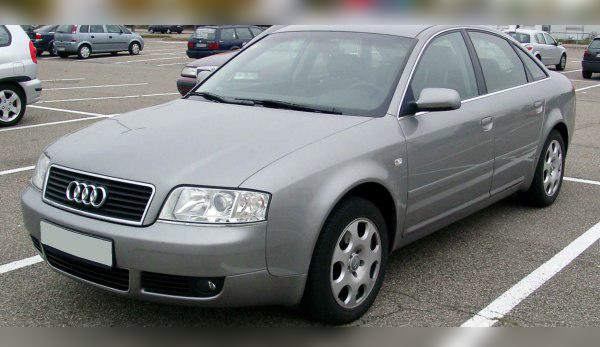
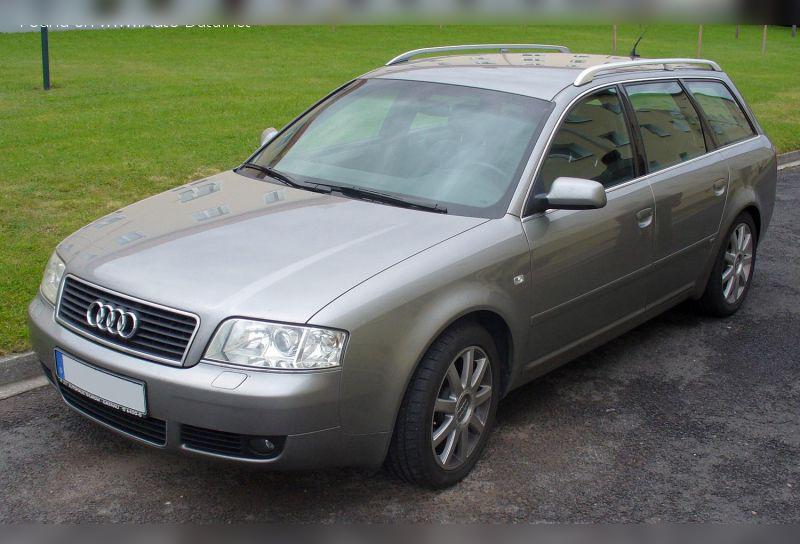
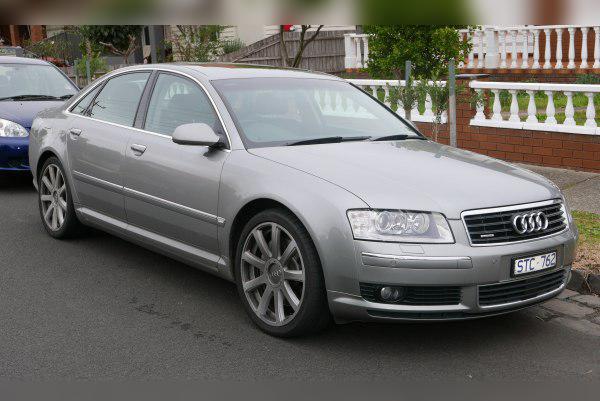
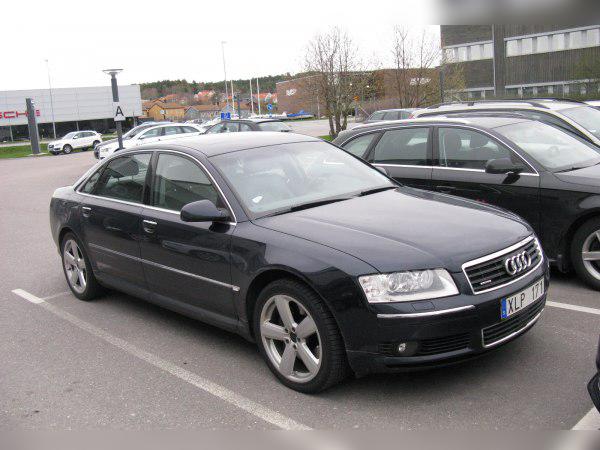
The engine with the code ASN was Audi’s trump card in the early 2000s. This naturally aspirated 3.0‑liter petrol engine debuted with an impressive 162 kW (220 hp), an aluminum block and 5‑valve‑per‑cylinder technology (30 valves in total). It was primarily installed in heavy cruisers such as the Audi A6 (C5) and the luxury Audi A8 (D3).
At a time when turbochargers were only just starting to take over, the ASN offered refined operation, a fantastic sound and excellent reliability on open roads. However, the complex valvetrain and many years of use have brought specific issues that today’s buyers need to be aware of.
Technical specifications
| Parameter | Value |
|---|---|
| Engine displacement | 2976 cc |
| Power | 162 kW (220 hp) at 6300 rpm |
| Torque | 300 Nm at 3200 rpm |
| Engine code | ASN |
| Injection type | MPI (Multipoint Injection – indirect) |
| Aspiration | Naturally aspirated engine |
Reliability and maintenance
Unlike more modern Audi V6 units, the ASN uses a timing belt to drive the camshafts. This is a critical maintenance point. The major service is, according to factory recommendations, done at 90,000 to 120,000 km, or every 5 years. The procedure itself is quite expensive and requires a mechanic who has special tools (the so‑called “locking tools”) for precise engine timing. If the timing is off by even a millimeter, the engine will run rough and throw fault codes.
The most common failures are related to oil leaks and the variable valve timing system. The valve cover gaskets and camshaft seals harden over time due to high operating temperatures, so an oily engine is a common sight. A much more serious issue are the cam phasers. Their wear causes a “tapping” or diesel‑like sound on cold start, and replacement is very expensive (depends on the market).
As for lubricants, this V6 takes about 6.3 liters of oil. A quality synthetic oil of 5W‑40 grade is recommended, or 5W‑30 for colder climates. Oil consumption between services is absolutely present. The tolerance is up to 0.5 liters per 1000 km, although in practice a healthy ASN engine will use about 1 to 1.5 liters per 10,000 km, which is considered normal due to evaporation and the block design.
The ignition system requires regular maintenance. Spark plugs should be replaced every 60,000 km. Coil packs (ignition coils) also fail quite often (there are six of them, one per cylinder), in which case the engine loses power, jerks and runs on five cylinders, with the “Check Engine” light coming on.
Specific parts and costs
Although it belongs to an older generation, the ASN is still an advanced engine. Versions with a manual gearbox have a dual‑mass flywheel to dampen the vibrations of the strong V6 unit. Replacing it together with the clutch kit is a costly investment (depends on the market).
This engine uses indirect injection (MPI), which is great news for durability. The injectors spray fuel into the intake manifold and very rarely cause problems. The system is not as sensitive to poor‑quality fuel as modern FSI/TFSI engines. Of course, since this is a classic petrol engine, it has no turbocharger, DPF filter or AdBlue system, saving you from potentially huge repair bills that come with modern diesels.
On the other hand, the car is equipped with an EGR valve and a crankcase ventilation system (PCV valve). The PCV valve (oil separator) often clogs up, which creates excessive pressure in the crankcase and causes oil to be pushed out everywhere. If you notice that the engine is using too much oil and smoking from the exhaust, the PCV is the first thing to check and replace (it is not an expensive part).
Fuel consumption and performance
This is not an engine for those who count every liter of fuel. Real‑world city consumption for a heavy Audi A6 (especially quattro Tiptronic) easily reaches 14 to 16 l/100 km. In lighter conditions and suburban driving it can drop to around 10–11 liters.
As for driving feel, with 220 hp and 300 Nm the engine is anything but “lazy”. The Audi A6 with this unit accelerates convincingly, but since it is a naturally aspirated engine, it needs revs. It pulls best above 3500 rpm. In the massive Audi A8, due to the higher weight, performance is more focused on comfortable cruising than on sporty acceleration.
On the motorway, the ASN V6 really shines. The sound insulation in the A6/A8 and the smooth operation of the V6 make long journeys effortless. At a speed of 130 km/h, depending on the gearbox ratios, the engine cruises at a very relaxed 2600 to 2900 rpm. Fuel consumption on the motorway (at 130 km/h) is around 8.5 to 9.5 l/100 km.
Additional options and modifications
The best thing about this MPI engine is that it is perfectly suited for LPG conversion. Thanks to indirect injection, a standard sequential LPG system is installed (which is dramatically cheaper than systems for FSI engines). With a well‑tuned LPG setup and proper gas injectors, the engine runs flawlessly and running costs drop to the level of a mid‑class diesel.
When it comes to so‑called “chipping” (Stage 1 software tune), my advice is – don’t waste your money. The ASN is a naturally aspirated engine, so modifying ignition and fuel maps can bring at most 10 to 15 hp (approx. 8–11 kW), which you will not really feel in a 1.7‑ton car.
Gearbox and drivetrain
The choice of gearbox is a crucial point when buying this car. The following were available:
- Manual gearbox (5 or 6 speeds): Very reliable and robust. Costs are limited to regular replacement of the clutch kit and dual‑mass flywheel. It is recommended to change the oil in the manual gearbox at around 100,000 km, even though the factory claims it is “lifetime”.
- Tiptronic (5‑speed, made by ZF): Installed exclusively with quattro all‑wheel drive. This is a conventional automatic gearbox with a torque converter. It is very reliable if you change the oil and filter every 60,000 km. Failures usually occur only at high mileages.
- Multitronic (CVT gearbox): Installed exclusively in models with front‑wheel drive (FWD). This is the worst possible option. Multitronic gearboxes from this generation (Audi A6 C5 and A8 D3) are notorious for failures of the hydraulic block (TCM module) and stretching of the internal chain. Repairs are very expensive (depends on the market) and often exceed the value of the car itself. The oil in this gearbox must be changed strictly every 60,000 km, although even that is no guarantee of longevity.
Buying used and conclusion
Before buying a used Audi with the ASN 3.0 V6 engine, your mandatory checklist should be as follows:
- Cold start: The engine must be completely cold. Ask the seller not to start it before you arrive. Listen to the sound while cranking and in the first 3 seconds after it fires up. Metallic rattling or loud knocking means the cam phasers and camshaft chain tensioners are due for replacement (an expensive repair).
- Diagnostics (VCDS): A mechanic should connect a dedicated diagnostic tool and check the camshaft adjustment angles (the so‑called “measuring blocks”). If the angles are too far in the plus or minus, it means the timing belt is not set correctly or the chains between the camshafts are stretched.
- Visual inspection for leaks: Check the area around the valve covers, the oil pressure sensor and the space under the intake manifold. If the engine looks like it has been “bathed” in oil, you are facing high resealing costs.
- Test drive with an automatic: If you are buying a Multitronic (front‑wheel drive), pay attention to any jerks when setting off or fluctuating revs while holding a constant speed. Any jerk means the gearbox is nearing the end of its life.
Who is this engine for? The Audi 3.0 V6 ASN (220 hp) is an ideal car for enthusiasts looking for a comfortable, fast and above all safe cruiser (if you choose the quattro Tiptronic version) for long journeys. If you buy it in neglected condition, repair costs will quickly drive you into bankruptcy. However, if you find a car with documented major service and immediately install a quality LPG system, you will get a vehicle with exceptional comfort and low running costs considering the premium class it belongs to.