Audi 3.0 V6 30V (ASN, AVK) engine: Experiences, issues, fuel consumption and used car buying guide
- Excellent refinement: This naturally aspirated V6 offers extremely smooth operation and a distinctive sound, ideal for long-distance cruising.
- Fuel injection system: Classic MPI (Multi-Point Injection), which makes it an excellent candidate for LPG (autogas) conversion.
- Expensive maintenance: The major service is very expensive and requires removal of the entire front end of the car.
- Oil leaks and consumption: Seals and the oil vapor separator are weak points, so the engine regularly needs oil top-ups.
- Avoid Multitronic: If you’re buying a front-wheel drive automatic, you’ll encounter the Multitronic (CVT) gearbox, which is prone to serious and costly failures.
- Not for city driving: Urban fuel consumption is extremely high, often over 15 l/100 km.
Contents
- Introduction: About the engine and models
- Technical specifications
- Reliability and maintenance
- Specific parts (costs)
- Fuel consumption and performance
- Additional options and modifications
- Gearbox and drivetrain
- Buying used and conclusion
Introduction: About the engine and models
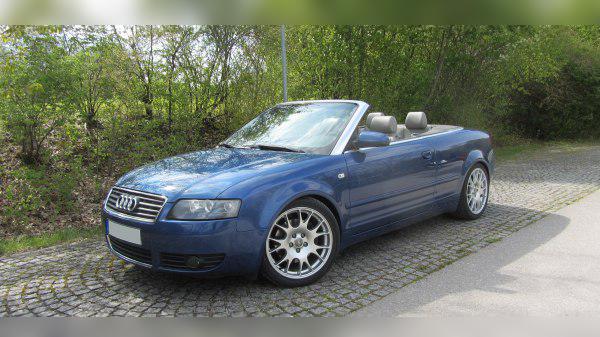
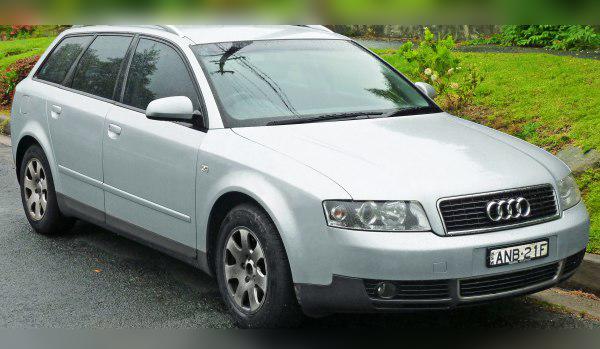
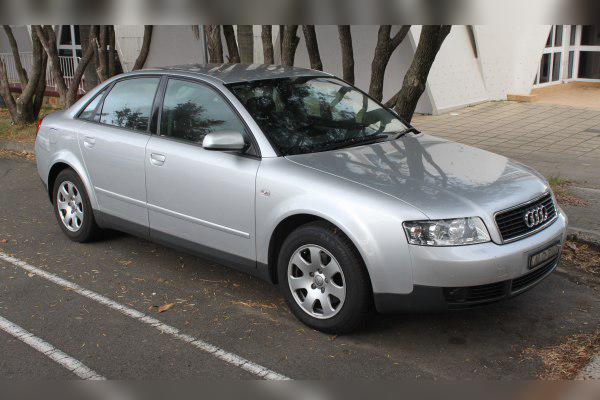
The 3.0-liter engine with a V6 configuration and 30 valves (5 per cylinder), bearing the factory codes ASN (for the European market) and AVK (mainly for the North American market), represented the top of Audi’s naturally aspirated engine range in the early 2000s. It was fitted mainly in the Audi A4 B6 generation (8E sedan and Avant wagon, as well as the 8H Cabriolet). This aluminum unit develops 220 hp and offers fantastic linear power delivery, but it also comes with the complexity of V6 architecture. Due to its specifics, this engine requires a meticulous owner and a deeper pocket for regular maintenance.
Technical specifications
| Characteristic | Data |
|---|---|
| Displacement | 2976 cc (3.0 l) |
| Power | 162 kW (220 hp) |
| Torque | 300 Nm |
| Engine codes | ASN, AVK |
| Injection type | Indirect multi-point (MPI) |
| Turbo / NA | Naturally aspirated |
Reliability and maintenance
Timing belt or chain?
This is a specific system. The main engine timing is driven by a toothed timing belt. However, the camshafts inside each cylinder head are interconnected by short chains with hydraulic tensioners (cam phasers). Because of this, even if you do the classic major service with a new belt, over time these short chains can stretch or the tensioners can fail, which manifests as rattling on cold start.
Most common failures
The main weaknesses of this engine are related to peripheral components and fluid leaks:
- Ignition coils: Well known for failing frequently. Symptoms include engine jerking, loss of power and an illuminated Check Engine light. It’s recommended to carry at least one spare coil in the trunk.
- Oil leaks: The aluminum block and heads are sensitive to temperature changes. Oil leaks at the valve cover gaskets and camshaft seals are an everyday occurrence. Oil often drips directly onto the exhaust manifold, so the driver may smell burning oil in the cabin.
- Catalytic converters: Due to age and frequent oil consumption, the catalytic converters tend to clog or disintegrate. Replacement is expensive (depends on the market), and driving with clogged cats can lead to overheating and cracking of the engine block.
- Oil vapor separator (PCV valve): When its membrane tears, the engine starts consuming huge amounts of oil and idles roughly.
Major service
The major service (replacement of timing belt, rollers, tensioners and water pump) is done every 90,000 to 120,000 km or every 5 years. This is a very expensive job (depends on the market) because Audi requires the “service position” – the entire front bumper, headlights, radiators and front panel have to be removed just to access the engine.
Engine oil and consumption
The engine takes exactly 6.3 liters of oil. The recommended grade is fully synthetic 5W-30 or 5W-40 (with VW 502.00 specification).
Does it consume oil? Yes, and that is considered “normal” from the factory. Audi tolerates consumption of up to 0.5 liters per 1000 km, although in practice a healthy engine shouldn’t use more than 1 to 1.5 liters between services (over 10,000 km). If it uses more, the usual causes are worn valve stem seals, a faulty PCV valve or leaks at the gaskets.
Spark plugs
As a high-performance petrol engine, it requires spark plug replacement (platinum or iridium plugs are used) every 60,000 km. If you install LPG, the replacement interval should be shortened to 40,000 km due to higher combustion chamber temperatures.
Specific parts (costs)
Dual-mass flywheel
Yes, versions with a manual gearbox are equipped with a dual-mass flywheel. Although it is subjected to lower torque shocks than in diesels, given the age and weight of the car, replacement of the entire clutch kit with the dual-mass flywheel is inevitable and very expensive (depends on the market).
Injection system and injectors
This is one of the strong points of the ASN/AVK engines. They use classic MPI (indirect) fuel injection into the intake manifold, not the problematic FSI direct injection. Petrol injectors are extremely robust, rarely fail and do not require expensive overhauls like diesel injectors. If they do get dirty, ultrasonic cleaning usually solves the problem and is not costly.
Turbo, DPF, EGR and AdBlue
As an older-generation naturally aspirated petrol engine, this unit HAS NO turbocharger, NO DPF filter and NO AdBlue system. This drastically reduces potential maintenance costs. As for the EGR system, this engine uses exhaust gas recirculation and a secondary air injection pump (SAI) to heat up the catalytic converters on cold start. The SAI pump can fail or its plastic hoses can crack, which triggers the Check Engine light and makes cold starts more difficult.
Fuel consumption and performance
Real-world fuel consumption
Forget about fuel economy. This is a heavy V6 engine in an even heavier body (especially if it’s a Cabriolet or Quattro). In pure city driving, depending on traffic and driving style, consumption rarely drops below 14 l/100 km, and often reaches 16–17 l/100 km in winter. On the open road the situation is better, with around 8 to 9 l/100 km.
Performance: Is it “lazy”?
With 220 hp and 300 Nm of torque, the engine is absolutely not lazy, but it offers a different feel compared to modern turbo petrol engines. Power delivery is linear. At low revs it can feel a bit sluggish due to the vehicle’s weight (an A4 Cabriolet with Quattro weighs over 1.7 tons), but once the rev counter climbs above 3,500 rpm, the engine starts to pull seriously with a fantastic sound.
Behavior on the motorway
This engine was born for the motorway. Cruising at 130 km/h is quiet, with no vibrations in the cabin. Depending on the gearbox type (sixth gear on the manual or fifth on the Tiptronic), at 130 km/h the engine spins at around 2,800 to 3,000 rpm, which allows for instant overtakes without necessarily downshifting.
Additional options and modifications
LPG (autogas) conversion
Yes, absolutely. Thanks to the MPI injection system, installing a sequential LPG system is a routine procedure and a very cost-effective investment given the high petrol consumption. The engine handles LPG very well, there is no need for additional petrol injection (as with FSI engines), and the power loss is negligible. The only important thing is to install a high-quality system capable of supplying 220 hp.
Chip tuning (Stage 1)
Since this is a naturally aspirated engine, chip tuning (remap) is a waste of money. By changing ignition and fuel maps (Stage 1) you’ll gain at most 10 to 15 hp and a slightly better throttle response. If you’re looking for significantly higher performance, this is not the engine for you.
Gearbox and drivetrain
Available gearboxes
Depending on the drivetrain, Audi offered the following options with this engine:
- Manual gearbox (5 or 6-speed): Paired with front-wheel drive (FWD) and Quattro (4x4). A very robust and reliable gearbox.
- Tiptronic (5-speed automatic): A classic automatic gearbox with a torque converter, supplied exclusively with Quattro all-wheel drive. Very reliable if serviced regularly.
- Multitronic (CVT automatic): A continuously variable transmission, supplied exclusively with front-wheel drive (FWD).
Gearbox failures
While the manual and Tiptronic gearboxes are reliable, the Multitronic is one of the most notorious gearboxes ever made. It is prone to juddering when setting off, failure of the transmission control module (TCM) due to overheating, and the internal chain can break, destroying the entire transmission. If you’re buying used, avoid Multitronic at all costs.
Gearbox maintenance
The oil in the Tiptronic gearbox must be changed every 80,000 to 100,000 km together with the filter to avoid harsh shifts. If you (unfortunately) opt for a Multitronic, oil changes are absolutely mandatory at no more than 60,000 km, although even that is no guarantee of longevity.
The cost of replacing the clutch and dual-mass flywheel on manual versions is high (depends on the market), so when buying, carefully test whether the clutch pedal “bites” high or if you feel vibrations at idle.
Buying used and conclusion
What must you check before buying?
- Cold start: Ask the seller to keep the engine completely cold. Listen carefully at the rear of the engine near the cabin. If you hear loud metallic rattling (chains and tensioners) lasting longer than 2–3 seconds, you’re facing a serious expense.
- Blue smoke from the exhaust: Have someone drive behind you while you accelerate. Blue smoke means the engine is already burning oil heavily (piston rings or valve stem seals).
- Smell under the bonnet: Inspect the valve covers. If they are oily and you can smell burnt oil, the gaskets need to be replaced.
- Diagnostics (VCDS): You MUST read the fault codes. Check the “Misfire” counters (indicating ignition coil issues) and catalytic converter efficiency.
- Suspension: The Audi A4 B6 uses a complex aluminum front suspension (multilink). Given the weight of the V6 engine, the control arms wear out faster. Rattling over bumps means expensive repairs.
Conclusion: Who is this engine for?
The Audi 3.0 V6 30V (ASN/AVK) is not a car for someone looking for cheap commuting. It is a car for enthusiasts of the old-school automotive world, who appreciate the sound of a large naturally aspirated engine, the stability of Quattro all-wheel drive and smoothness when cruising. Due to the age of the model and the specifics of major services, it’s best to buy a car with a manual gearbox or Tiptronic (definitely not Multitronic) and immediately install a quality LPG system. Be prepared for regular oil level checks and somewhat higher labor costs at the mechanic due to the cramped engine bay.