Audi 3.2 FSI V6 (AUK, BKH) engine: Experiences, issues, fuel consumption and used-car buying tips
Key points in short (TL;DR)
- Timing system: The engine uses a complex system with timing chains located at the rear of the engine (towards the gearbox), which makes replacement drastically more expensive.
- Carbon on valves: Due to the FSI direct injection system, carbon buildup on intake valves is inevitable and requires periodic mechanical cleaning.
- Fuel consumption: High. In heavy bodies (Audi A6 C6) in city driving it easily exceeds 15 l/100 km.
- LPG installation: Not cost-effective nor recommended due to the specifics of direct injection.
- Gearbox choice: Strictly avoid the Multitronic gearbox in combination with this engine; Tiptronic and manual gearboxes are incomparably more reliable.
- Performance: Very smooth, linear and pleasant for highway cruising, but not intended for drivers seeking explosive acceleration.
Contents
- Introduction: Golden middle ground or money pit?
- Technical specifications
- Reliability, Maintenance and Failures
- Specific Components and Injection System
- Fuel Consumption and Performance
- Extras: LPG and Chiptuning
- Transmissions: Tiptronic vs Multitronic vs Manual
- Buying Used and Conclusion
Introduction: Golden middle ground or money pit?
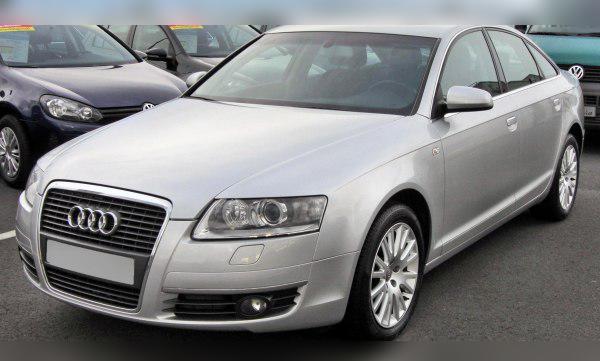
The 3.2-liter engine with FSI (Fuel Stratified Injection) technology, known under the codes AUK and BKH, represented the top of the naturally aspirated range for the Audi A4 (B7) and Audi A6 (C6) in the mid-2000s. The idea of the VAG group was to offer a V6 unit that combines the power of the old 4.2 V8 with the fuel consumption of a smaller six-cylinder, thanks to direct fuel injection.
Although on paper and in the first years of use it offered excellent refinement and linear power delivery, time has shown that its complex architecture requires deep pockets and top-notch maintenance. Today, as a used engine on the market, it is a double-edged sword.
Technical specifications
| Parameter | Value |
|---|---|
| Displacement | 3123 cc |
| Power | 188 kW (255 hp) at 6500 rpm |
| Torque | 330 Nm at 3250 rpm |
| Engine codes | AUK, BKH |
| Injection type | Direct (FSI) |
| Aspiration | Naturally aspirated (No turbo) |
Reliability, Maintenance and Failures
Timing system: Belt or chain?
This engine uses a chain, and not just one, but a complex system of four chains with corresponding tensioners and guides. What represents an engineering nightmare for mechanics and owners is the fact that the timing chain setup is located at the rear of the engine, towards the gearbox. To perform a major service (chain replacement), the engine has to be removed from the car or the gearbox has to be separated. This makes labor hours extremely expensive.
When is the chain replaced? There is no strictly prescribed interval for a major service on a chain-driven engine, but in practice chain stretch and hydraulic tensioner failure occur between 150,000 and 200,000 km. The symptom is a characteristic rattling noise that lasts 2–3 seconds during the first cold start in the morning, until the system builds up oil pressure. A complete set of chains and tensioners, plus labor, costs very much (Depends on the market).
Most common issues
Besides the mentioned chain, owners most often encounter the following problems:
- Carbon buildup on intake valves: Since this is a direct injection engine, fuel is injected directly into the cylinder, not over the intake valves. Therefore, there is no “washing” effect of gasoline on the valves. Oil vapors from the PCV system stick to the hot intake valves and form hard carbon deposits. Symptoms are: rough idle, loss of performance, increased fuel consumption and misfires. Cleaning (so-called walnut blasting) is required every 80,000 to 100,000 km.
- Ignition coils and spark plugs: Sensitive to high temperatures in the engine bay. Due to direct injection, spark plugs are heavily stressed.
- PCV valve (oil vapor separator): The diaphragm often tears, which leads to unmetered air entering the system, rough idle and increased oil consumption.
- Cylinder wall scoring: The aluminum block can develop scoring on cylinder walls if oil quality is neglected or if the oil film is washed away by faulty injectors. The result is drastic oil consumption.
Oil and servicing
The engine takes about 6.5 liters of oil. High-quality synthetic oil of grade 5W-30 or 5W-40 is recommended (preferably VW 504.00/507.00 specification). Oil change intervals should be shortened to a maximum of 10,000 to 12,000 km; ignore “LongLife” intervals of 30,000 km as they kill chains and cylinders.
Oil consumption: Yes, this engine does consume oil between services. An amount of 0.5 to 1 liter per 2,000 to 3,000 km is considered acceptable due to the design of FSI engines and ring wear at higher mileage. Anything above that indicates a problem with the PCV valve, valve stem seals or worn cylinders.
Spark plugs: The prescribed spark plug replacement interval for the 3.2 FSI unit is strictly every 60,000 km.
Specific Components and Injection System
Dual-mass flywheel and clutch
Yes, this engine has a dual-mass flywheel in versions with a manual gearbox, and certain components in automatic transmissions also serve to dampen vibrations. The cost of replacing the clutch kit with the dual-mass flywheel on manual gearboxes is high (Depends on the market).
Injection system
The engine is equipped with a High Pressure Fuel Pump (HPFP), driven by the camshaft via a small metal cam follower. This follower wears out over time. If not replaced in time (it is replaced preventively at around 60,000 km), it can destroy both the pump and the camshaft. The FSI injectors themselves are reliable, but very sensitive to poor fuel quality and prone to clogging. If an injector starts leaking, it can wash the oil film off the cylinder wall and cause total engine failure.
Turbo, DPF, EGR, AdBlue
- Turbocharger: This engine does not have a turbo, it is a classic naturally aspirated V6. No worries about turbo overhauls.
- DPF and AdBlue: Since it is a petrol engine, it does not have a DPF filter nor does it require AdBlue fluid.
- EGR system: A physical EGR valve in the classic sense is integrated through the variable valve timing system (internal EGR), but the engine suffers from clogged intake ports due to carbon buildup, as mentioned earlier. It has expensive catalytic converters with lambda sensors that tend to fail at high mileage.
Fuel Consumption and Performance
Real-world fuel consumption
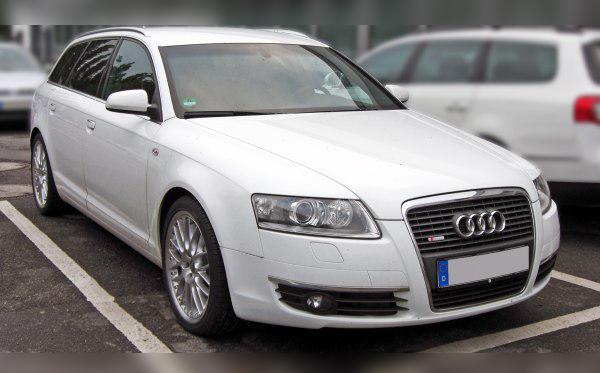
Buying a 3.2 FSI V6 engine must go hand in hand with awareness of fuel costs. Due to the heavy body (especially the Audi A6 C6 Avant) and often quattro drive, real-world consumption is as follows:
- City driving: From 14 to 18 l/100 km (in winter traffic jams even more).
- Open road (secondary roads): Around 8 to 9 l/100 km.
- Highway (130 km/h): Consumption is around 9.5 to 10.5 l/100 km.
Performance and cruising
The engine produces 255 hp, but due to its naturally aspirated nature and lack of a turbo, the maximum torque of 330 Nm is available only above 3000 rpm. The engine is absolutely not “sluggish”, but it does not have that “push into the seat” from low revs like modern turbo engines or the 3.0 TDI. Acceleration is very linear, accompanied by a fantastic, raspy V6 sound at high revs.
On the highway it is in its natural habitat. At 130 km/h it cruises very quietly and unstressed, at engine speeds between 2500 and 2800 rpm, depending on the type of gearbox (Tiptronic or manual six-speed).
Extras: LPG and Chiptuning
LPG (autogas) conversion
Is the 3.2 FSI suitable for LPG conversion? Short answer: No. Due to direct injection, installation of a classic sequential LPG system is impossible. Specialized systems (e.g. liquid phase injection) are required and they are very expensive. Even then, the system must inject a certain percentage of petrol (10–20%) at the same time to cool the petrol injectors so they do not melt. The investment is very hard to recoup, and the number of specialists who can calibrate such systems perfectly is minimal.
Chiptuning (Stage 1)
Since this is a naturally aspirated engine, a Stage 1 remap is a waste of money. By modifying the ECU you can gain at most 10 to 15 hp and a few Nm of torque, which is absolutely unnoticeable in a heavy car. It is recommended only if you are disabling some software limitation, but in terms of performance – forget it.
Transmissions: Tiptronic vs Multitronic vs Manual
The choice of gearbox drastically affects reliability and overall ownership experience with this car. The options are:
- 6-speed manual gearbox: Very reliable and robust. The biggest expense is replacement of the clutch and dual-mass flywheel. It usually comes with base models or quattro versions, but is fairly rare.
- Tiptronic (conventional automatic): Installed exclusively in quattro versions. The manufacturer is ZF (6HP model). This is a fantastic torque-converter automatic, extremely reliable if serviced regularly. The most common issues are oil leaks from the transmission pan and jerks due to dirty oil in the mechatronics unit.
- Multitronic (CVT): Installed exclusively in models with front-wheel drive (FWD). This is a continuously variable transmission and should be avoided at all costs. It does not tolerate the high torque of this V6 engine. Its chain and cones wear out, and the TCM electronics inside the gearbox fail due to heat. Overhaul is very expensive (Depends on the market), and failures manifest as shuddering when taking off or slipping revs.
Transmission service interval: Regardless of which automatic gearbox you have, the oil and filter must be changed every 60,000 km. Although Audi claimed that the oil in the Tiptronic is “lifetime”, the gearbox manufacturer ZF contradicts this and strictly prescribes regular service intervals.
Buying Used and Conclusion
What to check before buying?
Buying a 3.2 FSI V6 unit is risky if you are looking at the cheapest examples in the classifieds. During inspection:
- Cold start (crucial): The car must be completely cold. Listen to the rear of the engine (towards the cabin). If you hear a sharp metallic rattle (chain noise) lasting longer than one to two seconds, be aware that a huge expense is waiting for you right away.
- Idle: Once the engine is warm, it must idle perfectly smoothly. Any shaking, shuddering or “stumbling” indicates dirty valves (carbon buildup), bad coils or unmetered air entering through the PCV system.
- Diagnostics check (VCDS): Be sure to check camshaft deviation angles (measuring blocks) – this will show how much the chain has stretched before it actually fails. Also monitor misfire counters.
- Exhaust smoke: Bluish smoke when revving after a short idle period means that valve stem seals are worn or that the engine is burning serious amounts of oil due to cylinder scoring.
Who is this engine for?
The Audi 3.2 FSI (AUK/BKH) is not an engine for the average buyer looking for economical transport from point A to point B. It is intended exclusively for enthusiasts who prefer the linear power delivery of a naturally aspirated V6, enjoy highway driving and, most importantly, have a budget ready for regular preventive maintenance.
If you come across an example with documented timing chain replacement and cleaned valves, combined with quattro drive and a Tiptronic gearbox, you will get a very serious cruiser. On the other hand, a neglected car with a Multitronic gearbox will be a technical and financial nightmare.