2.0 TFSI Engine (AXX, BPY, BWA): Experiences, Issues, Fuel Consumption and Used-Car Buying Tips
- Performance: Excellent balance of power and torque, extremely suitable for daily driving and quick overtakes.
- Timing: Specific design – timing belt at the front, small chain at the back connecting the camshafts.
- Biggest weakness: Wear of the so‑called cam follower of the high-pressure fuel pump. If not replaced in time, it destroys the camshaft.
- Maintenance: Requires regular changes of top-quality oil and decarbonization of intake valves due to direct injection.
- Gearbox: DSG gearboxes require strictly regular oil changes, and a dual-mass flywheel is present on both manual and automatic versions.
- Chiptuning: Fantastic potential for Stage 1 modifications thanks to the robust block and K03 turbocharger.
- LPG (CNG) cost-effectiveness: Very poor. Because of the FSI system, installation is complicated, expensive, and not worthwhile for the average driver.
Contents
- Introduction: What exactly is the 2.0 TFSI from the EA113 generation?
- Technical specifications
- Reliability and Maintenance
- Specific Components and Systems
- Fuel Consumption and Performance
- Extras, LPG and Modifications
- Gearboxes, Clutch and Dual-Mass Flywheel
- Buying Used and Conclusion
Introduction: What exactly is the 2.0 TFSI from the EA113 generation?
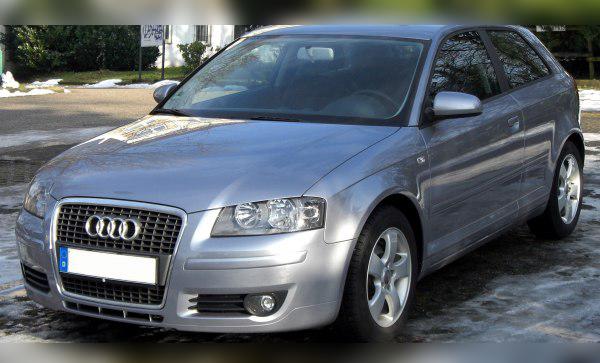
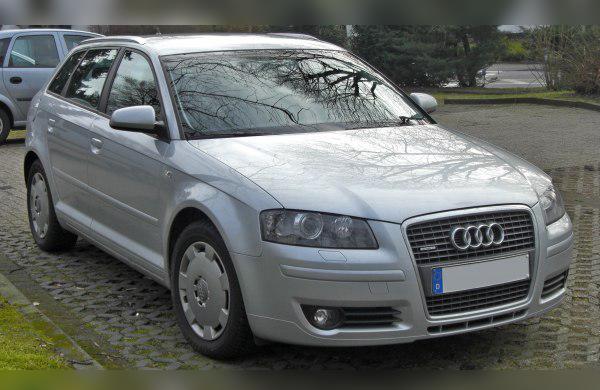
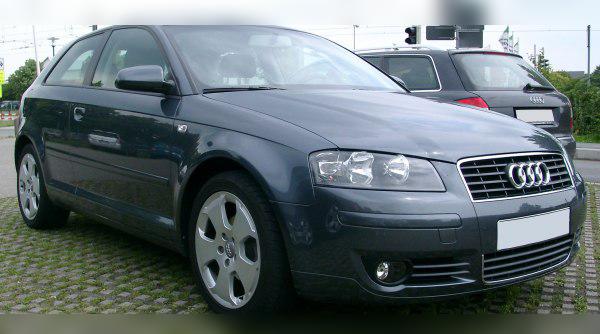
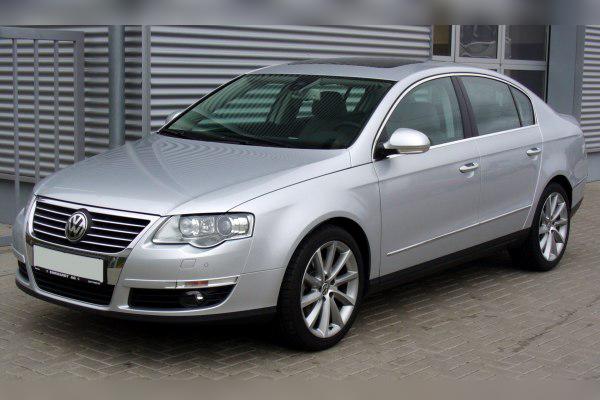
When it appeared in the mid-2000s, the engine with codes AXX, BPY and BWA caused a revolution within the VAG group. It belongs to the EA113 engine family. This is important to emphasize because it is not from the problematic early EA888 series, which suffered from catastrophic oil consumption and timing chain stretch. This engine combined direct petrol injection (FSI) and a turbocharger, delivering 200 horsepower and as much as 280 Nm of torque available at very low revs. It was installed in premium hatch models such as the Audi A3 (8P), but also in heavier saloons like the Volkswagen Passat B6. Is this the right engine for you? Yes, if you are ready to maintain it the way a complex piece of engineering requires.
Technical specifications
| Parameter | Data |
|---|---|
| Engine displacement | 1984 cc (2.0L) |
| Power | 147 kW (200 hp) |
| Torque | 280 Nm (available from low revs) |
| Engine codes | AXX, BPY, BWA |
| Injection type | Direct (FSI) |
| Forced induction | Turbocharger (K03) + Intercooler |
| Fuel type | Petrol (98+ octane recommended) |
Reliability and Maintenance
Timing belt or chain? (Specific system)
This is a question that often confuses buyers. This engine has both a timing belt and a chain. The main timing drive, which connects the crankshaft and the exhaust camshaft, is driven by a timing belt. However, at the rear of the cylinder head (towards the cabin) there is a short chain with a tensioner that transfers drive from the exhaust to the intake camshaft. During a major service, the timing belt kit with water pump must be replaced. The rear chain is not intended to be replaced at every service, but around 150,000 km it starts to make noise (symptom: rattling similar to a diesel at cold start) and then it must be replaced together with the tensioner.
Most common failures
Aside from normal wear, AXX, BPY and BWA engines have several characteristic issues:
- High-pressure fuel pump cam follower: This is by far the most critical point. The high-pressure fuel pump rides on the camshaft via a small metal follower. Over time this follower wears through due to friction. When that happens, the pump plunger starts rubbing directly on the camshaft lobe, destroying both the pump and the camshaft. Symptoms: Loss of power, fuel pressure faults, but often there are no clear symptoms until it is too late. The recommendation is preventive replacement of the follower every 40,000 to 50,000 km. The part is not expensive (depends on market), but it saves the engine.
- PCV valve (oil vapor separator): The membrane inside the valve often tears. Symptoms: Rough idle, increased oil consumption, a high-pitched whistling noise, and when you remove the oil cap with the engine running you feel a very strong vacuum.
- Diverter valve (turbo bypass valve): Early versions had a rubber diaphragm that tears under boost. Symptoms: The car loses power under acceleration and pulls noticeably weaker. The fix is to install a revised version (the so-called “Rev G” or “Rev D” without rubber).
- Carbon buildup on intake valves: Due to direct injection, fuel does not wash over the valves. Over time, soot (carbon) accumulates. Symptoms: Power loss, hesitation on cold start. Requires mechanical cleaning (walnut blasting) every 80,000–100,000 km.
Service intervals, oil and spark plugs
Major service: In practice, it is recommended every 90,000 to 100,000 km or every 5 years. Factory intervals were often overly optimistic (120k+), which I do not recommend.
Engine oil: The engine takes about 4.6 liters of oil. Due to the sensitivity of the camshafts and turbo, full synthetic 5W-30 or 5W-40 that meets VW specifications (504.00/507.00 or 502.00) is strongly recommended. Do minor services strictly every 10,000 km; forget about “LongLife” intervals of 30,000 km.
Oil consumption: Yes, this engine does consume oil; it is a characteristic of the design. The manufacturer tolerates up to 0.5 liters per 1000 km, but in reality a healthy engine will use around 0.1 to 0.3 liters per 1000 km. If it consumes more than a liter between services (over 10,000 km), there may be issues with the PCV valve, valve stem seals or oil control rings.
Spark plugs and coils: As a high-performance petrol engine, spark plugs should be replaced every 60,000 km. Ignition coils are also sensitive and often fail one by one. Symptoms: The car hesitates under full throttle and the “Check Engine” light comes on (misfire).
Specific Components and Systems
Dual-mass flywheel
Yes, this engine uses a dual-mass flywheel, regardless of whether it is paired with a manual gearbox, DSG or Tiptronic automatic. Its role is to absorb engine vibrations. Failure symptoms: Dull knocking at idle, metallic rattle when switching the engine off, juddering when taking off.
Injection system (FSI)
As mentioned, this is an FSI system (Fuel Stratified Injection). Fuel is injected at extremely high pressure directly into the cylinder. Injectors are generally not too problematic, but they can get dirty due to poor fuel quality, which leads to poor spray pattern and fuel leaking into the cylinder (which can dilute the oil). Cleaning in an ultrasonic bath solves most issues.
Turbocharger
It uses a BorgWarner K03 turbocharger. Its lifespan is quite long, often exceeding 200,000 to 250,000 km provided that oil is changed regularly and the driver does not switch off a hot engine immediately after hard driving on the motorway. The most common problems are not with the turbo itself, but with the associated valves (diverter valve and N75 valve) or the wastegate actuator, which can develop play.
EGR, DPF and AdBlue
Since this is a petrol engine, it does NOT have a DPF (diesel particulate filter) or an AdBlue system. It also does not have a conventional EGR valve in the sense that diesels do; instead, exhaust gas recirculation is managed by camshaft phasing (VVT) and an advanced intake system (the intake manifold has so‑called flap valves which can get stuck due to carbon deposits).
Fuel Consumption and Performance
City driving
Buying a 2.0 TFSI engine means coming to terms with frequent visits to the petrol station. Real-world consumption in stop‑and‑go city driving is between 10 and 13 liters per 100 km. On short trips in winter, with the AC on and heavy traffic, it can easily reach 14 liters.
Power-to-weight ratio
This engine is absolutely not sluggish. With 200 hp and 280 Nm available from as low as 1800 rpm (it behaves like a diesel at low revs and revs like a petrol at high revs), it moves an Audi A3 with ease, and even a heavier saloon such as the VW Passat B6 is no problem. Throttle response is very linear.
Behaviour on the motorway
This is its natural environment. On the motorway, at 130 km/h in 6th gear, the engine spins at an ideal and fairly quiet 2800 to 3000 rpm (depending on gearbox type). Fuel consumption on the open road drops to a more acceptable 7.5 to 8.5 l/100 km.
Extras, LPG and Modifications
LPG (CNG) conversion
Short answer: Not recommended. Due to the FSI direct injection system, the petrol injectors sit inside the combustion chamber where they are exposed to extreme temperatures. Fuel cools them. If you were to install a regular sequential LPG system, the injectors would burn out. LPG can only be installed using special systems that inject liquid gas directly through the petrol injectors, or systems that constantly mix petrol and gas (so you use both). Installation is very expensive (depends on market) and the cost-effectiveness for an average user is minimal.
Chiptuning (Stage 1)
The EA113 block and head are extremely robust. This engine is known as a “tuner’s dream”. With a simple software remap (Stage 1), without any physical hardware changes, power can be safely raised from 200 hp to 240 to 250 hp, and torque can exceed 350 Nm. It is only important that before the remap you make sure the coils, spark plugs, PCV valve and cam follower are in perfect condition.
Gearboxes, Clutch and Dual-Mass Flywheel
Which gearboxes are used?
Depending on the model, you will encounter the following options:
- 6-speed manual: Reliable and durable. Maintenance includes preventive oil change at 100,000 km.
- S-Tronic / DSG 6-speed (DQ250 – wet clutch): Installed in the Audi A3. Fast and efficient, but requires regular maintenance.
- 6-speed Tiptronic (Aisin 09G): Classic automatic with torque converter, often installed in the VW Passat B6 (versions without DSG). Slower, smoother.
Most common gearbox failures and costs
With the manual gearbox there are no serious systemic issues; failures are usually related to second or third gear synchros on aggressively driven cars. The cost of replacing the complete clutch kit with dual-mass flywheel is high, from 500 to 800 euros (depends on market).
With the DSG gearbox, the problem is usually the mechatronics unit (the gearbox brain) or the clutch packs. Symptoms: Harsh shift from 1st to 2nd gear, juddering when taking off uphill. Mechatronics repair is very expensive (depends on market).
On Tiptronic gearboxes, the valve body most commonly fails. Symptoms: Strong jolts when shifting gears once the gearbox is warm. Repair is also very expensive (depends on market).
Gearbox servicing
Both DSG and Tiptronic require oil and filter changes. For DSG, the interval is strictly every 60,000 km. Although manufacturers previously claimed that the oil in Tiptronic is “lifetime”, in practice it should be changed every 60,000 to 80,000 km to preserve the valve body.
Buying Used and Conclusion
What must be checked before buying?
- Service history (cam follower): Ask the owner when the HPFP cam follower was last replaced. If they do not know what that is, be cautious right away.
- Cold start: Start the car completely cold. The sound from the rear of the cylinder head must not resemble a diesel. If it rattles for a second or two and then stops, the chain is due for replacement.
- Turbo noise: Look at the exhaust while revving – blue smoke indicates a worn turbo or oil control rings. Whistling under load can indicate cracks in hoses or the exhaust manifold.
- VCDS diagnostics: Mandatory! Check misfires per cylinder, the in-tank pump pressure and HPFP pressure, as well as the condition (sooting) of the intake manifold flaps.
Who is this engine for?
The 2.0 TFSI (AXX, BPY, BWA) engine is an excellent choice for enthusiasts and drivers who want high performance without moving up to a 6‑cylinder. It is intended for people who do not drive 30,000 km a year exclusively in city traffic (because of fuel consumption) and who understand (and can budget for) the fact that a turbocharged petrol engine requires preventive maintenance. This is not an engine for someone who wants to just fill up, change oil once every two years and forget about the mechanic. If properly maintained, it puts a smile on your face and offers amazing driving dynamics, especially in quattro or 4Motion versions.