AYM 2.5 TDI V6 Engine (155 HP): Experiences, Problems, Fuel Consumption and Buying Used
- Great sound and smoothness: The V6 configuration offers smooth operation and excellent torque, ideal for highway cruising.
- Notorious VP44 pump: Electronic failure of the Bosch high-pressure pump is one of the most common and most expensive issues.
- Camshaft wear: A design flaw that leads to cam lobe wear and rocker arms popping out of place, requiring costly repairs.
- Complex major service: Due to the longitudinally mounted V6 engine, many belts and rollers must be replaced, and the entire front end of the car (bumper, radiators) has to be removed.
- Avoid Multitronic: The CVT automatic gearbox in front-wheel-drive Audi models is prone to failure; always choose a manual gearbox or a conventional automatic (Tiptronic).
- No DPF and AdBlue: Given its generation, you are free from modern emission systems that cause headaches in city driving.
Contents
- Introduction and basic information
- Technical specifications
- Reliability and maintenance
- Specific parts and costs
- Fuel consumption and performance
- Additional options and modifications
- Transmissions and drivetrain
- Buying used and conclusion
Introduction and basic information
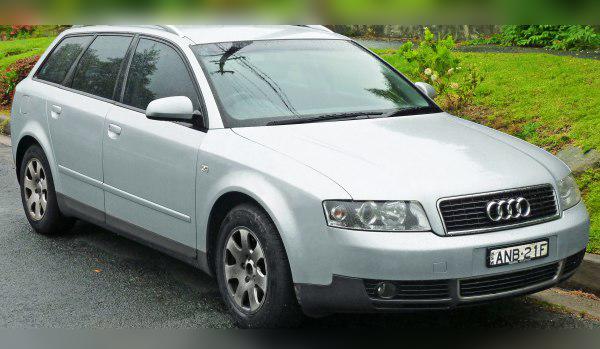
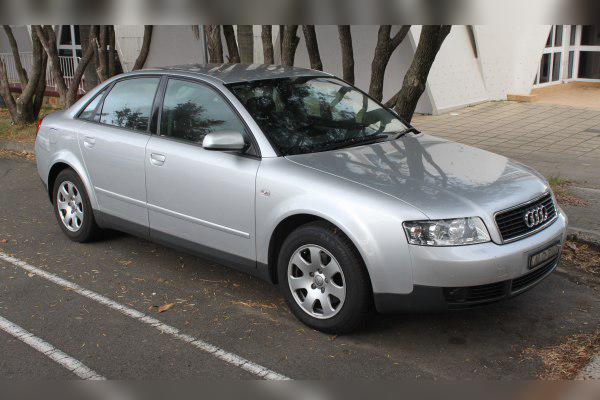
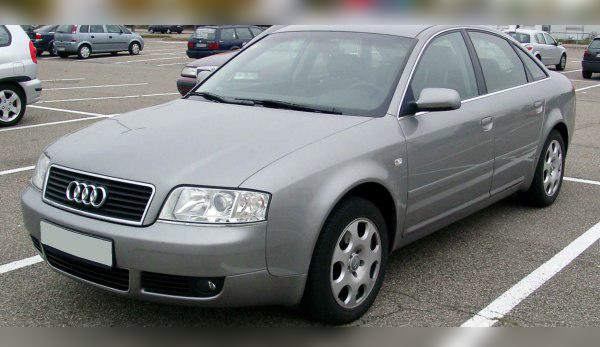
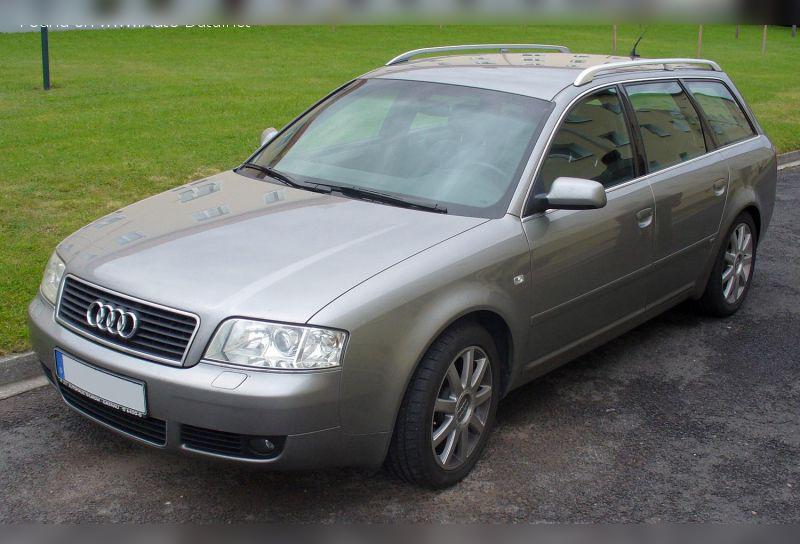
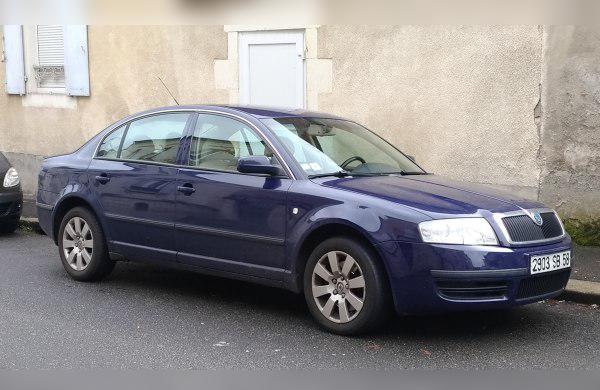
When the Volkswagen Group introduced the 2.5 TDI V6 engines in the late nineties, the idea was to create a prestigious, refined and powerful diesel unit. The engine with the code AYM and an output of 114 kW (155 HP) represents a so‑called “transition” generation. It was produced for a short time, mainly in the early 2000s, and installed in models such as the Audi A4 (B6), Audi A6 (C5 facelift) and the first generation of the Škoda Superb.
This unit was developed as an attempt to fix the early “teething problems” of the 150 HP versions (AFB, AKN), but unfortunately it did not receive the fully redesigned valvetrain (with rollers) that came only with the later 163 and 180 HP versions. Because of this, this engine requires careful maintenance and a mandatory inspection by an experienced mechanic before purchase.
Technical specifications
| Parameter | Specification |
|---|---|
| Engine displacement | 2496 cc |
| Engine power | 114 kW (155 HP) |
| Torque | 310 Nm |
| Engine code | AYM |
| Injection type | Direct injection (Bosch VP44 radial pump) |
| Charging system | Variable-geometry turbocharger (VGT) + intercooler |
| Configuration | V6, 24 valves |
Reliability and maintenance
Timing belt and major service
The AYM engine uses a complex timing belt system (no chain). The major service is quite a demanding job. Due to the longitudinal layout of the V6, there is no room to work under the bonnet, so the car has to be put into the so‑called “service position” – removing the front bumper, headlights, lock carrier and radiators. The specified interval for the major service is usually 120,000 km, but experienced mechanics recommend shortening it to 90,000 km. Because of the number of parts involved (tensioners, rollers, water pump, thermostat), the major service is very expensive (depends on the market).
Most common failures: Camshafts and lubrication system
The biggest weakness of this engine is camshaft wear. Due to its specific design and sensitivity to poor oil pressure, the cam lobes wear out and the so‑called rocker arms (lifters) can pop out of place. Symptoms include rough running, noticeable loss of power, and a characteristic metallic “hammering” noise under the valve cover. To mitigate this, regular oil changes are absolutely crucial.
Engine oil and intervals
The engine takes about 5.4 litres of oil. Only high‑quality synthetic oil of grade 5W‑40 (or 5W‑30) that meets VW 505.00 specification is recommended. It is normal for this V6 to consume some oil between services. Consumption of up to 0.5 litres per 1000 km is, according to the manufacturer, considered acceptable, although in practice a healthy engine should not use more than 1 to 1.5 litres over a full 10,000 km interval. If consumption is excessive, you should suspect piston rings, valve stem seals or poor turbocharger sealing.
Injector longevity
The injectors on this engine are mechanical and quite durable. On the third cylinder there is a so‑called needle lift sensor injector (it has a needle lift sensor). It can fail due to vibrations and age, which triggers the glow plug warning light on the dashboard and puts the engine into limp mode. However, the real headaches are not caused by the injectors, but by the high‑pressure pump.
Specific parts and costs
Injection system: Achilles’ heel (VP44)
The injection system relies on the Bosch VP44 rotary radial pump. This is probably the most infamous component on 2.5 TDI engines. The electronics (pump control module) mounted directly on the pump overheat and burn out. When that happens, the car simply dies while driving and will not start again. Rebuilding this pump is expensive (depends on the market), but nowadays replacing the power transistor in the electronics is a common repair.
Turbocharger
The engine has a single variable‑geometry turbocharger (VGT). The turbo itself is extremely robust and its service life often exceeds 300,000 km with proper cool‑down after hard driving. However, the variable vanes often get clogged with soot, especially if the car is “lugged” at low revs in city driving. The symptom is a sudden loss of power under acceleration (limp mode), which is temporarily resolved by switching the engine off and on again. Cleaning the turbo’s variable geometry is not expensive (depends on the market).
Dual‑mass flywheel and clutch
Yes, versions with a manual gearbox have a dual‑mass flywheel (DMF). Given the high torque of the V6, the flywheel is subjected to heavy loads. When it wears out, you will hear knocking when starting and stopping the engine, feel vibrations at idle, and the clutch pedal will shudder. The clutch kit and dual‑mass flywheel for this engine are very expensive (depends on the market).
EGR, DPF and AdBlue
The good news for buyers is that the AYM engine does not have a DPF filter or an AdBlue system, as it belongs to the older Euro 3 standard. It does have a conventional EGR valve, which tends to clog up with soot. A dirty EGR causes jerking under light throttle and black smoke from the exhaust. Many owners opt for software EGR delete and physical blanking of the valve to protect the intake manifold from contamination.
Fuel consumption and performance
This is a heavy V6 engine (the block is cast iron), and you can feel it. Due to the heavy front end, cars with this engine tend to wear out the front suspension (control arms and bushings) more quickly and show a tendency to understeer in corners.
- City driving: The AYM is not an economy champion. Due to the vehicle’s weight, real‑world city consumption ranges from 9.5 to 11.5 l/100 km, depending on how heavy your right foot is and the type of gearbox. It is not ideal for short urban trips.
- Performance (Is it sluggish?): With 155 HP and 310 Nm, this engine is anything but “sluggish”. It has excellent throttle response once the turbo spools up and easily hauls heavy bodies such as the Audi A6 or Škoda Superb.
- Highway: This is its natural habitat. It cruises extremely quietly; at 130 km/h the revs are low (around 2200–2400 rpm in sixth gear), and fuel consumption on the open road drops to a very acceptable 6.5 to 7.5 l/100 km.
Additional options and modifications
When it comes to “chipping” (remap – Stage 1), this engine has potential, but caution is advised. A safe power increase is possible to around 180 to 185 HP, with torque rising to almost 370 Nm. Mechanically, the engine can handle that power without issues. However, the main limiting factors are a worn VP44 pump and the gearboxes. If you have a model with a Multitronic gearbox, absolutely avoid remapping, as the extra torque will quickly destroy an already fragile transmission.
Transmissions and drivetrain
Three types of gearboxes were offered with this engine, and the choice of gearbox drastically changes running costs and ownership experience:
Manual gearbox (6‑speed)
Very robust and reliable. The most common failure is the aforementioned wear of the dual‑mass flywheel and clutch kit. Oil in the manual gearbox is often neglected, but experienced mechanics recommend changing it every 100,000 km to keep the synchros in good condition.
Conventional automatic (Tiptronic – 5‑speed ZF)
It was mostly installed in the Škoda Superb and Audi models with Quattro all‑wheel drive. This is a conventional automatic with a torque converter (no dual‑mass flywheel, but the converter itself absorbs shocks). It is extremely reliable if serviced regularly. Oil and filter changes are mandatory every 60,000 km. If the oil is not changed, the solenoids and clutch packs in the gearbox fail, resulting in harsh jerks during gear changes.
Multitronic (CVT – Continuously variable transmission)
This gearbox was widely used in Audi A4 and A6 models with front‑wheel drive only. Multitronic combined with the torque of the 2.5 V6 TDI is by far the worst possible option. The internal chain stretches and breaks, the start‑up clutch packs burn, and the control unit (TCM) fails due to heat. Symptoms include fluctuating revs while driving, shuddering when setting off (as if the car is “coughing”) and sudden stops. Repairs are astronomically expensive (very expensive). If you are looking at such a used car and notice any hesitation when moving off, walk away.
Buying used and conclusion
What exactly should you check before buying?
- Cold start sound test: Always insist on starting a completely cold engine. Listen carefully right after start‑up. If you hear loud metallic knocking from the top of the engine for more than 3–4 seconds, walk away – the camshafts are done.
- Diagnostic check (VCDS): A mechanic must check the pump timing angle, injector balance and the status of fault code 00550 – Start of Injection Regulation (the first sign that the VP44 pump is dying).
- Oil leaks: The 2.5 V6 TDI is notorious for seeping oil from everywhere. Check the valve cover gaskets and the area around the oil pan.
- Gearbox check: On automatics (especially Multitronic), shift into D and release the brake. The car should start moving smoothly on its own, without throttle input or jerks. Then try hard acceleration with the pedal to the floor; if the rev counter “hunts” up and down despite a constant pedal position, the CVT chain is slipping.
Conclusion: Who is it for?
The AYM 2.5 TDI V6 (155 HP) is now bought almost exclusively by enthusiasts and people who enjoy long‑distance driving. Its biggest advantage is the low purchase price of the car today, but potential maintenance costs can easily exceed the value of the vehicle several times over. This is not a car for someone who just wants to “fill up and drive”, but for someone who has an excellent mechanic, willing to look after a demanding timing system, change the oil preventively and keep an eye on the Bosch pump temperature. The recommendation is only a car with a manual gearbox or a proper Tiptronic automatic, and one with a verifiable history of major services.