4.2 V8 BBK Engine (344 hp) – Experiences, problems, fuel consumption and used‑car buying tips
- Legendary naturally aspirated V8 sound and extremely linear power delivery.
- The timing chain is located at the rear of the engine – replacement requires engine removal and represents a huge expense.
- Fuel consumption is enormous, especially in city driving where it easily exceeds 20 l/100 km.
- Risk of cylinder damage (Alusil block) – an endoscopic inspection before purchase is mandatory.
- High oil consumption is common and requires regular checks so the engine doesn’t run “dry”.
- Suitable for LPG conversion because it uses classic MPI, not direct injection.
- Maintenance is very expensive (depends on the market) and requires a highly specialized mechanic.
Contents
- Introduction and basic information
- Technical specifications
- Reliability, maintenance and common failures
- Specific components and fuel injection system
- Real‑world fuel consumption and performance
- Extras, LPG and remapping
- Transmissions: Manual vs Automatic
- Buying used and conclusion
Introduction and basic information
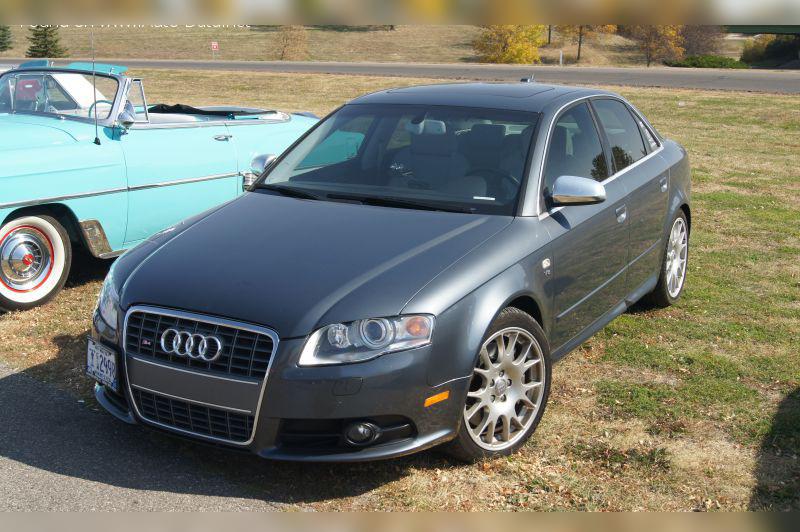
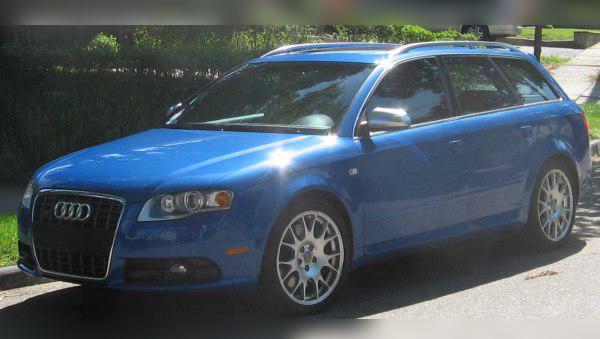
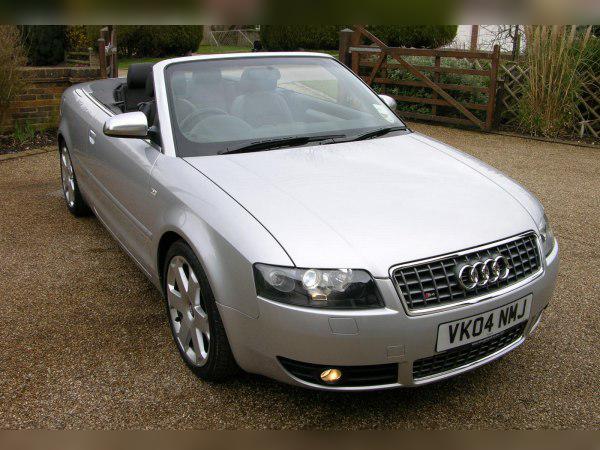
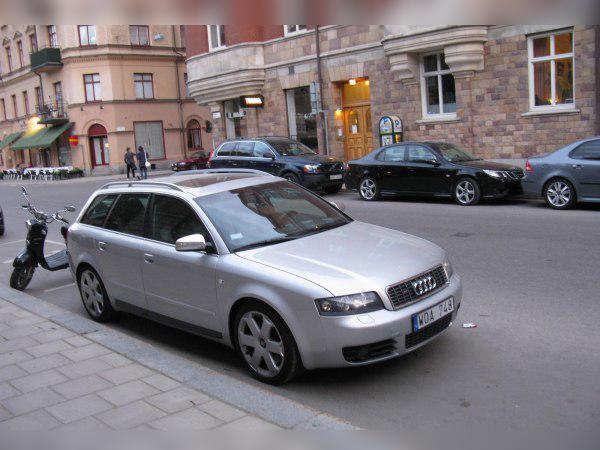
When Audi decided to squeeze a massive 4.2‑liter V8 into the compact A4 platform (B6 and B7 generations), the S4 was born. The engine with the code BBK is a true engineering masterpiece of its time, but also a nightmare for mechanics due to the extremely cramped engine bay. It was installed in the Audi S4 sedan, Avant (wagon) and Cabriolet versions. This powerplant offers pure naturally aspirated driving pleasure with a fantastic sound, but it comes with extremely complex and expensive maintenance. It is not intended for drivers with a thin wallet, nor for those who skimp on regular servicing.
Technical specifications
| Specification | Data |
|---|---|
| Engine displacement | 4163 cc (4.2 L) |
| Power | 253 kW (344 hp) at 7000 rpm |
| Torque | 410 Nm at 3500 rpm |
| Engine code | BBK |
| Injection type | MPI (Multi‑Point Injection – indirect) |
| Aspiration | Naturally aspirated |
| Fuel type | Petrol |
Reliability, maintenance and common failures
This engine uses a timing chain, and this is where we come to its most famous and most expensive issue. The chain is not located at the front, but at the rear of the engine, towards the gearbox. The factory stated that the chain should last the lifetime of the engine, so there is no fixed interval for a “major service”. However, in practice, the plastic guides (tensioners) of the chain become brittle due to high temperatures and crack, usually between 150,000 km and 200,000 km. The symptom of this failure is rattling or scraping from the rear of the engine on cold start that lasts longer than two seconds. To replace the complete timing assembly, the engine has to be removed from the car, which makes this job extremely expensive (depends on the market).
As for engine oil, the BBK takes almost 9 liters of oil (more precisely around 8.5 to 9 liters depending on the filter and oil cooler). High‑quality fully synthetic oil with a 5W‑40 grade is recommended, with changes at a maximum of 10,000 km, ideally every 8,000 km due to high thermal loads. The engine is prone to oil consumption. Consumption of 0.5 to 1 liter per 1,000 km is, according to factory specs, considered “normal”, but in reality it indicates wear. The biggest problem with this engine is wear of the cylinder walls (so‑called “cylinder scoring”) because the block uses Alusil technology without classic liners. If the engine burns extreme amounts of oil and emits bluish smoke, there is a high chance that the block is damaged, which effectively means the death of the engine.
Since this is a thoroughbred petrol engine with 8 cylinders, spark plugs are replaced every 60,000 km. Ignition coils also fail quite often, so it is advisable to always keep at least one spare in the trunk. Due to the enormous heat under the hood, valve cover gaskets often start leaking, so oil can drip directly onto the exhaust manifold, creating a burning smell in the cabin.
Specific components and fuel injection system
Unlike later generations of Audi V8 engines (such as the one in the RS4 B7), the BBK uses good old MPI injection (indirect injection into the intake manifold). The injectors are extremely reliable, rarely fail and do not suffer from carbon buildup on the intake valves to the same extent as FSI engines. The system is long‑lasting provided you use quality petrol.
This model does not have a turbocharger (one less thing to worry about) and of course, as an older‑generation petrol engine, has no DPF filter or AdBlue system. The EGR system and PCV valve (crankcase ventilation valve) are present, though. The PCV valve often fails, which leads to excess air entering the system (vacuum leak), rough idle and increased oil consumption.
On models with a manual gearbox, the engine uses a dual‑mass flywheel. Replacing the clutch kit and dual‑mass flywheel is an expensive job (depends on the market) because the parts are specific to the “S” model and designed to withstand 410 Nm of torque.
Real‑world fuel consumption and performance
If fuel consumption worries you, this car simply isn’t for you. In pure city driving with constant stop‑and‑go traffic, real‑world consumption is between 18 and 22 l/100 km. On the open road the situation is slightly better, but getting below 10 l/100 km is almost impossible.
As for driving feel, the engine is by no means “lazy”, but the way it delivers power can mislead drivers used to modern turbo engines. There is no sudden torque punch at 2000 rpm; power builds linearly and it shows its true character only above 4000 rpm. The problem lies in the fact that the V8 is extremely heavy and positioned ahead of the front axle. Because of this weight in the nose, the car is prone to understeer (pushing wide over the “nose”) in tight corners and subjectively feels sluggish when changing direction, despite the excellent quattro drivetrain.
On the motorway, the Audi S4 with the BBK engine really shines. It is a fantastic cruiser. At 130 km/h the engine spins at around 2800 to 3000 rpm (depending on whether it’s a manual or Tiptronic) in top gear. Cabin noise is minimal, apart from the muted V8 rumble from the exhaust, and there is more than enough power for overtaking at any moment.
Extras, LPG and remapping
Precisely because of the aforementioned MPI injection system, this engine is absolutely suitable for LPG conversion. Many owners choose this route to soften the extreme fuel costs. It is important to install a top‑quality system with fast LPG injectors and a vaporizer (or two vaporizers) capable of feeding a 344 hp engine. A poor LPG installation will result in a lean mixture and fatal engine damage.
When it comes to so‑called “chipping” (Stage 1 software tune), on naturally aspirated engines this is a complete waste of money. By remapping the ECU you can gain barely 10 to at most 15 hp and a slightly more aggressive throttle response. To significantly increase the power of this engine, serious mechanical modifications are required (e.g. installing a supercharger kit), which is astronomically expensive.
Transmissions: Manual vs Automatic
Two types of gearboxes were offered with the BBK engine:
- 6‑speed manual gearbox (0A3): An extremely robust and durable unit. It has no inherent factory flaws. The most common issues are related solely to wear items – clutch disc, pressure plate and dual‑mass flywheel. Gearbox failure occurs only due to severe abuse (hard, jerky shifts, repeated launches from a standstill). Replacing the clutch and dual‑mass flywheel is very expensive (depends on the market). It is recommended to change the oil in it at 80,000 km, even though the factory does not insist on it.
- 6‑speed Tiptronic automatic gearbox (ZF 6HP19): A classic automatic with a torque converter. It significantly dulls the sporty feel; shift speeds are slow by today’s standards, but the drive is extremely smooth. The most common issues include jerking when shifting from 2nd to 3rd gear (or when coming to a stop), which usually indicates worn valves (solenoids) in the mechatronic unit or, in the worst case, a worn torque converter. The oil and filter in the automatic gearbox must be changed every 60,000 to 80,000 km. Naturally, the Tiptronic has no conventional clutch or dual‑mass flywheel like the manual.
Buying used and conclusion
Buying an Audi S4 (B6/B7) with the 4.2 V8 BBK engine today is a move that requires courage and deep pockets for unforeseen repairs. Here is what you absolutely must check before handing over your money:
- Cold start: Insist that the engine be completely cold before you arrive. When starting it, carefully listen to the rear of the engine. A short rattle (up to 1–2 seconds) is acceptable while the hydraulic tensioners build oil pressure. Anything longer means you are facing engine removal and timing chain replacement (extremely expensive).
- Exhaust smoke color: Have someone rev the warmed‑up engine while you watch the exhaust. Any bluish smoke is a red flag indicating that the engine is burning oil (damaged cylinders or worn valve stem seals).
- Endoscopic inspection: Given the tendency to cylinder scoring (damage to the cylinder walls), inspecting the inside of the cylinders with a micro‑camera through the spark plug holes before purchase is the most important thing you can do.
- Diagnostics: Check for misfires on all cylinders during a test drive.
Who is this engine for? This is not a car for someone who wants a fast and economical daily driver, but for a true enthusiast. It is aimed at a driver who appreciates raw, linear power and the thunder of a proper naturally aspirated V8, and who fully expects repairs to be expensive and demanding. If you find a flawlessly maintained example (of which there are very few) and you proactively address its weak points, you will own a car whose character is hard to match with today’s engines.