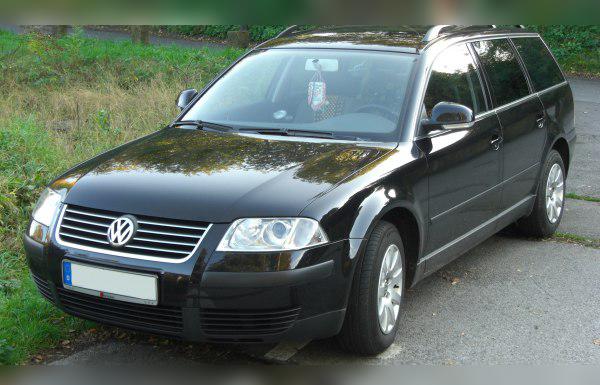
2.5 TDI V6 BDG Engine (163 HP): Ownership Experience, Issues, Fuel Consumption and Buying Used
Key points (TL;DR)
- Biggest advantage: BDG is an improved version of the V6 diesel and uses roller rocker arms, which solves the notorious camshaft wear problem that plagued older versions (AFB, AKN).
- Injection system: Uses a Bosch VP44 high-pressure pump, whose electronics are the most expensive and most common failure point.
- Timing drive: The engine uses a complex timing belt system; the major service is labor-intensive and expensive (Depends on the market).
- Fuel consumption: Not economical. In city driving it easily exceeds 10 l/100 km, especially with an automatic gearbox.
- Gearboxes: Definitely avoid Multitronic (CVT) in Audi models due to catastrophic reliability. Manual and Tiptronic are a much better choice.
- Recommendation: An excellent cruiser for long-distance driving, but due to age and maintenance costs it requires caution and a thick service history when buying.
Contents
- Introduction: The importance of the BDG engine in the V6 TDI lineup
- Technical specifications
- Reliability and maintenance
- Failures and specific components
- Fuel consumption, performance and driving
- Gearbox: Which one to choose?
- Additional options and modifications
- Buying used and conclusion
Introduction: The importance of the BDG engine in the V6 TDI lineup
The 2.5 TDI V6 diesel engine was for decades a status symbol in mid-size and upper-class sedans across Europe. However, its early generations (codes starting with the letter “A”) gained an extremely bad reputation due to catastrophic camshaft wear. This is where the BDG engine with 120 kW (163 HP) comes into play.
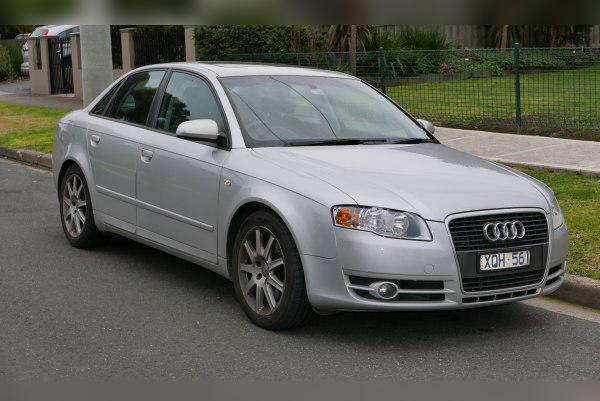
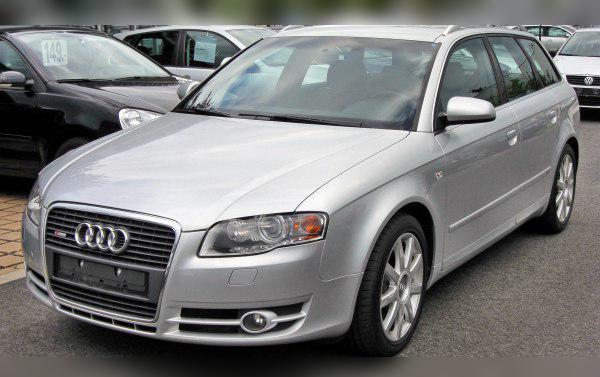
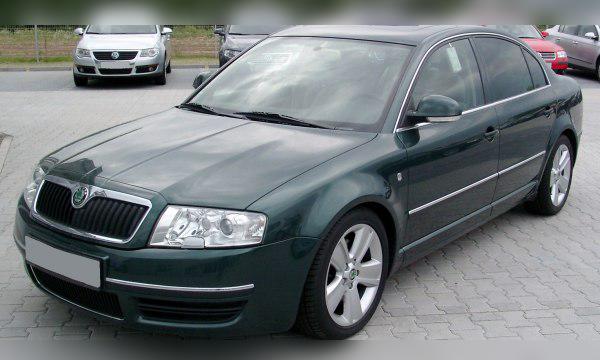
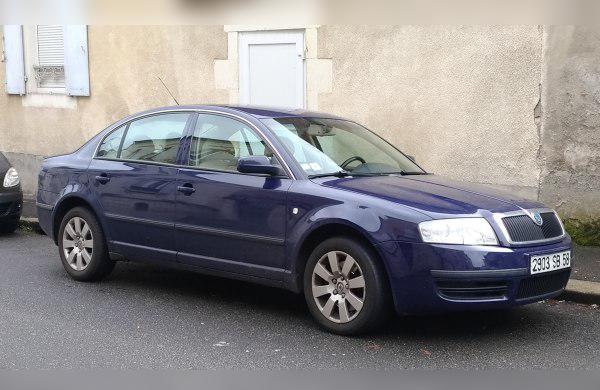
This unit, installed towards the end of the life cycle of platforms such as the Audi A4 (B7), VW Passat B5.5 and first-generation Škoda Superb, belongs to the revised “B” series of engines. Engineers replaced sliding rocker arms with roller ones, thereby eliminating the biggest factory flaw. Still, the complexity of the V6 architecture and the age of these vehicles mean that maintenance still requires a skilled mechanic and a solid budget.
Technical specifications
| Parameter | Value |
|---|---|
| Engine displacement | 2496 cc |
| Engine power | 120 kW (163 HP) at 4000 rpm |
| Torque | 310 Nm at 1400 - 3600 rpm |
| Engine code | BDG |
| Injection type | Direct injection (Bosch VP44 pump) |
| Charging system | Turbocharger with variable geometry (VGT) + intercooler |
| Emission standard | Mainly Euro 4 (depending on model year and market) |
Reliability and maintenance
Timing belt and major service
This engine uses a timing belt for the valve train drive, and not just one, but a complex system of belts, rollers and tensioners. To perform the major service, the entire front end of the car has to be removed (bumper, headlights, radiators – the so‑called “service position”), which significantly increases labor costs. The major service is usually recommended every 120,000 km. Due to the price of parts and the complexity of the job, the major service for this engine is expensive (Depends on the market), but doing it on time is absolutely crucial because a snapped belt would cause total engine failure.
Oil and service intervals
The engine takes approximately 5.4 liters of oil. It is recommended to use a quality synthetic oil of 5W-40 grade (or 5W-30 if the vehicle has been retrofitted with a DPF for certain Western markets) that meets VW 505.00 / 505.01 specifications. Minor services should strictly be done every 10,000 to 15,000 km.
Does it consume oil? Due to the very design of the V6 engine and the age of the crankcase ventilation system (oil vapor separator), it is normal for the engine to consume around 0.5 to 1 liter of oil between two services. If you notice significantly higher consumption, the cause is most often worn piston rings, leaks at the valve cover gaskets (a very common issue) or worn turbocharger bearings.
Failures and specific components
Injection system: VP44 pump and injectors
Unlike modern Common Rail systems, the BDG uses a Bosch VP44 rotary high-pressure pump. This is the Achilles’ heel of this engine. The problem is usually not in the pump’s mechanics, but in its electronic module (PSG5), which overheats due to poor diesel cooling (when the car is often driven “on reserve”). Symptoms of pump failure are sudden engine shutdown while driving and inability to restart. Overhauling the electronics is very expensive (Depends on the market).
On the other hand, the mechanical injectors are extremely durable. They have a long service life, often over 300,000 km. One injector is “smart” (it has a needle lift sensor) and communicates with the ECU. If it fails, the engine loses power and is hard to start, and replacing this specific injector is somewhat more expensive.
Turbocharger and emission systems
The engine has a single turbocharger with variable geometry (VNT). The turbo is generally very durable, and with regular oil changes its lifespan exceeds 250,000 km. The most common issue is not the turbo “blowing up” itself, but the variable-geometry vanes getting stuck due to soot buildup, which causes the so‑called “limp mode” (loss of power under full throttle).
The EGR valve is mechanical and vacuum-operated and is very prone to clogging, which restricts the engine’s breathing and increases exhaust smoke. Regular cleaning is necessary. In most cases this model does not have a DPF filter from the factory, which saves owners from huge expenses. Also, there is no AdBlue system on this engine, as it was designed long before that technology became widespread.
Fuel consumption, performance and driving
Fuel consumption in city and highway driving
This is a heavy V6 unit, and that shows in fuel consumption. In pure city driving, real-world consumption rarely drops below 9 to 11 l/100 km, and with an automatic gearbox (especially Tiptronic in the Passat) it easily reaches 12 l/100 km. On the motorway, at 130 km/h, consumption stays at a very decent 6.5 to 7.5 l/100 km.
What is it like to drive?
The 163 HP and 310 Nm engine is not a racer, especially since the heavy block loads the car’s front axle. It can feel slightly “lazy” at low revs until the turbo spools up (below 1800 rpm). Its main purpose is smooth acceleration and high cruising speed. On the motorway, in top gear, at 130 km/h the engine runs at about 2200 to 2400 rpm, which guarantees quiet and comfortable driving without cabin noise. The V6 engine sound is more refined and far more pleasant than that of the 1.9 TDI.
Gearboxes: Manual, Tiptronic and Multitronic
The choice of gearbox drastically changes the ownership experience with this engine:
- Manual gearbox (6-speed): The most reliable option. Gearbox failures are extremely rare. However, this version has a dual-mass flywheel. Symptoms of a worn flywheel include vibrations at idle, metallic rattling when switching the engine off and juddering when taking off. A complete clutch kit with dual-mass flywheel is expensive (Depends on the market), but it lasts a very long time if the car is driven normally.
- Tiptronic (Automatic): Mostly fitted in the Passat B5.5 and Škoda Superb (and in some Audi models with Quattro all-wheel drive). It is a conventional automatic with a torque converter. It is significantly more reliable, but requires mandatory oil and filter changes every 60,000 km. The most common problems come from neglecting these services, which leads to jerking during gear changes.
- Multitronic (CVT): This gearbox was installed in the Audi A4 (B7) with front-wheel drive. This is the worst possible choice. It is a continuously variable transmission (CVT) with a chain instead of conventional gears. The chain and its cones wear mechanically, and the transmission control electronics regularly fail due to overheating. Replacing or repairing a Multitronic is very expensive (Depends on the market). If you are buying an Audi, avoid the CVT at all costs.
Additional options and modifications (Tuning)
This engine is often remapped. A Stage 1 remap can be done very safely. Power can be easily raised from 163 HP to a safe 190 to 200 HP, while torque increases from 310 Nm to about 370 - 380 Nm. The stock VP44 pump and injectors can handle this increase without major stress, provided the engine is mechanically sound (turbo is not whining, clutch is not slipping).
Buying used and conclusion
What to check thoroughly before buying?
Buying a car with a BDG engine carries certain risks due to age and high motorway mileage:
- Timing belt and Bosch pump belt: If the seller claims that the major service has been done, ask for an invoice. If there is none, factor in that cost immediately after purchase.
- High-pressure pump: Pay attention to how the car starts when cold and when the engine is hot (operating temperature around 90 °C). If a hot engine cranks for a long time before starting, it is a clear sign that the Bosch VP44 pump needs an electronic or mechanical overhaul.
- Cold start and smoke: At the first start in the morning, watch the exhaust. A short puff of black smoke is acceptable for an old diesel, but bluish (oil) or thick white (coolant or unburnt diesel) smoke indicates serious issues.
- Oil leaks: Be sure to remove the upper plastic engine cover. This engine tends to leak at the valve cover gaskets, around the injectors and at the bottom of the oil pan.
- Gearbox (Multitronic): If you are looking at an Audi A4 FWD automatic, release the brake on level ground without touching the throttle. The car should move off smoothly. Any jerking or hesitation is a sign of trouble.
Conclusion
Audi, VW and Škoda models equipped with the 2.5 TDI V6 BDG (163 HP) engine are made for people who cover long distances on open roads and motorways, where the weight, sound insulation of the V6 configuration and solid power reserve for overtaking really come into their own.
The BDG code is crucial – you are spared the worst camshaft problems from the older series. Still, this is not a car for delivery work or short city trips to the corner shop. Maintaining such mechanics is costly, city fuel consumption is not negligible, and a single serious pump or gearbox failure can easily exceed a third of the vehicle’s value. Buy only a car from a conscientious owner with a proven service history, ideally combined with a manual gearbox, and enjoy the refined V6 driving experience.