Audi 2.7 TDI V6 (BPP) – Experiences, problems, fuel consumption and used-car buying tips
- The engine is excellent for long trips and highway driving, while exclusive city driving tends to "choke" it.
- The timing system uses chains mounted on the rear side of the engine, whose replacement is a very expensive operation.
- Intake manifolds with plastic swirl flaps are the best-known and most common weakness.
- The Multitronic gearbox requires meticulous maintenance and avoiding sudden accelerations, while the Tiptronic is significantly more robust.
- There is no AdBlue system, which reduces complexity, but the DPF and EGR require occasional "blowing out" on open roads.
- Fuel consumption in the city is higher due to the vehicle’s weight and V6 architecture, but it is very economical on the open road.
Contents
- Introduction: About the engine and models
- Technical specifications
- Reliability and maintenance
- Specific parts and failures
- Fuel consumption and performance
- Additional options and modifications
- Gearbox and drivetrain
- Buying used and conclusion
Introduction: About the engine and models
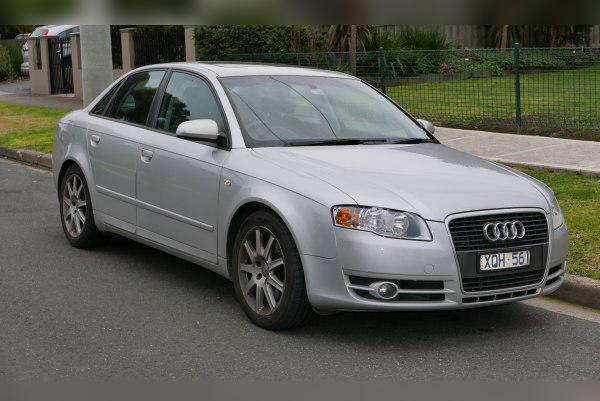
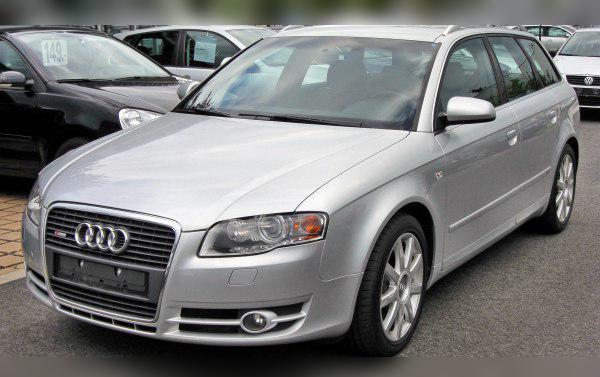
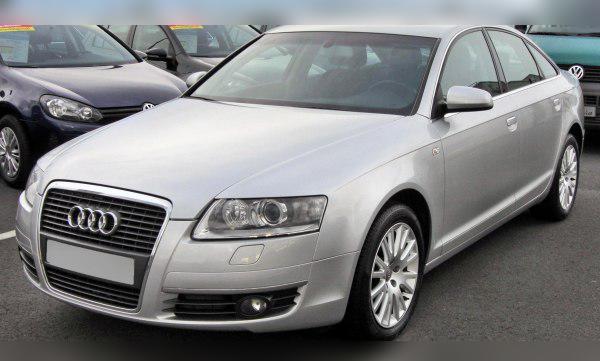
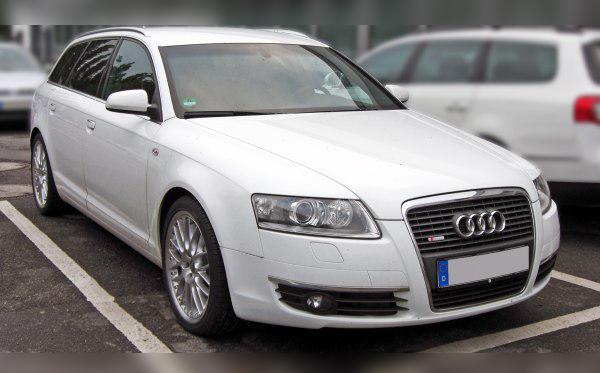
The engine with the code BPP is a well-known V6 diesel unit from the Volkswagen/Audi group. It was created as the "younger brother" of the famous 3.0 TDI engine, with which it shares most of its architecture and mechanics. It was installed in mid- and upper-class premium models during the 2000s, primarily in the Audi A4 (B7) and Audi A6 (C6), including Avant (wagon), Cabriolet and rugged Allroad versions. Its goal was to fill the gap between the four-cylinder 2.0 TDI engines and the powerful 3.0 TDI, offering the refined operation of a V6, solid torque and reasonable fuel consumption on long journeys.
Technical specifications
| Specification | Data |
|---|---|
| Engine displacement | 2698 cc |
| Power | 132 kW (180 hp) |
| Torque | 380 Nm |
| Engine code | BPP |
| Fuel and injection type | Diesel, Common Rail |
| Charging type | Turbocharger (VGT) with intercooler |
Reliability and maintenance
Timing system and major service
One of the most important questions for every buyer of this engine is the timing system. The BPP engine uses chains (more precisely, a system of several chains with tensioners and guides), not a conventional timing belt. The biggest issue is that the chains are located on the rear side of the engine (towards the firewall and gearbox). There is no strictly prescribed interval for the "major service"; it is done when the chains start rattling on cold start (most often between 200,000 and 300,000 km). Due to poor accessibility, replacement requires removing the engine or taking off the gearbox, which makes this intervention very expensive (depends on the market).
Engine oil and intervals
This V6 engine holds a generous 8.2 liters of oil. Only synthetic oil of grade 5W-30 that meets the VW 507.00 specification is recommended (mandatory because of the DPF filter). As for oil consumption, the displacement and turbo system take their toll. It is considered normal for the engine to consume about 0.5 to 1 liter of oil per 10,000 km. Although the manufacturer tolerates higher values, if the engine consumes more than a liter between services, this may indicate worn piston rings, leaks on gaskets or a worn turbocharger.
Most common failures
In addition to chain stretch, the BPP engine is notorious for problems with the swirl flaps in the intake manifold. The plastic gears inside the actuator wear out over time, the flaps get stuck, and the "Check Engine" light comes on, accompanied by loss of power. The solution is to replace the manifolds, which is expensive, or to physically and electronically delete the flaps (which many owners do). There are also frequent problems with oil leaks at the oil cooler (located in the "V" of the engine block), which can cause oil and coolant to mix.
Specific parts and failures
Injection system: injectors
This model uses a Bosch Common Rail system with piezo injectors. The injectors are generally robust, but after 200,000 to 250,000 km they begin to lose their properties due to poorer fuel quality. Symptoms of bad injectors include rough idle, increased vibrations, whitish or grayish smoke from the exhaust, harder starting and frequent DPF regenerations. Overhauling piezo injectors is difficult and they often have to be replaced with new or factory-refurbished ones, which falls into the category of expensive (depends on the market).
Turbocharger and emissions (DPF/EGR)
The engine has a single turbocharger with variable geometry (VGT). Its service life is generally over 250,000 km, provided that the engine oil is changed on time and that the engine is properly cooled down after spirited driving. Symptoms of failure are whistling, loss of power and increased oil consumption.
As for emissions, the BPP engine has an EGR valve and a DPF filter. The DPF is often prone to clogging, especially if the car is driven exclusively on short city trips. The EGR valve gets dirty from soot and recirculated gases, which often causes it to stick in the open position. Fortunately, due to the Euro 4 standard, this engine does not have an AdBlue system (SCR catalyst), so you are spared the worries about NOx sensors, pumps and urea injectors, which cause major headaches on newer generations.
Fuel consumption and performance
City and highway driving
With 180 hp and 380 Nm of torque, this engine offers very smooth acceleration. It is not overly aggressive, but it is by no means "sluggish", despite the fact that the bodies it is installed in (especially the A6 and Allroad) are very heavy. It shows its true character on the highway. Cruising at 130 km/h takes place in near-perfect silence at low revs (around 2,200 rpm, depending on the gearbox).
However, the V6 architecture and vehicle weight take their toll in the city. Real-world consumption in stop-and-go conditions is between 9.5 and 11.5 l/100 km. On open roads and main routes, consumption drops drastically and can easily go down to 6.0 to 7.0 l/100 km.
Additional options and modifications
Since this is a "detuned" version of the 3.0 TDI block, the BPP engine is an excellent base for software power increase (chiptuning). A quality and safe Stage 1 remap can raise power from 180 hp to about 220 to 230 hp, and torque from 380 Nm to a massive 450 Nm. This modification is highly recommended if the engine is mechanically in perfect condition, as it drastically improves throttle response and makes overtaking much easier, especially in heavy wagon versions of the car.
Gearbox and drivetrain
Gearbox variants
The type of gearbox in models with this engine makes a big difference in maintenance and driving feel. There are three options:
- Manual gearbox (6-speed): Very reliable. However, it is paired with a dual-mass flywheel. Replacement of the clutch kit and dual-mass flywheel is a regular occurrence at around 200,000 km and the cost is in the range of expensive (depends on the market).
- Multitronic (CVT): This gearbox was installed exclusively in front-wheel-drive (FWD) models. It provides incredibly smooth driving, but is notorious for failures. Most often, the gearbox electronics (TCM) and the chain inside the gearbox fail due to high torque. It also has its own dual-mass flywheel. Oil changes are mandatory every 60,000 km. Any shuddering when setting off is a red flag.
- Tiptronic (conventional automatic): It was installed exclusively in models with quattro all-wheel drive. It is a ZF 6-speed automatic gearbox (ZF 6HP). It is significantly more durable than the Multitronic. Although the manufacturer claims the oil is "lifetime", experienced mechanics strongly recommend changing the oil and filter every 80,000 to 100,000 km to preserve the valve body and clutch packs.
Buying used and conclusion
What to pay attention to when inspecting?
Before you hand over your money for a used car with the 2.7 TDI BPP engine, it is essential to do the following:
- Cold start: Ask the seller not to start the car before you arrive. At the first morning start, listen carefully to the engine during the first 2–3 seconds. If you hear pronounced metallic "rattling" from the rear of the engine, the chains and tensioners are due for replacement.
- Diagnostics (VCDS): Always connect the vehicle to diagnostics. Check the injector values (injector corrections in plus or minus) to assess their condition. Also check the ash mass level in the DPF filter and when the last regeneration was performed.
- Gearbox test: If you are buying a Multitronic, the car must start moving perfectly smoothly without any throttle input as soon as you release the brake. Any shuddering, hesitation or flaring revs indicate an expensive repair.
- Inspection around the oil cooler: If the "V" of the engine below the decorative plastic cover is damp with oil, you can expect to have to reseal the oil cooler.
Conclusion: Who is this engine for?
The Audi 2.7 TDI (BPP) is an engine tailored for managers and families who often travel long distances. It is extremely comfortable to drive, offers a fantastic V6 sound and robustness on open roads. However, this is not a car for someone who drives 5 km to work and back in city traffic. A clogged DPF, EGR problems and 11 l/100 km fuel consumption in the city will quickly spoil the experience. Also, when buying, set aside a reserve budget – a premium car older than a decade comes with premium maintenance costs whenever chain replacement, injectors or automatic gearbox servicing come due.