Audi 4.2 FSI V8 (BVJ) engine – Experiences, issues, fuel consumption and used-car buying tips
Key points in short (TL;DR):
- Powertrain: Naturally aspirated V8 engine with direct fuel injection (FSI) and a timing chain located at the rear of the engine.
- Most expensive failure: Timing chain stretch and tensioner wear. Replacement requires engine removal and is a very expensive job (Depends on the market).
- Specific issue: Carbon buildup on intake valves due to FSI technology.
- Fuel consumption: Expect extremely high fuel consumption in city driving (often over 18 l/100 km), while it is more reasonable on the open road.
- Gearbox: Mostly paired with a 6-speed Tiptronic automatic transmission that requires regular oil changes to preserve the torque converter and mechatronics.
- LPG conversion: Technically possible, but complicated, not cost-effective and expensive (Depends on the market) due to direct injection.
- Who is it for?: Only for enthusiasts of powerful petrol engines who are prepared for high running and registration costs.
Contents:
- Introduction to the 4.2 FSI V8 engine
- Technical specifications
- Reliability, failures and maintenance
- Specific components and injection system
- Fuel consumption and performance
- Additional options: LPG conversion and chip tuning
- Gearbox and power delivery
- Buying used and Conclusion
Introduction to the 4.2 FSI V8 engine
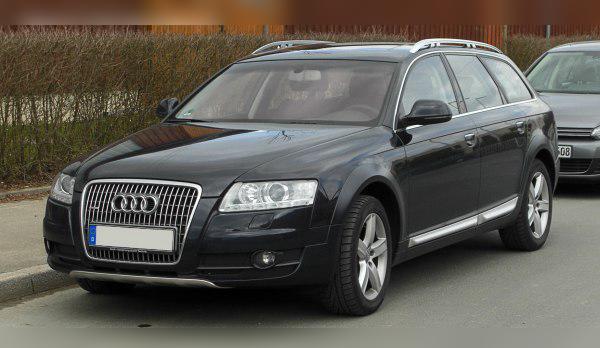
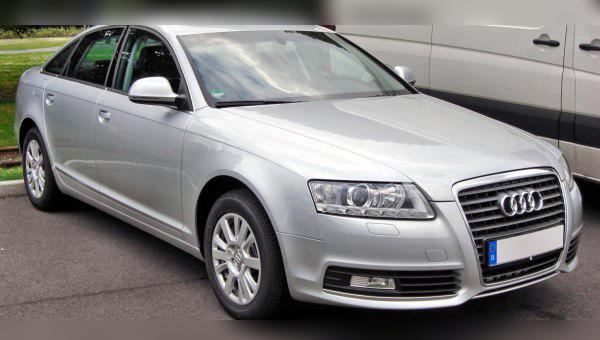
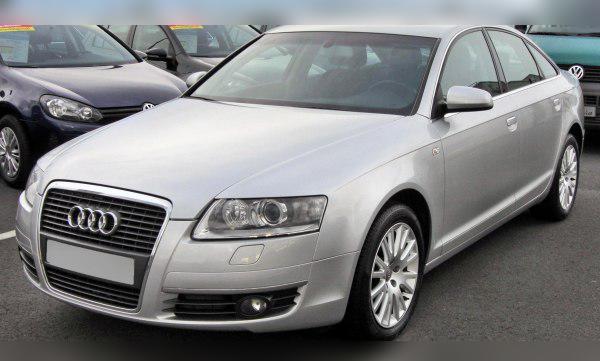
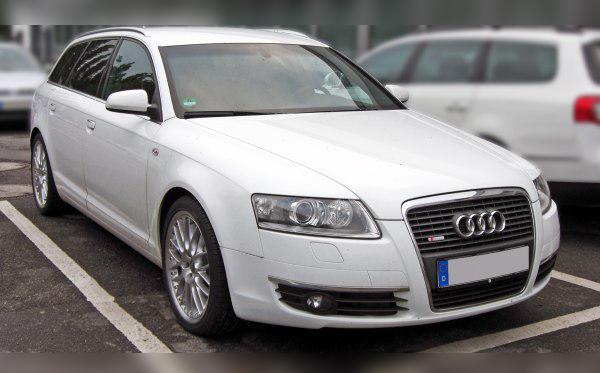
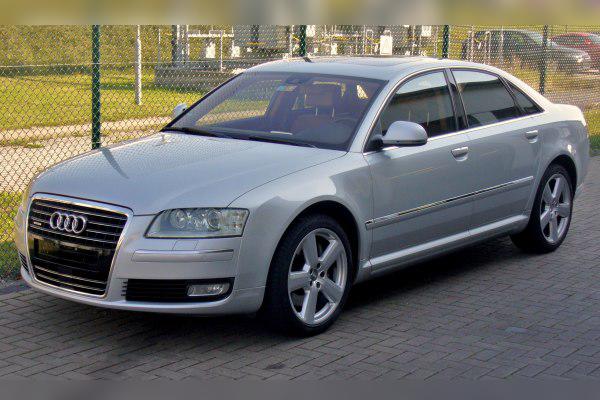
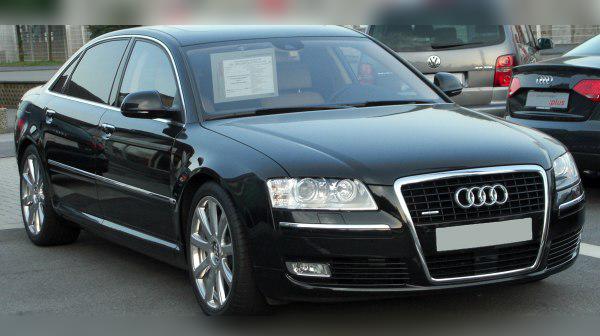
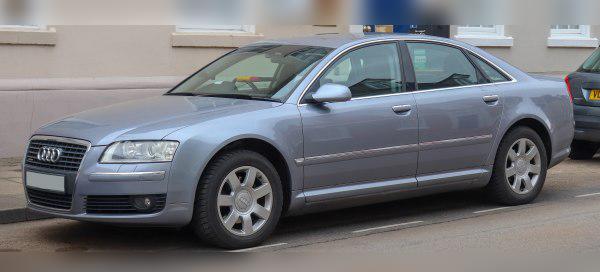
Audi’s 4.2‑liter V8 engine with the code BVJ represents a pinnacle of engineering from the mid‑2000s. This engine succeeded the older MPI version and introduced FSI direct petrol injection into the cylinders. It was predominantly installed in premium cruisers such as the Audi A6 C6 (sedan, Avant wagon and rugged Allroad), as well as the luxury Audi A8 D3 (in both standard and Long versions). With 350 horsepower, this engine was designed to deliver effortless acceleration, smooth operation and a serious sound signature, but it also brings complex mechanics that require a top‑notch mechanic.
Technical specifications
| Characteristic | Data |
|---|---|
| Engine code | BVJ |
| Engine displacement | 4163 cc |
| Engine power | 257 kW (350 hp) |
| Torque | 440 Nm at 3500 rpm |
| Injection type | Direct petrol injection (FSI) |
| Induction type | Naturally aspirated engine (No turbo) |
| Camshaft drive | Timing chain (mounted at the rear) |
Reliability, failures and maintenance
Timing system: timing belt or chain?
This engine uses a timing chain to drive the camshafts. In terms of design, engineers placed the chain system on the rear side of the engine (towards the cabin firewall). The manufacturer does not specify a fixed mileage interval for the major service (replacement of chain, tensioners and guides), but in practice the chains stretch and the plastic guides wear out between 150,000 and 200,000 km. A symptom the driver may notice is a characteristic rattling or metallic “grinding” noise on cold start that lasts a few seconds. To replace the complete timing system, the engine has to be removed from the car, which makes this job very expensive (Depends on the market).
Oil and regular servicing
The BVJ engine sump holds a large amount of oil – usually around 8.8 liters. Only high‑quality synthetic oil of 5W‑30 or 5W‑40 grade is recommended, with mandatory compliance with VW 504.00/507.00 or 502.00 specifications. As for oil consumption between services, with FSI V8 engines a certain amount of oil consumption is completely normal. A loss of 0.5 to 1 liter per 2000–3000 kilometers is considered acceptable due to ring design and operation at high temperatures. However, if the engine consumes a liter of oil in less than 1000 km, the problem may lie in the PCV valve (oil vapor separator) or, in a worse case, in wear of the cylinders themselves, which on this block are sensitive to scoring (Alusil block).
Most common failures and spark plugs
Since this is a petrol engine with direct injection, carbon buildup on the intake valves is inevitable. Fuel does not wash the valves (as with older MPI engines), so a hard layer forms that reduces airflow. Symptoms include rough idle, hesitation when accelerating and loss of power. The issue is resolved by walnut shell blasting. Also, the ignition coils often fail due to high under‑bonnet temperatures. Spark plugs must be replaced every 60,000 km to avoid misfires and to protect the coils themselves.
Specific components and injection system
Injection and high‑pressure pumps
The FSI system uses two high‑pressure fuel pumps (HPFP) driven by the camshafts. As their seals age, they can cause fuel to leak into the engine oil. The driver may notice this by the oil level on the dipstick rising and the oil having a strong petrol smell. The injectors are generally durable but sensitive to poor‑quality fuel. Their failure manifests as rough running and fault codes on diagnostics. Replacing the injectors ranges from moderately expensive to expensive (Depends on the market).
Turbo, DPF, EGR and AdBlue
This is a classic naturally aspirated petrol engine, which means it has no turbocharger or supercharger. Power delivery is linear. Also, since it is a petrol engine, it has no DPF filter or AdBlue system that cause headaches for modern diesel owners. It does not use a conventional EGR valve in the form that clogs up on diesels, but instead relies on variable valve timing for internal exhaust gas recirculation, as well as catalytic converters which can wear out and trigger the “Check Engine” light after 200,000 km.
Fuel consumption and performance
Consumption and city driving
This V8 is an absolute fuel guzzler in stop‑and‑go city traffic. Due to the heavy bodies of the A6 and A8 models and permanent quattro all‑wheel drive, real‑world city consumption rarely drops below 16 to 18 liters per 100 km, and in heavy congestion it easily exceeds 20 l/100 km.
On the motorway and driving dynamics
On the other hand, this engine is anything but “lazy”. With 440 Nm of torque available already at mid‑range rpm, it has no trouble moving bodies weighing over two tons. It performs best on the motorway, where it demonstrates exceptional smoothness. At a speed of 130 km/h, the engine is turning at very relaxed revs (usually between 2200 and 2500 rpm in 6th gear, depending on the specific model’s gear ratios). Fuel consumption on the motorway is significantly lower, typically between 9.5 and 12 l/100 km.
Additional options: LPG conversion and chip tuning
Is the BVJ suitable for LPG?
Installing an LPG system on this engine is possible, but rarely pays off and is generally not recommended. Due to the FSI system, the petrol injectors are located inside the combustion chamber. If the car were to run exclusively on LPG, the injectors would melt from the temperature. Therefore, dedicated LPG systems (which are very expensive, Depends on the market) must inject a certain percentage of petrol at the same time (usually 10–20%) to cool the injectors. As a result, the savings are drastically lower than on older engines, and the system introduces new potential failures.
How much safe power can you gain with a Stage 1 remap?
As a classic naturally aspirated engine, the BVJ is not particularly rewarding for chip tuning. Without a turbocharger whose boost pressure could be raised via software, a so‑called “Stage 1” tune brings only minimal gains, in the range of 15 to at most 25 horsepower and a slightly better throttle response. The cost of such a modification is usually not justified by the performance gain compared to the stock 350 hp.
Gearbox and power delivery
Types of gearboxes and dual‑mass flywheel
With the BVJ (4.2 FSI V8) engine in Audi’s cruisers, there is no manual gearbox; it is paired exclusively with a 6‑speed Tiptronic automatic gearbox (manufactured by ZF, usually the 6HP series). Since this is a conventional automatic, the car does not have a traditional dual‑mass flywheel and clutch disc that are replaced as wear items on manual transmissions. Power is transmitted via a hydrodynamic torque converter.
Most common Tiptronic issues and maintenance
Problems with the Tiptronic gearbox arise primarily due to neglected maintenance. The most common failures include worn torque converters (symptom: vibrations through the body under acceleration, especially around 1500–2000 rpm) and issues with the mechatronics (hydraulic valve body), which the driver feels as strong jolts and harsh shifts when engaging from “P” to “D” or when downshifting while coming to a stop at traffic lights. Fixing these problems is very expensive (Depends on the market). To ensure gearbox longevity, servicing (replacement of the filter and ATF oil) every 60,000 to 80,000 kilometers is mandatory.
Buying used and Conclusion
What to check before buying?
Buying an Audi with the 4.2 FSI engine carries certain risks and requires a thorough inspection:
- Cold start: Ask the seller to keep the car completely cold. Pay close attention to the sound at the first start. Any chain rattle lasting more than a second or two means you are facing a serious expense for a major timing service.
- Oil condition: Check the oil level on the dipstick and smell it. If you notice a strong petrol smell, this points to a problem with the high‑pressure pumps.
- Diagnostics (VCDS): Absolutely mandatory. Check camshaft adjustment values (an indication of chain stretch) and the history of misfire codes, which may point to coil issues or intake valves clogged with carbon.
- Gearbox behavior on the road: During a test drive the gearbox must shift smoothly, without any jerks, both when cold and when the oil is fully warmed up.
Final conclusion
The Audi 4.2 FSI V8 (BVJ) is a beautiful piece of engineering that delivers great performance, excellent cabin quietness and a premium driving feel. However, it is absolutely not for someone who drives a lot in the city or is looking for rational and cheap maintenance. It is intended for enthusiasts of classic V8 engines who have a secure budget for high fuel consumption, potential engine removal for chain replacement and regular servicing of an expensive automatic gearbox. If you find a car with a proper service history and timing already replaced, you will get an excellent and comfortable machine for covering huge distances.