Audi 2.0 TFSI (CDNC) 211 hp: Experiences, problems, fuel consumption and used-car buying tips
Key points in short (TL;DR)
- Great performance: With 211 hp and as much as 350 Nm, this engine offers sports‑class acceleration and strong elasticity.
- Oil consumption (Biggest downside): A factory defect in the piston rings often leads to excessive oil consumption, so the engine has to be opened.
- Timing chain: Prone to stretching, with the tensioner known to fail. Preventive inspection is mandatory to avoid catastrophic damage.
- Carbon buildup: Due to direct injection, intake valves get dirty and require periodic cleaning.
- Gearboxes: S tronic offers brutal shifting but requires expensive mechatronics maintenance, while Multitronic (CVT) should be avoided as much as possible on front‑wheel‑drive models.
- Buying conclusion: Only consider cars with full service history, ideally ones where the ring issue has already been fixed (full engine overhaul).
Contents
- Introduction: More than just a regular 2.0
- Technical specifications
- Reliability and maintenance: Chain, oil and servicing
- Specific parts and failures: What empties your wallet?
- Fuel consumption and performance: City and highway
- Gearbox: S tronic, Multitronic or manual?
- Additional options and modifications
- Buying used and conclusion
Introduction: More than just a regular 2.0
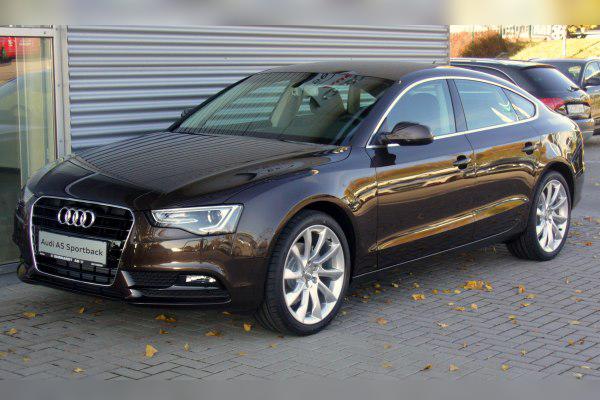
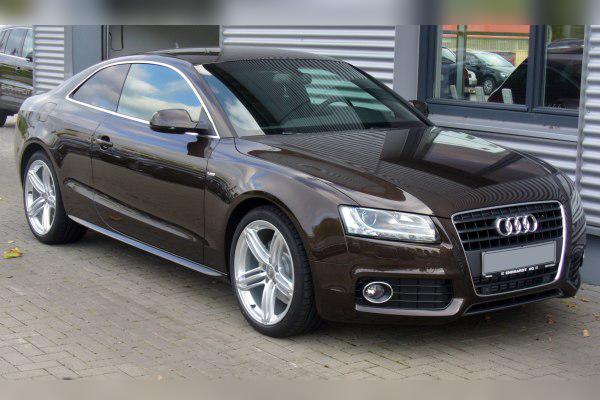
The engine code CDNC denotes the well‑known second generation (Gen 2) of Audi’s EA888 family of 2.0‑liter turbo petrol engines. This unit was widely installed in models such as the Audi A5 (Sportback, Cabriolet, Coupé), both before and after the 2011 facelift. It was a showcase of engineering, combining thoroughbred sports performance with eco‑friendliness. However, real‑world use has shown that while this engine looks brilliant on paper, in everyday operation it suffers from a number of teething problems that can cause serious headaches, especially when bought used with hundreds of thousands of kilometers on the clock.
Technical specifications
| Engine displacement | 1984 cc |
| Power | 155 kW (211 hp) |
| Torque | 350 Nm |
| Engine code | CDNC (EA888 Gen 2) |
| Injection type | Direct fuel injection (TFSI) |
| Forced induction | Turbocharger with intercooler |
Reliability and maintenance: Chain, oil and servicing
Let’s start with what interests you most – maintenance. The heart of this engine is driven by a timing chain, not a timing belt. In theory, the chain should last as long as the engine itself, but in practice this is not the case with CDNC engines. The most common failure is chain stretching and failure of the hydraulic tensioner. When the chain loses tension, it can jump a tooth, which leads to catastrophic contact between valves and pistons.
Symptoms indicating chain replacement: A rough, metallic rattling from the front of the engine on cold start (lasting a few seconds) is a red flag and calls for an urgent visit to a mechanic. There is no strictly defined interval for a “major service” in the form of chain replacement, but in practice it is usually done at around 100,000 to 150,000 km. Chain stretch should (and must) be checked via diagnostic tools by monitoring the camshaft adjustment angle.
How much oil and what is “normal” consumption?
The system holds about 4.6 liters of engine oil, and the recommended grade is 5W‑30 (for long‑life intervals), although many experienced mechanics switch to 5W‑40 to reduce oil consumption and better protect the engine under load at high temperatures.
Oil consumption is by far the weakest point of the CDNC engine. The manufacturer claims that up to 0.5 l per 1000 km is normal, but in reality, due to a design flaw in the oil control rings and clogged drain holes, these engines often burn a liter of oil every 500 to 1000 km once they reach a certain mileage. If the car has not already had a full overhaul (replacement of pistons or modification of the rings to the older, wider design), expect to top up oil as if it were fuel. This also leads to faster spark plug wear; on this petrol engine they should be replaced strictly every 60,000 km to protect the ignition coils.
Specific parts and failures: What empties your wallet?
As a classic petrol engine, it does not have a DPF filter nor a troublesome AdBlue system, which is a big relief compared to diesel alternatives. Still, it has its own expensive components.
Injection system and carbon buildup
This is a TFSI unit, meaning fuel is injected directly into the cylinder at very high pressure via a high‑pressure fuel pump (HPFP). The injectors themselves are not particularly failure‑prone, but the system suffers from the same issue that affects all direct‑injection engines – carbon buildup on the intake valves. Since petrol no longer washes over the valves on its way to the cylinder, oil vapors stick to them and get baked on. Symptoms include rough idle, engine “stumbling”, loss of power and increased fuel consumption. The solution is mechanical valve cleaning (walnut shell blasting), which is not excessively expensive (depends on the market) but needs to be done roughly every 80,000 km.
Turbocharger and PCV valve
The engine uses a single turbocharger (most often made by IHI). The turbo itself has a good service life (easily over 200,000+ km with regular oil changes), but the so‑called wastegate arm often wears and develops play. When that happens, you will hear rattling when revs drop, and the car may log an underboost fault code. Fixing it requires a turbo rebuild. Another common and annoying issue is rupture of the PCV valve diaphragm (oil vapor separator). The symptom is a loud whistling noise at idle and fluctuating revs. Fortunately, replacing the PCV valve is not an expensive job.
Fuel consumption and performance: City and highway
With 211 hp and a full 350 Nm (available from as low as 1500 rpm), this engine is anything but sluggish. On the contrary, it behaves almost like a modern turbo‑diesel when you step on the gas, yet happily revs into the red like a proper petrol. It carries the weight of the Audi A5 without any effort.
Real‑world fuel consumption:
- City driving: Expect between 10.5 and 13 l/100 km. With a heavy right foot, that figure easily climbs higher.
- Highway: At 130 km/h, in seventh or eighth gear, the engine cruises at a very relaxed 2100–2400 rpm. Consumption then drops to a perfectly reasonable 7 to 8 l/100 km.
Gearbox: S tronic, Multitronic or manual?
The way this engine feels changes drastically depending on which gearbox it is paired with.
S tronic (7‑speed DSG)
This dual‑clutch gearbox was mostly fitted to quattro versions. It shifts unbelievably fast, but comes with its own risks. The most common failures involve the mechatronics unit and worn clutch packs (symptoms: jolts when setting off, jerking from first to second gear, and difficulty engaging reverse). Oil and filter in the S tronic must be changed every 60,000 km. Repairing this gearbox is very expensive (depends on the market).
Multitronic (CVT with 8 virtual ratios)
Found exclusively in front‑wheel‑drive (FWD) versions. This continuously variable transmission offers smoothness, but struggles with transmitting high torque (350 Nm). There are many known cases of chain stretching and breaking inside the gearbox, as well as TCU (gearbox ECU) failures. Avoid Multitronic with such a powerful engine unless you are prepared for costly repairs.
Manual gearbox (6‑speed)
The most reliable option, although rarer in A5 models. Gears and synchros are long‑lasting. However, it is important to note that regardless of whether you have a manual or S tronic, both setups use a dual‑mass flywheel. Replacing the complete clutch kit and dual‑mass flywheel on this model is a very expensive job (depends on the market). Although the manufacturer states that the oil in the manual gearbox is “lifetime fill”, experienced mechanics strongly recommend draining and refilling it every 100,000 km.
Additional options and modifications
Is this engine suitable for LPG?
Short answer: Not ideal. Since this is a direct‑injection (TFSI) engine, standard LPG systems cannot be installed. The petrol injectors sit inside the combustion chamber and must be cooled by petrol to avoid melting. This means you need a special and expensive system that injects LPG in liquid phase or a system that constantly mixes LPG and petrol (consuming both while driving). Installation is very costly (depends on the market), so in the end the math rarely works out.
Chip tuning (Stage 1)
If you like modifications, this is your playground. The CDNC engine is fantastic for remapping. With just ECU software changes (Stage 1), power safely jumps from 211 hp to around 250–260 hp, and torque goes beyond 400 Nm. The engine handles this power very well, provided it is in perfect condition and regularly serviced with top‑quality oil.
Buying used and conclusion
Buying an Audi A5 with the 2.0 TFSI (CDNC) engine can be a fantastic experience or a financial money pit. What exactly should you check?
- Chain rattle: Ask the seller to keep the car completely cold before you arrive. Have someone start the engine while you stand by the open bonnet. Any rattling sound like a ratchet in the first 2–3 seconds means the timing system needs immediate attention.
- Exhaust and blue smoke: Rev the engine while stationary and ask someone to follow you during the test drive. If you see blue smoke from the exhaust when accelerating, or the tailpipes are oily and as black as on an old diesel – the engine is burning huge amounts of oil and is due for new rings and pistons.
- Diagnostics: Read the measuring blocks to see the cam/crank correlation (chain status) and scan the gearbox fault memory (especially on S tronic models).
Final verdict: Who is this engine for?
This engine is for drivers who want excellent performance and quiet operation without the “tractor” sound of a diesel, and who have the budget for regular, expert and often preventive maintenance. If you find a car whose previous owner has already “done the engine” (fixed the rings and oil consumption) and fitted the revised timing chain, you get a fantastic machine. If you buy a neglected example guided only by the attractive looks of the Audi A5 and a low classified price – be prepared for very expensive surprises at your local workshop.