Audi 3.0 TDI V6 (CDUC, CKVB, CKVC) – Experiences, problems, fuel consumption and used car buying tips
- Powerful and flexible: With 245 hp and 500 Nm, this engine easily handles heavy bodies such as the Audi A7 or A4/A5 models equipped with quattro drive.
- Timing chain: A complex chain system is located at the rear of the engine. Replacement is not done at a fixed mileage, but when the chain starts rattling, and the repair is demanding.
- S tronic gearbox: Requires strict maintenance (oil change every 60,000 km). Neglect leads to expensive mechatronics failures.
- City driving "chokes" it: DPF and EGR systems are sensitive to short trips, where they clog up quickly.
- AdBlue system: Present in "Clean Diesel" versions, it can be prone to electronic and mechanical failures (pumps, heaters).
- Made for cruising: It excels on the highway, offering top comfort with surprisingly low fuel consumption.
Contents
- Introduction and model applications
- Technical specifications
- Reliability and maintenance
- Specific parts and failures
- Fuel consumption and performance
- Gearbox and drivetrain
- Additional options and modifications
- Buying used and conclusion
Introduction and model applications
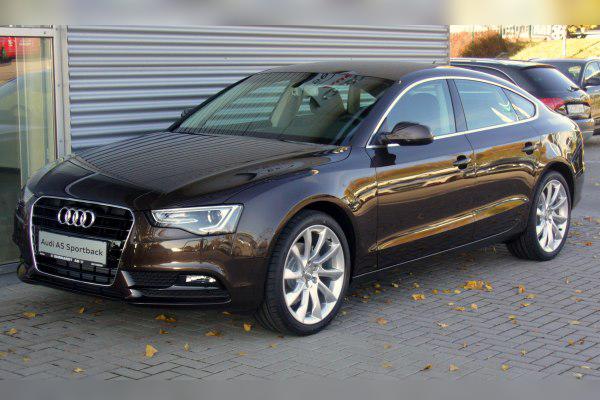
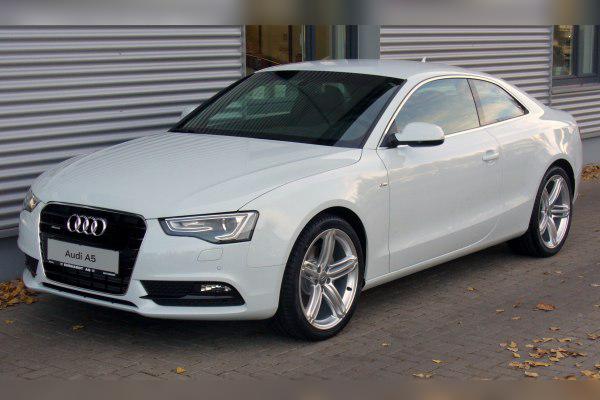
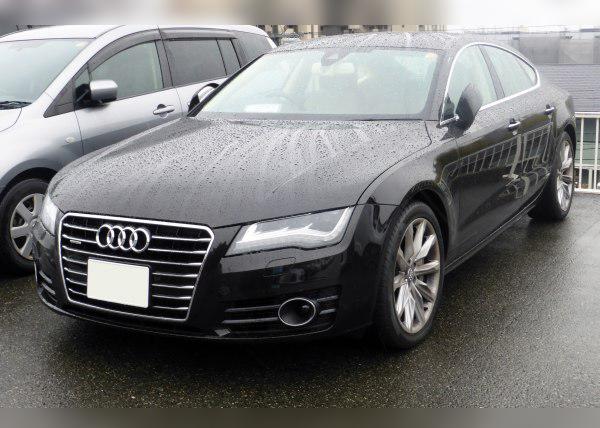
The 3.0 TDI V6 engine with codes CDUC, CKVB and CKVC represents the second generation of Audi’s popular diesel, optimized for lower exhaust emissions and better efficiency. It was mostly installed from 2011 (post-facelift) in popular models on the "MLB" platform. You can find it under the bonnet of the Audi A4 (B8 facelift) and its Avant versions, the entire A5 family (Coupe, Sportback, Cabriolet), as well as in the elegant Audi A7 (C7).
This powerplant is an engineering masterpiece for long-distance travel. It is often paired with quattro all-wheel drive, and on the market it can be found in standard versions with a DPF, as well as in "Clean Diesel" variants that additionally use AdBlue technology to meet strict Euro 6 standards.
Technical specifications
| Specification | Value |
|---|---|
| Displacement | 2967 cc |
| Power | 180 kW (245 hp) |
| Torque | 500 Nm |
| Engine codes | CDUC, CKVB, CKVC |
| Injection type | Common Rail (Direct injection) |
| Charging system | Variable-geometry turbocharger, intercooler |
Reliability and maintenance
This three-liter V6 diesel uses a timing chain to transfer power to the camshafts. Structurally, the chains and tensioners are located at the rear of the engine (facing the gearbox). The manufacturer did not specify a fixed mileage for a major service. In practice, the chain is replaced when it stretches, which the driver can notice by a specific rattling or scraping noise from the engine bay, most often during a cold start. For most models this happens between 200,000 and 250,000 km. The cost of chain replacement ranges from expensive to very expensive (depending on the market), because the procedure usually requires removing the engine or lowering the entire front subframe together with the gearbox.
For a minor service you need between 6.4 and 6.7 liters of oil (depending on the exact type of oil pan), and it is recommended to use only fully synthetic oil of grade 5W-30 or 0W-30 that meets the VW 507.00 standard. The engine is generally not a big oil consumer. Consumption of 0.2 to 0.5 liters per 10,000 km is considered absolutely normal. However, it is important to visually inspect the V-block of the engine (the space between the cylinder heads), because it is known that over time the seals of the EGR cooler or the oil filter housing can start leaking, causing oil or coolant to accumulate in that area.
When it comes to the injectors, this engine uses advanced Bosch piezo-electric injectors in a Common Rail system. In practice, the injectors have proven to be very durable and, with quality fuel, easily exceed 250,000 km. If wear does occur, the first symptoms are rough idle, "hesitation" under acceleration, and white or bluish smoke from the exhaust due to improper fuel atomization.
Specific parts and failures
Dual-mass flywheel and clutch
Yes, the 3.0 TDI (CDUC, CKVB, CKVC) always has a dual-mass flywheel, regardless of whether it is paired with a manual or S tronic gearbox. Its role is crucial, as it absorbs the massive 500 Nm of torque and protects the crankshaft and gearbox from shocks. Symptoms of wear include vibrations at idle, shuddering when switching off the engine, and jolts when changing gears. Replacing the entire set is very expensive (depending on the market).
Turbocharger
The engine has one, but large variable-geometry turbocharger (VGT). The turbo’s service life is excellent and it rarely fails before 250,000 km, provided that the oil is changed regularly and that the engine is allowed to cool for a couple of minutes at idle after hard highway driving. Failures usually occur on the turbo’s electronic actuator (geometry control), which results in "limp mode" (engine safety mode with loss of power).
EGR, DPF and AdBlue systems
The main drawbacks of this engine, as with most modern diesels, are closely related to emissions systems. The DPF filter and EGR valve suffer if the car is driven predominantly in city traffic and on short trips where the engine does not reach its operating temperature of 90 °C. The EGR tends to clog with soot, while interrupted DPF regenerations lead to a warning light on the instrument cluster and potential fuel dilution of the engine oil.
Versions labeled as "Clean Diesel" are equipped with an AdBlue (SCR) system. This system often causes headaches for owners. The most common failures are the pump in the AdBlue tank, the tank heater (which prevents the fluid from freezing in winter) or the NOx sensors in the exhaust. Repairing these components is extremely expensive (depending on the market).
Fuel consumption and performance
Despite its large displacement, Audi has achieved an impressive balance between performance and efficiency. Thanks to the huge torque of 500 Nm available from just 1,400 rpm, this engine is anything but sluggish. Whether it powers an A4 or a more than 1.8-ton A7 quattro, throttle response is strong and provides superior in-gear acceleration.
In city driving, depending on the vehicle’s weight and driving style, real-world fuel consumption ranges from 8.5 to 11 l/100 km. On the other hand, its natural habitat is the highway. When cruising at 130 km/h, thanks to long gearbox ratios, the engine spins at a very relaxed ~1,800 to 2,000 rpm. Under such conditions, the cabin is excellently soundproofed and fuel consumption drops to a very acceptable 6.0 to 7.0 l/100 km.
Gearbox and drivetrain
This engine most commonly comes paired with a seven-speed S tronic dual-clutch automatic gearbox (code DL501), especially in quattro variants. A 6-speed manual gearbox is less common.
Manual gearbox
Manual gearboxes are mechanically extremely durable and rarely fail. The main maintenance cost is replacing the clutch kit and dual-mass flywheel. Due to the engine’s high torque, careless driving can shorten the service life of the clutch disc.
S tronic (automatic gearbox)
The S tronic provides lightning-fast gear changes and fantastic comfort, but comes with certain risks. Regular servicing is absolutely mandatory every 60,000 km and involves changing the oil and filter in the gearbox. If this is neglected, dirty fluid and elevated temperatures quickly destroy the mechatronics (the electro-hydraulic control unit).
The most common symptoms of failure are jerking when slowing down and coming to a stop, harsh shifts from first to second gear, or a delay when engaging "R" (reverse). Overhauling the mechatronics and replacing the clutch packs in an S tronic gearbox is a very costly job (depending on the market).
Additional options and modifications
This three-liter diesel is extremely popular among performance enthusiasts because it has fantastic hardware potential. A safe Stage 1 remap (software-only ECU tuning) can raise the power from the stock 245 hp to an impressive 290 to 300 hp, while torque climbs to a brutal 600+ Nm.
Mechanically, the engine handles this modification very well, but S tronic owners are advised to be cautious. Excessive low-end torque can overload the automatic gearbox’s clutch packs, which is why serious tuners, along with the engine map, always recommend a matching software adjustment (remap) of the gearbox.
Buying used and conclusion
Before buying a used Audi with this engine, diagnostics and a thorough inspection are crucial, as repairs can amount to a third of the car’s total value.
What should you definitely check?
- Cold start: The engine must be completely cold before you start it. Listen carefully to the rear of the engine near the firewall – any rattling that lasts longer than one to two seconds means the chain is due for replacement.
- Diagnostics (VCDS): You need to read the DPF saturation values (ash mass), EGR operating parameters, as well as injector correction values. Readings in the positive or negative beyond the allowed tolerances indicate worn injectors.
- Gearbox condition: During the test drive, warm the gearbox up to operating temperature and slow down to a complete stop several times. Jerking is a sign of a serious problem.
- Fluid leaks: Be sure to inspect the engine under the plastic cover. There must be no accumulated black oil or coolant residue in the so‑called V-block.
Conclusion
The Audi 3.0 TDI V6 (245 hp) is a premium powerplant reserved for people who spend most of their time on open roads. It offers a fantastic combination of power, stability (with quattro drive) and reasonable fuel consumption. However, this is not a car for everyday city runs to the supermarket. Short trips will kill the DPF and EGR, and maintaining this V6 diesel, especially the chain and automatic gearbox, requires a stable budget. If you find a well-maintained example and mostly drive outside the city, you will get a reliable and powerful sedan (or estate/coupé) that dominates the motorways.