Audi 3.0 TDI V6 (CLAA, CLAB) 204 HP: Experiences, problems, fuel consumption and used-car buying tips
Key points (TL;DR)
- Timing and drive: Uses a timing chain located at the rear of the engine; replacement is very expensive because the engine has to be removed.
- Reliability: Generally a robust V6 engine; covering 300,000+ km is not uncommon with regular maintenance.
- Most common issues: Chain rattle on cold start, oil leaks in the V of the engine block, clogged EGR valve and DPF due to predominantly city driving.
- Transmissions – critical point: Avoid the Multitronic (CVT) gearbox on front‑wheel‑drive models; S tronic (quattro) is excellent but requires strict servicing every 60,000 km.
- Performance: Although this is the “weakest” 3.0 TDI in the C7 generation with 150 kW (204 HP), the engine copes very well with the vehicle’s weight and is extremely suitable for remapping (Stage 1).
- Costs: Maintenance is expensive to very expensive (depends on market); specific parts such as injectors, dual‑mass flywheel and S tronic mechatronics require a deeper pocket.
Contents
- Introduction: Get to know the 3.0 TDI CLAA / CLAB
- Technical specifications
- Reliability and maintenance
- Specific parts and costs
- Fuel consumption and performance
- Additional options and modifications
- Transmissions: S tronic, Multitronic or manual?
- Buying used and conclusion
Introduction: Get to know the 3.0 TDI CLAA / CLAB
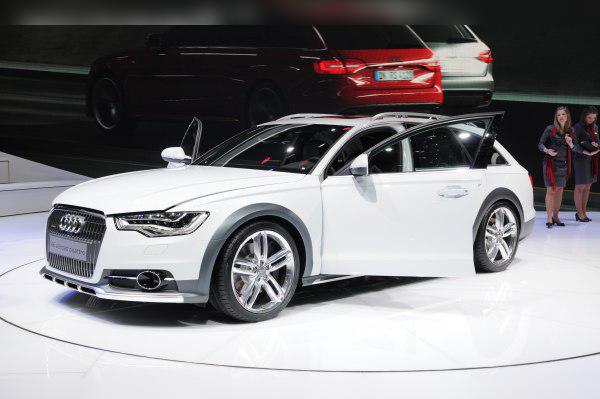
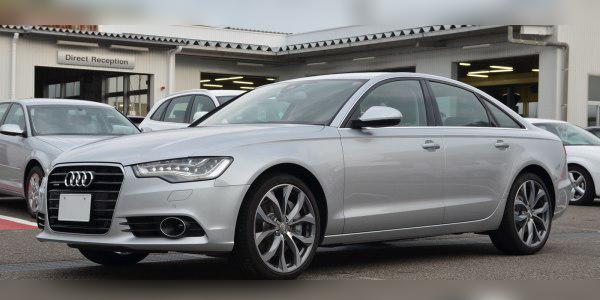
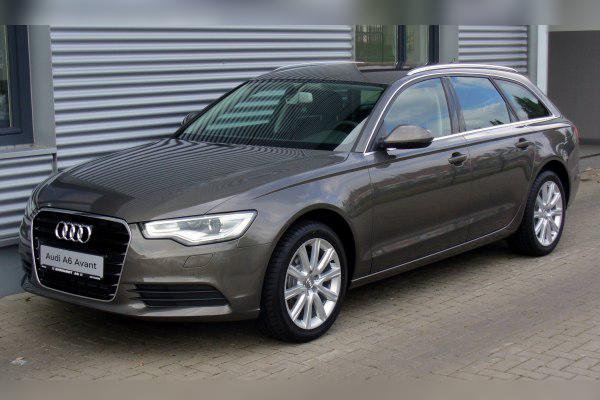
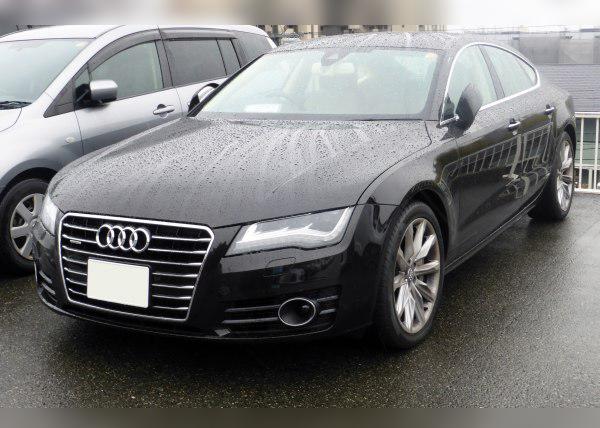
When someone mentions the Audi A6 or A7 C7 generation (from 2011 onwards), the 3.0 TDI V6 is probably the most desirable engine under the bonnet. Versions with engine codes CLAA and CLAB are the entry ticket into the world of V6 diesels with their 150 kW (204 HP) and 400 Nm of torque.
This engine was designed as a quieter, more refined and more economical alternative to the more powerful 245 HP version. It was fitted in sedans and Avants, as well as Allroad versions. Its main role is to comfortably swallow motorway kilometres with significantly lower fuel consumption and lower tax burdens in many European countries, while retaining the smoothness that comes with a six‑cylinder layout.
Technical specifications
| Specification | Value |
|---|---|
| Engine displacement | 2967 cc |
| Power | 150 kW (204 HP) at 3250 - 4500 rpm |
| Torque | 400 Nm at 1250 - 3500 rpm |
| Engine codes | CLAA, CLAB |
| Injection type | Common Rail (direct injection) |
| Aspiration / charging | Turbocharger (VGT), intercooler |
| Valve timing drive | Timing chain |
Reliability and maintenance
Does this engine have a timing belt or a chain?
The engine uses a timing chain (in fact a complex system of several chains). The chain is located at the rear of the engine, towards the gearbox and the firewall. This design solution means that when the time comes for replacement, the engine has to be removed from the car or the gearbox has to be taken off together with suspension components, which significantly increases labour costs.
Most common failures and symptoms
Although the CLAA/CLAB is mechanically very durable, it comes with a few typical issues:
- Chain rattle (chain tensioners): The first sign of worn timing components is a metallic noise (rattle) lasting 2 to 5 seconds at the first cold start in the morning. The problem is usually caused by hydraulic chain tensioners that gradually lose oil pressure.
- Oil leak in the V of the engine block: The oil cooler, located in the middle of the “V” between the cylinder heads, starts to leak over time due to gasket degradation. The driver will notice the smell of burnt oil in the cabin or oil traces running down the engine block below the turbocharger.
- Coolant leaks: The coolant control valve (often connected to the EGR cooler) can crack. Loss of antifreeze without an obvious puddle under the car is a clear symptom.
Major and minor service
Unlike engines with a timing belt, there is no fixed interval for a major service (chain replacement) here. In practice, the factory chain usually lasts between 200,000 and 250,000 km. It is replaced when diagnostics show excessive deviation in camshaft and crankshaft synchronization, or when cold‑start rattle becomes constant and too long.
The engine takes approximately 6.4 litres of engine oil. Only fully synthetic 5W-30 oil that meets the VW 504.00/507.00 standard is recommended (so‑called Low SAPS oil, necessary because of the DPF). Do minor services every 10,000 to a maximum of 15,000 km; forget factory “LongLife” recommendations of 30,000 km intervals if you want to preserve the chain and turbo.
Oil consumption
These V6 TDI engines are not known as “oil burners” like some petrol TFSI units. Consumption of 0.5 to 1 litre of oil per 10,000 km is considered absolutely normal and acceptable, especially on higher‑mileage examples. If the engine consumes more than that, the problem should be sought in the PCV valve (oil separator) or in the turbocharger itself.
Specific parts and costs
Injection system (injectors)
The engine uses a Common Rail injection system with very precise and sensitive Bosch piezo injectors. Fuel quality is crucial. Injectors typically last between 200,000 and 300,000 km. Symptoms of bad injectors include: rough idle, increased fuel consumption, white or grey smoke under acceleration and frequent DPF regenerations. Overhauling these injectors is possible, but buying new/reconditioned units is expensive (depends on market).
Turbocharger
The system has a single turbocharger with variable geometry (VGT). Its service life is quite long (often over 250,000 km) if the engine is regularly maintained with quality oil and if the driver follows the rules for cooling the turbo (idling for a minute or two) after aggressive motorway driving.
DPF filter, EGR valve and AdBlue
This model is equipped with both a DPF filter and an EGR valve. Both systems tend to clog if the car is predominantly driven in the city on short trips. Symptoms of a clogged EGR include jerking while driving and the “Check Engine” light coming on. A clogged DPF will put the car into limp mode (emergency mode with reduced power).
When it comes to AdBlue (NOx reduction system), the situation depends on the exact model year and Euro standard. Most early CLAA/CLAB engines (Euro 5) do not have an AdBlue system. However, later versions with the “Clean Diesel” label (closer to Euro 6 standard) do. If the car has AdBlue, the most common problems include failure of the heater in the AdBlue tank or pump failure, which is very expensive to fix (depends on market).
Fuel consumption and performance
Real‑world consumption and city driving
Let’s be realistic: the Audi A6/A7 is a heavy cruiser (around 1.8 tonnes, depending on equipment and drivetrain). Real‑world consumption in stop‑and‑go city driving is between 8.5 and 10.5 l/100 km. Quattro versions inevitably use about one litre more than front‑wheel‑drive models.
Is 204 HP too little (is it “lazy”)?
Absolutely not. With 400 Nm of torque available from as low as 1250 rpm, the engine offers fantastic flexibility. The car doesn’t provide the aggressive “kick in the back” of the 245 or 313 HP (BiTDI) versions, but rather linear, strong and smooth acceleration. The driving feel is confident and you will never feel a lack of power when overtaking on country roads.
Behaviour on the motorway
This is its natural habitat. On the motorway at 130 km/h, in top gear (7th gear with the S tronic gearbox), the engine “sleeps” at a comfortable 1800 to 1900 rpm. In this cruising mode, fuel consumption drops to an excellent 6.0 to 7.0 l/100 km. Sound insulation is top‑notch, so the V6 growl is barely noticeable in the cabin.
Additional options and modifications
Remapping (Stage 1 chiptuning)
CLAA and CLAB engines are fantastic candidates for remapping. Since many mechanical components are shared with the more powerful version (with minor differences in injection mapping and turbo settings), this 204 HP engine can be safely and reliably raised to 250 - 260 HP and around 500 - 520 Nm of torque with a Stage 1 ECU optimisation. After this modification, the car breathes noticeably easier at higher revs, while fuel consumption in normal driving remains the same or slightly lower.
Transmissions: S tronic, Multitronic or manual?
The choice of gearbox changes the entire character of the car, as well as the potential maintenance risk.
- Manual gearbox (6‑speed): Very rare, only with front‑wheel drive. Very reliable. The most common expense is replacement of the dual‑mass flywheel and clutch kit when it starts to shudder on take‑off or when the pedal becomes stiff. Replacement cost is high (depends on market).
- Multitronic (CVT – continuously variable transmission): Fitted exclusively to front‑wheel‑drive (FWD) models. Mechanics’ advice: BE CAREFUL! Although it offers extremely smooth, jerk‑free driving, this gearbox is notorious for failures of the control unit (TCM) and stretching of the transmission chain. Failures manifest as jerking when setting off or loss of gears. Overhaul is very expensive.
- S tronic (7‑speed, DL501): Dual‑clutch automatic, fitted only with quattro drive. Offers lightning‑fast gear changes. Failures include problems with the mechatronics (electro‑hydraulic module) and dual‑clutch packs (symptoms: jolts when shifting from 2nd to 1st gear, hesitation when setting off). S tronic also has an integrated dual‑mass flywheel that must be replaced when worn, which makes repairs very expensive (depends on market).
Transmission service
Regardless of whether you have Multitronic or S tronic, regular servicing and oil and filter changes in the gearbox every 60,000 km are absolutely mandatory! Skipping this service guarantees gearbox failure in the near future.
Buying used and conclusion
What exactly should you check before buying?
When looking at a used Audi with this engine, focus on the following:
- Cold start: Insist that the engine is completely cold when you arrive. Have someone start the car while you stand outside by the front wheels. If you hear metallic rattling (krrrr) for longer than 2–3 seconds, count on a timing chain replacement soon.
- Diagnostic check (VCDS/ODIS): Always check injector corrections (they must not deviate drastically from zero) and the level of DPF saturation (ash mass / oil ash volume).
- Test drive – gearbox: With automatics, put it in ‘D’, release the brake on a slight incline without adding throttle – the car must move off smoothly. While driving, decelerate aggressively so the gearbox quickly downshifts; there must be no jolts or “kicks”.
- Visual inspection around the engine: Remove the plastic engine cover and shine a torch into the space between the cylinder heads (V‑block). If there is a build‑up of baked‑on oil, the oil cooler is leaking.
Conclusion: Who is it for?
An Audi equipped with the 3.0 TDI (CLAA/CLAB) 204 HP engine is ideal for drivers who cover serious mileage on open roads and want a luxurious, safe ride with excellent acoustic comfort from a six‑cylinder, but do not want to pay the penalties in insurance and fuel consumption that come with the 245 HP version.
If you are looking for this car, the best possible combination is quattro drive with S tronic gearbox and a thoroughly documented service history. Avoid examples without maintenance history or those predominantly used in city “taxi” mode, because the “saving” on purchase price can catch up with you at the first serious failure of injectors, timing chain or gearbox.