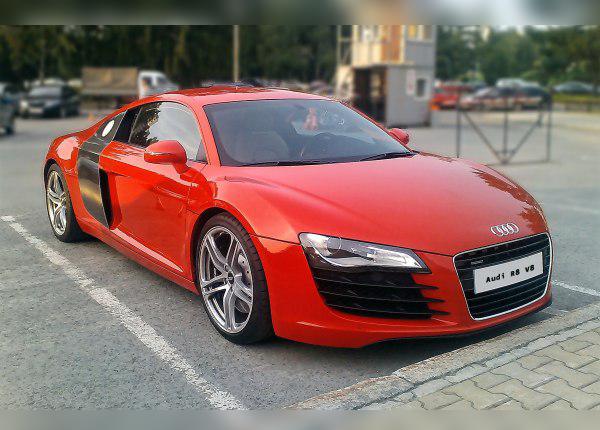
Audi 5.2 FSI V10 (CTPA) – Experiences, problems, fuel consumption and used-buying tips
1. Key points in short (TL;DR)
- Performance and sound: Top-class naturally aspirated engine with 550 hp, offering linear throttle response and one of the best sounds in the automotive industry.
- Transmission: The dual-clutch S tronic is a drastic improvement over the older R tronic, while the manual gearbox is a treat for purists.
- Timing system: The engine uses a timing chain, and replacement is very expensive because the entire timing assembly is located at the rear of the engine (requires engine removal).
- Most common issues: Carbon buildup on intake valves due to FSI technology, ignition coil failures and oil consumption.
- Maintenance costs: Expect very high prices. From the amount of oil it takes to the cost of specific parts like the dual-mass flywheel – everything falls into the category of very expensive (Depends on the market).
- Fuel consumption: In city driving it rarely drops below 20 l/100 km.
2. Contents
- Key points in short (TL;DR)
- Introduction: The heart of the Audi R8
- Technical specifications
- Reliability and maintenance
- Specific parts and costs
- Fuel consumption and performance
- Additional options and modifications
- Gearbox: S tronic vs Manual
- Buying used and conclusion
3. Introduction: The heart of the Audi R8
The engine with the code CTPA represents the very pinnacle of engineering from Ingolstadt, developed in close cooperation with Lamborghini. It was primarily installed in the Audi R8 Coupe (2012 facelift) 5.2 FSI V10 plus. This was the era when naturally aspirated engines slowly started giving way to turbo units, which makes this V10 extremely important and highly sought after among collectors and true performance enthusiasts. With 550 horsepower, direct injection and extremely high revs (the redline starts above 8,000 rpm), this engine offers a raw driving experience, but also demands uncompromising maintenance.
4. Technical specifications
| Specification | Value |
|---|---|
| Displacement | 5204 cc (5.2L) |
| Power | 405 kW (550 hp) |
| Torque | 540 Nm |
| Engine code | CTPA |
| Injection type | FSI (Direct petrol injection) |
| Induction | Naturally aspirated |
5. Reliability and maintenance
When you buy a supercar, you must be aware that maintenance is nothing like that of standard sedans. The CTPA engine uses a timing chain (more precisely, a complex system of four chains) located at the rear of the engine, next to the gearbox. The chain itself is quite robust, but the tensioners and guides can show signs of fatigue after 100,000 to 150,000 km. Due to the specific position, replacing the timing system (the “major service”) requires removing the entire engine from the chassis, which makes labor costs extremely high.
The most common failures on this V10 FSI engine are related to carbon buildup on the intake valves. Because of direct injection, fuel does not wash the valves. Symptoms include rough idle, loss of power at high revs and “misfire” fault codes on diagnostics. The solution is physical valve cleaning (so‑called “walnut blasting”) every 60,000 to 80,000 km. Also, ignition coils and spark plugs are consumables; it is recommended to replace all 10 spark plugs every 30,000 to 40,000 km at most.
As for lubrication, this engine takes about 8.3 to 9 liters of oil (depending on the filter and cooler), and the system uses a dry sump so it does not lose oil pressure in fast corners. The recommended grade is 5W-40 (or 5W-30 with the appropriate VW 502 00 / 504 00 approval). Yes, this engine consumes oil between services, and that is completely normal from the factory. Consumption of about 1 liter per 3,000 to 5,000 km is typical for a healthy unit, although Audi, in extreme cases, states up to 1 liter per 1,000 km as “acceptable”. You must check the oil level regularly!
6. Specific parts (Costs)
As a thoroughbred petrol engine, this unit has no turbochargers, no DPF filter and does not use AdBlue, which frees you from many of the worries that come with modern diesels and turbo petrol engines. However, it has other, expensive components.
The engine is equipped with a dual-mass flywheel (regardless of whether it is paired with a manual or S tronic gearbox), and the cost of replacing the clutch and flywheel is very high (Depends on the market). The fuel system relies on FSI technology. It has two high-pressure fuel pumps (HPFP) that can weaken, and their cam followers must be checked preventively so they do not damage the camshaft. The injectors themselves are generally not problematic, but if they start leaking or get stuck, they can wash the oil off the cylinder walls and cause catastrophic engine damage. Keeping the injectors clean by regularly using fuel additives is highly recommended.
7. Fuel consumption and performance
Physics is unforgiving – a naturally aspirated 5.2‑liter V10 has to use a lot of fuel. In city driving, real-world consumption rarely drops below 20 to 25 l/100 km. If you drive it the way it was designed to be driven, expect significantly more.
As for the question of whether this engine is “lazy” for the chassis – the answer is absolutely not. The Audi R8 is built from aluminum and carbon fiber (ASF structure), so with a weight below 1,600 kg and 550 hp it has brutal acceleration (around 3.5 seconds to 100 km/h). The engine needs revs to deliver all 540 Nm of torque (the peak is around 6,500 rpm), so it does not have the explosive low-end shove of today’s turbo engines, but instead delivers power linearly, with a scream all the way to the limiter.
On the motorway it behaves like a top-class GT (Grand Tourer). At 130 km/h, the S tronic gearbox keeps the revs at a calm 2,800 to 3,000 rpm. In this kind of cruising, fuel consumption can drop to around 11–13 l/100 km.
8. Additional options and modifications
When it comes to so‑called “chipping” (Stage 1), since this is a naturally aspirated engine without a turbo, the gains are marginal. ECU remapping will give you at most an extra 20 to 30 hp and a slightly sharper throttle response. Raising the rev limiter is common practice, but it significantly increases stress on engine components.
9. Gearbox: S tronic vs Manual
In the 2012 facelift R8, the CTPA engine came paired with two options: the gorgeous 6‑speed manual gearbox with the famous metal gated shifter, or the 7‑speed S tronic gearbox with dual clutch. S tronic replaced the old, slow and problematic single‑clutch R tronic unit and completely transformed the car.
The most common S tronic failures relate to failure of the mechatronics unit (the electro‑hydraulic control block) and wear of the clutch pack due to frequent use of the Launch Control function. Symptoms of failure include oil leaks, juddering when setting off in first gear, or harsh shifts when changing from second to first.
With the manual gearbox, the biggest issue is simply clutch wear, which with this kind of engine is inevitable and very expensive (Depends on the market). The dual-mass flywheel is replaced together with the clutch.
Gearbox maintenance is crucial. For the S tronic, oil and filter changes are mandatory at least every 60,000 km (or 4 years), while for the manual gearbox an oil change is recommended at a similar mileage to ensure smoother shifting and protect the synchros.
10. Buying used and conclusion
When buying a used Audi R8 with the 5.2 FSI V10 CTPA engine, you must put emotions aside and be as analytical as possible. Here is what to pay attention to:
- Cold start: Listen carefully to the rear of the engine during the first start in the morning. Any rattling that lasts longer than 1–2 seconds indicates stretched chains or damaged chain tensioners. The repair cost is enormous.
- Exhaust smoke color: A brief puff of black smoke under full throttle is normal for FSI, but bluish or gray smoke at idle and on overrun indicates worn piston rings or valve stem seals.
- Diagnostics (VCDS): Absolutely essential. Check the “misfire” counters per cylinder (indicates carbon buildup or bad coils), as well as fuel pressure parameters.
- Clutch condition: If you are buying a manual, pay attention to where the clutch “bites”. If it engages right at the top and the pedal is heavy, the set is due for replacement.
Who is this engine for?
This engine is not for someone looking for cheap fast‑car thrills. It is an engineering masterpiece, a V10 monster with an impressive soundtrack and incredible power delivery, whose value is rising. It is intended for serious enthusiasts who are ready to cover the costs of ongoing and preventive maintenance at specialized workshops. If you are looking for a true supercar with genuine everyday usability, the Audi R8 V10 Plus with the S tronic gearbox is one of the best choices on the used market.