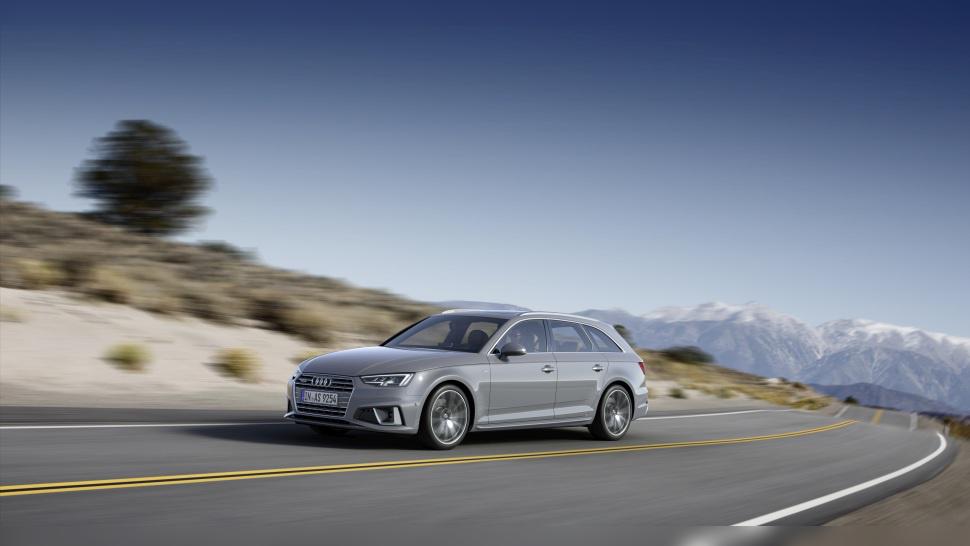
Audi 2.0 TFSI g-tron CVLA (170 hp): Experiences, problems, fuel consumption and used-car buying tips
- Excellent efficiency: The factory‑fitted CNG system drastically cuts running costs compared to pure petrol or diesel engines.
- Well-known base: The engine is part of the popular EA888 family (Gen 3B), which means parts are widely available and its weaknesses are well known to mechanics.
- Timing chain drive: The engine has no timing belt, but the chain needs inspection and possible replacement around 200,000 km.
- Water pump is a weak spot: The thermostat housing and water pump are prone to coolant leaks – this is one of the most common failures.
- Gearbox needs attention: The S tronic automatic gearbox is excellent, but it requires strict oil changes every 60,000 km if you want to avoid very expensive mechatronics repairs.
- Unusual maintenance: Because it runs on CNG, spark plugs must be replaced strictly on time, and petrol injectors can seize if the petrol system is not used regularly.
- Introduction: What exactly is the CVLA engine?
- Technical specifications
- Reliability and maintenance
- Specific parts and costs
- Fuel consumption and performance
- Additional options and modifications
- Gearbox: Manual and S tronic
- Buying used and conclusion
Introduction: What exactly is the CVLA engine?
The CVLA code hides a very specific and cleverly engineered engine from the Volkswagen Group. It is a 2.0‑liter TFSI engine from the EA888 (Gen 3B) generation, factory‑adapted to run on compressed natural gas (CNG – methane) and marketed as the g-tron. This engine was mainly installed in the Audi A4 Avant (B9 facelift from 2018 onwards) in the 40 TFSI version. What sets it apart is the so‑called “B‑cycle” (Budack cycle) combustion, which sacrifices maximum high‑rev power in favor of exceptional efficiency and high torque at low revs. Unlike aftermarket LPG/CNG kits, here the system is integrated into the core of the engine – from valves that withstand higher temperatures to specially calibrated electronics. If you’re looking for a premium estate that costs less to run than a small city diesel, this is an engine worth considering.
Technical specifications
| Characteristic | Data |
|---|---|
| Engine code | CVLA |
| Displacement | 1984 cc |
| Power | 125 kW (170 hp) |
| Torque | 270 Nm |
| Fuel type | Petrol / Compressed natural gas (CNG) |
| Injection type | Direct injection (TFSI) + CNG injectors |
| Charging | Turbocharger with intercooler |
Reliability and maintenance
Does this engine have a timing belt or a chain?
This engine uses a chain for timing. Unlike older generations of 2.0 TFSI engines that suffered from chain stretch and skipping, the EA888 Gen 3B is significantly more reliable. Still, the chain is not eternal. Its operation is controlled by a hydraulic tensioner, and at higher mileage the guides can start to fail.
What are the most common failures on this engine?
Although the mechanical side is quite robust, a few things regularly cause headaches for owners. The biggest issue is the thermostat and water pump housing, which is made of plastic. Over time it deforms and starts leaking coolant. Another common problem is the PCV valve (oil separator) – when its membrane tears, the engine starts consuming more oil, idles roughly and creates excessive vacuum in the crankcase. We should also mention carbon build‑up on the intake valves, which is a standard flaw of all direct‑injection engines, although running on CNG slows this process somewhat because methane burns cleaner than petrol.
At what mileage is the “major service” done?
Since the engine has a chain, there is no classic “major service” with timing belt replacement. However, the water pump is driven by a small toothed belt on the rear side of the engine. It is recommended to check chain stretch via diagnostics and visually around 150,000 to 200,000 km. If you hear rattling at cold start lasting more than a couple of seconds, the chain kit (chain, tensioner, guides) should be replaced immediately. The water pump belt is usually replaced preventively or when the pump starts leaking.
Oil: quantity, grade and consumption
The sump holds about 5.2 liters of oil. Due to the specifics of the g‑tron system and newer emission standards, the manufacturer usually recommends viscosity 0W‑20 (VW 508.00 spec) or alternatively 5W‑30 (VW 504.00). Since this can depend on the exact production date and equipment, always check the correct oil spec via the VIN in an authorized service center before doing an oil change.
As for oil consumption, the piston rings on this generation are much better designed than on the notorious pre‑2012 models. Still, a turbo engine will always “drink” a bit of oil. Consumption of 0.5 to 1 liter per 10,000 km is considered completely normal and healthy for this unit.
How often should spark plugs be changed?
This is a critical point for CNG engines. Methane burns at a higher temperature than petrol and requires a stronger spark. Because of that, spark plugs wear out much faster. The factory interval is often set at 60,000 km, but many experienced mechanics recommend changing spark plugs on g‑tron models every 30,000 to 40,000 km. Ignoring this leads to misfires, which directly destroy ignition coils and can damage the catalytic converter.
Specific parts and costs
Dual‑mass flywheel
Yes, this model is always equipped with a dual‑mass flywheel, given that in the B9 generation it is mostly paired with the automatic S tronic dual‑clutch gearbox. Replacing the dual‑mass flywheel on this model is a rather expensive job.
Injection system and injectors
The injection system is dual. You have classic petrol TFSI injectors that inject fuel directly into the cylinder, and separate CNG injectors integrated into the intake manifold. The system has generally proven reliable, but there is a catch: g‑tron owners rarely drive on petrol. Because of that, the petrol injectors “bake”, accumulate deposits and can seize. The recommendation is to run at least one full tank of petrol per month on open roads to keep the system clean.
Turbocharger
The engine has a single turbocharger from the IHI family. Its service life is long; with regular oil changes it easily exceeds 250,000 km. What fails more often is not the turbo’s mechanical core, but the electronic actuator (wastegate) that regulates boost pressure. If it sticks, the car loses power and goes into so‑called “limp mode”.
DPF, GPF and EGR
Since this is a petrol (and CNG) engine, it does not have a DPF filter intended for diesels. However, models produced from late 2018 onwards are subject to the new Euro 6d‑TEMP standards and are equipped with a GPF (Gasoline Particulate Filter). GPFs clog far less often than DPFs because petrol and gas engines run at higher temperatures, so the filter regenerates more easily during normal driving. There is no classic external EGR valve exposed to sooty deposits; exhaust gas recirculation is controlled internally via variable valve timing (VVT system).
AdBlue
This model does not use AdBlue. That system is reserved exclusively for diesel (TDI) engines.
Fuel consumption and performance
Real‑world city consumption
On CNG, city consumption is around 5.5 to 7 kg per 100 km. Given CNG prices, this results in extremely low cost per kilometer. If for some reason you drive on petrol in heavy city traffic, expect consumption between 8 and 10 l/100 km, which is perfectly reasonable for a large estate.
Is the engine “sluggish”?
Although 170 hp may not sound impressive for an Audi A4 Avant weighing over 1.6 tons, this engine is definitely not sluggish. Thanks to the B‑cycle and turbocharger, it delivers its 270 Nm of torque from about 1,650 rpm. In practice, in city and suburban driving, the car pulls smoothly and feels like you’re driving a flexible diesel – but in complete silence.
Behavior on the motorway
On the open road it is a true mile‑eater. At 130 km/h in 7th gear of the S tronic gearbox, the rev counter sits very low, at around 2,200 to 2,400 rpm (the exact figure depends on wheel size). Cabin sound insulation is excellent, and the only potential issue is the petrol tank capacity, which is smaller than on standard models to make room for the CNG cylinders.
Additional options and modifications
Is this engine suitable for LPG conversion?
This is a question that makes little technical sense in practice. This car is already factory‑designed and equipped to run on CNG, which is more economical and safer than LPG. Installing an LPG system on top of the existing factory CNG setup, with an already reduced petrol tank and space taken up by CNG cylinders, would be extremely expensive, incredibly complicated and completely pointless.
Remapping (Stage 1)
EA888 engines are legendary for their tuning potential, but you need to be careful with the CVLA g‑tron. It has a higher compression ratio due to the B‑cycle combustion and is optimized for methane. With a “Stage 1” remap, power can be raised to around 200 to 210 hp and about 320 Nm. However, because of the engine’s specific dual‑fuel (petrol/CNG) nature, this modification should only be done by a serious tuning shop that knows how to correctly adjust the CNG map as well; otherwise you risk detonation in the cylinders and melted pistons.
Gearbox: Manual and S tronic
Types of gearboxes
This generation of Audi A4 B9 g‑tron most commonly comes with an automatic. It uses a 7‑speed S tronic gearbox (internal code DL382). This is a wet dual‑clutch gearbox designed for longitudinally mounted engines. It can rarely be found with a 6‑speed manual, since this is mainly a fleet and long‑distance model where buyers tend to choose the automatic.
Most common gearbox issues and maintenance
Manual: It has virtually no known weaknesses, apart from normal wear of the clutch and dual‑mass flywheel, whose lifespan depends on the driver and ranges from 150,000 to 250,000 km.
S tronic (DL382): This gearbox is extremely quick and smooth, but it does not tolerate neglect. Its biggest enemy is dirty oil full of clutch debris. If that happens, the mechatronics unit (the control brain for valves and pump inside the gearbox) fails. Symptoms of mechatronics problems include juddering when moving off, harsh shifts from first to second gear, or hesitation when engaging reverse. Mechatronics repair is very expensive.
Costs and servicing
Replacing the clutch kit and dual‑mass flywheel (whether on S tronic or manual) is a major hit to the wallet and is one of the most expensive wear items on the car. To maximize the life of the S tronic gearbox, oil (ATF) and filter changes must be carried out strictly every 60,000 km. Any talk of “lifetime oil” simply does not apply here.
Buying used and conclusion
Before buying a used Audi with the CVLA g‑tron engine, there are several mandatory steps:
- Cold start: Insist that the engine is completely cold. Listen carefully to the right side of the engine when it starts. If you hear chain rattling that sounds like it’s hitting the cover for longer than 2–3 seconds, you’re looking at the cost of a timing chain replacement.
- CNG tank certification: Check the date on the cylinders. CNG tanks usually have a service life of 20 years from the production date, but periodic inspections are strict and legally mandatory. A car that cannot pass inspection is practically unusable.
- VCDS diagnostics: It is MANDATORY to hook the car up to dedicated diagnostics (VCDS or ODIS). Check turbo pressure, look for any “misfire” codes (spark plugs/coils), and inspect clutch adaptation values in the S tronic – they will tell you the condition of the clutch packs.
- Visual inspection under the bonnet: Look for pink or red dried coolant traces around the front of the engine (under the intake manifold), which clearly indicates that the water pump and thermostat housing are leaking.
Who is this car for? The Audi A4 Avant 40 TFSI g‑tron is an ideal family cruiser for drivers who cover high mileage (over 20,000 km per year), travel long distances and have a well‑developed CNG station network either in their area or along their usual routes. Fuel savings over a few years can easily pay for all potential S tronic services or a water pump replacement. On the other hand, for someone who only drives in the city center, covers 8,000 km per year and wants drag‑race performance from the traffic lights, the complexity of the CNG system is simply unnecessary.