Audi 3.0 TDI V6 (Engine code: DCPC) – Experiences, issues, fuel consumption and used-car buying tips
- Brutal power and torque: With 620 Nm, this engine delivers impressive in-gear acceleration and is ideal for heavier vehicles such as the Audi Q5 or a fully loaded A4/A5.
- Notorious throttle delay (Turbo/MHEV lag): Due to the specific transmission software and Euro 6 standards, the engine can feel unusually sluggish during the first second after you press the accelerator pedal.
- Chain-driven timing system: The engine uses a timing chain located at the rear of the engine. Replacement is complex and expensive.
- Ecology as its biggest enemy: The AdBlue system, DPF filter and complex EGR valve cause the most headaches, especially if the car is driven exclusively in the city.
- Top-class gearbox: It is paired exclusively with the reliable 8-speed Tiptronic (ZF) gearbox, and not with the more sensitive S tronic systems.
- Fuel consumption: Extremely efficient on the motorway, but in city driving you should expect noticeably higher consumption in line with the engine displacement.
Contents
- Introduction: Get to know the 50 TDI (DCPC)
- Technical specifications
- Engine reliability and maintenance
- Specific parts, costs and failures
- Fuel consumption and performance
- Tuning and modifications (Stage 1)
- Gearbox and drivetrain
- Buying used and conclusion
Introduction: Get to know the 50 TDI (DCPC)
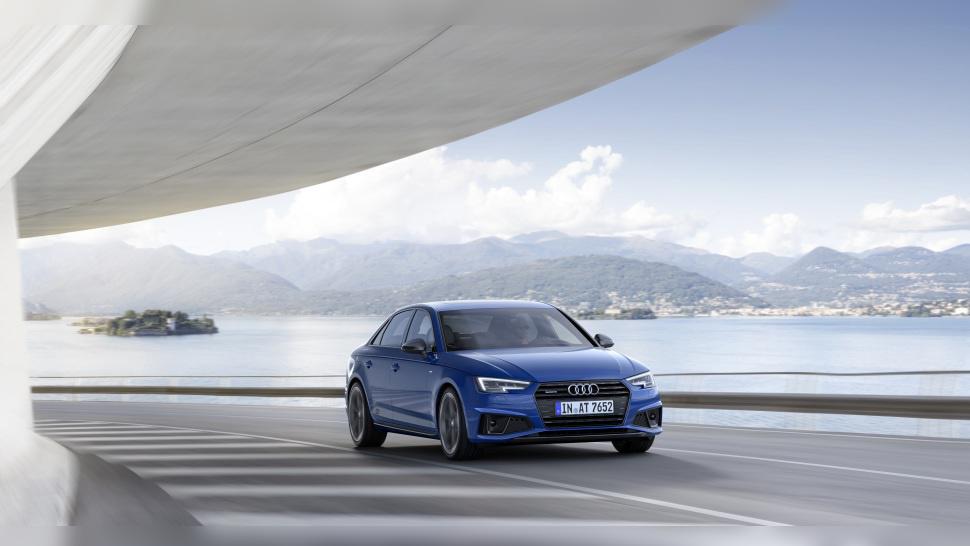
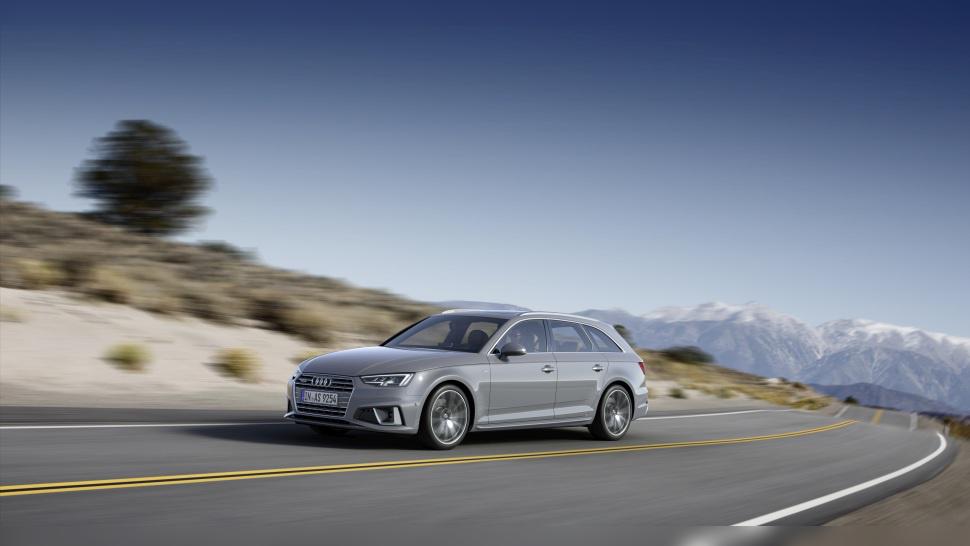
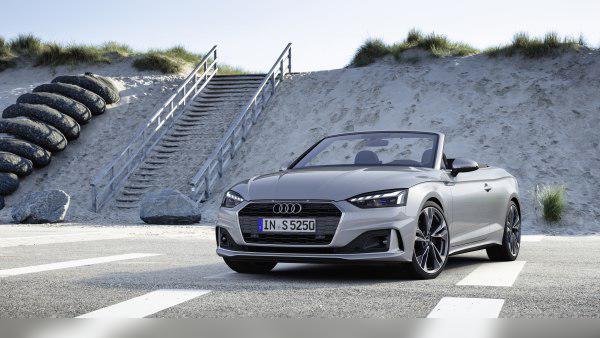
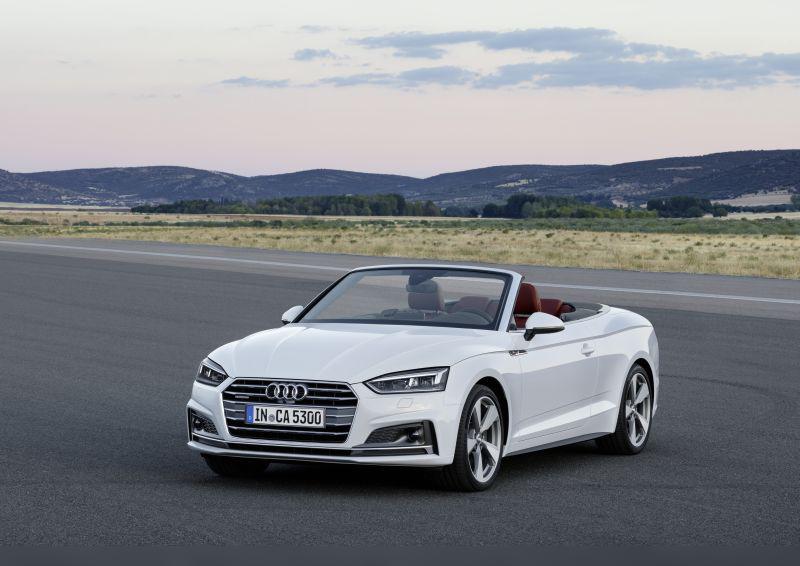
The DCPC code hides the well-known 3.0‑liter V6 TDI engine from the Volkswagen Group, which, due to a rebranding of the naming scheme, is marketed under the commercial designation 50 TDI (or as the more powerful version of the 3.0 TDI). It has been installed primarily since 2018 in facelift models of the Audi A4, A5 and Q5 (B9, F5 and FY generations).
This powerplant is the pinnacle of engineering when it comes to combining outstanding long‑distance capabilities and diesel efficiency. It is designed to devour motorway kilometers, offering a massive 620 Nm of torque. However, it also comes with a huge technological burden in the form of complex emissions systems and intricate mechanics, which obliges any potential used‑car buyer to take maintenance very seriously.
Technical specifications
| Parameter | Value |
|---|---|
| Engine displacement | 2967 cc |
| Engine power | 210 kW (286 hp) |
| Torque | 620 Nm (at 1500 – 3000 rpm) |
| Engine codes | DCPC (50 TDI) |
| Injection type | Common Rail (high-pressure direct injection) |
| Induction type | Variable-geometry turbocharger + intercooler |
Engine reliability and maintenance
Timing belt or chain?
The DCPC engine uses a complex timing chain system located at the rear of the engine (towards the gearbox). Because of this position, chain replacement is very labor‑intensive, as it requires either removing the entire engine or taking off the gearbox. A traditional “major service” in the sense of a belt change does not exist here. However, the front auxiliary (serpentine) belt, tensioners and pulleys are usually replaced at around 120,000 km as a regular preventive measure, which is not excessively expensive.
Regular servicing and engine oil
The oil sump of this V6 diesel holds about 6.1 to 6.5 liters of oil (depending on the replacement method and filter). The recommended viscosity is 0W‑30 or 5W‑30, and it must strictly comply with the VW 507.00 standard, primarily to protect the DPF filter and camshafts. As for oil consumption, these V6 engines can use between 0.5 and 1 liter of oil per 15,000 km, which is within normal limits. Higher consumption than that indicates an issue with piston rings or an external leak.
Most common failures and “teething problems”
When it comes to specific issues, the V6 TDI architecture has one well‑known flaw: coolant leakage into the so‑called “V” of the engine. In the middle of the engine block sits the EGR cooler and flow control valves. Due to heat cycles, the plastic junctions and seals can start to fail, causing coolant to accumulate in the recess between the cylinder banks. The symptom is a slow loss of coolant without any visible hose damage, accompanied by a sweet smell under the bonnet once the engine has warmed up to its operating temperature of 90 °C.
Also, on higher‑mileage examples (over 200,000 km), the chain can start to stretch. The driver will notice this as a brief, sharp rattling noise from the gearbox area lasting a few seconds during the first cold start of the day. If the noise lasts longer, the chain and tensioners are due for replacement, which is a very expensive job, costing between EUR 1,500 and 2,500 (depending on the market).
Specific parts, costs and failures
Fuel injection system and injectors
The DCPC engine uses a highly sophisticated Common Rail system with piezo injectors. This system operates at pressures of up to 2,500 bar. The injectors are extremely durable and, as a rule, easily withstand 250,000+ km provided the fuel filter is changed regularly and high‑quality diesel is used. If the injectors start to fail, the first symptoms will be rough and uneven idling, increased smoke at start‑up and a rising engine‑oil level (due to diesel seeping into the sump). These injectors can be overhauled, but this often requires complete replacement of the internal components, which is an expensive repair.
Turbocharger
This powerplant uses a single large variable‑geometry turbocharger located in the engine’s “V”, equipped with an electronic actuator (flap) that regulates boost pressure. The turbo’s service life is excellent and generally exceeds 250,000 km if the owner adheres to shortened oil‑change intervals of a maximum of 15,000 km (ignore “LongLife” recommendations of 30,000 km). Problems can arise with the electronic actuator itself, which can seize up due to soot build‑up, putting the vehicle into “Safe Mode” (reduced engine power).
Emissions: DPF, EGR and AdBlue system
This is the area that causes the most trouble on vehicles driven in urban conditions. The system has an integrated DPF filter and EGR valve for both high and low pressure circulation. If the car is driven on short trips, the DPF never gets the chance to reach over 600 °C for active regeneration. The EGR valve then easily clogs with soot.
The engine makes extensive use of AdBlue (SCR system) to reduce NOx emissions. This is the most sensitive part of the engine! The most common failures are related to:
- Failure of the pump in the AdBlue tank due to fluid crystallization at low temperatures.
- NOx sensor failure.
- Symptoms: The warning light shaped like a small can lights up on the instrument cluster along with a message that the engine will not be able to start in “X” kilometers. Repairs to these systems are very expensive.
Fuel consumption and performance
Real‑world fuel consumption
Given the displacement of almost three liters, permanent quattro all‑wheel drive and a weight of around 1,700 – 1,900 kg (depending on body style and equipment), fuel consumption varies. In pure stop‑and‑go city driving, it is realistic to expect between 8.5 and 10.5 l/100 km. On country roads, consumption can drop to an impressive 5.5 – 6.5 l/100 km.
On‑road behavior and “turbo lag”
With 286 hp and as much as 620 Nm of torque, the engine is extremely powerful and “sluggishness” should be a foreign concept to it. However, in this specific “50 TDI” setup, strict emissions standards mean the engine software dramatically delays throttle response. In city driving, this can be irritating – you press the accelerator, the car “thinks” for a good second, and then surges forward aggressively. Many drivers solve this by modifying the software (remap). On the motorway, this engine rules the fast lane. Cruising at 130 km/h takes place at a very relaxed 1,600 to 1,800 rpm, which makes the cabin exceptionally quiet.
Additional options and modifications
Is a remap (Stage 1) recommended?
The DCPC engine is a fantastic platform for software tuning. Most reputable tuning companies can safely extract between 330 and 350 hp from the standard 286 hp, while torque rises from 620 Nm to over 720 Nm with a classic Stage 1 remap, without any mechanical changes. In addition to the huge power increase, a good tuner will smooth out the aforementioned “turbo lag” and sharpen throttle response, which completely transforms the car and makes driving much more fluid. However, you should be aware that the increased torque puts additional stress on the gearbox, so regular oil services become even more important.
Gearbox: Perfect ZF architecture
Which gearbox comes with the 50 TDI?
Unlike the less powerful two‑liter engines that use the S tronic (DSG dual‑clutch gearbox), Audi decided to pair this brutal 620 Nm of torque EXCLUSIVELY with the 8‑speed Tiptronic automatic gearbox. This is a masterpiece from ZF (ZF 8HP series). Manual gearboxes are not available with this engine.
Does this model have a conventional dual‑mass flywheel?
Not in the sense in which it is understood on vehicles with manual or DSG gearboxes. The Tiptronic gearbox uses a hydrodynamic torque converter. Although it contains an internal mechanism for damping torsional vibrations, there are no typical replacements or knocking symptoms (as with dual‑mass flywheels on two‑liter diesels). This system is far more robust and reliable.
Gearbox failures and maintenance
The ZF 8HP is one of the most reliable gearboxes in the world. Failures are extremely rare, and the most common issue at high mileage is harsh shifting from first to second gear while the oil is still cold. This symptom is a direct consequence of lack of maintenance. The gearbox manufacturer (ZF) categorically recommends changing the oil, the pan filter and flushing the system every 80,000 to 100,000 km. The cost of this service ranges from EUR 300 to 500 (depending on the market) and is the best investment you can make in your car.
Buying used and conclusion
What must be checked before buying?
- Cold start: Ask the seller not to start the car before you arrive. Listen carefully to the rear of the engine during the first 3 to 5 seconds of operation. If you hear loud metallic knocking and scraping, the chain is stretched.
- Inspection of the engine “V”: Use a flashlight to illuminate the area under the turbo and the plastic cover in the middle of the engine. If you notice purple/pink crystals or a puddle, it means the EGR cooler or seals are leaking coolant.
- Test drive and gearbox: At low speeds, drive in stop‑and‑go traffic. The gearbox must shift smoothly, without dull thumps. Monitor coolant temperature – the needle must stay firmly at 90 °C; if it drops on the open road, the thermostat is faulty.
- Diagnostics (VCDS / ODIS): Be sure to check DPF saturation (amount of fuel in the oil, soot/ash load in the filter) and the status of the AdBlue system. Do not buy the car without reading stored fault codes in the engine ECU.
Who is this engine for?
The Audi 50 TDI (DCPC) is an ideal choice for drivers who cover large distances each month on open roads and motorways. Its flawless behavior at 130+ km/h, huge torque and cabin quietness make it the ultimate long‑distance machine. On the other hand, if you are buying a car mainly for commuting in heavy city traffic, this engine is not for you. Expensive maintenance, potential AdBlue issues and rapid DPF clogging will make owning such a V6 diesel a very frustrating and costly experience in the city. For predominantly urban use, a petrol alternative is recommended, while the DCPC remains the undisputed king of the motorway.