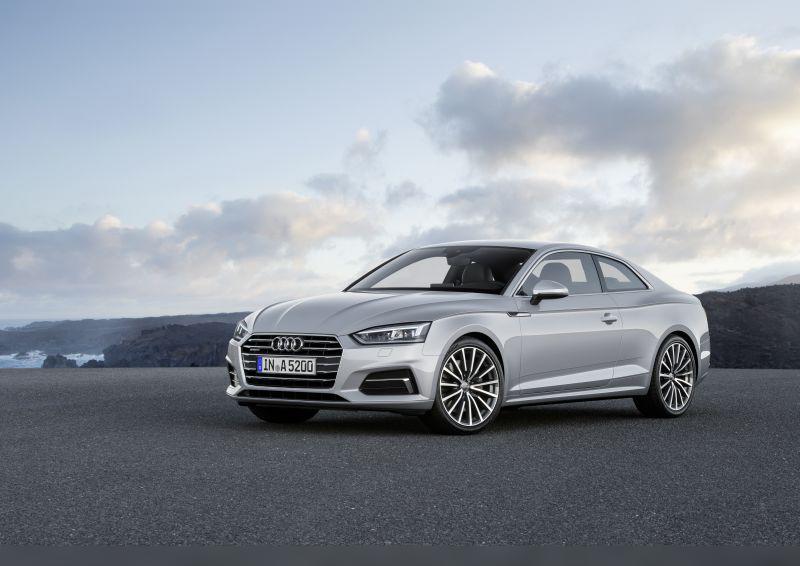
Audi 2.0 TFSI DLVB (35 TFSI, 150 hp) – Experiences, problems, fuel consumption and used car buying tips
Key points (TL;DR)
- Engine: 2.0-liter turbo petrol, detuned to 150 hp, but offers an excellent 270 Nm of torque.
- Timing: Chain-driven, significantly more reliable in this generation than on older TFSI engines.
- Weak points: Coolant leaks at the thermostat housing/water pump and carbon buildup on intake valves.
- Fuel consumption: Very reasonable for a 2.0-liter engine thanks to the specific combustion process (B-cycle) and the MHEV (Mild Hybrid) system.
- Gearbox: S tronic gearboxes require strict oil changes every 60,000 km, otherwise extremely expensive mechatronics failures follow.
- Tuning potential: A phenomenal candidate for a Stage 1 remap, easily reaches noticeably higher power.
Contents
- Introduction and basic information
- Technical specifications
- Reliability, maintenance and common failures
- Specific parts and injection system
- Fuel consumption and real-world performance
- Additional options (LPG and remapping)
- Gearbox and dual-mass flywheel
- Buying used and conclusion
Introduction and basic information
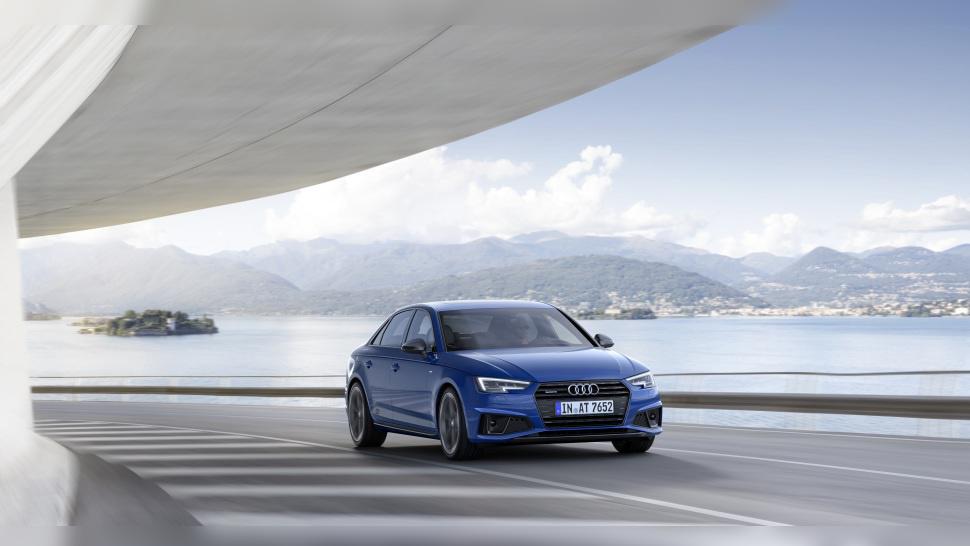
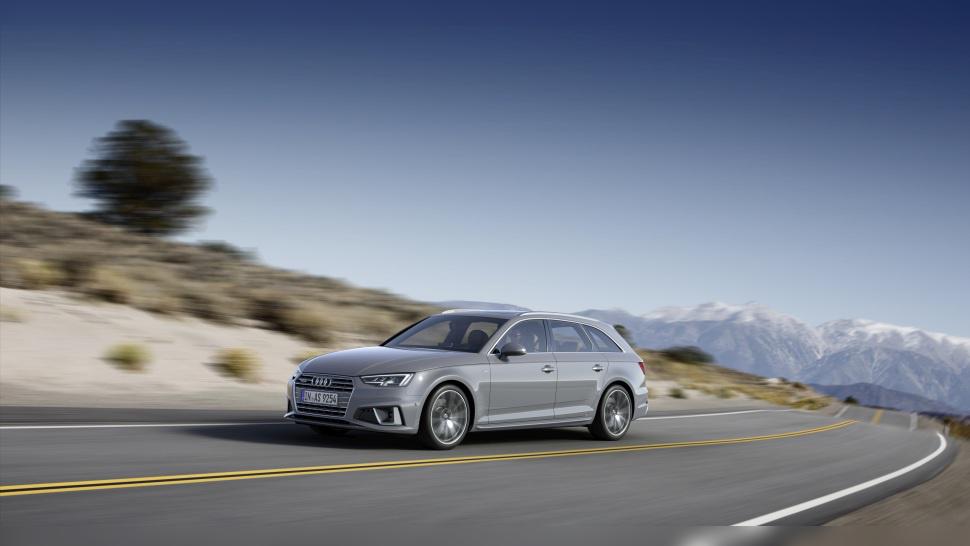
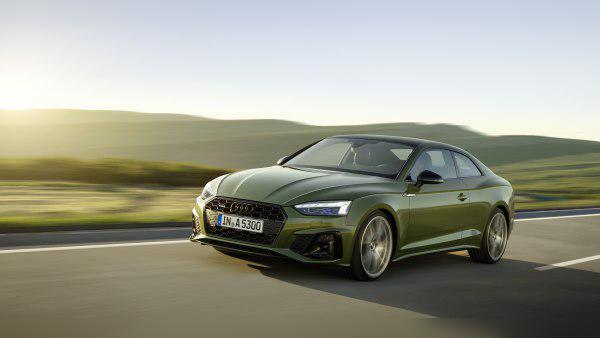
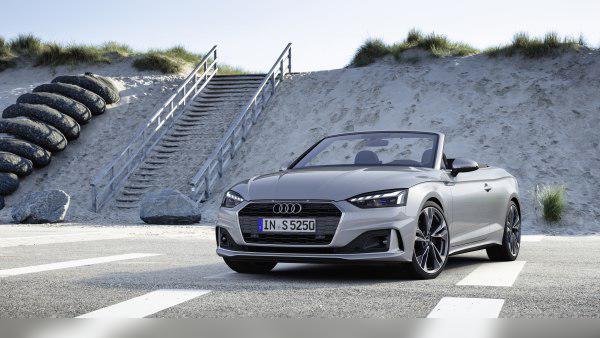
The DLVB code hides the well-known Volkswagen/Audi 2.0 TFSI (EA888) engine, but in its latest iteration. On the market it is known under the commercial designation 35 TFSI, mostly installed from 2018 and 2019 in facelift versions of the Audi A4 (B9) and Audi A5 (F5). What confuses many drivers is why a 2.0 engine has "only" 150 horsepower. The reason lies in the so-called "B-cycle" (Budack cycle) combustion process, where the focus is shifted from maximum power to low-end torque and exceptional efficiency. In addition, many of these models come paired with a Mild Hybrid (MHEV) system that shuts the engine off while coasting and assists during start-up, further reducing fuel consumption and emissions.
Technical specifications
| Parameter | Specification |
|---|---|
| Engine displacement | 1984 cc (2.0 L) |
| Power | 110 kW (150 hp) |
| Torque | 270 Nm (available from low revs) |
| Engine code | DLVB |
| Injection type | Direct injection (TFSI) |
| Forced induction | Turbocharger (IHI), intercooler |
| Fuel | Petrol |
Reliability, maintenance and common failures
Does this engine have a timing belt or a chain?
The DLVB engine uses a chain for the timing drive. Unlike older EA888 generations, which were notorious for chain stretch and skipping, this "Gen 3B" version has a significantly reinforced timing system. The systemic chain issues have been resolved here, and it is designed to last a very long time.
What are the most common failures on this engine?
Although generally reliable, this engine is not immune to issues specific to the EA888 family:
- Thermostat housing and water pump: Made of plastic that cracks over time due to heat cycles. Symptom: loss of coolant. It is essential to monitor coolant level, as ignoring this problem leads to overheating.
- PCV valve (oil separator): The membrane inside the valve tears. Symptoms include rough idle, "Check Engine" light, increased oil consumption and a distinctive "hissing" sound under the hood.
- Carbon buildup: Due to direct injection, fuel does not wash the intake valves. Over time, carbon deposits build up on them, causing the engine to choke and performance to drop. Cleaning (so-called "walnut blasting") is recommended every 100,000 to 120,000 km.
At what mileage is the major service done?
Since the engine has a chain, there is no classic "major service" with a strict interval. The manufacturer recommends a visual inspection and monitoring of chain stretch via diagnostics after 150,000 km. However, the water pump and auxiliary (serpentine) belt are usually replaced between 100,000 and 120,000 km (or when the pump starts leaking). Replacing the chain before 200,000 km is rarely necessary if the engine has been regularly maintained.
Oil: quantity, grade and consumption
This engine takes approximately 5.2 liters of oil. Due to its specific low-friction design and the MHEV system, the manufacturer strictly recommends very thin oil of grade 0W-20 (VW 508.00 / 509.00 spec). Some workshops switch to 5W-30 (VW 504.00), but this should be done carefully and with proper consultation to avoid issues with cooling and the oil pump.
As for oil consumption, the old piston ring issue has largely been resolved. The manufacturer always states that up to 0.5 liters per 1000 km is "normal", but in practice a healthy DLVB will use about 0.5 to 1 liter of oil between services (over 10,000 - 15,000 km). If it consumes noticeably more, the problem is more likely the PCV valve than the piston rings.
How often should spark plugs be changed?
On this engine, spark plugs must be replaced at no more than 60,000 km. If you ignore this interval, you increase resistance in the ignition system, which directly leads to ignition coil failure.
Specific parts and injection system
What is the injection system like and what about injectors?
The engine has direct injection into the cylinders only (TFSI). Injectors operate at very high pressure. In general, they have not proven to be overly problematic, but they are very sensitive to poor fuel quality. Symptoms of dirty injectors include shuddering on cold start (misfires) and reduced performance. Replacing injectors with new ones falls into the – expensive – category (depending on the market).
Turbocharger
The DLVB uses a single turbocharger (most often an IHI IS12 variant). Its service life is long; if you change the oil every 10,000 - 15,000 km and do not shut the engine off immediately after hard driving on the motorway, the turbo can easily exceed 200,000 km without overhaul. A rebuilt replacement is not extremely expensive compared to twin-turbo diesels.
Emissions systems: DPF, AdBlue, EGR?
Since this is a petrol engine, it DOES NOT have an AdBlue system, and it DOES NOT have a classic diesel DPF filter. It also does not have a physical EGR valve (exhaust gas recirculation is handled via variable valve timing – VVT).
However, ATTENTION: Due to Euro 6d-TEMP standards (from 2018 onwards), this engine is always equipped with a OPF/GPF (Gasoline Particulate Filter). This is a particulate filter for petrol engines. Although it fails much less often than the diesel version because petrol engines run at higher temperatures (so it regenerates more easily), a car driven exclusively on short city trips can still trigger a warning light for a clogged GPF.
Fuel consumption and real-world performance
Is this engine "sluggish"?
On paper, 150 hp seems weak for an Audi A4 Avant or A5 Sportback body. However, in real life the engine does not feel sluggish at all. Thanks to the small turbo and B-cycle, the hefty 270 Nm is available from as low as 1350 rpm. In the city and during normal overtakes, the engine pulls like a diesel, very smoothly and without strain. The lack of power is noticeable only at speeds above 140 km/h on the motorway or on serious climbs when the car is fully loaded.
Real-world fuel consumption
- City driving: Between 8.0 and 10.0 l/100 km. On models with the MHEV system and S tronic gearbox, city consumption can be nicely optimized towards the lower end of that range.
- Motorway: At a cruising speed of 130 km/h, the S tronic gearbox in 7th gear keeps the engine at a relaxed 2000 to 2200 rpm. Fuel consumption is then around 6.0 to 6.5 l/100 km, which is a fantastic result.
Additional options (LPG and remapping)
LPG conversion
Installing LPG on this engine is not recommended. Due to the direct injection system, standard sequential LPG systems do not work. You would need an expensive liquid injection LPG system or a system that uses LPG and petrol at the same time (to cool the injectors). Considering the price of such a setup and the already low fuel consumption of this engine, the return on investment (ROI) is very poor.
Remapping (Stage 1)
This is where the DLVB engine shines. In this configuration, the factory 2.0 TFSI is software "strangled" so as not to jeopardize sales of the more powerful (190 hp, 40 TFSI) version. Hardware-wise, the engine is incredibly capable. With a simple, safe "Stage 1" software remap, power easily jumps from 150 hp to 220 - 240 hp, and torque to around 370 Nm. After the remap, the car turns into a completely different machine, and reliability remains high as long as the map is done by a reputable tuner.
Gearbox and dual-mass flywheel
Which gearboxes are fitted and what failures occur?
Two types of gearboxes are paired with the DLVB:
- 6-speed manual: Extremely robust and rarely causes problems.
- 7-speed S tronic (code DL382): Automatic dual-clutch gearbox with wet clutches. It offers fantastically smooth shifts and excellent economy. However, if the oil is not changed on time, sensors, valves and the entire mechatronics unit fail. Symptoms include jerking when moving off, delayed engagement of "R" or "D" and thumps when downshifting.
Dual-mass flywheel and clutch (maintenance costs)
Yes, both gearboxes use a dual-mass flywheel.
On the manual gearbox, replacement of the clutch kit with the dual-mass flywheel falls into the – expensive – category (depending on the market).
On the S tronic, the clutch system (clutch packs) and dual-mass flywheel are separate, but their replacement is rated as – very expensive (depending on the market). On automatics, a failing dual-mass flywheel usually manifests as a metallic "rattle" at idle in P or N.
Gearbox service
For the S tronic DL382, the GOLDEN RULE is to change the oil and filter every 60,000 kilometers (maximum). It is not enough to change only the oil in the mechanical part of the gearbox (MTF); it is crucial to replace the hydraulic oil (ATF) that controls the mechatronics and cools the clutches.
Buying used and conclusion
What to check before buying?
If you are buying an Audi A4 or A5 with this engine, here is a checklist of mandatory inspections at a mechanic:
- Cold start: The engine must start smoothly. Any prolonged metallic rattling (longer than a second) indicates a worn chain tensioner.
- Diagnostics (VCDS): The mechanic must read the misfire counter for each cylinder. If the numbers are high, the problem lies with the injectors, spark plugs or coils. Also, be sure to read fault codes from the gearbox module.
- MHEV system: Check the voltage of the secondary battery (usually 12V or 48V, under the seat or in the boot, depending on the package), as replacement is not cheap.
- Service history (S tronic): If the car has over 150,000 km and there are not at least two documented S tronic oil changes in the service book – walk away from the purchase, regardless of how good the car looks.
Conclusion: Who is this engine for?
The Audi 2.0 TFSI DLVB (150 hp) is an excellent engine for drivers who want exceptional refinement, acoustic comfort in the cabin and low fuel consumption, while avoiding classic diesel DPF headaches. The engine is mature, with childhood issues related to the chain and oil consumption largely minimized. Although the factory 150 hp may seem modest, in real life the engine excels thanks to its strong torque. And for enthusiasts, the fact that a simple remap can deliver over 220 hp makes this engine a fantastic "hidden beast" on the used car market.