Audi DMSA 2.0 TFSI (204 hp) engine – Experiences, issues, fuel consumption and used car buying tips
- Reliable generation: DMSA belongs to the advanced EA888 series. The oil consumption issues typical of earlier versions have been resolved here.
- Timing system: The engine uses a timing chain which is very durable, but requires inspection after 150,000 km.
- Gearbox: Mostly paired with a 7-speed S tronic dual-clutch gearbox. Regular oil changes every 60,000 km are absolutely critical.
- Emissions: It has a GPF (gasoline particulate filter), but there are no DPF or AdBlue issues because this is a petrol engine.
- Mild Hybrid (MHEV): The 12‑volt mild hybrid system reduces fuel consumption and ensures an almost imperceptible Start-Stop operation.
- Performance: Excellent balance of power and efficiency; it’s not “lazy” even in heavier body styles, and it safely tolerates a power increase (Stage 1).
Contents
- Introduction: Get to know the DMSA engine
- Technical specifications
- Reliability and maintenance
- Specific components and costs
- Fuel consumption and performance
- Additional options and modifications
- Gearbox and drivetrain
- Buying used and conclusion
Introduction: Get to know the DMSA engine
When talking about modern petrol engines that offer an excellent balance between performance and efficiency, the DMSA unit from the Volkswagen/Audi Group is one of the best choices. It is a latest-generation 2.0‑liter TFSI engine (from the well-known EA888 family), producing 204 horsepower (150 kW) and delivering an excellent 320 Nm of torque.
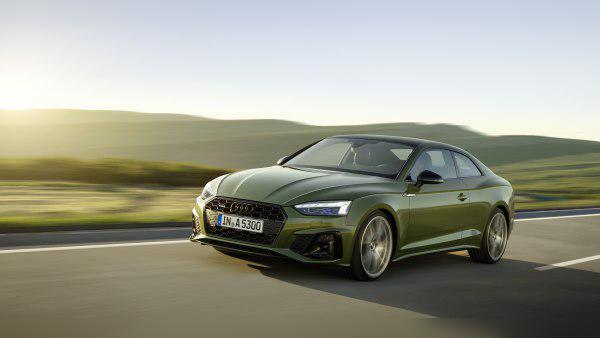
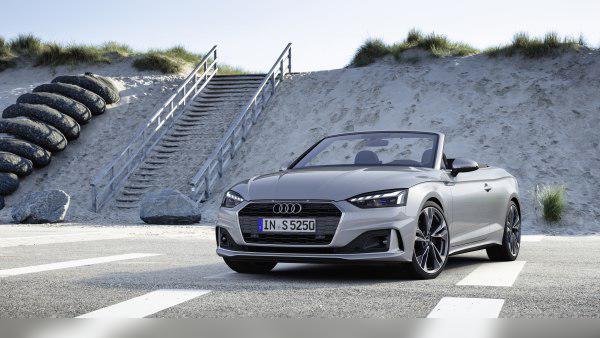
This engine started to be widely used after 2019, primarily in facelift models of the Audi A4 (B9 8W) and Audi A5 (F5), covering all body styles – from sedan and Avant (estate), through Sportback, to coupé and convertible. What makes the DMSA engine special is the integration of a Mild Hybrid (MHEV) 12‑volt system. This system uses a belt-driven starter-generator that recuperates energy during braking and allows the engine to completely shut off while “coasting”, which significantly reduces fuel consumption in real-world driving.
Technical specifications
| Specification | Data |
|---|---|
| Engine code | DMSA |
| Displacement | 1984 cc (2.0 L) |
| Power | 150 kW (204 hp) |
| Torque | 320 Nm |
| Fuel type | Petrol + 12V Mild Hybrid |
| Injection system | Direct injection (TFSI) |
| Induction | Turbocharger with intercooler |
Reliability and maintenance
Does this engine have a timing belt or chain and a major service interval?
The DMSA engine uses a timing chain for the valve timing system. The good news is that this is an improved version of the engine where timing chain stretch issues (which plagued the first EA888 generations) have been practically resolved. Because of that, this engine does not have a fixed major service interval. However, in practice the condition of the chain, tensioner and guides should be visually and diagnostically checked after about 150,000 to 180,000 km. If you hear rattling (a metallic noise) from the front of the engine for more than a couple of seconds on cold start, it’s time to replace the chain.
What are the most common failures?
Although the mechanical side is very reliable, there are a few weak points typical for this engine architecture:
- Thermostat housing and water pump: This is the most common “issue”. They are prone to micro-cracks due to temperature cycles, which leads to coolant leaks. Symptoms include gradual loss of coolant from the expansion tank and a sweet smell under the bonnet.
- PCV valve (oil vapor separator): The membrane inside the valve can eventually tear. The driver will notice rough idle, a whistling noise from the engine bay, and potentially increased oil consumption.
- Carbon buildup on intake valves: Due to the direct injection system, fuel does not wash the intake valves. After more than 100,000 km, deposits can build up, resulting in poorer throttle response and slight hesitation under acceleration. Periodic mechanical cleaning (so‑called walnut blasting) is sometimes required.
Oil and spark plugs: recommendations and consumption
The DMSA engine holds approximately 5.2 liters of engine oil. Given the sophistication of the system and the mild hybrid, the manufacturer strictly requires ultra-low viscosity oil, most commonly 0W‑20 (VW 508.00 specification). This oil is crucial for fast lubrication of the turbocharger and timing chain during Start-Stop operation.
As for oil consumption between services, the old problem of burning a liter of oil every 1,000 km is long gone. In the DMSA engine, consumption is within normal limits. Some tolerance exists, so it is completely normal for the engine to use around 0.5 to 1 liter of oil per 10,000 km, especially if driven aggressively or frequently on motorways at high speeds. Perform regular oil changes at a maximum of 15,000 km, regardless of what the factory “LongLife” regime suggests.
Since this is a modern high-performance petrol engine, spark plugs should be replaced every 60,000 km. Skipping this interval can lead to coil packs being overloaded and failing.
Specific components and costs
Injection, turbo and dual-mass flywheel
This engine uses a very precise high-pressure direct injection (TFSI) system. The injectors themselves are extremely reliable and generally trouble-free, provided you use quality petrol from reputable fuel stations.
The engine has a single turbocharger with an integrated electronic actuator (wastegate). Its service life is long, often exceeding 200,000 km, but under one condition: regular oil changes. If the oil is changed infrequently, the turbo’s oil passages can clog, leading to bearing failure in the turbocharger. Replacing or rebuilding the turbo is in the “very expensive” category (cost depends on the market).
Emissions systems: DPF, EGR, AdBlue?
Since this is a petrol engine, it does not have a DPF filter or an AdBlue system (which is a huge relief compared to TDI engines). However, to meet strict Euro 6 standards, the DMSA engine is equipped with a GPF (Gasoline Particulate Filter), also known as OPF. The GPF captures fine soot particles in petrol engines. It is far less problematic than a diesel DPF, reaches operating temperature quickly and rarely clogs, except if the car is driven almost exclusively on very short city trips without a chance for the filter to regenerate. The engine does not have a classic, troublesome external EGR valve; instead, exhaust gas recirculation is controlled internally via variable valve timing (VVT system).
Fuel consumption and performance
Is this engine “too weak” for the A4/A5?
Absolutely not. With 204 hp and a strong 320 Nm of torque (available from very low revs), this engine handles the weight of the A4 and A5 models brilliantly. The 0–100 km/h sprint takes around 7 to 7.5 seconds (depending on drivetrain and body style), which gives a distinctly sporty feel. In particular, in‑gear acceleration (from 80 to 120 km/h), which is crucial for safe overtaking, is very impressive.
Real-world fuel consumption and motorway behavior
In pure city driving, real-world fuel consumption is between 8.5 and 10.5 l/100 km. Thanks to the mild hybrid system, the Start-Stop function operates almost imperceptibly, keeping consumption under control in heavy traffic. On open roads and country highways, consumption easily drops to an impressive 5.5 to 6.5 l/100 km.
On the motorway, this engine really shines. Thanks to the well-matched gearbox, at a cruising speed of 130 km/h in seventh gear, the engine turns at a very low and relaxed ~2000 rpm. The cabin is extremely quiet, and the engine has plenty of power in reserve if you press the accelerator.
Additional options and modifications
Is it worth converting to LPG?
The short answer: No. The DMSA is a direct-injection engine. Installing LPG on such systems is very expensive and complex (it requires special systems that still use a certain amount of petrol to cool the injectors). On top of that, the car has mild hybrid technology, so any intervention in such an electro-mechanical setup would be risky and not cost-effective.
ECU remap (Stage 1)
This engine has huge tuning potential. Thanks to the robust engine block and efficient turbocharger, a simple software remap (Stage 1) can safely raise power from 204 hp to around 250 to 260 hp, and torque to almost 400 Nm. The engine and gearbox (if in good condition) can handle this power without any issues, and the car becomes noticeably sharper on throttle input.
Gearbox and drivetrain
Manual or automatic?
In Audi A4 and A5 models fitted with the DMSA engine, manual gearboxes have been almost completely phased out. The standard option is the 7‑speed S tronic gearbox with dual wet clutches (oil bath), most commonly with the DL382 designation. This gearbox is available in versions for front-wheel drive and for quattro ultra (an intelligent all-wheel-drive system that saves fuel by disconnecting the rear axle when it’s not needed).
Gearbox failures and maintenance
The S tronic (DSG) gearbox is excellent to drive but requires flawless maintenance. Changing the oil and filter in the gearbox every 60,000 km is mandatory! If the oil is not changed, the most common failure is of the mechatronics unit (the gearbox control unit full of tiny electro-valves and channels). Mechatronics failure manifests as strong jerks when setting off, harsh engagement when selecting “D” or “R”, or the gearbox going into “limp” safety mode. Repairing this is very expensive (cost depends on the market).
Dual-mass flywheel and clutch
Even though it’s an automatic, yes, the S tronic gearbox does have a dual-mass flywheel. Its job is to dampen engine vibrations before they reach the gearbox components. Symptoms of a worn flywheel include metallic knocking and rattling when starting and stopping the engine, as well as vibrations at idle. In addition to the flywheel, the clutch packs inside the dual-clutch system wear over time (usually after more than 200,000 km). Replacing the S tronic clutch kit and dual-mass flywheel is a major hit to the budget and is considered a very expensive repair (cost depends on the market).
Buying used and conclusion
What must be checked before buying?
Buying a used Audi with the DMSA engine requires a cool head and a visit to a specialized workshop. What should you pay special attention to?
- Cold start: Ask the seller not to start the car before you arrive. Listen to the engine at the first start. Any grinding or knocking lasting more than two seconds indicates a slack timing chain.
- Smell under the bonnet: Look for pinkish traces and check if you can smell hot coolant. If yes, the water pump and thermostat housing need replacing.
- Gearbox test drive: The gearbox must shift completely smoothly, both under light acceleration and at full throttle. Stop on an incline, select “R” (reverse) and gently apply throttle – if the car shudders or moves off abruptly and harshly, the clutch pack or mechatronics are likely problematic.
- Diagnostics: Always connect the car to a dedicated VCDS or ODIS diagnostic tool. The MHEV battery (located in the rear of the vehicle) and the alternator/starter must be free of faults, as mild hybrid components are expensive.
Who is this engine for?
The Audi DMSA 2.0 TFSI with 204 hp is an ideal engine for a driver who wants performance similar to stronger diesels, but with the quietness, refinement and cleaner operation of a petrol engine. It is excellent for city driving, with no worries about a clogged DPF, and at the same time it devours motorway kilometers effortlessly.
If you find a car with a properly documented service history (with gearbox oil changed exactly on time) and factor in a potential water pump replacement or visual chain inspection around 150,000 km, you will get an extremely reliable and powerful car you can enjoy for years.