Audi 3.0 TFSI V6 (EA837 Evo / CREC) 333 hp: Experiences, issues, fuel consumption and used-car buying tips
- Upgraded injection system: Unlike the older 3.0 TFSI engines, the CREC generation has dual injection (MPI + FSI), which drastically reduces carbon buildup on the intake valves.
- Chain-driven: The engine uses a complex chain system located at the rear of the engine. Rattling on cold start indicates wear, and replacement is very expensive.
- No turbo, but a supercharger: Forced induction is provided by an Eaton mechanical supercharger with a magnetic clutch, which delivers instant throttle response.
- Weak points: PCV valve (oil separator), coolant leaks under the supercharger (thermostat and water pump), and mechatronic failures on S tronic gearboxes.
- Fuel consumption and performance: Top-notch performance with high city fuel consumption (13–16 l/100 km). On the open road it is surprisingly economical.
- Tuning potential: The engine responds extremely well to remapping (Stage 1), easily reaching over 400 hp without major mechanical modifications.
Contents
- Introduction: About the engine and models
- Technical specifications
- Reliability, maintenance and failures
- Specific parts and costs
- Fuel consumption and performance
- Additional options and modifications (LPG and remapping)
- Transmissions: S tronic vs Tiptronic
- Buying used and conclusion
Introduction: About the engine and models
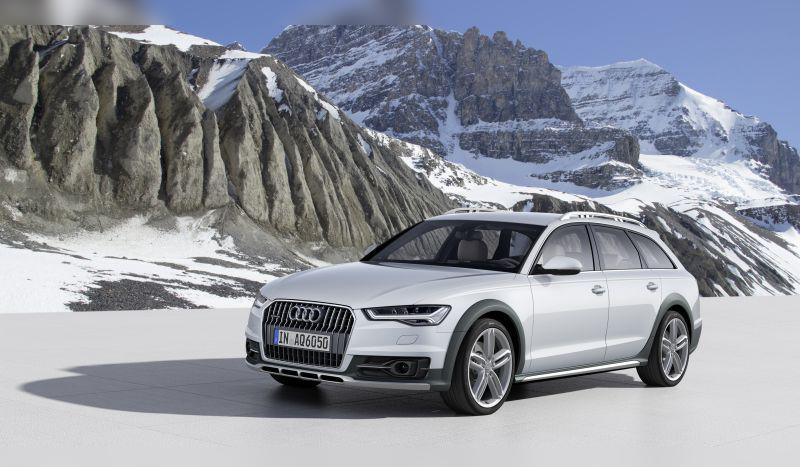
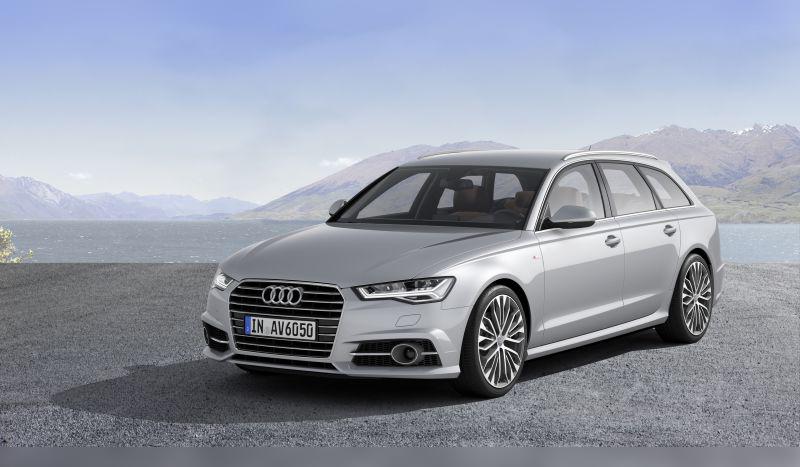
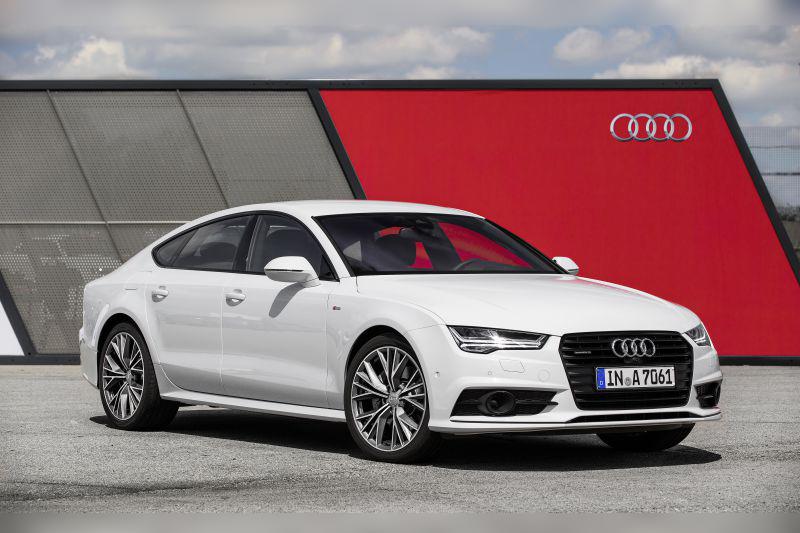
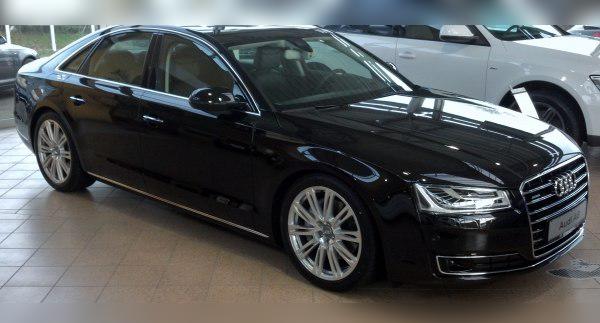
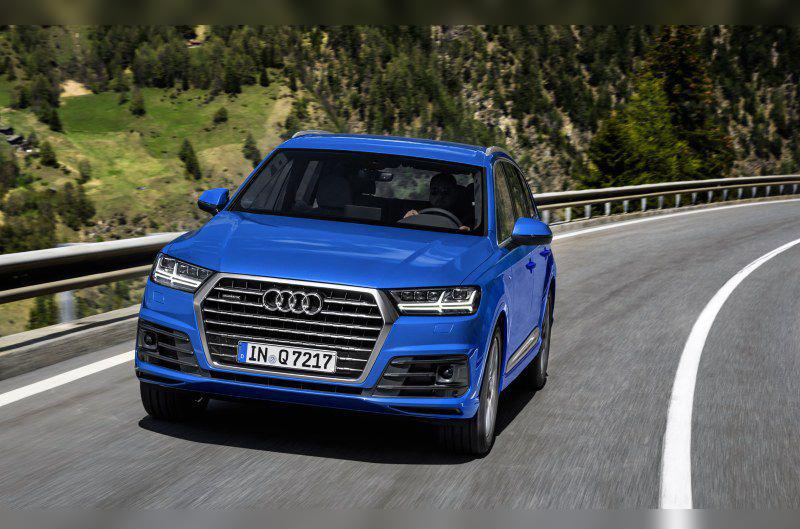
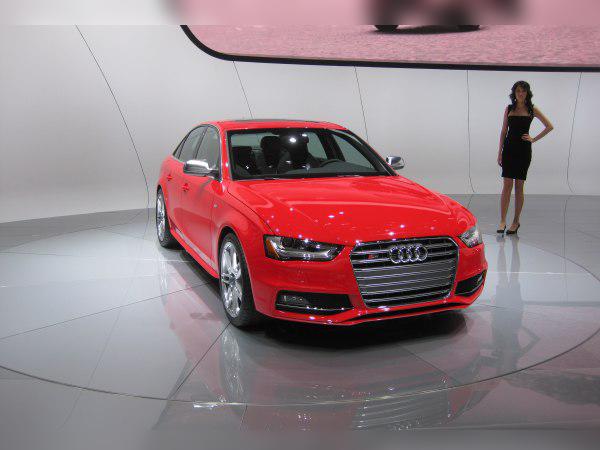
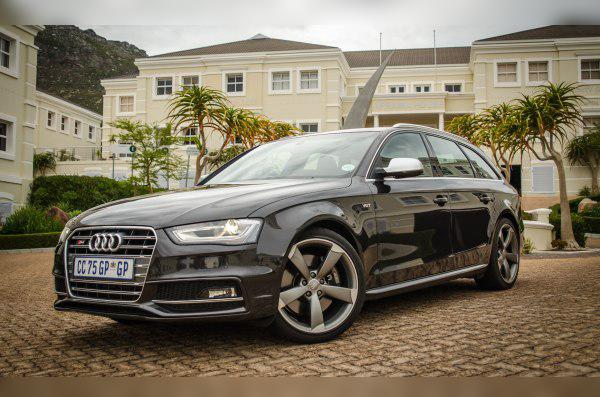
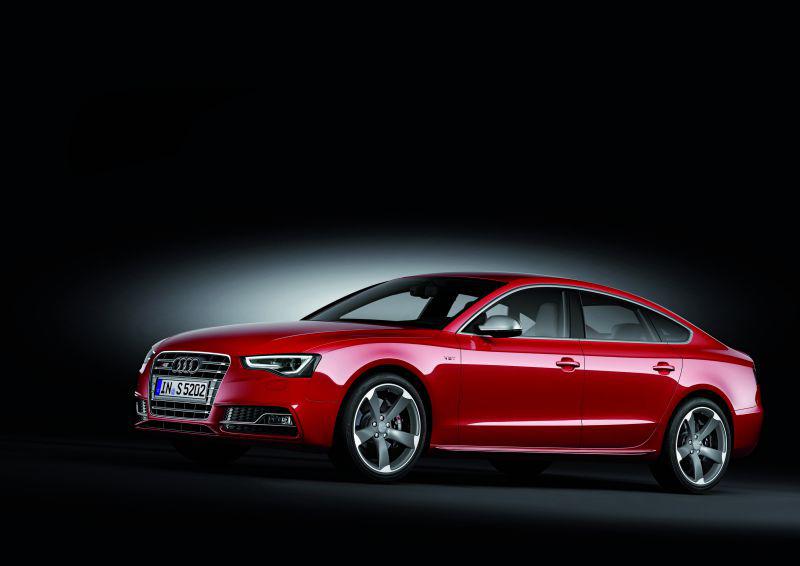
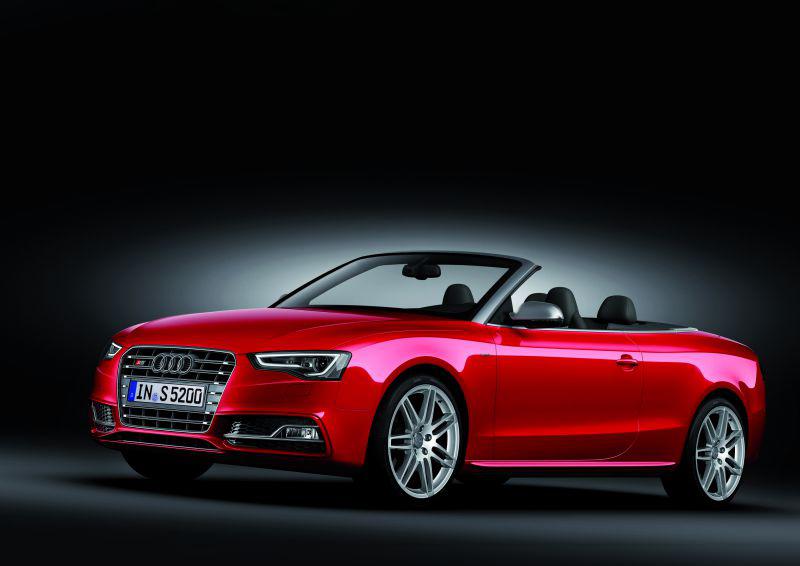
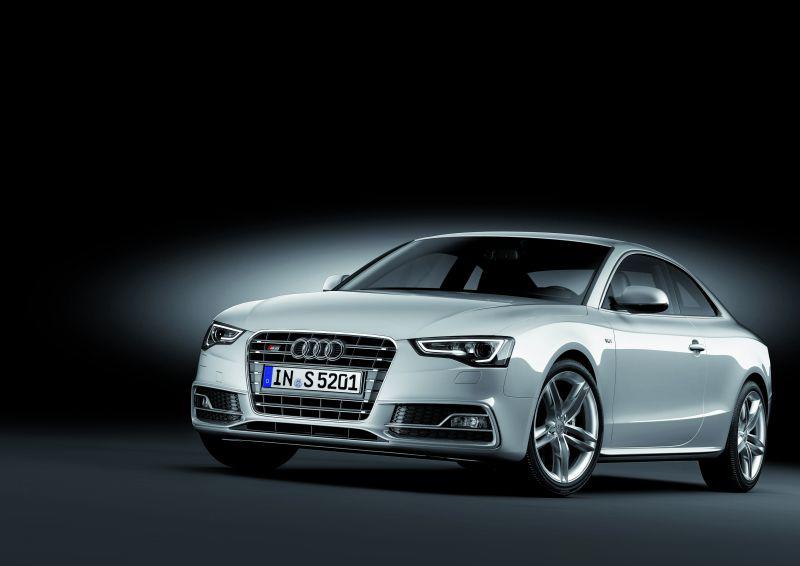
When talking about V6 petrol engines from the VW Group, the 3.0 TFSI engine with the EA837 evo designation (best known under the code CREC) represents the pinnacle of engineering before the switch to turbo-only technology. Installed mainly from 2014 in facelift models such as the Audi A6, A7, Q7 (4M), A8, and the S4 and S5, this engine delivers 333 hp and an extremely linear power delivery thanks to the mechanical supercharger. This is not “that old” 3.0 TFSI that drank oil and coked up the intake valves; this is the “Evo” generation where engineers fixed most of the early issues, but added a certain level of complexity.
Technical specifications
| Engine displacement | 2995 cc |
| Power | 245 kW (333 hp) |
| Torque | 440 Nm |
| Engine codes | CREC (most common), CRED, CTDA (depending on market and emission standard) |
| Injection type | Combined (Direct FSI + Indirect MPI) |
| Type of forced induction | Mechanical supercharger (Roots blower) with intercooler |
Reliability, maintenance and failures
Does this engine have a timing belt or a chain?
The EA837 Evo uses a chain, and not just one, but a complex system of four chains located at the rear of the engine, right next to the gearbox. This means that for any serious work on the timing system, the engine has to come out. The lifespan of the chain and tensioners depends on regular oil changes, but the first signs of stretching usually appear between 150,000 km and 200,000 km.
What are the most common failures and when is the “major service” done?
A classic major service in the sense of changing a timing belt at 100,000 km does not exist here. The chain is replaced as needed, and the cost is very high (depends on the market) due to the number of labor hours. The most common issues include:
- PCV valve (oil separator): A notorious weak point. When the membrane tears, the engine starts consuming excessive oil, raises crankcase pressure and produces a characteristic whistling sound. Replacement requires removing the supercharger.
- Coolant leaks: The thermostat and water pump are located in the so‑called “V” valley of the engine, directly under the supercharger. Over time, the plastic housings become brittle from heat and coolant starts to leak.
- Engine mounts: Active, fluid-filled mounts often fail after 150,000 km, causing vibrations in the cabin.
Engine oil and spark plugs
This engine takes about 6.8 liters of oil. A 5W30 or 5W40 grade that meets the VW 504.00/502.00 standard is recommended. Oil should be changed at a maximum of 15,000 km, ideally every 10,000 km. Oil consumption is present, but drastically reduced compared to older generations. It is normal to burn about 1 liter per 5,000 to 8,000 km. Anything above that points to a problem with the PCV valve or, more rarely, the piston rings.
As for the spark plugs, they must be replaced every 60,000 km, because supercharged engines require a perfect spark for stable operation.
Specific parts and costs
Fuel injection system
One of the best things about the CREC engine is the introduction of combined injection (direct + port injection). Older TFSI engines suffered from carbon buildup on the intake valves because fuel did not pass over them to “wash” them. On this engine, the MPI injectors wash the valves at lower revs, while the direct FSI injectors take over under full throttle. The injectors are extremely reliable and rarely cause problems, but it is important to check the cam follower of the high-pressure fuel pump (HPFP).
The supercharger and its longevity
This engine does not have a turbocharger, but a mechanical supercharger. Structurally it is extremely durable, but the CREC generation introduces a magnetic clutch on the supercharger pulley (similar to an A/C compressor). The ECU disconnects the supercharger during light driving to save fuel. Failures of this clutch (jerking during acceleration) are not uncommon, and replacement is moderately expensive (depends on the market). Also, inside the supercharger there are two small intercoolers through which coolant flows; they can start leaking and feed coolant directly into the cylinders, which requires urgent repair.
Emissions: DPF, EGR, AdBlue?
Since this is a petrol engine, it does not have a DPF filter (GPF filters only appeared on later generations after 2018). There is no AdBlue system either. A classic EGR valve does not physically exist; exhaust gas recirculation is handled by internal valve overlap strategies, which reduces the number of parts that can clog and fail.
Fuel consumption and performance
Real-world consumption and city driving behavior
With 333 hp, 440 Nm and a heavy body (especially in the Q7 or A8), do not expect diesel-like economy. City driving results in consumption between 13 and 16 l/100 km, depending on traffic and how heavy your right foot is.
Is the engine “lazy”?
Absolutely not. Unlike turbo engines, which have a so‑called “turbo lag” until they spool up, the mechanical supercharger provides torque instantly, already from idle. Even in the massive Audi Q7, this engine moves the body with ease. In models like the S4 or A6, acceleration is sporty and brutal.
Highway driving
This engine truly shines on the highway. At 130 km/h, it cruises at very low revs (usually between 2000 and 2200 rpm, depending on whether it is paired with a seven-speed or eight-speed gearbox). Fuel consumption on the open road drops to a reasonable 8 to 9.5 l/100 km. The cabin is extremely quiet, with a discreet supercharger whine under acceleration.
Additional options and modifications
LPG conversion
Technically, LPG can be installed because of the presence of MPI injectors, but in practice it is not recommended. The systems are expensive, calibration of dual injection on LPG is a nightmare for many tuners, and the fuel savings are often wiped out by engine running issues. Anyone buying a 333 hp V6 with a supercharger should be prepared to pay for petrol.
Remapping (Stage 1)
This engine is one of the most desirable engines for tuning in the world. A basic Stage 1 (software only) usually raises power to around 400 hp and over 500 Nm of torque. Thanks to the supercharger, power delivery remains linear. If you also opt for a supercharger pulley upgrade (smaller pulley = faster supercharger speed), power can exceed 450 hp. The engine components are very robust and safely handle Stage 1, provided that oil is changed on time.
Transmissions: Maintenance and failures
Manual gearboxes are not paired with this engine (except for extremely rare US-spec S4 models). For the European market there are two automatic options:
- S tronic (7-speed, DL501 DSG): Installed in the A6, A7, S4, S5. This is a dual-clutch gearbox. It is extremely fast, but sensitive. It has a dual-mass flywheel, and replacing it together with the clutch pack is very expensive (depends on the market). The most common failures are mechatronic unit failure and clutch wear, which manifest as juddering when taking off or harsh engagement into first and reverse. Servicing (oil and filter change) is absolutely mandatory every 60,000 km.
- Tiptronic (8-speed, ZF 8HP): Installed in the A8 and Q7. This is a conventional automatic with a torque converter (no classic dual-mass flywheel that fails, and no dual clutch). It is considered one of the best and most reliable gearboxes in the world. It shifts smoothly and failures are rare. Although the manufacturer claims the oil is “lifetime fill”, in practice the oil and pan with filter should strictly be replaced every 80,000 to 100,000 km.
Buying used and conclusion
What exactly should you check before buying?
- Cold start: The engine must be completely cold. Listen to the rear of the engine. Rattling that lasts longer than 1–2 seconds means the chain is nearing replacement.
- Leaks under the supercharger: Take a flashlight and illuminate the area under the front of the supercharger. If you see pink or purple traces of G12/G13 coolant, prepare money for a new water pump and thermostat.
- Test drive the gearbox: For S tronic, try a hard launch and parking on a slight incline in reverse. If the car shudders, jerks or hesitates, the mechatronics or clutches are in trouble.
- Diagnostics (VCDS/ODIS): Be sure to check for fault codes related to the magnetic supercharger clutch, catalyst efficiency and gearbox adaptations.
Who is this engine for?
The EA837 Evo engine (3.0 TFSI 333 hp) is intended for drivers who want power, long-distance reliability and a fantastic V6 sound, and who also have the budget for premium maintenance. It is a huge improvement over the pre-facelift 3.0 TFSI generation, primarily due to the elimination of valve carbon buildup issues. It is not recommended as a car used exclusively for stop‑and‑go city driving because of high fuel consumption, but rather as a top-class sedan or SUV for highway use and enthusiasts who appreciate supercharger performance.