EA839 / CZSE 3.0 TFSI V6 Engine: Ownership Impressions, Issues, Fuel Consumption and Used-Buy Guide
Key points (TL;DR)
- Exceptionally strong and flexible V6 turbo petrol engine, perfect for heavy saloons such as the Audi A8.
- Power is transmitted via a timing chain located at the rear of the engine, which makes major service work extremely demanding.
- The biggest weak point is the 48V mild-hybrid system (alternator/starter), which can fail suddenly.
- Prone to build-up of carbon deposits on intake valves due to direct injection.
- Not suitable for LPG (autogas) conversion.
- Paired exclusively with the excellent 8-speed ZF Tiptronic automatic transmission.
- Maintenance of this engine is very expensive (Depends on market) and requires a skilled mechanic with specific tools.
Contents
- Introduction to the EA839 / CZSE engine
- Technical specifications
- Reliability and maintenance
- Specific components and common failures
- Fuel consumption and performance
- Additional options and modifications
- Transmission and drivetrain
- Buying used and conclusion
Introduction to the EA839 / CZSE engine
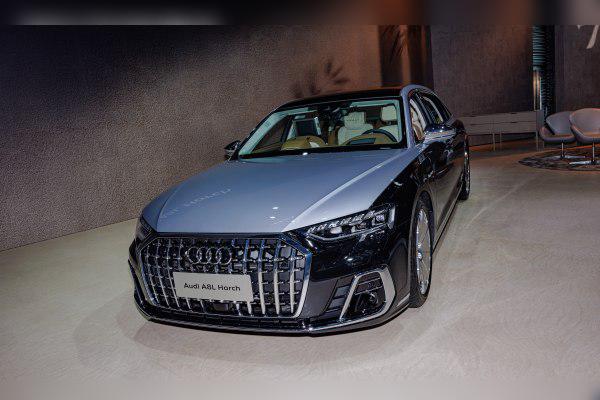
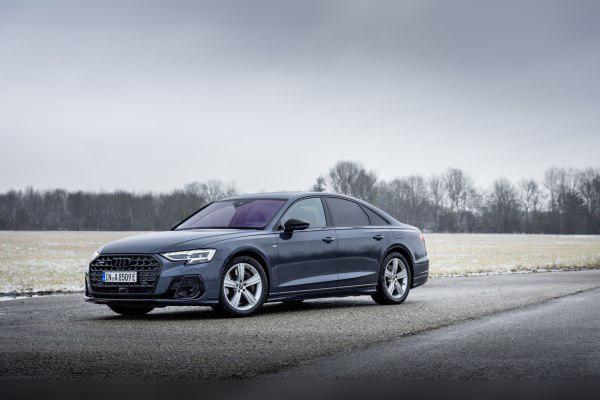
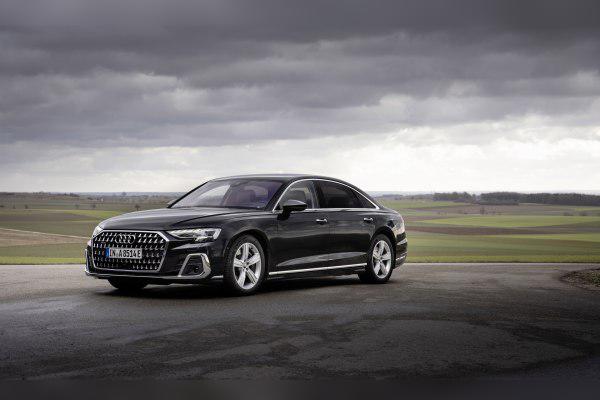
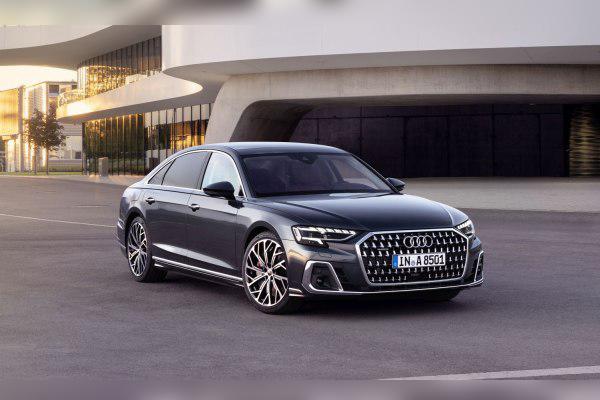
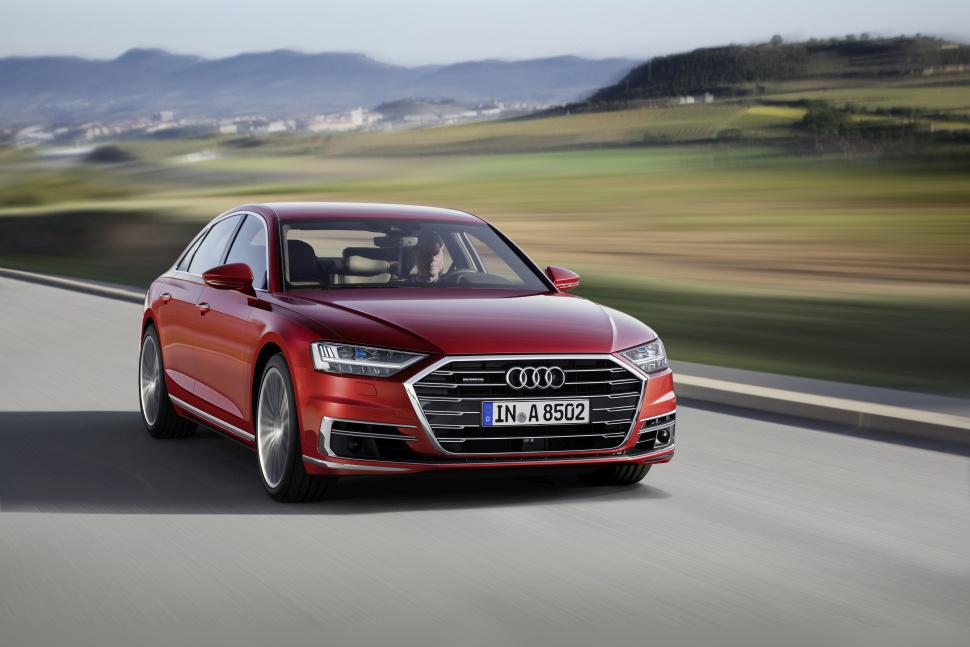
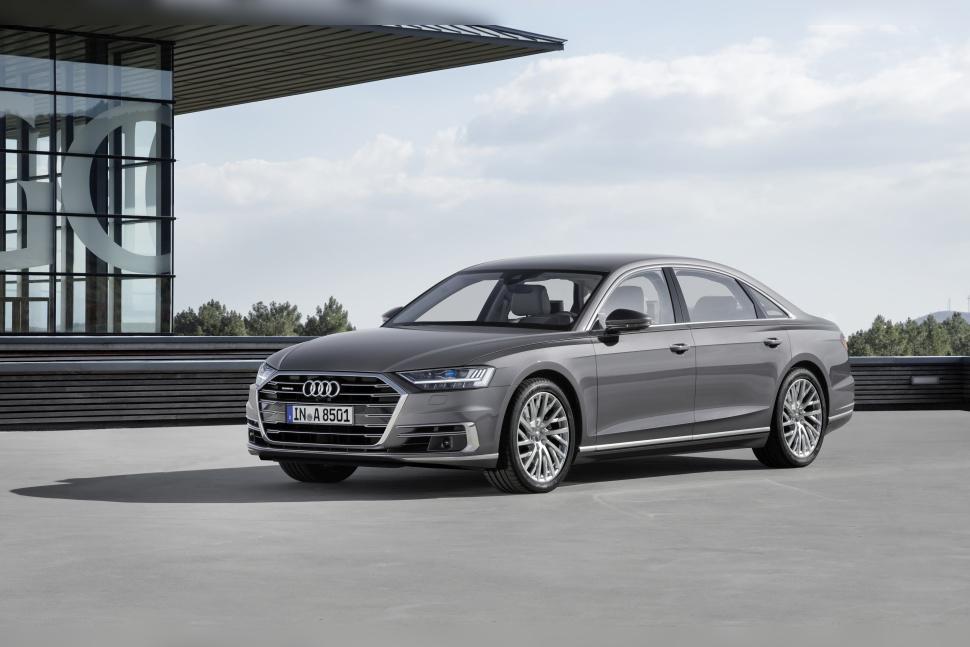
When it comes to luxury cruisers, the engine has to deliver power without hesitation, but with maximum refinement. The EA839 engine generation, specifically with the CZSE code (3.0 V6 TFSI), represents the pinnacle of engineering within the VW Group. It is designed in the so‑called “hot‑V” configuration, where the turbocharger is placed between the cylinder banks. This powerplant is widely used in current generations of the Audi A8 (D5), both in mild-hybrid (MHEV) and plug‑in hybrid (PHEV) versions. Thanks to an impressive 500 Nm of torque, driving this petrol engine often feels like driving a powerful diesel, but with much smoother operation and impressive high‑rev performance.
Technical specifications
| Characteristic | Data |
|---|---|
| Displacement | 2995 cc |
| Power | 250 kW (340 hp) / System output on hybrids varies |
| Torque | 500 Nm |
| Engine codes | EA839 / CZSE |
| Injection type | FSI (High-pressure direct injection) |
| Charging | Twin-scroll turbo, intercooler (hot‑V configuration) |
Reliability and maintenance
Does this engine use a timing belt or a chain?
The EA839 engine uses a timing chain. Structurally, the timing assembly is located at the rear of the engine, towards the gearbox. Because of this position, any serious work on the chain usually requires removing the entire engine and transmission from the car, which makes labour costs extremely high.
At what mileage is the major service due?
There is no factory-specified interval for chain replacement (the classic “major service”). In practice, the chain and tensioners can last over 200,000 to 250,000 km before showing signs of stretch. Replacement is only carried out when diagnostics report a mismatch between camshaft and crankshaft angles, or when a clearly audible chain rattle is heard for one to two seconds during a cold start. The cost of replacing the chain set is very high (Depends on market).
Most common issues
The biggest headache for Audi owners with this engine (mild-hybrid versions) is the 48V BSG (Belt Starter Generator), i.e. the alternator‑starter unit. When this part fails, the car loses electrical power, stops charging the battery and must be brought to a halt. Replacing this module is very expensive (Depends on market). In addition, there are frequent issues with coolant leaks around the thermostat housing and the water pump, which is located in the “V” valley of the engine.
Oil: capacity, grade and consumption
This V6 engine takes around 7.5 litres of engine oil. Due to emissions regulations and tight tolerances, the manufacturer recommends an extremely thin oil of 0W‑20 grade (VW 508.00 spec), although in some markets workshops also use 5W‑30 (VW 504.00) for better protection at high temperatures (always check the owner’s manual or by VIN).
As for oil consumption, due to the nature of turbo engines and thin piston rings, it is normal for it to consume between 0.2 and 0.5 litres per 1,000 km, especially with more spirited driving. If it consumes more than that, the main suspect is the oil separator, better known as the PCV valve.
Spark plugs
Since this is a turbocharged petrol engine that runs on a leaner mixture and is exposed to high temperatures, replacement of the iridium spark plugs is strictly recommended every 60,000 km. Skipping this interval leads to coil damage and improper combustion.
Specific components and common failures
Injection system and injectors
The engine uses an FSI (Fuel Stratified Injection) system, i.e. direct petrol injection into the cylinders at extremely high pressure. The injectors themselves are very robust and rarely fail if quality fuel is used. However, the main problem of FSI systems is build-up of carbon deposits on the intake valves. Since the fuel does not wash the valves from above, carbon gradually accumulates. Symptoms include rougher idle, a slight loss of power and increased fuel consumption. Cleaning is recommended every 100,000 km using walnut shell blasting.
Turbocharger
It has a single large twin-scroll turbocharger located between the cylinder heads (hot‑V). This position provides an almost instant throttle response (reduced turbo lag), but it also means that the turbo and surrounding components are exposed to extremely high engine bay temperatures. The life span of the turbo largely depends on regular oil changes; it can easily exceed 200,000 km without issues. It is important to let the engine idle for a minute or two before switching it off after hard motorway driving, so that the oil can cool the turbo bearings.
Emissions: DPF, EGR, AdBlue?
Since this is a petrol engine, it does not have a DPF filter and does not use AdBlue (those are reserved for TDI engines). However, newer revisions of this engine that comply with Euro 6d standards are equipped with a GPF/OPF (gasoline particulate filter). It clogs far less often than its diesel counterpart, because petrol engines operate at higher temperatures (exhaust gases reach up to 800 °C), so regeneration happens unobtrusively. An EGR (exhaust gas recirculation) system is present, but is mostly implemented through valve timing overlap and rarely causes physical clogging in the intake.
Fuel consumption and performance
Fuel consumption
This is not an economical car. Real‑world consumption in city driving (e.g. stop‑and‑go traffic) ranges from 12 to 15 l/100 km. In plug‑in hybrid (TFSI e) models, urban fuel consumption can be drastically lower (even below 5 l/100 km) if you charge it regularly and drive mostly on electricity. On open roads and highways, consumption can drop to around 8 l/100 km.
Is the engine “lazy”?
Not at all. Even though models such as the Audi A8 D5 Long can weigh over 2 tonnes, 340 hp and 500 Nm of torque, supported by the mild‑hybrid electric boost on take‑off, make this car incredibly quick. Maximum torque is available from just 1,370 rpm, so it pulls strongly from a standstill and offers excellent in‑gear acceleration for overtaking.
Motorway driving
The motorway is this engine’s natural habitat. At a cruising speed of 130 km/h, thanks to the eight‑speed gearbox, the engine turns at only 1,800 to 2,000 rpm in top gear. Inside the cabin it is virtually silent, and fuel consumption at that speed is around 9–10 l/100 km.
Additional options and modifications
LPG (autogas) conversion
Should you convert this engine to run on LPG? No, absolutely not. Due to the high‑pressure direct injection, hot‑V layout and extremely complex electronics tied into the 48V hybrid system, installing LPG is a technological nightmare. Systems capable of handling this setup are extremely expensive, not cost‑effective, and will ruin the reliability and sensors of this engine.
Remapping (Stage 1)
The EA839 engine responds extremely well to software tuning. The construction is robust and the turbo has plenty of headroom. With a basic Stage 1 remap, power can be safely raised from 340 hp to around 400 to 420 hp, while torque climbs to over 600 Nm. The car then becomes noticeably sharper. It is important to note that on plug‑in hybrids (60 TFSI e), mapping requires true specialists, as the operation of the electric motor must be carefully coordinated with the petrol engine.
Transmission and drivetrain
Type of gearbox and dual-mass flywheel
This engine is not offered with a manual gearbox. It is paired exclusively with an automatic transmission made by ZF (8HP series) – marketed by Audi as Tiptronic (8 speeds). Accordingly, this setup does not have a conventional dual‑mass flywheel or clutch disc (as found on manual and DSG/S‑Tronic gearboxes), but uses a hydraulic torque converter (wandler). This means you do not face clutch replacement costs like drivers of manuals or dual‑clutch transmissions do.
Gearbox issues and maintenance
The ZF 8‑speed gearbox is considered one of the best and most reliable transmissions in the world. However, it is not truly “without maintenance”, as the manufacturer sometimes suggests. If the oil is not changed, the most common symptoms are harsh shifts between 1st and 2nd gear and jerking when coming to a stop. Repairing a damaged mechatronic unit is very expensive (Depends on market).
Servicing the gearbox (oil, pan and integrated filter replacement) is absolutely essential every 80,000 to a maximum of 100,000 km.
Buying used and conclusion
What must be checked before purchase?
Buying an Audi A8 with this engine without a thorough inspection is financial suicide. Here is what the mechanic must do:
- Cold start: The engine must be completely cold. Start it and listen around the rear of the engine (towards the windscreen). A metallic chain rattle lasting more than two seconds means it is time for a major engine service.
- Inspection of the “V” valley: Remove the plastic engine cover and use a torch to check the area beneath the turbo. There must be no traces of pink coolant or fresh oil.
- 48V system diagnostics: Using factory‑grade diagnostics (VCDS/ODIS), the condition and voltage of the BSG module must be checked. Any errors related to voltage drop indicate the imminent failure of this very expensive part.
- PCV valve check: While the engine is idling, try to unscrew the oil filler cap. It should offer slight resistance. If the cap feels “stuck” and you hear a hissing sound when opening it, the PCV valve has failed.
Conclusion
The EA839 / CZSE 3.0 TFSI V6 engine is a masterpiece that offers quiet cruising, impressive acceleration and refinement worthy of a presidential limousine such as the Audi A8. It is intended solely for buyers who have a serious budget ready for regular and preventive maintenance alike. This is not a car for someone who counts “every penny”. If you value comfort, high‑speed motorway cruising and are willing to invest in a top‑notch mechanic, this engine will serve you for hundreds of thousands of kilometres at the highest possible level.