EA888 / CHHC 2.0 TFSI Engine (230 hp): Ownership Impressions, Issues, Fuel Consumption and Used-Buy Guide
Key points (TL;DR)
- Third-generation EA888 (Gen 3) is drastically more reliable than its predecessors, with the excessive oil consumption issue resolved.
- The timing is driven by a chain, which is more durable than before, but still needs to be checked after 150,000 km.
- The most common “weak spots” are coolant leaks at the water pump and thermostat housing, as well as failure of the PCV valve (oil vapor separator).
- It features dual injection (MPI + FSI), which prevents carbon buildup on the intake valves.
- It handles remapping (tuning) very well – a simple Stage 1 safely delivers over 300 hp.
- Servicing the S tronic (DSG) gearbox and quattro drivetrain every 60,000 km is absolutely crucial for longevity.
Contents
- Introduction: About the EA888 CHHC Engine
- Technical Specifications
- Reliability and Maintenance
- Specific Components (Costs)
- Fuel Consumption and Performance
- Additional Options and Modifications
- Gearbox and Drivetrain
- Buying Used and Conclusion
Introduction: About the EA888 CHHC Engine
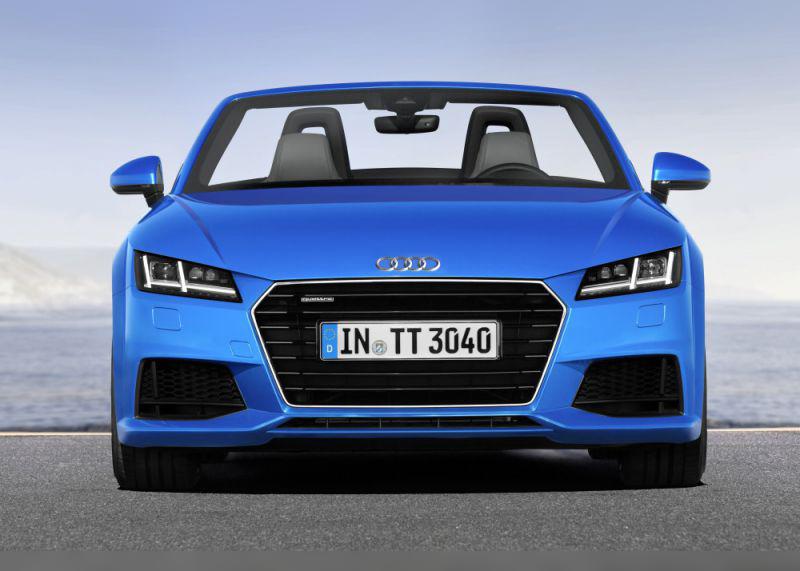
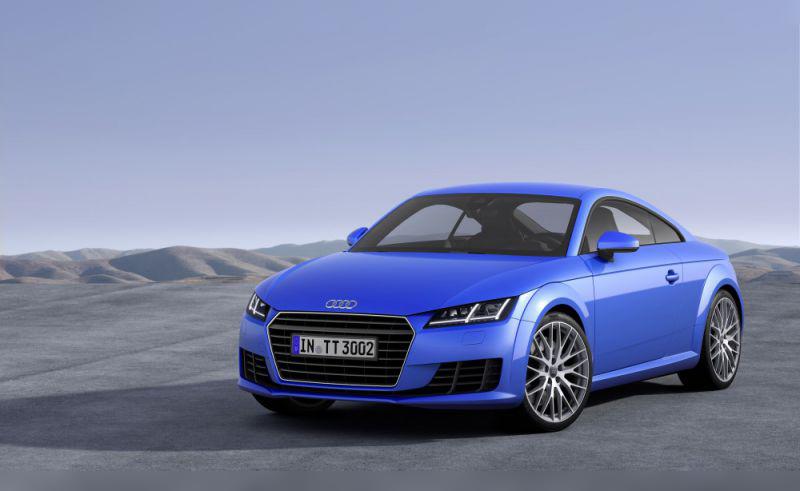
The engine with the code CHHC belongs to the famous EA888 family from the Volkswagen Group, specifically its third generation (Gen 3). This 2.0 TFSI unit delivers 169 kW (230 hp) and is one of the most desirable turbo petrol engines in its class. You’ll most often find it under the bonnet of the Audi TT (8S), both in Coupe and Roadster versions, paired with front-wheel drive or quattro all-wheel drive.
What sets this engine apart is the engineering progress compared to Gen 2. The VAG Group finally solved the notorious piston ring issue that caused extreme oil consumption on earlier versions. The CHHC is a technological gem that offers serious performance but demands knowledgeable and regular maintenance.
Technical Specifications
| Specification | Data |
|---|---|
| Engine displacement | 1984 cc |
| Power output | 169 kW (230 hp) |
| Torque | 370 Nm |
| Engine code | CHHC (EA888 Gen 3) |
| Injection type | Dual (FSI direct + MPI in intake manifold) |
| Forced induction | Turbocharger (IHI IS20), intercooler |
| Fuel type | Petrol (Gasoline) |
Reliability and Maintenance
Timing drive: Chain or timing belt?
This engine uses a chain for the timing drive. While earlier generations of EA888 engines suffered from chronic timing chain stretch and tensioner failures, the Gen 3 with the CHHC code has a revised, much more robust system. Still, the chain is not eternal. It is recommended to check the camshaft timing angle (phasing) via diagnostics after 120,000 to 150,000 km. Rattling on cold start that lasts longer than two seconds is a clear symptom of a stretched chain and a sign that it’s time for replacement.
Most common failures
Although very reliable, the CHHC has a few known “weak spots”:
- Water pump and thermostat housing: This is the most common failure. The housing is made of plastic and over time, due to heat cycles, it warps and cracks, leading to coolant leaks. Symptoms include the smell of coolant around the engine and a dropping level in the expansion tank. It’s recommended to replace the entire assembly at once.
- PCV valve (oil vapor separator): The membrane inside the valve tears, causing vacuum issues. Symptoms are rough idle, a whistling noise from the engine bay and increased oil consumption. Fortunately, the part is not overly expensive and is easy to replace.
Service intervals and oil
The classic “major service” (timing belt replacement) doesn’t exist here because of the chain. The major job is replacing the chain and related components when they show signs of wear (usually after 150,000 km). At the same time, the auxiliary belt and its tensioners are replaced.
The engine takes about 5.7 litres of oil. Fully synthetic 5W-30 or 0W-30 oil with VW 504.00/507.00 specification is recommended. Minor services should be done strictly every 10,000 to a maximum of 15,000 km. Extended “LongLife” intervals of 30,000 km are engine killers here.
Oil consumption
Does it consume oil? Yes, but within normal limits for a high-performance turbo petrol engine. Consumption of 0.5 to 1 litre per 10,000 km is considered completely normal. If it uses more than a litre per 3,000 km, the problem may be in the PCV (oil separator) or, in a worse scenario, in the turbocharger itself and the piston rings.
Spark plugs and ignition
Since this is a petrol engine with high combustion pressure, spark plugs should be replaced every 60,000 km. Ignoring this interval leads to overloading and failure of the ignition coils.
Specific Components (Costs)
Dual-mass flywheel and clutch
Yes, this engine uses a dual-mass flywheel, regardless of whether it is paired with a manual or automatic (S tronic) gearbox. Its job is to dampen crankshaft vibrations and protect the gearbox. Replacing the complete clutch kit with the dual-mass flywheel falls into the category: very expensive (depends on the market).
Injection system and carbon buildup
This is one of the best features of the CHHC engine. It has dual injection. In addition to the FSI injectors (directly into the cylinder), the engine also has MPI injectors (into the intake manifold). Fuel from the MPI injectors washes the intake valves and thus solves the well-known carbon buildup problem that plagued older TFSI engines. The injectors themselves are very reliable and rarely fail if quality fuel is used.
Turbocharger
The engine has a single turbocharger, model IHI IS20. Its service life is excellent and it easily exceeds 200,000 km with regular oil changes. Occasionally, you may encounter rattling from the wastegate actuator rod (wastegate actuator rattle), which requires adjustment or replacement of the actuator, but not the entire turbo.
Emissions systems (DPF, EGR, AdBlue)
As a turbo petrol engine, this unit does not have a DPF filter and does not use an AdBlue system, which drastically reduces running costs compared to TDI engines. It also doesn’t have a classic, problematic external EGR valve that clogs up; instead, exhaust gas recirculation is handled internally via a sophisticated variable valve timing (VVT) system.
Fuel Consumption and Performance
Real-world fuel consumption
Expectations need to be realistic for a 230 hp engine. In pure city driving, fuel consumption is around 10 to 12 l/100 km. If you have a heavy right foot, that figure easily goes higher. On the open road it’s a different story – the engine is very efficient and on country roads it can use around 6.5 to 7 l/100 km.
Driving characteristics and motorway behaviour
Is it “lazy”? Absolutely not. The Audi TT is a relatively light body compared to saloons and SUVs, and with 230 hp and 370 Nm of torque, acceleration is very sharp, almost in proper sports car territory. Turbo lag is minimal.
On the motorway at a cruising speed of 130 km/h, the engine spins at a relaxed around 2,500 to 2,800 rpm in sixth gear (whether it’s a manual or S tronic gearbox). The drive is quiet, and fuel consumption at that speed is a respectable 7.5 to 8 l/100 km.
Additional Options and Modifications
LPG conversion
Is it suitable for LPG? No. Although installation is technically possible due to the dual injection system, LPG systems for engines like this are extremely complex. Because of the direct injection, the engine would still have to use petrol in parallel to cool the FSI injectors in the cylinders. The price of such a system falls into the category: very expensive (depends on the market), so the investment is hard to justify, and the risk of an inadequate combustion map is high.
Remapping (Stage 1)
This is where the EA888 Gen 3 really shines. The CHHC is an extremely robust engine and from the standard 230 hp, with a simple software tune (Stage 1), it safely goes up to an impressive 300 to 315 hp and around 450 Nm of torque. The engine block and turbo (IS20) handle this without issues, but keep in mind that such power also requires a completely healthy gearbox and more frequent oil changes.
Gearbox and Drivetrain
Types of gearboxes and common issues
The engine was paired with two types of gearboxes:
- 6-speed manual: Very robust. Failures are mostly limited to wear of consumable parts – the clutch and dual-mass flywheel.
- S tronic automatic gearbox (DSG – 6-speed DQ250 or newer 7-speed DQ381): A dual-clutch automatic with wet clutches. An extremely fast and efficient gearbox. The most common problems arise from neglected maintenance. Failure of the mechatronics unit (valve control unit) or excessive wear of the clutch packs are serious issues whose repair is: very expensive (depends on the market). Symptoms include jerking when taking off, hesitation when shifting from D to R, or harsh shifts between gears.
Servicing the gearbox and drivetrain
For the S tronic (DSG) gearbox, changing the oil and filter every 60,000 km is mandatory! If you skip this service, metal particles from the clutch packs will destroy the mechatronics unit.
If the car has quattro all-wheel drive, be aware that it uses a Haldex clutch on the rear axle. The oil in the Haldex system must be changed every 3 years or at a maximum of 45,000 km, with mandatory cleaning of the pump’s mesh filter (strainer).
Buying Used and Conclusion
What to check before buying?
Buying an Audi with this engine requires a cool head and a good mechanic. Be sure to pay attention to:
- Cold engine start: Listen for a brief metallic rattle (chain) in the first few seconds.
- Visual inspection under the bonnet: Look for traces of dried, pink coolant on the right side of the engine (a sign of a cracked thermostat housing).
- Test drive with the automatic: With the warmed-up car stopped on an incline, select D and release the brake. The gearbox should pull smoothly, without shuddering or clutch slip.
- Diagnostics (VCDS): Always check the timing chain phase angles and whether the gearbox is reporting any pressure-related faults in the mechatronics unit.
Conclusion
The EA888 CHHC 2.0 TFSI (230 hp) engine is a fantastic piece of engineering. It offers grin-inducing performance, huge tuning potential and very reasonable fuel consumption on the open road. Unlike older generations, it is free from the fatal piston ring design flaws.
It is aimed at drivers who want a sporty feel and are prepared to financially support top-notch maintenance. If you’re buying a used car with a known service history, where the engine and S tronic gearbox oils have been changed regularly, you’ll get an excellent and reliable car. On the other hand, a neglected example whose previous owners stretched oil change intervals to 30,000 km will turn into a nightmare for your wallet.