1.8 TFSI Engine (EA888 CJEB) 170 hp – Experiences, problems, fuel consumption and used car buying guide
- Third generation EA888 engine (Gen 3): The factory finally solved the notorious excessive oil consumption issue that plagued previous generations.
- Dual injection (MPI + FSI): This system effectively prevents carbon buildup on intake valves, which is a sore point of many modern petrol engines.
- Timing chain drive: There is no classic timing belt, but the chain and tensioner require inspection and eventual replacement at higher mileage.
- Diesel-like torque: With an impressive 320 Nm, it offers driving flexibility typical of turbo diesel engines.
- Multitronic gearbox: Automatic versions mostly use a CVT (Multitronic) which is extremely comfortable, but sensitive to skipped regular maintenance.
Contents
- Introduction: Third time lucky for the EA888
- Technical specifications
- Reliability, maintenance and failures
- Specific parts and costs
- Fuel consumption and performance
- LPG and remap (Stage 1)
- Gearboxes, clutch and dual-mass flywheel
- Buying used and conclusion
Introduction: Third time lucky for the EA888
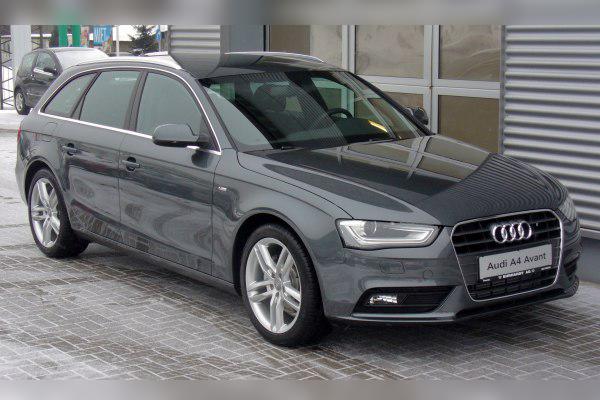
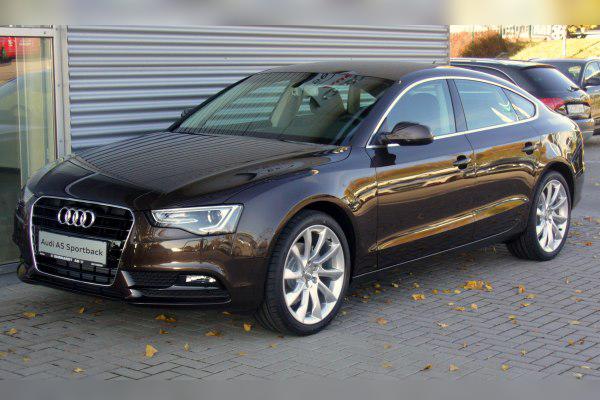
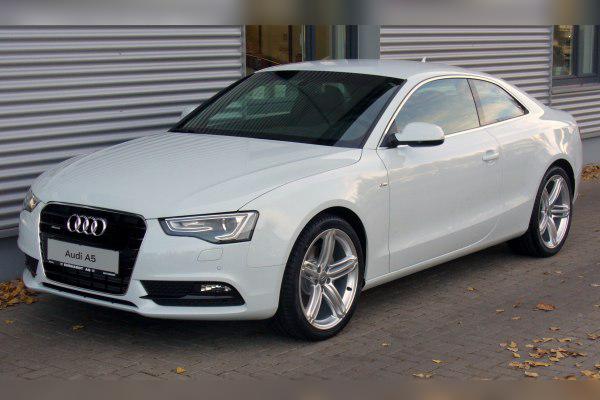
When the 1.8 TFSI engine from the Audi/VW group is mentioned, many drivers and mechanics instinctively grab their heads, remembering the second generation (Gen 2) that burned oil by the liter. However, the engine with the code CJEB, which was installed in the facelift (redesigned) Audi A4 (B8) and A5 (8T/8F) models from 2011 onwards, represents the third generation (Gen 3) of the EA888 family. This is a completely different story. Audi redesigned the pistons, rings, injection system and thermal management. The result is an extremely smooth, potent and significantly more reliable unit that is one of the best options for a used A4 or A5.
Technical specifications
| Specification | Data |
|---|---|
| Engine displacement | 1798 cc (1.8 liters) |
| Engine power | 125 kW (170 hp) |
| Torque | 320 Nm (at 1400 - 3700 rpm) |
| Engine code | CJEB (EA888 Gen 3) |
| Injection type | Dual (FSI direct + MPI in the intake manifold) |
| Charging method | Turbocharger + intercooler |
Reliability, maintenance and failures
Timing chain or timing belt?
This engine uses a timing chain to drive the camshafts. Although in theory a chain should last as long as the engine itself (a so‑called “lifetime” part), in practice this is not the case. The timing system has been improved compared to older versions, but chain stretch and tensioner failure can still occur.
Most common failures
Although much more reliable than its predecessor, the CJEB engine has a few specific weak points:
- Coolant leaks: The thermostat housing and water pump are made of plastic which eventually cracks due to thermal stress. The symptoms are a slight coolant loss and a distinctive sweet smell under the bonnet. Replacement is inevitable and costs: expensive (depends on the market).
- PCV valve (oil vapor separator): The membrane inside the valve can tear. Symptoms include rough idle, a “hissing” sound from the engine area, an illuminated Check Engine light and increased oil consumption. Replacement is inexpensive and done routinely.
- Turbo pressure regulator (wastegate actuator): The small lever on the turbocharger itself can develop play or get stuck, resulting in power loss and an underboost error.
Major service, oil and spark plugs
A classic major service is not done at a fixed mileage because the engine uses a chain. However, the condition of the chain must be checked via diagnostics (monitoring camshaft adaptation angle) or through the inspection port once the car has covered around 150,000 km. If it is stretched, the complete chain kit with guides needs to be replaced.
The engine takes about 5.2 liters of oil. High‑quality synthetic oil with a viscosity of 5W-30 or 5W-40 (with VW 504.00/507.00 or 502.00 specification) is recommended.
Oil consumption: Unlike Gen 2 engines, the CJEB does not “drink” oil in abnormal quantities. Still, it is normal for it to consume between 0.5 and 1 liter per 10,000 km. If it consumes more than 0.5 liters per 1,000 km, this indicates a problem (most often a clogged PCV valve or, in the worse case, the beginning of ring issues).
This is a petrol engine, so spark plugs are replaced every 60,000 km. If this interval is ignored, ignition coils get overloaded and fail, which causes the engine to run on three cylinders and jerk.
Specific parts and costs
Dual-mass flywheel
Yes, this engine has a dual-mass flywheel (DMF), regardless of whether it is paired with a manual or automatic gearbox. Its role is to dampen strong vibrations caused by the high torque of 320 Nm.
Injection system (injectors)
This is one of the CJEB engine’s biggest advantages. It features a dual injection system. It has a total of 8 injectors – 4 for direct (FSI) high‑pressure injection into the cylinder and 4 for indirect (MPI) injection into the intake manifold. This solves the biggest problem of FSI/TFSI engines: carbon buildup on intake valves, because fuel from the MPI injectors washes the valves. The injectors are very durable and rarely cause issues, unless extremely poor‑quality fuel is used.
Turbocharger
It has a single turbocharger (IHI brand), cooled by both water and oil. Its service life is long; with regular oil changes it can easily last over 200,000 km. The most common issue is the aforementioned wastegate lever, not the turbine rotor itself.
EGR, DPF and AdBlue
Since this is a petrol engine, this model has no DPF filter and does not require AdBlue fluid. It also does not have a classic EGR valve that gets dirty and clogged with soot like on diesels; instead, exhaust gas recirculation is handled via the VVT system (variable valve timing) and the PCV valve.
Fuel consumption, performance and driving impressions
In city driving: Real‑world consumption is between 9 and 11 l/100 km. In heavy traffic, with the air conditioning on, it can exceed 11 liters. After all, this is a heavy body (around 1.5 tons for the A4).
Is the engine sluggish? Absolutely not. With 170 hp and an impressive 320 Nm of torque (available from just 1400 rpm), this engine pulls like a turbo diesel. The driving feel is very dynamic, there is no “turbo lag” and it easily hauls the A4 Avant or A5 Sportback body, even when overtaking uphill.
On the motorway: This is a true cruiser. Thanks to the excellent torque, both manual and automatic gearboxes are fitted with long gear ratios. At a speed of 130 km/h, the engine spins at just 2,400 - 2,600 rpm (depending on gearbox type). Fuel consumption on the open road drops to a respectable 6 to 7 l/100 km, and cabin noise is minimal.
LPG and remap (Stage 1)
LPG conversion
Is it possible? Yes. Is it cost‑effective? Hardly. Due to the dual injection system, LPG installation is extremely complex. A premium and expensive LPG kit specifically designed for this engine code is required. In addition, while running on gas the engine must also use around 10–15% petrol to cool the FSI injectors in the cylinders. The investment is: very expensive (depends on the market) and is hard to justify for the average driver.
Tuning (Stage 1)
This engine block (EA888) is incredibly suitable for a remap. With a simple software tune (Stage 1), without any physical modifications, power can be safely raised from 170 hp to around 210 to 220 hp, while torque increases to nearly 380 Nm. The engine and turbocharger can handle this without issues, but keep in mind that the higher torque will wear out the clutch and dual‑mass flywheel faster.
Gearboxes, clutch and dual-mass flywheel
With this engine and front‑wheel drive, you most often get a 6‑speed manual gearbox or a Multitronic (CVT – continuously variable) automatic gearbox. (Note: Quattro versions use an S‑Tronic dual‑clutch gearbox, but we will focus on the more common front‑wheel‑drive and Multitronic setups).
Manual gearbox failures and flywheel
The manual gearbox is mechanically almost indestructible. The only wear items are the clutch kit and dual‑mass flywheel. Symptoms of a worn flywheel include vibrations when starting/stopping the engine, rattling at idle and “thumping” when releasing the clutch pedal. Replacement cost (flywheel + clutch + labor) is: expensive (depends on the market). For the manual gearbox, it is recommended to change the gearbox oil at around 100,000 km as a preventive measure.
Multitronic (automatic gearbox)
Multitronic offers incredibly linear and smooth acceleration (there are no classic gears), but it requires rigorous care.
Most common failures: Stretching of the drive chain inside the gearbox, wear of the cones, failures of the TCM computer (gearbox control unit) which sits in hot oil. Symptoms of failure include jerking when moving off, revs flaring and delay when engaging “D” or “R”. Repairing a Multitronic gearbox is: very expensive (depends on the market).
Maintenance: The oil in a Multitronic gearbox must be changed STRICTLY every 60,000 km. If this interval is extended, failure is inevitable.
Buying used and conclusion
What to check before buying?
- Cold start: Ask the seller not to start the car before you arrive. At the first start, listen to the engine. If you hear metallic rattling or scraping that lasts longer than 2–3 seconds, the chain and tensioner are due for replacement.
- Smell and fluid levels: Check the coolant reservoir. If there are traces of crust or you smell burnt coolant under the bonnet, the water pump housing is leaking.
- Diagnostics (VCDS): Always plug in diagnostics. Check the camshaft phase adaptation parameter. If the value is above -4 or -5 degrees, the chain is stretched.
- Automatic gearbox test: Start off gently on an uphill. The car must move completely smoothly, without any jerks or shuddering.
Conclusion
Should you buy an Audi A4/A5 with the 1.8 TFSI CJEB (170 hp) engine? Yes. This is the point at which Audi finally corrected the mistakes of the past. The engine offers an excellent balance between diesel‑like performance and petrol refinement, with the carbon buildup issue resolved. It is intended for drivers who want a refined drive, mostly in the city or on main roads, and cover around 15,000 km per year so a diesel does not pay off. If you are buying an automatic, insist on a complete gearbox service history; otherwise, the manual gearbox is a much safer purchase for your wallet.