Audi 2.0 TFSI (EA888 / CNCD) 225 HP – Experiences, problems, fuel consumption and used car buying guide
Key points (TL;DR)
- Generation 3 (Gen 3): The CNCD engine code belongs to the third generation of EA888 engines, which solved the notorious excessive oil consumption issue that ruined the reputation of the previous generation.
- Injection system: It has dual injection (direct and indirect), which means it does not suffer from carbon buildup on the intake valves.
- Biggest weak point: The plastic housing of the water pump and thermostat is prone to cracking and coolant leaks.
- Timing chain: Although more reliable, the timing chain still needs to be checked after 150,000 km. Do not ignore rattling at cold start.
- Transmissions: Great to drive, but be careful with Multitronic (CVT) gearboxes, which are prone to failures. S tronic is fast, but requires strict maintenance.
- Tuning potential: A phenomenal engine for Stage 1 remap – it easily goes beyond 290 HP.
Contents
- Introduction: Redeeming the sins of the previous generation
- Technical specifications
- Reliability and maintenance
- Specific parts and costs
- Fuel consumption and performance
- Additional options and modifications
- Transmissions: Manual, S tronic, Multitronic and Tiptronic
- Buying used and conclusion
Introduction: Redeeming the sins of the previous generation
When mechanics hear “2.0 TFSI”, many still get chills remembering the engines from around 2008–2011, which burned more oil than fuel due to poorly designed piston rings. However, the engine with the code CNCD (EA888 Gen 3), producing 225 HP (165 kW), tells a completely different story.
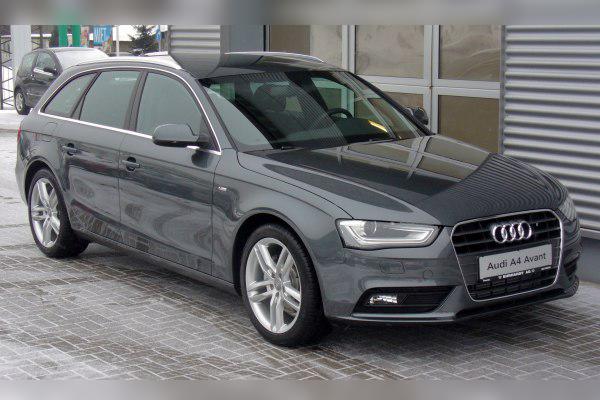
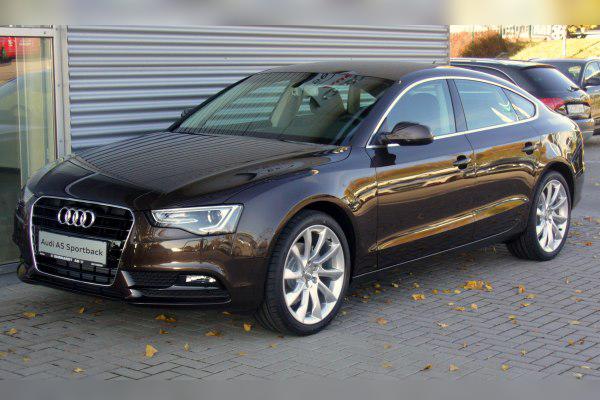
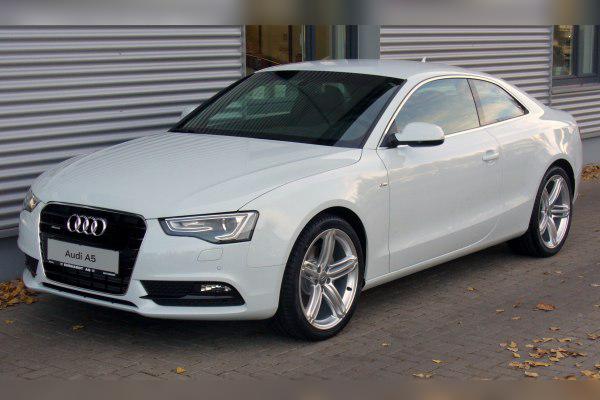
This unit was installed in facelift versions of popular Audi models: A4 (B8), A5 (8T) and Q5 (8R). With the third generation of the EA888 engine family, the Volkswagen Group pulled off a serious engineering feat. They introduced dual fuel injection, integrated the exhaust manifold into the cylinder head (for faster engine and cabin warm-up) and finally revised the piston assembly. The result is an extremely flexible, powerful and technologically advanced engine which, when healthy, offers a perfect balance between sporty performance and everyday usability.
Technical specifications
| Parameter | Value |
|---|---|
| Engine displacement | 1984 cc |
| Power | 165 kW (225 HP) |
| Torque | 350 Nm |
| Engine code | EA888 Gen 3 / CNCD |
| Fuel type | Petrol (Recommended: 98 or 100 RON) |
| Injection type | Combined (Direct FSI + Indirect MPI) |
| Forced induction | Turbocharger + Intercooler |
Reliability and maintenance
Does this engine have a timing belt or chain, and a “major service” interval?
EA888 engines use a timing chain to synchronize the crankshaft and camshafts. There is no classic “major service” interval (like a timing belt at 120,000 km), but that doesn’t mean the system lasts forever. On Gen 3 engines the chain is reinforced and the tensioners have been redesigned, so they no longer skip teeth out of the blue like on earlier versions.
Still, due to wear, the chain can stretch. Symptoms: Metallic rattling for the first morning start that lasts longer than 2–3 seconds, and in extreme cases a “Check Engine” light (camshaft position correlation errors). It’s recommended to check the camshaft phase angle via diagnostics (VCDS) after 150,000 km. Replacing the complete timing set (chain, guides, tensioners) ranges from expensive to very expensive (depending on the market).
What are the most common failures on this engine?
This engine has two specific weak spots:
- Water pump and thermostat module: This is a plastic assembly constantly exposed to temperature changes. Over time the plastic warps, seals fail and the engine starts losing coolant. Symptoms: A sweet smell under the hood, puddles of pink fluid (G12/G13) under the car, or simply a low level in the expansion tank. Replacement is inevitable and requires a quality (preferably genuine) part.
- PCV valve (oil separator): The membrane inside the valve tears. Symptoms: Rough idle, “hissing” or whistling from the engine bay, difficulty removing the oil cap while the engine is running (strong vacuum), and increased oil consumption. Replacement is neither complicated nor particularly expensive.
Engine oil and oil consumption
This 2.0 TFSI engine takes about 5.2 liters of oil. The recommended viscosity is usually 5W-30 or 5W-40 that meets VW 504.00 or 502.00 specifications. Due to the specifics of the turbocharger and timing chain, experienced mechanics recommend shortening the service interval to a maximum of 10,000–15,000 km, instead of the factory “LongLife” 30,000 km intervals.
As for oil consumption – unlike its predecessors that “drank” a liter per 1,000 km, the CNCD engine is drastically better. Around 0.5 to 1 liter per 10,000 km (between two services), depending on driving style, is considered normal. If the engine consumes significantly more, suspect the PCV valve mentioned above or, in more serious cases, turbocharger damage.
At what mileage should spark plugs be replaced?
As this is a high-performance turbo petrol engine, the spark plugs are heavily stressed. It’s recommended to replace them every 60,000 km. If this is ignored, ignition coils can fail (indication: the engine runs on 3 cylinders, shakes, and the “Check Engine” light flashes). Coils are replaced as needed, but it’s wise to keep a spare one in the trunk if you’re going on a long trip with an older car.
Specific parts and costs
Does this engine have a dual-mass flywheel?
Yes, this engine uses a dual-mass flywheel. Whether you’re buying a manual or an automatic (S tronic / Multitronic), the flywheel serves to dampen torsional vibrations. Given the high torque (350 Nm), the flywheel is under significant stress. Failure symptoms: Dull knocks and metallic noises when starting and stopping the engine, vibrations at idle, juddering when taking off. The cost of replacing the clutch kit together with the dual-mass flywheel is high to very high (depending on the market).
What kind of injection system does it have, and are the injectors problematic?
The injection system is one of this engine’s biggest advantages. It uses a dual system: each cylinder has two injectors (one sprays directly into the cylinder – FSI, and the other in the intake port before the valve – MPI). This solves the major issue of carbon buildup on intake valves that plagues most modern petrol engines with direct injection only. The injectors are very reliable and rarely cause problems if you use quality fuel.
Turbocharger
The engine has a single turbocharger (most often an IHI unit, known as IS20 on related platforms). Turbo lifespan is excellent and easily exceeds 200,000 km with regular oil changes. What can fail before the turbo itself is the electronic wastegate actuator. Symptoms: The car loses power, goes into limp mode and logs an underboost fault.
DPF, EGR and AdBlue?
Since this is a pure petrol engine, it DOES NOT HAVE a DPF filter, it doesn’t have the typical problematic diesel-style EGR valve (exhaust gases are recirculated via variable valve timing and the PCV system), nor does it use AdBlue. This makes it a perfect choice for city driving and short trips, as you won’t be dealing with clogged filters and expensive regenerations.
Fuel consumption and performance
What is the real-world fuel consumption?
Expectations need to be realistic: this is a 2.0 petrol engine with 225 HP in heavy cars (especially the A4 Allroad or Q5 with quattro).
- City driving: In heavy traffic, consumption is between 10.5 and 12.5 l/100 km.
- Highway / country roads: On open roads, the average drops to a very decent 6.5 to 7.5 l/100 km.
Performance and engine behavior
Is this engine “lazy”? Absolutely not. With 350 Nm of torque available from just 1,500 rpm, it drives with an ease reminiscent of strong turbo diesels, but with the quietness and willingness to rev past 6,000 rpm. Even in the hefty Audi Q5, the engine moves the body effortlessly, and overtakes are quick and safe.
On the motorway, at 130 km/h in 7th gear (with S tronic), revs stay low (around 2,200–2,400 rpm depending on the final drive ratio of the specific model), the engine is almost silent, and highway consumption is usually around 7.5 to 8.5 l/100 km.
Additional options and modifications
Is this engine suitable for LPG conversion?
The short answer from an experienced mechanic: No. Although it is technically possible to install an LPG system designed for engines with direct/combined injection (liquid phase systems or those that still inject some petrol to cool the injectors), the price of such systems is steep (very expensive, depending on the market). Besides the high installation cost, you lose the charm and dynamic character of this engine, and the payback period is too long. If you’re buying a 225 HP TFSI, you really shouldn’t be thinking about LPG.
Chip tuning (Stage 1)
This unit (EA888 Gen 3) is an absolute star of the tuning scene. The engine block and internals are overengineered. With a simple ECU remap (Stage 1), without any mechanical modifications, power can be safely and reliably raised to about 290 to 310 HP, and torque goes beyond 420 Nm. After a remap, the car becomes brutally quick in acceleration. One note: if the car is equipped with an S tronic gearbox, a TCU remap (transmission software optimization) is often recommended so that the clutches can handle the new torque.
Transmissions: Manual, S tronic, Multitronic and Tiptronic
The choice of gearbox dramatically changes reliability and maintenance costs. Here’s what was fitted:
- Manual (6-speed): Very reliable and precise. Failures are mostly limited to regular clutch and dual-mass flywheel replacement.
- Multitronic (CVT – continuously variable transmission): Installed only in front-wheel-drive models (not available with quattro). Advice: Avoid. This is the most problematic gearbox. Its design uses a chain that wears out, and TCM (transmission control module) failures are common. Repairs are extremely expensive. It drives smoothly, but offers no sporty feel whatsoever.
- S tronic (7-speed dual-clutch – code DL501 for longitudinal engines): Dominant in quattro versions of the A4 and A5. Incredibly fast and a perfect match for this engine. Downsides: It requires strict oil and filter changes every 60,000 km. If this is skipped, the mechatronics unit (the electro-hydraulic brain of the gearbox) and clutch packs suffer. S tronic overhauls are very expensive (depending on the market). Failure symptoms: Jerking when taking off, hesitation when downshifting from 2nd to 1st before stopping, harsh engagement when selecting “D” or “R”.
- Tiptronic (8-speed conventional automatic): Less common with this engine in our market (more frequent in Q5 models for the US market, but it does exist). It’s made by ZF and is the most robust, almost indestructible option. Gear changes are smooth and reliability is excellent. An oil change is recommended every 80,000–100,000 km even though Audi sometimes claims the oil is “lifetime” – don’t believe that.
Buying used and conclusion
What must be checked before buying?
Buying a used Audi with the 2.0 TFSI (CNCD) engine requires a cool head and a sharp eye. Never buy blindly; follow these steps:
- Cold start: Insist that the car is completely cold. Listen to the engine sound the moment it cranks. If you hear metallic scraping and rattling for a few seconds, the chain is due for replacement.
- Visual inspection around the engine: Use a flashlight to look around the intake manifold and water pump for traces of dried pink coolant.
- Test drive (focus on the gearbox): Warm the car up. Try to take off uphill slowly without throttle. Then accelerate hard, then brake hard to a full stop. An S tronic must not bang, jerk or hesitate.
- VCDS diagnostics: Have a mechanic read the camshaft phase angle (to check chain stretch) and check the misfire counters, which indicate bad plugs/coils.
Who is this engine for?
The Audi 2.0 TFSI EA888 Gen 3 (225 HP) is a brilliant driver’s engine. It’s intended for people who are tired of diesel clatter, who don’t drive huge mileages per year, drive mostly in the city and on short trips (where a petrol engine reaches operating temperature much faster), and want a car that shows real sporty character on country roads and motorways at the weekend. Maintenance is not at the level of cheap city cars – parts cost money and intervals must be respected. If you’re ready to invest in a genuine water pump housing, change quality oil regularly and service the gearbox on time, this engine will reward you with hundreds of thousands of enjoyable kilometers.