2.0 TFSI EA888 (CNCE) 230 HP Engine – Experiences, Problems, Fuel Consumption and Used Car Buying Tips
- Third generation EA888 engine: The factory resolved the issue of excessive oil consumption that plagued previous generations, but it still requires top-notch maintenance.
- Chain-driven timing: The timing chain is more reliable than before, but the tensioners and chain stretch still require attention around 150,000 km.
- Dual injection: The combination of FSI (direct) and MPI (indirect) injection protects the intake valves from carbon buildup (coking).
- Performance and consumption: Extremely elastic and fast engine (350 Nm), but sensitive to vehicle weight – in city driving you should expect higher fuel consumption.
- Sensitive peripherals: The water pump (plastic housing) and PCV valve (oil vapor separator) are the most common causes of unplanned visits to the mechanic.
- Gearboxes dictate costs: The dual-clutch S tronic is excellent, but prone to mechatronics failures, while the Multitronic should be avoided if the car has high mileage.
Contents
- Introduction to the EA888 Gen 3 engine
- Technical specifications
- Reliability, maintenance and failures
- Specific parts and costs
- Fuel consumption and performance
- Additional options, LPG and remapping
- Gearboxes, flywheel and clutch
- Used car buying tips and conclusion
Introduction to the engine and its applications
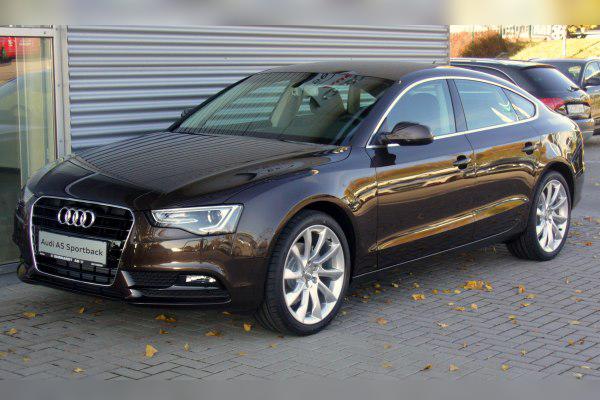
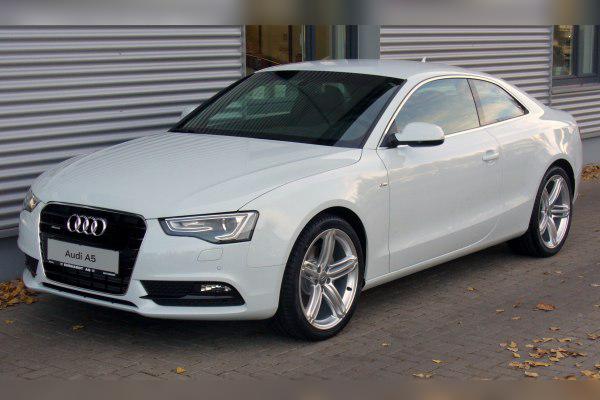
The two-liter turbo petrol engine designated EA888 is the backbone of the Volkswagen Group’s petrol lineup, and the CNCE version with 169 kW (230 HP) belongs to the third generation (Gen 3). This engine was developed with a clear goal: to correct the catastrophic mistakes of the second generation, which “drank” oil due to poor piston ring design. It was mainly installed in facelifted Audi A5 models (Sportback, Coupe, Cabriolet) and the Audi Q5, offering an excellent compromise between sporty performance and civilized everyday driving.
Technical specifications
| Parameter | Specification |
|---|---|
| Displacement | 1984 cc |
| Power | 169 kW (230 HP) |
| Torque | 350 Nm |
| Engine codes | EA888 Gen 3 (specifically CNCE) |
| Injection type | Dual: Direct (FSI) + Indirect (MPI) |
| Aspiration | Turbocharger with intercooler |
Reliability, maintenance and common failures
Timing belt or chain?
This engine uses a timing chain to drive the camshafts. Unlike earlier generations where the chain often snapped or jumped as early as 80,000 km, the CNCE version has a thicker chain and improved tensioner design. Still, the chain is not eternal. There is no strictly prescribed factory interval for a major timing service, but its condition must be monitored via diagnostics (checking the camshaft phase angle). In practice, the complete timing set (chain, tensioners, guides) is usually replaced between 120,000 and 150,000 km. A metallic rattling noise from the engine area during a cold morning start, lasting a few seconds, is a clear sign that the chain is stretched and replacement is urgent.
Oil: Capacity, grade and consumption
The engine takes approximately 4.6 to 5.2 liters of oil (figures vary depending on the exact shape of the oil pan and drivetrain type; it should be checked by VIN). It is recommended to use fully synthetic oil of grade 5W-30 or 0W-30 that meets the VW 504.00/507.00 specification. Although the factory interval is often listed as 30,000 km (LongLife), as an experienced technician I recommend changing the oil and filters strictly every 10,000 to 15,000 km to protect the turbocharger and prevent sludge buildup.
As for the notorious oil consumption issue, the Gen 3 engine (CNCE) has revised pistons with thicker rings. Mild oil consumption is normal (around 0.5 to 1 liter per 10,000 km), especially with high-rev driving. However, if the engine consumes a liter of oil every 1,000 or 2,000 km, this indicates a problem with stuck piston rings, turbocharger leaks or a faulty PCV valve.
Typical failures and teething problems
The most common weak point of this engine is the thermostat with water pump. They are housed in a plastic module which, due to numerous thermal cycles, eventually cracks, resulting in coolant (antifreeze) loss. The cost of replacing this module ranges from moderate to high and is considered a regular expense (varies by market).
Another frequent issue is the PCV valve (oil vapor separator). Its membrane eventually tears. Symptoms include: rough idle (fluctuating RPM), a whistling noise under the hood and a sudden increase in oil consumption. Fortunately, the part itself is not overly expensive.
Spark plugs and ignition coils
As a high-performance turbo petrol engine, the EA888 is extremely sensitive to spark quality. Spark plugs must be replaced strictly every 60,000 km. If this interval is ignored, excessive plug gap puts a heavy load on the ignition coils, which then burn out. Symptoms of a dead coil are engine misfire, loss of power and a flashing “Check Engine” light.
Specific engine parts and injection system
Injection system (Dual Injection)
Unlike pure FSI engines, which suffered from severe carbon buildup on the intake valve heads, this engine uses a dual system – it has injectors in the intake manifold (MPI) and directly in the cylinder (FSI). During low-RPM driving and idling, fuel passes over the intake valves, washing and cooling them. The injectors are generally very reliable and rarely cause problems, provided you do not use poor-quality fuel.
Turbocharger
The engine is equipped with a single turbocharger made by IHI, mounted close to the exhaust manifold for quicker response. The turbo’s lifespan is generally over 200,000 km, but depends on regular oil changes and allowing the engine to cool down for a minute or two before switching off after spirited driving. A common specific issue is not the turbo itself, but the electric actuator of the wastegate valve or the wastegate flap developing excessive play (rattling). Removing and overhauling the turbo is expensive (varies by market).
DPF, EGR and AdBlue
This is a petrol engine, so it does not have a DPF filter, nor does it use AdBlue – those components are reserved exclusively for TDI diesels. Also, the EA888 Gen 3 does not have a classic mechanical EGR valve that clogs with soot. Exhaust gas recirculation is performed “internally” via variable camshaft timing (VVT), which significantly reduces the likelihood of failures in this area.
Fuel consumption and performance
City driving vs. highway
The Audi A5 and Q5 are heavy vehicles (often over 1,600 kg, with quattro and more). In stop-and-go city traffic, real-world fuel consumption rarely drops below 10 to 12 l/100 km. On the other hand, this engine shines on the open road. On the highway at a constant 130 km/h, thanks to modern gearboxes, the engine runs at a very relaxed 2,000 to 2,400 rpm (depending on gearbox type). Highway consumption is a respectable 7 to 8 l/100 km.
Is the engine “lazy”?
Absolutely not. With 350 Nm of torque available from just 1,500 rpm, this engine offers pulling characteristics very similar to diesel engines. Turbo lag is reduced to a minimum. The engine accelerates very strongly and linearly in all driving modes and is fully up to the task of powering both the A5 and the Q5 SUV.
Additional options, LPG and remapping
LPG conversion
If you are considering an LPG conversion, this is not the right engine for you. Due to the high-pressure direct injection system, conventional sequential LPG systems cannot be easily installed. Specialized systems are required, which either simultaneously use a certain amount of petrol (to prevent the in-cylinder injectors from burning out) or inject liquid-phase LPG directly through the original petrol injectors. The cost of such an installation is very high (varies by market) and its long-term cost-effectiveness is highly questionable.
Chiptuning (Stage 1)
The 2.0 TFSI (EA888) is one of the most rewarding engines on the market for software power upgrades. Without any mechanical modifications (just a Stage 1 ECU remap), power can be safely raised from 230 HP to around 300 to 310 HP, while torque increases to over 420 Nm. An important note: if you have an S tronic or Multitronic gearbox, it is essential to remap the transmission as well (TCU remap) so that the software allows higher clutch pressure and prevents clutch slip due to the new torque level.
Gearboxes, flywheel and clutch
A wide range of different gearboxes was paired with this engine, depending on drivetrain and market. Choosing the right gearbox in a used car is critically important.
Which gearboxes are used and the most common failures
- Manual gearbox (6-speed): A very reliable mechanism. Failures inside the gearbox itself are almost nonexistent, provided the oil is changed occasionally at 100,000 km intervals.
- S tronic (7-speed – usually DL501 for quattro): Dual-clutch automatic. Fast and efficient, but known for mechatronics (electro-hydraulic module) issues. Symptoms include strong jolts when stopping (shifting from 2nd to 1st gear) and inability to reverse uphill without throttle. Repairing the mechatronics and replacing the dual-clutch set is very expensive (varies by market).
- Multitronic (CVT – Continuously Variable Transmission): Mostly found in front-wheel-drive A5 models. This gearbox offers perfectly linear acceleration, but it should be avoided at higher mileages. It is notorious for stretching of the internal drive chain and wear of the cones. Repairs are often uneconomical. Symptoms include slight shuddering, jerking and loss of power under acceleration.
- Tiptronic (8-speed, ZF system): A classic torque-converter automatic, often fitted to Q5 models for certain markets. The most reliable automatic of all listed, practically indestructible with regular oil changes.
Dual-mass flywheel and costs
Yes, this engine has a dual-mass flywheel. If paired with a manual gearbox, it is replaced together with the clutch kit (pressure plate and disc). S tronic gearboxes also use a dual-mass flywheel that absorbs strong torque shocks. Knocking at idle or strong vibrations when starting and stopping the engine are signs it needs replacement. Even the Multitronic system uses a type of torsional vibration damper in the form of a flywheel. Replacing the complete set is a major hit to the budget and is considered an expensive item (varies by market).
Gearbox servicing
For all of the above automatic gearboxes (S tronic, Multitronic, Tiptronic), the filter and special oil must be replaced strictly every 60,000 km. This is the key to longevity. Neglecting this service directly leads to overheating and destruction of the clutches and mechatronics.
Used car buying tips and conclusion
What to check thoroughly when inspecting the vehicle?
Buying an Audi with the 2.0 TFSI (CNCE) engine requires a cool head and a detailed inspection. Insist on being the one to start the car when it is completely cold (after standing overnight). If you hear a metallic clatter or rattling under the hood lasting 2–3 seconds after startup, the timing chain needs replacing and you should immediately factor that cost into the car’s price.
Inspect the area around the front of the engine for traces of whitish or pinkish powder – this is dried antifreeze indicating a leak at the water pump. During the test drive, make sure to include heavy city traffic: warm the gearbox up to operating temperature and test stop-and-go driving, shifting into reverse on an incline and sudden throttle application. If the S tronic jerks or surges, you are facing huge mechatronics repair costs. Finally, ask the seller to rev the warmed-up engine while stationary – blue smoke from the exhaust suggests worn piston rings or a turbocharger issue, in which case you should simply walk away from the purchase.
Who is this engine for?
The EA888 Gen 3 engine with 230 HP is an engineering masterpiece that offers sporty performance wrapped in a smooth, quiet and refined package. It is significantly less troublesome in terms of oil consumption compared to its predecessors. However, this is not an engine for drivers on a tight budget, nor does it tolerate amateur “fix it when it breaks” maintenance. It is intended for people who want performance beyond that of a diesel, are not bothered by higher petrol consumption in the city and who have a dedicated budget for premium synthetic oils, expensive service parts (thermostats, pumps) and preventive gearbox maintenance.