Audi 2.2 Turbo MC Engine (165 HP) – Experiences, Problems, Fuel Consumption and Used Car Buying Guide
- Unforgettable sound and character: The inline five-cylinder delivers a very specific acoustic experience and serious torque once the turbo kicks in.
- Mechanically indestructible: The engine block and piston assembly are extremely robust, capable of covering hundreds of thousands of kilometers.
- A nightmare called K-Jetronic: The injection system is outdated, and mechanics who still know how to set it up can be counted on the fingers of one hand.
- Not suitable for LPG: Due to the specific injection system, installing a conventional LPG kit causes more harm than good.
- High fuel consumption: Expect double‑digit numbers in every driving condition.
- Turbo lag: Old‑school turbo technology means the engine feels “dead” at low revs and then suddenly pulls hard.
- Rarity: Parts are increasingly hard to find, and maintenance requires enthusiasm and a deeper pocket.
Contents
- Introduction: A Legend from the Eighties
- Technical Specifications
- Reliability and Maintenance
- Specific Parts and Costs
- Fuel Consumption and Performance
- Additional Options and Modifications
- Gearbox and Drivetrain
- Buying Used and Conclusion
Introduction: A Legend from the Eighties
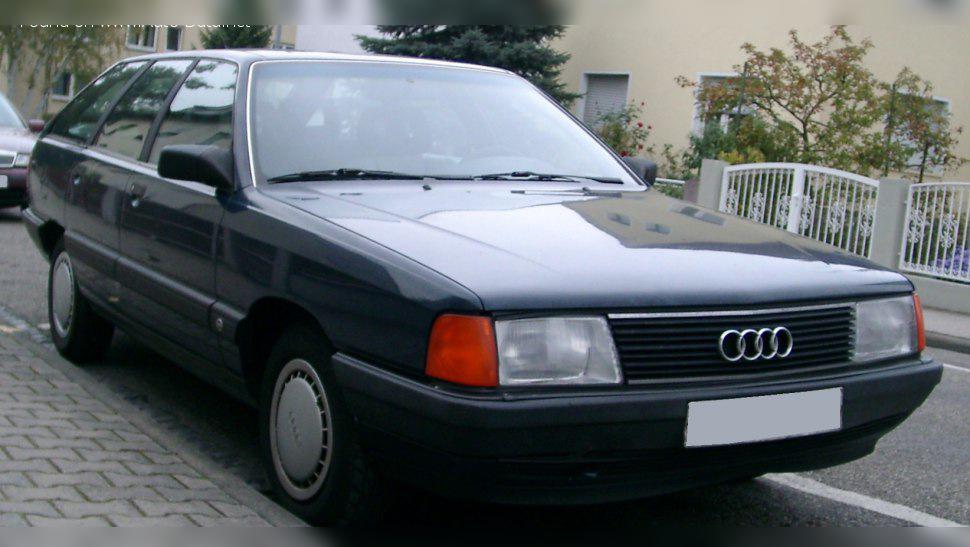
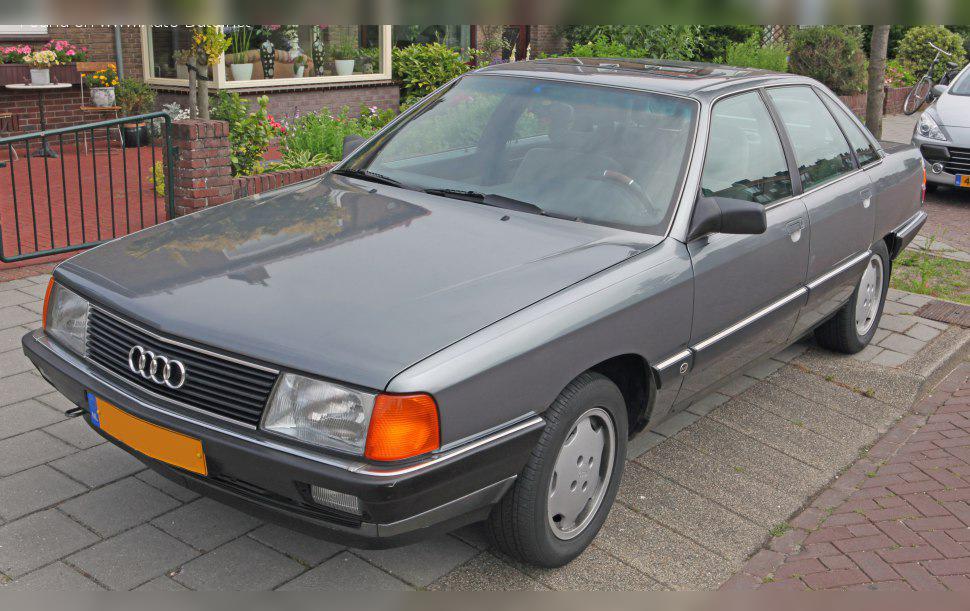
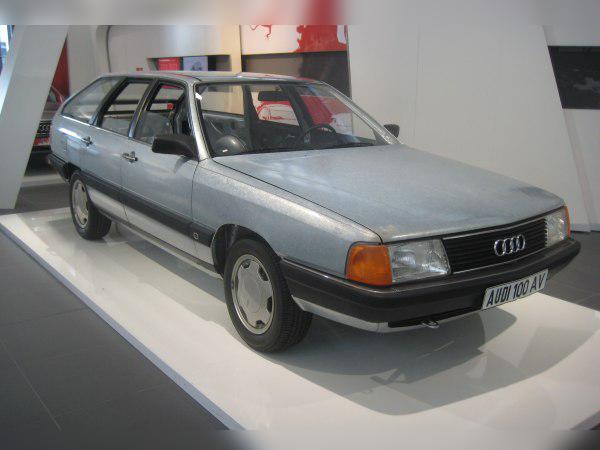
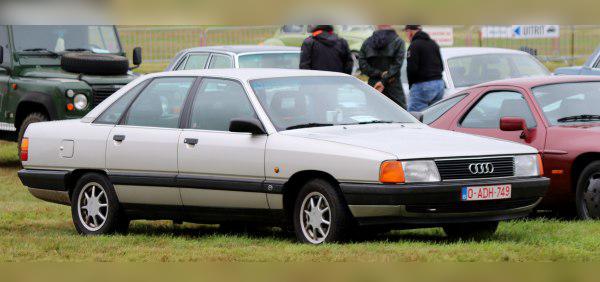
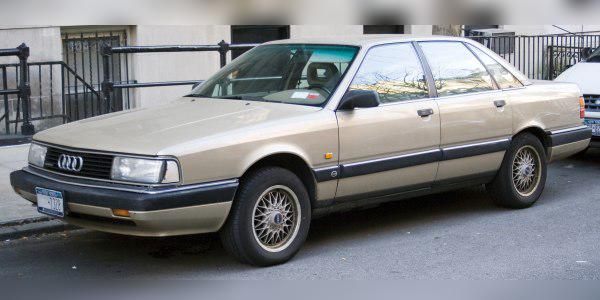
The engine designated MC (in MC1 and MC2 variants) is Audi’s iconic inline five‑cylinder unit from the 1980s. It was primarily installed in the Audi 100 and Audi 200 (C3 generation, known as Typ 44), giving these large cruisers performance that could rival sports cars of that era. This engine is important because it laid the foundations for Audi’s later dominance in the world of turbocharged petrol engines and Quattro drivetrains. Today, an Audi with an MC engine is not a car for everyday grocery runs, but a thoroughbred classic that requires specific knowledge and dedication.
Technical Specifications
| Parameter | Data |
|---|---|
| Displacement | 2226 cc |
| Power | 121 kW (165 HP) at 5500 rpm |
| Torque | 240 Nm at 3000 rpm |
| Engine code | MC (MC1, MC2) |
| Engine type | Inline 5 cylinders (I5), SOHC, 10 valves |
| Injection type | Bosch K-Jetronic / KE-Jetronic (CIS) |
| Intake / Charging | Turbocharger (KKK K26) with intercooler |
Reliability and Maintenance
Timing belt or chain?
This engine uses a timing belt to drive the camshaft and water pump. The system is relatively simple considering it is an SOHC engine (single camshaft, 10 valves). Regularly checking the condition of the belt is crucial to avoid catastrophic damage in case it snaps.
Most common failures
Mechanically, the engine block, crankshaft and pistons are practically indestructible. However, the peripherals are what cause headaches. The most common problems are vacuum leaks. The K-Jetronic injection system is extremely sensitive to so‑called “false air”. Any cracked rubber hose will cause rough running, stalling at idle and loss of power. Another frequent issue is cracking of the exhaust manifold due to large temperature differences, which is a chronic ailment of old Audi turbo five‑cylinders. Problems with the idle stabilization valve (ISV) are also an everyday occurrence.
Major and minor service
According to factory specifications and practice, the major service is done every 90,000 km or a maximum of 5 to 6 years (whichever comes first). Due to the age of these vehicles, many owners shorten this interval to 60,000 km. A minor service is recommended every 10,000 km or once a year.
Oil and oil consumption
The engine takes about 4.5 to 5.0 liters of oil (including the filter). The recommended grade for old turbo engines is usually 10W‑40 (semi‑synthetic), while some owners in colder climates use 5W‑40 synthetic for better turbo cooling. Does it consume oil? Yes. Consumption of 0.5 to 1 liter per 2000–3000 km is considered completely normal for this engine, due to evaporation and tolerances in the turbocharger and piston rings.
Spark plugs
As a classic petrol engine with a sensitive injection system, it requires a strong, quality spark. Replacement of standard copper spark plugs is recommended every 30,000 km. If you use more expensive platinum or iridium plugs (often done due to poor accessibility and better performance under boost), the interval can be extended to 60,000 km.
Specific Parts and Costs
Flywheel and clutch
The good news is that in the C3 (Typ 44) generation the MC engine came from the factory with a massive solid (conventional) flywheel, not a dual‑mass one. This drastically reduces maintenance costs. However, the clutch kit itself (pressure plate, disc, release bearing) for the 165 HP Quattro model has to be of very high quality to withstand the forces involved.
Injection system
This is where we come to the biggest obstacle. The engine uses Bosch K-Jetronic (or its lambda‑controlled variants, KE‑Jetronic). It is a mechanical continuous injection system. There are no conventional electronic injectors that “tick”, but mechanical injectors that constantly spray fuel. They are long‑lasting, but the fuel distributor (metering head) and the warm‑up regulator (WUR) are prone to clogging, rust (from poor fuel) and aging membranes. The cost of overhauling a K‑Jetronic system is very high (depends on the market) and requires finding rare specialists.
Turbocharger
The engine is equipped with a single turbocharger, most commonly the KKK K26 model (water and oil cooled). Its service life is impressive if oil is changed regularly and if the driver follows the “turbo cool‑down” rule after spirited driving (letting the engine idle for a minute or two before switching off). When it wears out, symptoms include blue smoke from the exhaust under load and a whistling noise. Turbo overhauls are now routine and a moderately expensive (depends on the market) job.
DPF, EGR and AdBlue
Since this is a petrol engine designed in the 1980s, it has no DPF filter, no EGR valve and does not use AdBlue. The only emissions component it may have is an early type of catalytic converter (and an oxygen sensor on certain sub‑variants such as the MC2).
Fuel Consumption and Performance
Real‑world fuel consumption
Do not expect fuel efficiency. In heavy city traffic, an Audi 100/200 with the 2.2 Turbo engine consumes between 14 and 16 l/100 km. With an automatic gearbox or a heavy right foot, that figure easily exceeds 18 liters. On the open road and at steady highway speeds, consumption can drop to a reasonable 8.5 to 10 l/100 km.
Is the engine “lazy”?
For its weight (the C3 body weighs around 1300 to 1450 kg depending on Quattro), the car is by no means slow (around 8 seconds to 100 km/h). However, the driving feel is very specific. Due to the so‑called “turbo lag”, the engine feels very lazy below 2500–3000 rpm. After that, boost pressure rises sharply and the car accelerates violently with the distinctive “howl” of five cylinders.
Behavior on the motorway
This is an engine made for the Autobahn. At 130 km/h it cruises smoothly, with a recognizable hum. In fifth gear (manual gearbox) at 130 km/h, the tachometer usually sits at around 3000 to 3200 rpm, keeping the turbo right on the edge where it can respond instantly to throttle input when overtaking.
Additional Options and Modifications
LPG conversion
Short answer: It is absolutely not recommended. Because of the nature of the K‑Jetronic injection system, installing a modern sequential LPG system is extremely complicated and requires modifications (some people install Megasquirt ECU just to convert to EFI and get rid of K‑Jetronic). Installing an older “Venturi” (vacuum) LPG system is a disastrous mistake. It can cause so‑called intake backfires that can literally blow apart the airflow meter and air filter housing, destroying the engine.
Chipping (Stage 1)
Although the engine is old, it does have some electronic engine management (MAC‑11). Safe “chipping” on this model involves replacing the EPROM chip in the ECU and often changing the spring in the wastegate to raise the maximum boost pressure (from about 0.4 bar to 0.8–0.9 bar). This safely increases power to around 190 to 200 HP. The engine can handle this without any issues because it is mechanically over‑engineered, but only if the fuel injection system is 100% healthy, to avoid a lean mixture and melted pistons.
Gearbox and Drivetrain
Types of gearboxes and common failures
The engine was paired with:
- 5‑speed manual gearbox: Extremely robust gearboxes (especially the legendary 016 series in Quattro models). Failures of the gearbox itself are very rare. What usually fails are the clutch cylinders (master and slave) due to age, as well as the shift linkage, which can make the gear lever feel vague.
- 3‑speed automatic gearbox: This gearbox is a true “dinosaur”. It is slow, robs the engine of a huge amount of power and significantly increases fuel consumption. Failures manifest as jerking when shifting from first to second gear, internal clutch slippage and oil leaks. Overhauls are expensive (depends on the market), and parts are very rare.
Clutch replacement costs
Since it has a solid flywheel, the price of the clutch kit itself is not expensive – moderately expensive (depends on the market). The real cost and problem on Quattro models is labor, because removing the gearbox together with the propshaft is a fairly difficult and time‑consuming job.
Gearbox service
For manual gearboxes, it is recommended to replace quality synthetic hypoid oil (usually 75W‑90) every 60,000 to 80,000 km. If you have a Quattro, do not forget the oil in the rear differential. For automatics, servicing (oil and filter) MUST be done every 40,000 to 60,000 km if you want it to survive.
Buying Used and Conclusion
What to check before buying?
Buying an Audi with the 2.2 MC engine today is like looking for a needle in a haystack. When inspecting a car, pay attention to the following:
- Idle (cold and hot): The engine should start instantly and idle smoothly. Any fluctuation in revs points to vacuum leaks or K‑Jetronic issues.
- Exhaust smoke: Blue smoke under acceleration indicates a worn turbo, while black smoke suggests an overly rich mixture due to poorly adjusted injection.
- Overheating: These engines generate an incredible amount of heat in the engine bay. Check whether the radiator fans switch on and be sure to inspect the condition of the coolant hoses, as they are likely brittle and over 30 years old.
- LPG history: If the car has LPG installed, especially an old‑type system, be prepared for the fact that it probably does not run well on petrol because the fuel distributor has “seized up”.
Conclusion: Who is this engine for?
The Audi 2.2 Turbo MC is definitely not for the average driver looking for a cheap daily commuter. This is an engine for enthusiasts, classic‑car lovers and fans of rally history. Maintaining it requires patience, importing specific parts and knowing old‑school mechanics. However, when the car is mechanically sorted, driving this five‑cylinder turbo beast delivers a “raw” kind of pleasure that simply cannot be found in modern plastic cars.