Audi 2.3 NF (136 HP): Experiences, problems, fuel consumption and used-car buying tips
- Legendary sound and block durability: The inline five-cylinder delivers one of the most beautiful sounds in the car industry, and the engine block itself is virtually indestructible.
- K-Jetronic (KE III Jetronic) is the biggest downside: The mechanical fuel injection causes the most headaches, as very few mechanics today know how to repair and adjust it properly.
- Fuel consumption is high: Expect double-digit figures in the city, without exception.
- Not suitable for LPG: Installing LPG on this injection system does more harm than good due to intake backfires.
- Mechanical maintenance is not expensive: No dual-mass flywheel, no turbocharger, no DPF – classic, robust old-school engineering.
- Who it’s for: True enthusiasts of youngtimers and classics (Audi 100/200 C3 “Cigar”), not for everyday city abuse.
Contents
- Introduction: The five-cylinder legend
- Technical specifications
- Reliability and maintenance
- Specific parts and injection system
- Fuel consumption and performance
- Additional options: LPG and remapping
- Gearbox and drivetrain
- Buying used and conclusion
Introduction: The five-cylinder legend
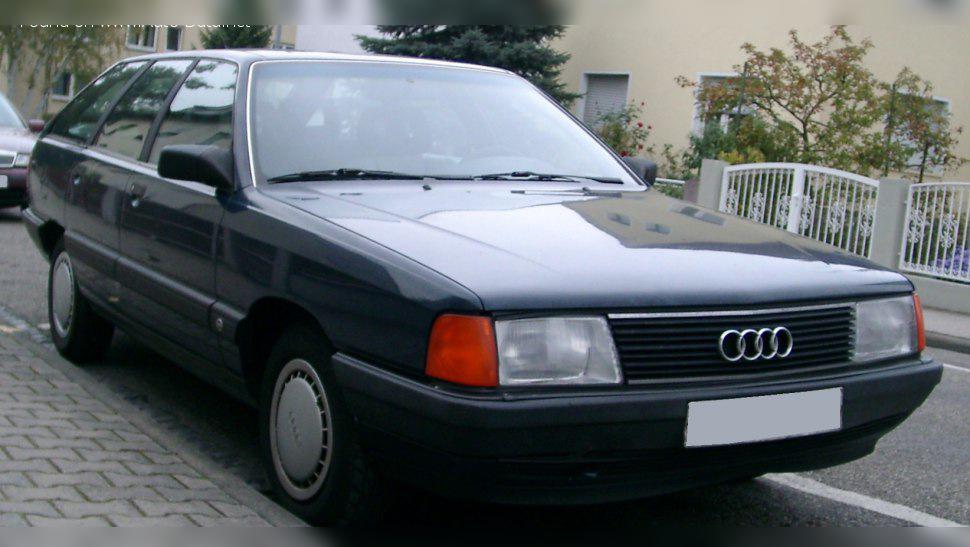
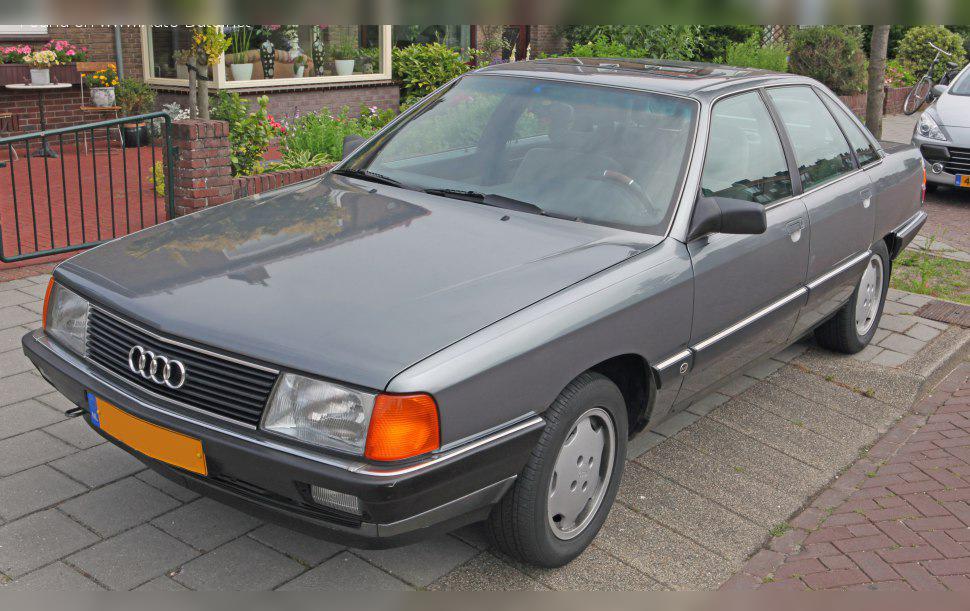
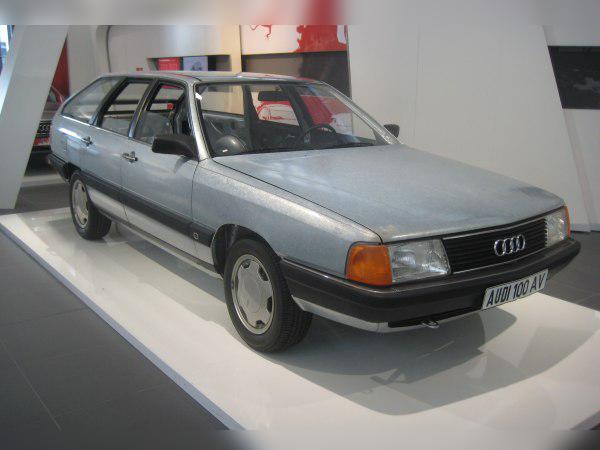
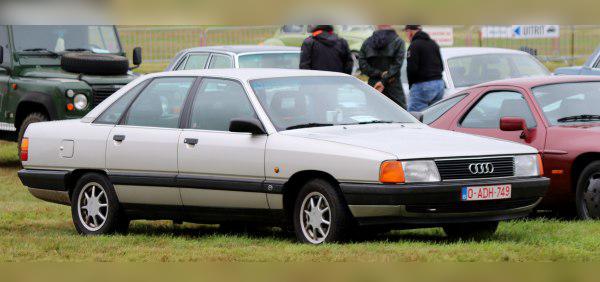
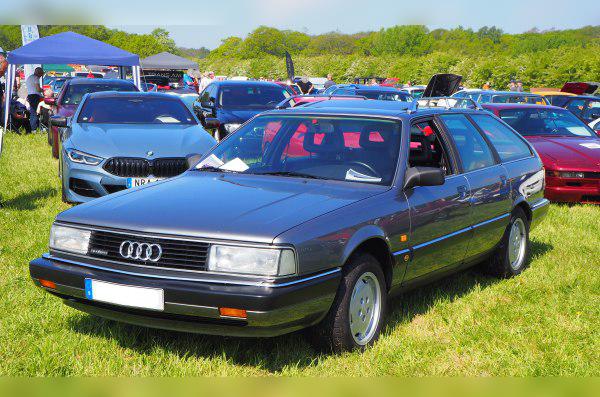
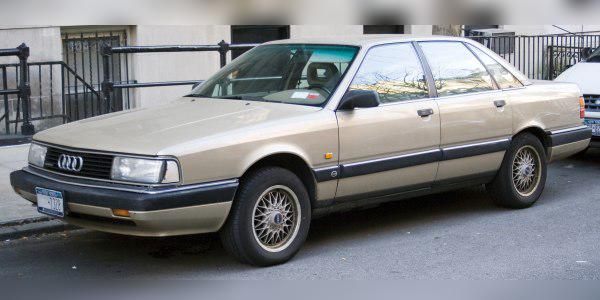
When talking about Audi’s history, the engine with the code NF represents one of its most important chapters. It is a naturally aspirated, inline five-cylinder petrol engine with a displacement of 2.3 litres, installed in the late eighties and early nineties, primarily in the Audi 100 and 200 models (C3 generation, the famous “Cigar”). This powerplant made Audi famous thanks to its incredibly smooth operation and distinctive “guttural” sound reminiscent of Group B rally cars. However, today, decades after production ended, buying a car with this engine requires specific knowledge and a hefty dose of enthusiasm.
Technical specifications
| Parameter | Data |
|---|---|
| Engine displacement | 2393 cc |
| Engine power | 100 kW (136 HP) |
| Torque | 230 Nm |
| Engine code | NF |
| Injection type | Bosch KE III Jetronic (Mechanical injection) |
| Aspiration | Naturally aspirated |
| Fuel type | Petrol |
Reliability and maintenance
Timing belt or chain?
This engine uses a timing belt to drive the camshaft. The system is quite simple and easy to work on. Since there are no variable valve timing systems or complicated tensioners, replacement is not a problem for an average mechanic.
Most common failures
The engine block itself, crankshaft and pistons are practically indestructible and often cover more than 500,000 km without being opened. However, it’s the peripherals that tend to fail. The most common problems include oil leaks from the crankshaft and camshaft seals, deterioration of rubber vacuum hoses due to age (causing rough idle), failures of the idle control valve (ISV) and issues with the distributor. Cracked intake hoses are also a classic weak point, leading to “false air” and engine stalling.
Service intervals and oil
The major service on this engine, according to factory specs and common practice, is done every 60,000 to 80,000 km or every 5 years (whichever comes first). The system takes about 4.5 to 5 litres of engine oil. Considering its eighties design, it is recommended to use semi-synthetic oil of 10W-40 viscosity, or even 15W-40 in warmer climates.
Oil consumption and spark plugs
Does it consume oil? Yes, and that is completely normal for old Audi five-cylinders. Consumption of 0.5 to 1 litre per 10,000 km is acceptable. If the engine consumes significantly more, the problem is usually not the piston rings (which are extremely strong), but the valve stem seals that have hardened over time, allowing oil to leak into the combustion chamber. As for spark plugs, it is recommended to replace them every 30,000 to 40,000 km, with a mandatory check of the ignition leads and distributor cap.
Specific parts and injection system
Forget about DPF, AdBlue and expensive flywheels
The advantage of old engines is their mechanical simplicity. This Audi does not have a dual-mass flywheel (it uses a classic solid flywheel), has no turbocharger, and no modern emissions equipment such as a DPF filter or AdBlue system. Some models (with the CAT designation) have early versions of catalytic converters, which are easy to replace or remove today, although you should pay attention to local vehicle inspection laws. There is no EGR valve in the modern sense, so there are no issues with it clogging up with soot.
The nightmare called KE III Jetronic
This brings us to the NF engine’s biggest weakness. The injection system is Bosch KE III Jetronic. It is a continuous mechanical injection system with electronic control. Its central component is the so-called “K-head” (fuel distributor). Over time, the membranes inside the K-head deteriorate, and the injectors (which are mechanical and open at a set pressure) start to “dribble” instead of atomising the fuel. Symptoms include: hard starting (especially when the engine is warm), black smoke from the exhaust, loss of power and huge fuel consumption. Repair is problematic because spare parts are unavailable, and the mechanics who know how to adjust this system properly have long since retired. Rebuilding the K-head is extremely expensive (depending on the market, often from 300 to over 600 euros, if you can even find a specialist).
Fuel consumption and performance
Fuel consumption: Get your wallet ready
This is a heavy saloon with an old-generation engine. Real-world consumption in city driving rarely drops below 12 to 14 l/100 km. If the injection is out of tune, that figure easily climbs to 18 litres. On the open road things are better, where it can use around 8 to 9 l/100 km.
Driving dynamics and motorway behaviour
Is the engine sluggish? With 136 HP and 230 Nm of torque in the body of an Audi 100 (weighing over 1.3 tonnes, and even more in Quattro versions), this car is not made for traffic-light drag races. Acceleration is linear, without the sudden surge you get from turbo engines. However, where it truly shines is the motorway. Thanks to the excellent aerodynamics of the C3 body and long gearing, at 130 km/h in fifth gear the engine cruises at a very relaxed around 3,200 to 3,500 rpm (depending on the gearbox). The cabin is extremely quiet, and the engine is barely working.
Additional options: LPG and remapping
LPG installation: Strictly no!
This is crucial information: avoid installing LPG on this engine at all costs. The KE-Jetronic system uses a large air-flow “flap” (airflow meter). Standard venturi-type LPG systems cause so-called backfires in the intake manifold. A single strong backfire can permanently bend the flap or damage the K-head itself, after which the engine will never run properly on petrol again. Expensive sequential LPG systems cannot be installed on mechanical injection. It is possible to find specialised systems (so-called “Blos” mixers), but today that’s a difficult and financially pointless exotic solution.
Remapping (Stage 1)
Can this engine be remapped? No. It is a naturally aspirated engine with mechanical injection, where the ECU controls only a very small part of the operation (mainly mixture based on the lambda sensor). There is no turbo whose boost you can increase. Any attempt at software tuning (Stage 1) on this engine is a complete waste of money. Modifications on this block are done exclusively mechanically (sharper camshafts, conversion to modern EFI electronic injection), which is very expensive.
Gearbox and drivetrain
Manual and automatic gearboxes
The most common is the five-speed manual gearbox, which is virtually indestructible. There are also versions with 3- and 4-speed automatic transmissions. Automatics from this era are very slow, with sluggish response, significantly increase fuel consumption and sap power from the engine.
Failures and clutch prices
On manual gearboxes, after 30–40 years of use, the synchros can fail (especially for second and third gear), so the gearbox “grinds” when engaging gears. The clutch is standard and does not use a dual-mass flywheel. The price of a clutch kit (pressure plate, disc, release bearing) is not high and is usually very affordable (depending on the market, generally in the 100–150 euro range for quality brands such as Sachs).
On automatic transmissions, the biggest problem is neglect. The most common failures are slipping clutch packs and faults in the valve body due to old oil. Oil and filter changes in the automatic transmission must be done every 40,000 to 60,000 km. For the manual gearbox, it is advisable to change the oil every 80,000 km purely as a preventive measure.
Buying used and conclusion
What to check on the spot?
- Cold start: The car must be completely cold when you come to see it. If it cranks for a long time, stalls at idle while cold or idles roughly, the problem is in the K-head or the ISV idle valve. The repair is very expensive.
- Test on a warm engine: When the car warms up (to 90°C), switch it off and try to start it again after 15 minutes. If it doesn’t start immediately, the fuel pressure accumulator or the pump’s non-return valve has failed.
- Exhaust smoke: Blue smoke on first start in the morning or after idling (when you blip the throttle) indicates worn valve stem seals.
- Hydraulic lifter noise: Metallic ticking (clicking) from the top of the engine indicates that the hydraulic valve lifters have weakened due to poor or old oil. They are not very expensive to replace, but the camshaft has to come off.
Final conclusion
An Audi with the 2.3 NF engine is not a car for someone looking for cheap everyday transport. The injection system requires fanatical maintenance and a top-notch specialist who is almost impossible to find today. However, if you are looking for a weekend car, enjoy working on mechanics yourself (or have a deeper pocket for a conversion to modern EFI electronic injection), and want to experience one of the most beautiful engine sounds and superb cruising comfort – this “five-pot” will not disappoint you. Its beauty lies in old-school mechanics, not in mere on-paper performance figures.