Engine 1.6 YP (85 HP): Experiences, problems, fuel consumption and buying used
- Exceptional longevity: The engine belongs to the old-school mechanical era and can cover huge mileages with minimal maintenance.
- Cheap maintenance: It has no expensive modern components such as a dual-mass flywheel, turbocharger, DPF or complex injectors.
- Excellent for LPG: It tolerates simple, cheap venturi LPG systems without any issues.
- Weak point – Carburetor: Carburetor adjustment and vacuum leaks are the most common causes of rough running.
- Oil consumption: On older units, hardened valve stem seals cause blue smoke at startup and increased oil consumption.
- Noisy on the highway: Short gearbox ratios make it loud and thirsty at speeds over 100 km/h.
Contents
- Introduction and engine origins
- Technical specifications
- Reliability and maintenance
- Specific parts and costs
- Fuel consumption and performance
- Additional options and modifications
- Gearbox and drivetrain
- Buying used and conclusion
Introduction and engine origins
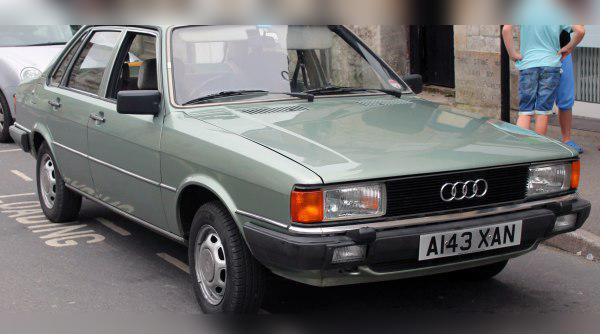
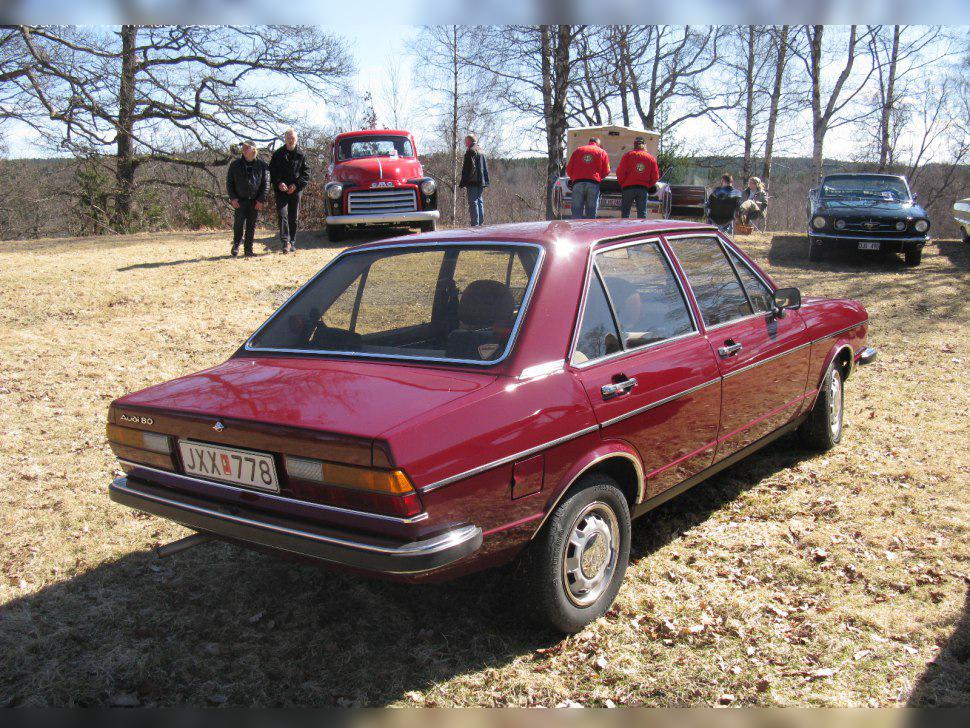
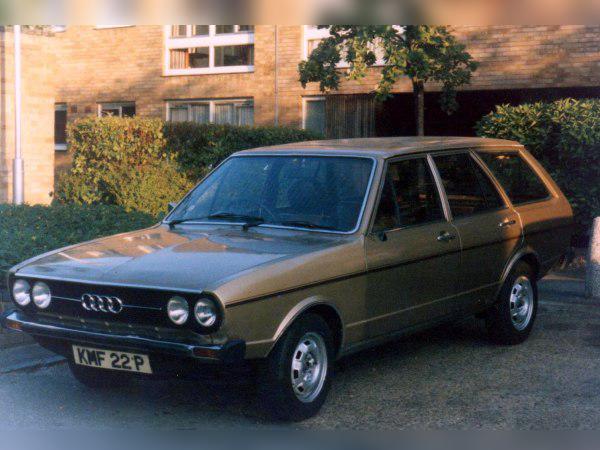
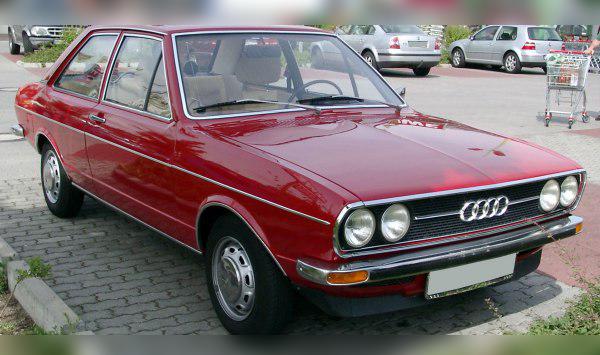
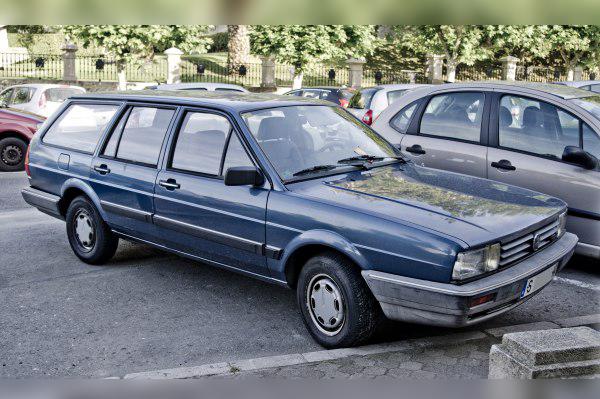
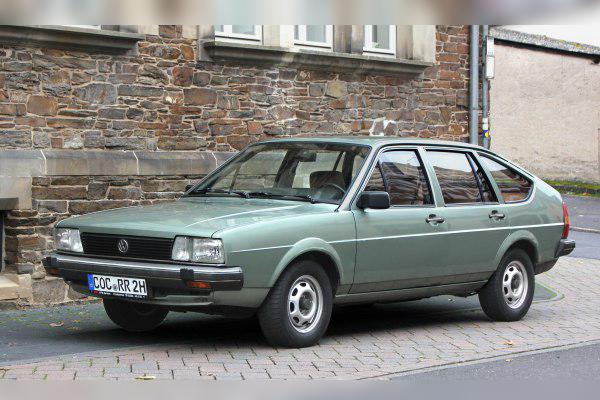
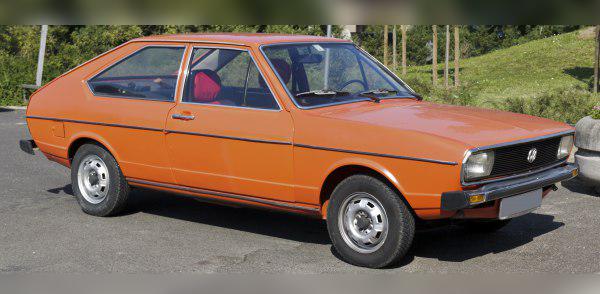
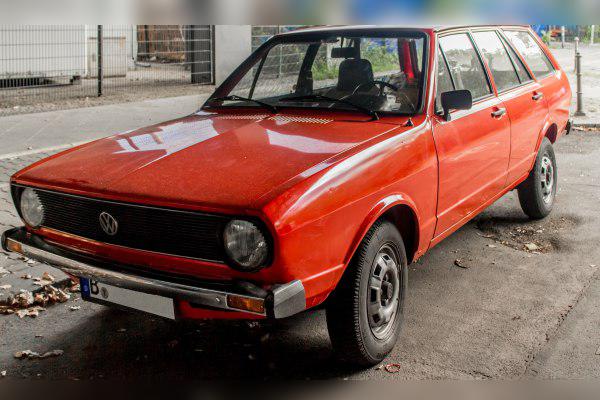
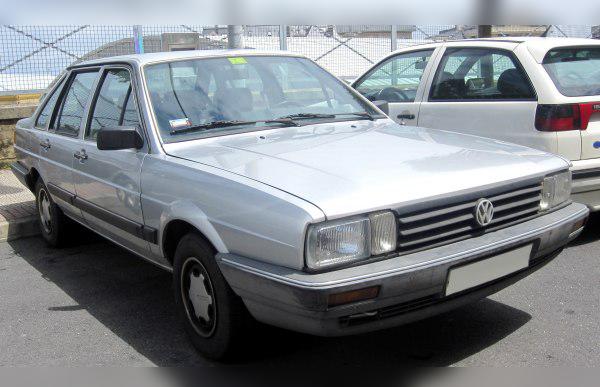
When talking about engines that motorized Europe in the late seventies and throughout the eighties, the 1.6-liter YP engine from the Volkswagen/Audi group holds a special place. It belongs to the legendary EA827 engine family, which served as the foundation for almost all VW and Audi powerplants for decades to come. It was installed in icons such as the Audi 80 (B1 and B2) and Volkswagen Passat (B1 and B2), as well as the Santana. This engine brings pure, robust mechanics from a time when engineers, not emission regulations, dictated how a car should be built. Understanding this engine requires going back to basics – no diagnostics, no sensors, just mechanics, fuel and spark.
Technical specifications
| Specification | Data |
|---|---|
| Engine displacement | 1588 cc |
| Power | 63 kW (85 HP) |
| Torque | 127 Nm |
| Engine code | YP |
| Fuel system | Carburetor (Pierburg / Solex) |
| Induction type | Naturally aspirated |
| Fuel type | Petrol |
Reliability and maintenance
This engine is synonymous with bulletproof reliability, but given that all examples are now more than 30–40 years old, maintenance comes down to fighting the ravages of time and material fatigue.
Timing belt and major service
The YP engine uses a timing belt to drive the camshaft. The system is extremely simple. Following old-school practice, the major service is done at around 60,000 to 80,000 km or every 5 to 6 years, whichever comes first. Parts for the major service are very cheap (depending on the market) and any semi-skilled mechanic can do the job with basic tools.
Minor service and oil consumption
The oil sump capacity is around 3.5 to 4.0 liters of oil. Due to older tolerances and design, a thicker oil is recommended, most commonly 10W-40 or 15W-40 grades (semi-synthetic or mineral). As for oil consumption, these engines in perfect condition use very little, but today the reality is different. Hardened valve stem seals are common, causing the engine to draw oil and emit blue smoke at the first cold start in the morning or after idling for a longer period. Consumption of 0.5 to 1 liter per 1000 km on engines this old is considered a sign that it is time for a refresh (new piston rings and cylinder head overhaul), although the engine can be driven like this for years. An oil change interval of a maximum of 10,000 km is recommended.
Spark plugs and ignition system
Since this is an old-generation petrol engine, it is recommended to replace the spark plugs every 20,000 to 30,000 kilometers. In addition to the plugs, great attention should be paid to the distributor. The distributor cap, rotor arm and contact points (or the electronic ignition module on later versions) are wear items and the most common cause of jerking while driving or difficult starting in damp weather.
Specific parts and costs
Clutch and flywheel
Good news for your wallet: this engine does not have a dual-mass flywheel. It uses a simple, solid flywheel, and the clutch kit (pressure plate, disc, release bearing) is affordable, i.e. not expensive (depending on the market).
Fuel system and emissions
The YP engine does not have modern high-pressure injectors, but relies on a carburetor (most often Pierburg). The carburetor is also the biggest weak point of this engine today. Due to age, diaphragms crack, passages clog up with dirt from the fuel tank, and the rubber flange under the carburetor often splits, causing the engine to draw unmetered air. Symptoms include stalling at idle, excessively high idle speed or hesitation when pressing the accelerator. Finding a mechanic today who can properly tune a carburetor is like winning the lottery.
Forget about the expensive failures of the modern era: this engine has no turbocharger, no DPF filter, no EGR valve and no AdBlue system. Its exhaust emissions are regulated solely by adjusting the fuel–air mixture, which makes maintenance extremely cheap compared to modern vehicles.
Fuel consumption and performance
Driving dynamics and fuel consumption
Although 85 HP (63 kW) and 127 Nm do not sound impressive on paper, you have to keep in mind that the bodies it was installed in (such as the Audi 80 B1/B2 or Passat B1/B2) were very light, often under one ton. Because of this, this engine is by no means sluggish in everyday city and country-road driving. Throttle response is very direct, thanks to the carburetor.
Real-world fuel consumption in city driving, if the carburetor is perfectly tuned, is around 9 to 11 l/100 km. If the system is not properly adjusted, consumption can easily jump to over 13 liters.
Highway driving
This is where the engine shows its age. Due to the poorer aerodynamics of old cars and gearboxes with short ratios, cruising at 130 km/h means high engine revs (usually between 3500 and 4000 rpm, depending on whether the car has a 4- or 5-speed gearbox). At these revs, cabin noise is quite pronounced and fuel consumption increases noticeably. This engine behaves much more pleasantly and economically at country-road speeds (80–100 km/h).
Additional options and modifications
LPG conversion
This is probably the ideal engine for an LPG conversion. Since it has no complex electronics or direct injection, the simplest and cheapest venturi system (on the intake manifold) is installed. The engine tolerates LPG extremely well, performance loss is minimal, and running costs become very low. Due to the high price of petrol and higher consumption, most of these engines have already been running on LPG for decades.
Chipping (Stage 1)
In short: this engine cannot be “chipped”. There is no engine ECU into which new fuel maps could be loaded. Engine operation is controlled purely mechanically (throttle cable and carburetor) and via vacuum. Any power increase would require old-school mechanical modifications: fitting twin Weber carburetors, a hotter camshaft and porting the intake and exhaust ports, which is not cost-effective for everyday use.
Gearbox and drivetrain
Manual gearboxes
The YP engine was factory paired with manual gearboxes with 4 or 5 speeds. Five-speed gearboxes (often marked as “4+E”, where E stands for economy) are far more desirable because they reduce revs and noise on open roads. The most common failures of manual gearboxes are mechanical in nature: worn bushes on the gear linkage (which leads to a “floppy” gear lever and difficulty engaging first or reverse) and worn second-gear synchros due to aggressive shifting. It is recommended to change the gearbox oil every 60,000 to 80,000 km, although in practice almost no one does this.
Automatic gearboxes
Some versions (especially the Audi 80 and higher-trim Passats) came paired with a classic hydraulic 3-speed automatic gearbox. These gearboxes are virtually indestructible as long as they have oil, but they make the car extremely slow and drastically increase fuel consumption in city driving. The most common problem is harsh shifting due to worn-out oil or oil leaks at the seals. The oil and filter in the automatic gearbox must be changed strictly every 40,000 to 60,000 km.
Buying used and conclusion
Today, buying a car with the 1.6 YP engine is not about finding basic transportation from point A to point B, but most often about looking for a youngtimer or classic car. Before buying, check the following on the mechanical side:
- Cold start: Ask the seller not to start the car before you arrive. When starting, pay attention to the exhaust – a cloud of blue smoke indicates worn valve stem seals or piston rings.
- Idle quality: The engine should idle smoothly. Fluctuating revs almost always point to carburetor issues or a cracked rubber flange underneath it (unmetered air).
- Cooling system condition: Check the coolant reservoir. Due to the age of the head gasket, it is possible for oil and coolant to mix (appearance of “mayonnaise” on the oil filler cap).
Who is it for? This engine is intended for enthusiasts who like to wrench on their own cars or for people who appreciate absolute simplicity without electronics. It offers a nostalgic driving experience, extremely cheap repairs (depending on the market), but requires patience with old components such as the carburetor. If you find a healthy example, with minimal investment you get mechanicals that will likely outlive you.