Lada 21127 Engine (1.6 16V, 106 hp) – Experiences, problems, fuel consumption and used-car buying tips
- Old-school system: Petrol engine without turbo, without dual-mass flywheel and without complex eco-systems. Maintenance is very affordable.
- Watch the timing belt: Until 2018, a snapped belt would cause serious engine damage (bent valves). Newer models have modified pistons.
- Excellent for LPG: Classic MPI injection makes it a perfect candidate for cheap LPG installation.
- Lively, but noisy: With 106 hp in light Lada bodies it goes very well, but on the highway the gearbox ruins the impression due to short gear ratios and noise.
- Electronics gremlins: Ignition coils, sensors and a dirty throttle body are the most common, but cheap, reasons for the "Check Engine" light.
Contents
- Introduction: A Russian workhorse modernized for the 21st century
- Technical specifications
- Reliability and maintenance
- Specific parts (costs)
- Fuel consumption and performance
- Additional options and modifications
- Gearbox: Manual vs automatic
- Buying used and conclusion
Introduction: A Russian workhorse modernized for the 21st century
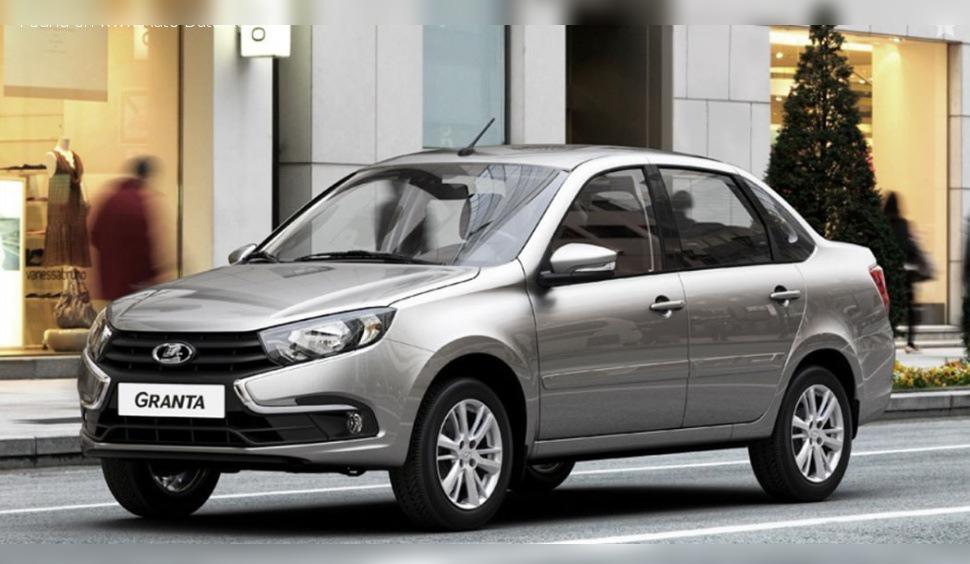
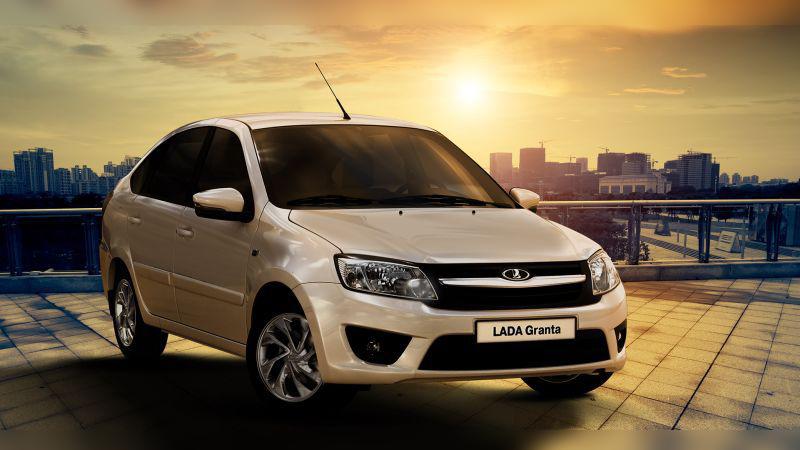
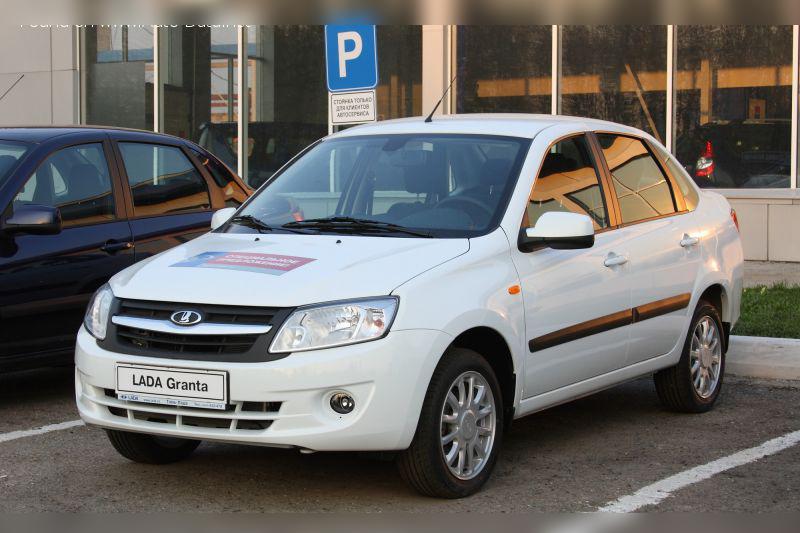
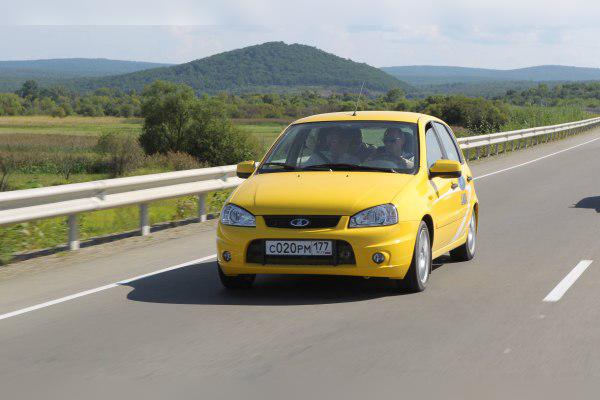
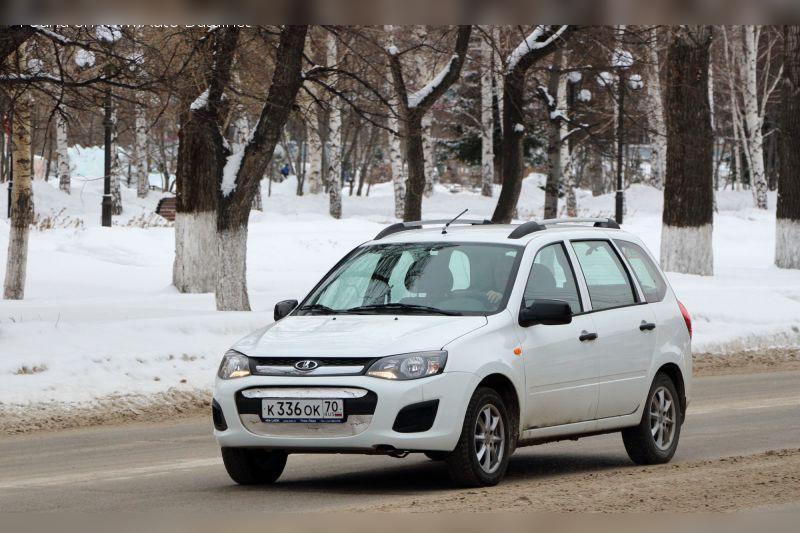
The engine designated as 21127 is AvtoVAZ’s attempt to adapt its proven 1.6 16V unit to more modern standards. It was widely installed in Lada Granta and Lada Kalina models (Hatchback, Combi, Cross, Liftback and Sedan versions). The main novelty compared to its older predecessor (code 21126) is the introduction of an intake manifold with variable geometry. This allowed the engine to "breathe" better at lower revs, solving the lack of torque when setting off, and power increased from 98 to 106 hp. For a driver looking for cheap mobility without complex technology under the hood, this is one of the most interesting engines on the Eastern European car market.
Technical specifications
| Specification | Data |
|---|---|
| Displacement | 1596 cc |
| Power | 78 kW (106 hp) at 5800 rpm |
| Torque | 148 Nm at 4200 rpm |
| Engine code | VAZ 21127 |
| Injection type | MPI (Multi-Point Injection) – indirect injection |
| Induction | Naturally aspirated |
Reliability and maintenance
Does this engine have a timing belt or a chain?
This engine uses a timing belt to drive the camshafts. It is very important to note one crucial change: until mid-2018 (before the Granta facelift), these engines were so-called "interference" engines. This means that if the timing belt snaps, the pistons hit the valves and cause massive damage (bent valves, damaged cylinder head). From mid-2018 onwards, the factory started installing modified pistons with recesses, so a snapped belt no longer leads to catastrophic engine failure. When buying older models, the condition of the timing system is an absolute priority.
What are the most common failures on this engine?
The mechanical side is robust, but the peripherals and electronics are prone to small, annoying issues. The most common failures are ignition coils (each spark plug has its own). Symptoms are jerking while driving and the engine running on three cylinders. The next problem is the throttle body, which gets dirty from oil vapours, causing fluctuating idle speed and stalling when you press the clutch. Also, the thermostat often sticks in the open position, so the engine struggles to reach its operating temperature of around 90 °C, which directly increases fuel consumption. The water pump is a critical point – it often starts leaking or its bearing seizes, which leads to the timing belt slipping off or snapping.
At what mileage should the major service be done?
Although factory recommendations sometimes go up to 90,000 km, experienced mechanics advise doing the major service (replacement of timing belt, tensioner, idler pulleys and water pump) strictly at 60,000 km. The reason lies in the varying quality of water pumps and tensioners on the spare parts market. It is better to shorten the interval than to risk serious engine damage (especially on pre-2018 models).
How many litres of oil does this engine take and which grade is recommended?
The engine takes about 3.2 to 3.5 litres of oil (depending on the filter and oil pan). The factory recommends synthetic oil of grade 5W-40 or 5W-30, depending on climate conditions. Because it has hydraulic valve lifters, avoid semi-synthetic oil (10W-40), as the lifters can be heard in winter (characteristic ticking) until the oil warms up.
Does it consume oil between services?
Yes, this engine is known for tolerating slight oil consumption from the factory. Consumption of around 0.2 to 0.3 litres per 1,000 km is considered normal, especially if driven at higher revs. If consumption exceeds 0.5 l/1000 km, this is already a sign of worn valve stem seals or piston rings. It is recommended to check the oil level every few thousand kilometres.
At what mileage should the spark plugs be replaced?
As a classic petrol engine, the VAZ 21127 requires regular spark plug replacement in order to protect the coils. The recommended replacement interval is 30,000 km. Extending this interval increases resistance at the electrode and directly leads to overheating and failure of the coils, which is an unnecessary expense.
Specific parts (costs)
Does the engine have a dual-mass flywheel?
No. This engine uses a classic solid flywheel. This means there are no expensive failures typical of modern diesels and more powerful petrol engines. Clutch kit replacement is simple and not expensive (depends on the market).
What kind of injection system does it have and are the injectors problematic?
The injection system is electronic MPI (Multi-Point Injection) – fuel is injected into the intake manifold, in front of the valves. This system is extremely reliable and resistant to poorer fuel quality. Petrol injectors rarely fail; they can eventually get dirty due to driving on reserve, but they are easily and cheaply cleaned in an ultrasonic bath.
Turbocharger, DPF, EGR and AdBlue
Absolutely none of the above is present on this engine. The 21127 is a naturally aspirated petrol engine (no turbocharger). It has no DPF filter because it is a petrol, no troublesome EGR valve, and AdBlue fluid is used exclusively on diesel engines, so with this unit you are spared all the expensive ecological "joys" of the modern car industry.
Fuel consumption and performance
What is the real fuel consumption in city driving?
With the air conditioning on and in heavy traffic, real city consumption is between 8.5 and 10 l/100 km. On open roads (non-motorway) it can drop to about 5.5 to 6.0 l/100 km. If the car is paired with the old Jatco automatic gearbox, city consumption rises to over 10.5 litres.
Is this engine “lazy” for the weight of the body?
Not at all. The Lada Granta and Kalina are very light cars (often under 1,100 kg empty). Power of 78 kW (106 hp) and torque of 148 Nm make this car quite lively. Thanks to the intake manifold with variable geometry, the engine pulls decently from as low as 2,000 rpm, so in city driving you don’t have to constantly rev it high.
What is it like on the motorway and at what revs does it cruise at 130 km/h?
This is its weaker point. Due to the relatively short gear ratios in the five-speed gearbox, at 130 km/h in fifth gear the engine runs at about 3,500 to 3,700 rpm. At those revs it becomes quite noisy in the cabin, and fuel consumption jumps to around 7.5 to 8 l/100 km. It is not unpleasant for shorter trips, but hours of cruising at high speeds can tire the driver due to poorer sound insulation.
Additional options and modifications
Is it suitable for LPG installation?
Yes, it is extremely suitable. Since it has MPI injection, installing a sequential LPG system is simple, not expensive (depends on the market) and pays off quickly. The engine handles LPG very well. The only thing to pay attention to is regular spark plug replacement, as the gas mixture is more sensitive to a weak spark. The valves tolerate the higher combustion temperatures of LPG well.
How far can it be safely “chipped” (Stage 1)?
Given that this is a naturally aspirated engine, classic "chiptuning" to gain horsepower is pointless. The gain is barely 5 to 8 hp. However, remapping is often done for two reasons: first, to disable the second lambda sensor signal if the catalytic converter is removed; and second, to change the map of the electronic throttle pedal ("e-gas"), because this engine has about a one-second delay from the factory when you press the accelerator. With chiptuning the car becomes more responsive to the pedal, even though it is not realistically faster.
Gearbox: Manual vs automatic
Manual gearbox (VAZ 2181)
The five-speed manual gearbox uses a cable-operated gear selection system. Its biggest drawback is the whining and howling of the input shaft bearings, a sound that goes back to old Ladas. It is not very precise. The second-gear synchronizer often fails – the symptom is grinding when shifting quickly from first to second. It is recommended to change the oil in the manual gearbox at 60,000 km to extend the life of the bearings.
Automatic gearboxes (AMT robot and Jatco)
This engine was paired with two types of automatics. The first is the AMT (robotized manual). It is very rough, jerks when changing gears, and its clutch kit wears out much faster than on the manual (often needs replacement as early as 50–60 thousand km). The second type is the classic Jatco 4-speed automatic with a torque converter. The Jatco is old, slows the car down and increases fuel consumption, but it is mechanically almost indestructible if you change the ATF oil every 60,000 km.
Buying used and conclusion
What exactly should be checked before buying?
- Listen to the engine when cold: Any knocking from the top of the engine indicates faulty hydraulic lifters or infrequent/poor-quality oil changes.
- Idle fluctuation: Start the car, leave it idling and turn on the air conditioning and lights. If the revs drop drastically or the car stalls, the throttle body and idle control are ready for cleaning/replacement.
- Check the expansion tank (coolant reservoir): If you see traces of oil in the coolant or the engine smokes excessively white/blue from the exhaust, walk away from the purchase.
- Test the gearbox: If you are buying a manual, accelerate hard in first gear and shift into second. If it grinds, the synchronizer is dead.
Who is this engine intended for?
A Lada with the 21127 engine (1.6 16V, 106 hp) is a vehicle built for pure pragmatism. It is not for those who seek silence on the motorway or a premium driving feel. However, it is an absolute champion in value-for-money for drivers who need a simple car, resistant to bad roads and cheap to maintain. With regular major services (so the belt doesn’t snap on older model years) and possible LPG installation, you will get a reliable and economical everyday machine.