Engine 1.6 VTi 5FW EP6 (120 HP): Experiences, problems, fuel consumption and used-car buying tips
Key points in short (TL;DR)
- A result of the cooperation between PSA Group and BMW (part of the so‑called “Prince” engine family), it offers good refinement but requires meticulous maintenance.
- The engine has a timing chain drive that is prone to stretching; timing replacement is the most common major intervention.
- It is known for increased oil consumption due to hardening of valve stem seals and piston ring issues.
- There are no expensive parts such as a turbocharger, dual‑mass flywheel, DPF or direct injection, which makes maintenance more predictable.
- Due to a lack of torque at low revs, in heavier bodies (such as MPVs and estates) it can feel “sluggish”.
- It is very well suited for installation of an LPG system thanks to its multipoint injection.
Contents
- Introduction: About the engine and its applications
- Technical specifications
- Reliability and maintenance
- Specific components (costs)
- Fuel consumption and performance
- Additional options and modifications
- Gearbox: Manual and automatic
- Buying used and conclusion
Introduction: About the engine and its applications
The engine with the code 5FW (EP6) and designation 1.6 VTi is a naturally aspirated petrol engine developed in cooperation between the French PSA Group (Peugeot/Citroën) and German BMW. Its goal was to replace the older TU5 engines, offering better efficiency and compliance with stricter emission standards thanks to the VVT (Variable Valve Timing) system and BMW‑derived Valvetronic technology.
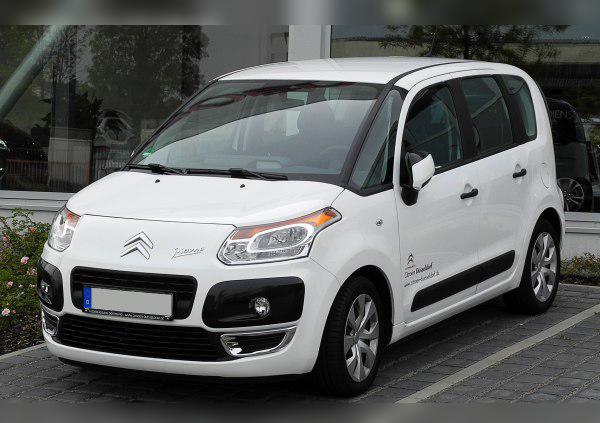
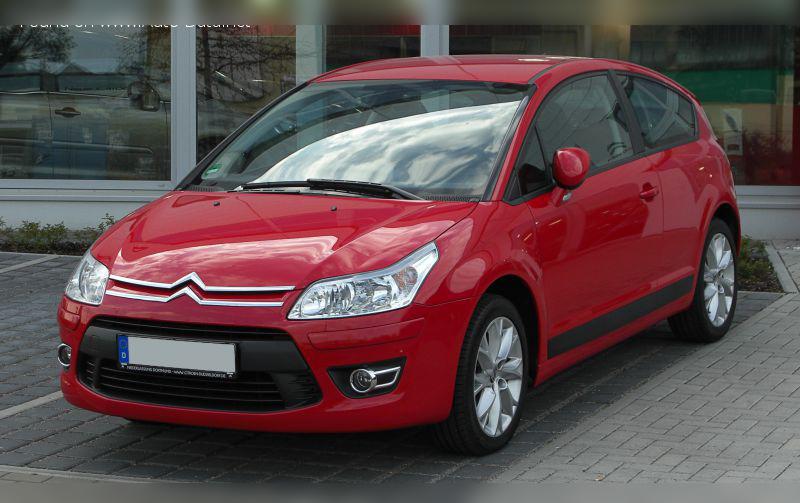
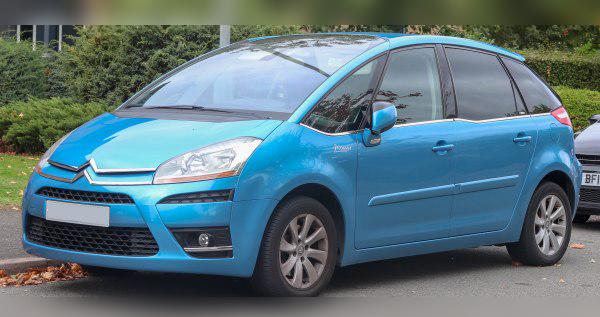
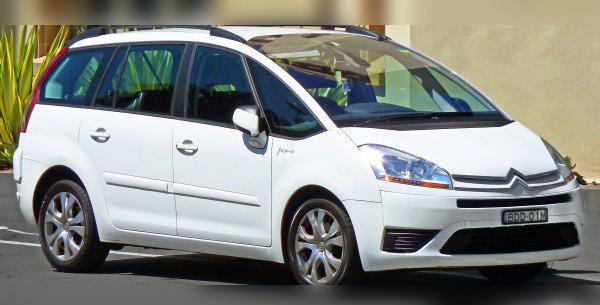
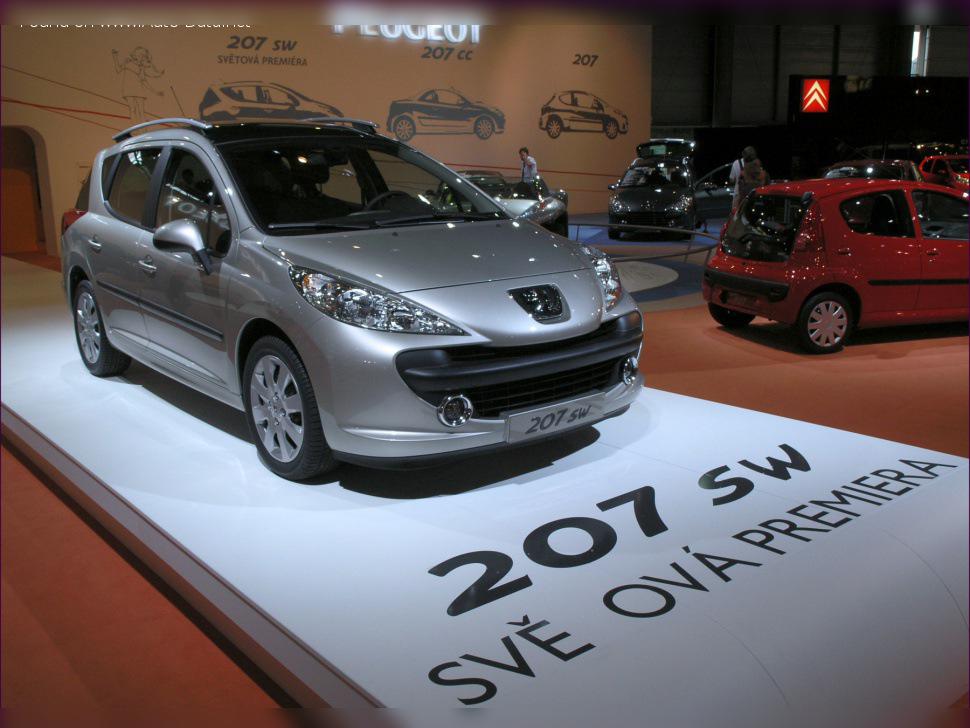
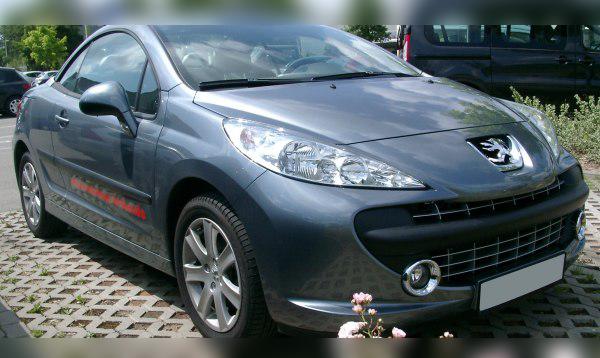
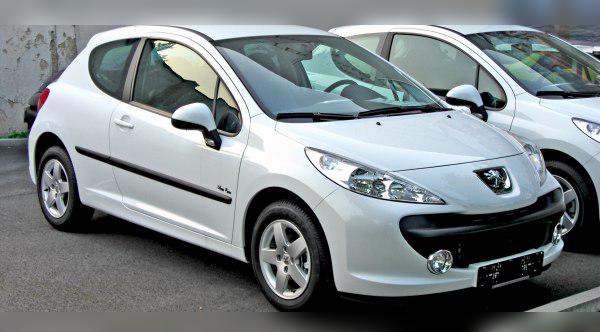
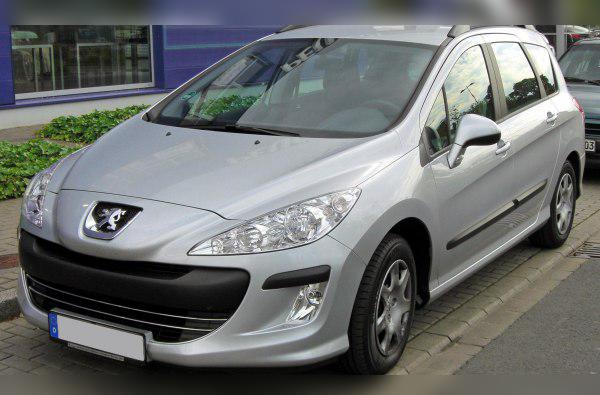
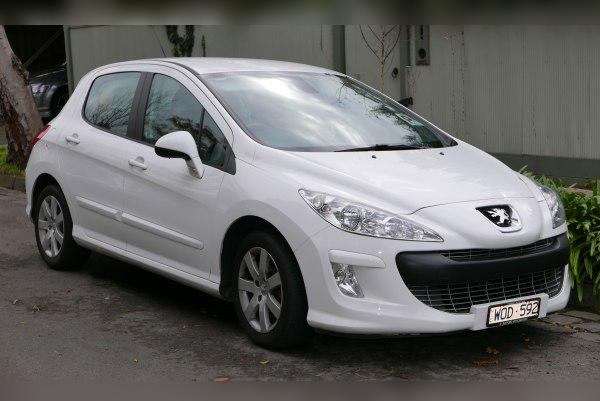
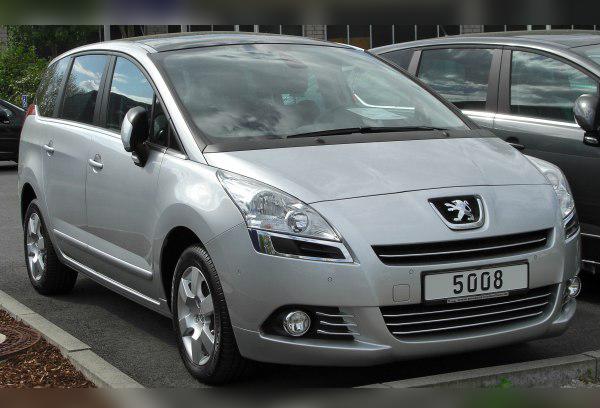
This unit was installed in a wide range of vehicles, from city compacts such as the Peugeot 207 and Citroën C3 Picasso, through C‑segment models (C4, Peugeot 308), all the way to heavier family cars like the Citroën C4 Picasso and Peugeot 5008. Because of the weight differences between these vehicles, driving impressions with this engine differ drastically depending on the body it is fitted in.
Technical specifications
| Specification | Data |
|---|---|
| Engine displacement | 1598 cc |
| Power | 88 kW (120 HP) at 6000 rpm |
| Torque | 160 Nm at 4250 rpm |
| Engine codes | 5FW, EP6 |
| Fuel type | Petrol (Gasoline) |
| Injection type | Multipoint indirect (MPI) |
| Aspiration | Naturally aspirated |
Reliability and maintenance
Timing belt or chain?
The 1.6 VTi 5FW EP6 engine uses a timing chain drive. Although in theory a chain should last as long as the engine itself, this is not the case with the Prince series. The chain is quite thin, prone to stretching, and the hydraulic tensioner often loses pressure.
Most common failures and symptoms
As an experienced technical editor, I must stress that this is not an engine that tolerates neglect. The most common issues include:
- Timing chain stretch: Symptoms are a characteristic metallic rattling noise on cold start that disappears as the engine warms up, loss of power, a lit “Check Engine” light and fault codes related to camshaft timing (Antipollution fault).
- Variable valve lift/timing system (VTi/Valvetronic): The Valvetronic electric motor can fail, and the oil control solenoids on the camshafts (VVT solenoids) often get clogged by dirty oil. Symptom: rough idle and engine stumbling when you press the accelerator.
- Water pump and thermostat: The water pump is driven via a specific friction wheel (roller) that presses against the crankshaft pulley. The engagement mechanism of this roller can fail, leading to overheating. The thermostat housing, made of plastic, often cracks and loses coolant.
Major service and interventions
A classic “major service” (periodic belt replacement) does not exist here, but replacement of the chain kit with tensioners and guides is usually done between 100,000 km and 150,000 km, as soon as the first noises appear or as a preventive measure. The cost of a chain kit replacement is in the range of an average major service: not expensive (depends on the market).
Oil: capacity, grade and consumption
This engine holds 4.25 litres of oil. Fully synthetic 5W‑30 is recommended (PSA B71 2290 specification or an equivalent that protects the chain). Oil changes are strongly recommended at a maximum of 10,000 to 15,000 km, never at 30,000 km as prescribed by the manufacturers, because old oil destroys the VVT system and the chain.
Oil consumption is this engine’s biggest weakness! Yes, it does burn oil between services. Consumption of around 0.2 to 0.3 litres per 1000 km is considered normal. However, due to poor design and high operating temperatures (often above 105 °C), valve stem seals quickly lose elasticity, and piston rings tend to stick in their grooves. It is not uncommon for a neglected engine to consume more than 1 litre per 1000 km. The solution is to replace the valve stem seals (this can be done without removing the cylinder head using a special tool) and to clean/replace the piston rings, which is already an expensive procedure (depends on the market).
Spark plugs and ignition coils
Spark plugs on a petrol engine should be replaced every 40,000 to 60,000 km. It is essential to use the original iridium or platinum plugs specified for this engine (because the Valvetronic system is sensitive to a weak spark). The individual ignition coils (one per cylinder) also tend to fail, which manifests itself as misfiring and one cylinder cutting out.
Specific components (costs)
Clutch system and flywheel
Good news for buyers: the 1.6 VTi does not have a dual‑mass flywheel. It uses a conventional solid flywheel. Replacing the clutch kit (pressure plate, disc, release bearing) is not a major expense and in general: it is not expensive (depends on the market).
Fuel injection system
Unlike its problematic THP “brother” with high‑pressure direct injection, the 1.6 VTi 5FW uses classic indirect (multipoint – MPI) injection. The injectors are extremely reliable, rarely fail, do not suffer from intake valve deposit build‑up, and can easily be cleaned in an ultrasonic bath if needed.
Emissions and turbo systems
Mechanics like to say: “What isn’t there can’t break.” This engine does not have a turbocharger, has no intercooler, no DPF filter, and no conventional EGR valve that clogs up with soot (the EGR function is performed by the variable valve timing system on the camshaft). Also, since this is a petrol engine, it naturally does not have an AdBlue system or the associated headaches with pumps and injectors.
Fuel consumption and performance
Real‑world city consumption
In urban stop‑and‑go driving, fuel consumption ranges between 8.5 and 10 litres per 100 km. If the engine is in a heavier vehicle with an automatic gearbox, winter consumption can climb to 11 l/100 km.
Performance by body style (“sluggishness”)
With its 160 Nm of torque available only higher up at 4250 rpm, this engine needs to be revved if you want decent acceleration.
- In models such as the Peugeot 207 or Citroën C3 Picasso, the engine feels lively, very agile and offers more than adequate performance.
- In models such as the Peugeot 5008 (7 seats) or C4 Grand Picasso, the engine is at the limit of its capabilities. It is very “lazy”, especially when the vehicle is loaded with passengers and luggage, and overtaking requires careful planning and dropping one or two gears.
Motorway driving
Thanks to the five‑speed manual gearbox fitted to most models with this engine, the absence of a sixth gear is very noticeable. At a cruising speed of 130 km/h, the engine spins at a high 3,800 to 4,000 rpm. This results in more noise in the cabin, more driver fatigue on long journeys, and significantly higher fuel consumption (over 7.5 – 8 l/100 km on the motorway).
Additional options and modifications
LPG conversion
This engine is an excellent candidate for a sequential LPG system. Because of its multipoint (MPI) injection, installation is straightforward, does not require expensive hardware intended for direct injection, and does not consume petrol in parallel with gas. However, it is extremely important that the installer correctly calibrates the LPG map because the Valvetronic system controls intake air without a conventional throttle body. A poor map can trigger the “Check Engine” light and cause an unstable idle.
Chipping (Stage 1 remap)
The short and clear answer: It’s not worth it. Since this is a naturally aspirated engine (no turbo), a “Stage 1” software tune can give you at most between 5 and 8 horsepower, which you will not feel in practice. Your money is better spent on a full service and fresh oil.
Gearbox: manual and automatic
Types of gearboxes
The 1.6 VTi 5FW most commonly came with:
- 5‑speed manual gearbox (code MA or BE4).
- 4‑speed automatic gearbox (code AL4 / DP0), an older‑generation torque‑converter automatic.
Most common gearbox issues and maintenance
Manual gearbox: A generic PSA weakness. The gearbox can feel imprecise and slightly “rubbery” when shifting. Failures are not catastrophic, but the input shaft bearing sometimes fails, which manifests itself as a whining noise while driving or a change in sound at idle when you release the clutch pedal. The oil in the manual gearbox should be checked and ideally replaced at around 60,000 to 80,000 km to extend the life of the bearings.
Automatic gearbox (AL4): This four‑speed automatic requires a lot of attention. Its biggest weakness is the pressure control solenoids. When they are damaged by old oil, the gearbox starts to shift harshly (especially between 1st and 2nd gear) or goes into so‑called “safe mode”, locking itself in third gear and displaying “Gearbox Fault” on the screen.
Maintenance is crucial: The oil in this gearbox must be changed (partial change – drain & fill) strictly every 60,000 km. Replacing the solenoids is expensive (depends on the market).
Buying used and conclusion
What to check when buying?
If you are buying a used car with the 1.6 VTi EP6 engine, make sure you do the following:
- Listen to it completely cold: If at the first cold start in the morning you hear a noise similar to tin rattling or a sewing machine in the first few minutes of operation, the timing chain needs to be replaced.
- Look for blue smoke: Let the car idle for 5–10 minutes once it is warm, then suddenly blip the throttle. If a puff of bluish smoke comes out of the exhaust, the engine has worn valve stem seals and is “thirsty” for oil.
- Diagnostics: Read the fault codes via an OBD scanner. Any codes for the camshaft sensor or VVT solenoids point to expensive timing system issues or poor maintenance.
Final verdict
Who is this engine for? The 1.6 VTi 120 HP unit is intended for drivers who primarily need a car for city and suburban driving and who do not shy away from regularly checking the oil level on the dipstick. For heavy vehicles, long motorway trips and careless owners – it is absolutely not suitable. If you find a unit in a 207, 308 or C4 with a proper service history and a replaced chain, it behaves very well with a quality LPG system installed, providing very cheap motoring without worries about expensive components such as a turbocharger or high‑pressure injectors.