BMW and Mini 2.0 Turbo (B48A20B): Experiences, issues, fuel consumption and used-car buying tips
Key points (TL;DR)
- Improved reliability: The B48 has solved many of the issues of its predecessor (N20), above all timing chain failures.
- Timing drive: The engine uses a chain located at the rear side, towards the gearbox.
- Sensitive points: Weak spots are the cooling system (water pump, flanges) and the upper hydraulic engine mount.
- Fuel consumption: In heavier vehicles (X1, Countryman) city fuel consumption often exceeds 10 l/100 km.
- Transmission maintenance: Automatic gearboxes (Aisin) require servicing every 60,000 to 80,000 km; ignoring this leads to expensive failures.
- Tuning potential: The engine responds extremely well to a Stage 1 remap, safely reaching up to 300 hp.
- LPG: Not recommended due to the direct injection system.
Contents
- Introduction: About the B48A20B engine
- Technical specifications
- Reliability and maintenance
- Specific parts and costs
- Fuel consumption and performance
- Additional options and modifications
- Gearbox and drivetrain
- Buying used and conclusion
Introduction: About the B48A20B engine
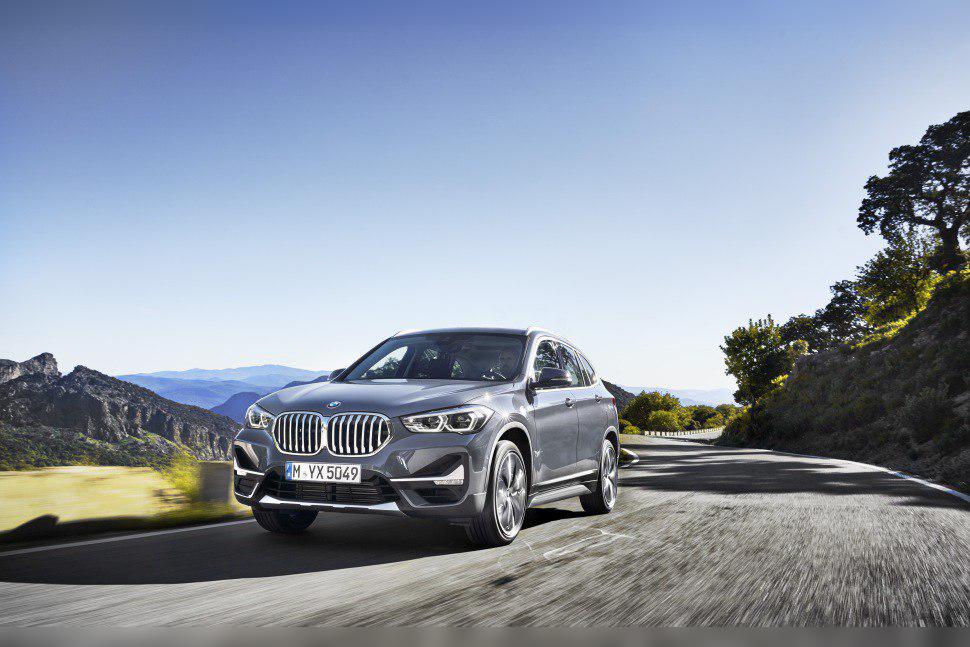
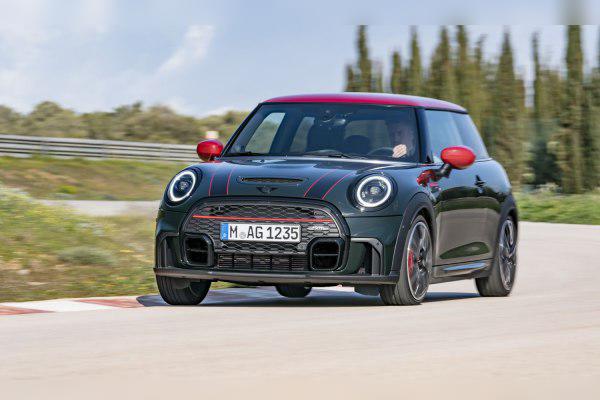
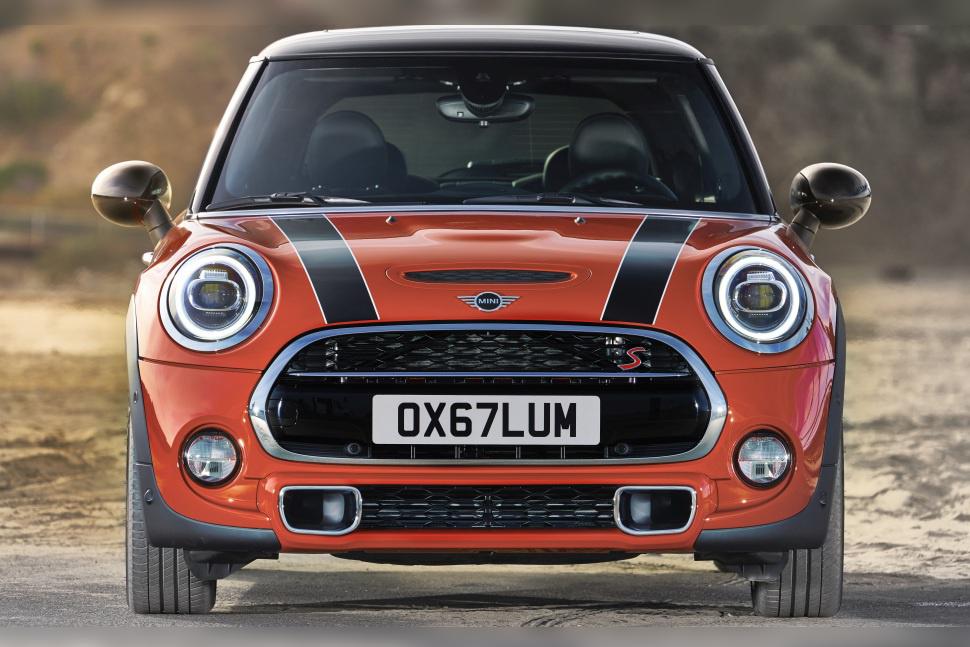
BMW’s modular B-series engines brought a revolution to the lineup, and the B48A20B version represents the pinnacle of the transverse 2.0‑liter range. This unit is installed in vehicles based on the UKL platform (front-wheel drive or xDrive/ALL4 all-wheel drive). It is best known for powering the BMW X1 (F48) 25i, as well as the most powerful Mini JCW (John Cooper Works) models, including the Clubman (F54), Hatch (F56), Convertible (F57) and Countryman (F60).
With 231 hp and 320 Nm of torque, this is an engine that combines serious performance with refined operation. Although noticeably more reliable than older generations, it still carries certain typical traits of modern turbo petrol engines that every potential owner needs to be aware of.
Technical specifications
| Parameter | Value |
|---|---|
| Displacement | 1998 cc |
| Power | 170 kW (231 hp) |
| Torque | 320 Nm |
| Engine code | B48A20B |
| Injection type | Direct injection (HPI) |
| Charging type | Twin-scroll turbo (TwinPower) |
Reliability and maintenance
Timing belt or chain?
The B48A20B engine uses a chain for the timing drive. Unlike the previous N20 engine, which became notorious for chain failures, BMW moved the chain on the B-series to the rear of the engine (towards the gearbox) and significantly reinforced it. Replacement is not planned as part of a classic “major service”, and the chain usually lasts as long as the engine itself, but it should be checked and listened to at cold start once the car has covered around 150,000 to 200,000 km.
Most common failures
This unit is robust, but not flawless. Its biggest weak point is the cooling system. Coolant often leaks from the water pump, thermostat or hose flanges. Symptoms include coolant loss and a specific sweet smell under the bonnet. Also, the upper right engine mount, which is hydraulic, often fails already at around 80,000 km. The driver notices this as vibrations in the cabin at idle, and under the bonnet you can see traces of leaked oil from the mount itself.
Engine oil and servicing
This engine takes about 5.25 liters of oil. The manufacturer recommends 0W-20 or 5W-30 grades (BMW LL-14 FE+ or LL-04 specifications). As for oil consumption, modern turbo petrol engines naturally consume small amounts. Around 0.5 liters per 10,000 km is considered normal. If the engine consumes significantly more, the problem may lie in the PCV valve (oil vapor separator) or, in rare cases, the turbocharger.
Although BMW often suggests service intervals of up to 30,000 km, any experienced mechanic will tell you this is harmful for the engine. An oil and filter change should be done every 10,000 to 15,000 km. The spark plugs on this engine are under high stress and should be replaced every 40,000 to 60,000 km to protect the ignition coils from burning out.
Specific parts and costs
Dual-mass flywheel and injection
Whether the engine has a dual-mass flywheel depends on the gearbox. Versions with a manual gearbox do have one, and it is crucial for absorbing vibrations. Replacing the clutch kit together with the flywheel is expensive (depends on the market). On the other hand, most of these cars are equipped with an automatic gearbox that uses a torque converter rather than a classic dual-mass flywheel.
The injection system is high-pressure direct injection. Petrol injectors on the B48 engine are generally durable, but sensitive to contaminated fuel. A faulty injector manifests as rough idle, “stumbling” when you press the accelerator, and a misfire error on diagnostics. New injectors are very expensive (depends on the market).
Turbocharger and eco systems
BMW uses the term “TwinPower Turbo”, which does not mean the engine has two turbos, but a single twin-scroll turbocharger. It is characterized by quick response from low revs. Its service life is excellent (often exceeding 200,000 km) if you change the oil regularly and do not switch the engine off immediately after hard motorway driving. If the turbo fails, rebuilding or replacement is extremely expensive (depends on the market).
Since this is a petrol engine, it does not have a DPF filter or AdBlue system that would cause the typical diesel-related issues. However, models produced after mid-2018 (Euro 6d-TEMP) are equipped with a OPF/GPF petrol particulate filter. This filter rarely clogs, but on cars driven exclusively in heavy city traffic it can trigger a warning light on the dashboard, which then requires a longer drive on open roads to complete regeneration.
Fuel consumption and performance
Is it sluggish and how much fuel does it use?
With 231 hp and 320 Nm available from just 1450 rpm, this engine is absolutely not sluggish. It easily copes with the weight of a BMW X1 or Mini Countryman, and in the smaller Mini Hatch (F56) it delivers true sports-car performance.
Real-world fuel consumption is directly proportional to vehicle weight. In city driving, heavier xDrive models will easily use 10 to 12 l/100 km. In smaller front-wheel-drive models, city consumption is around 9 to 10 l/100 km.
Motorway driving
This unit really shines on the open road. Thanks to the well-matched 8-speed automatic gearbox, at 130 km/h the engine cruises at very low revs (around 2,000–2,200 rpm depending on body style). Under these conditions the cabin is extremely quiet, and fuel consumption drops to a reasonable 7.0 to 8.0 l/100 km.
Additional options and modifications
LPG conversion
Short answer: Not recommended. Due to the specific direct injection system, installing an LPG kit is extremely complicated. Specialized systems are required that constantly inject a small amount of petrol to cool the injectors inside the cylinder. Such systems are expensive, the cost-effectiveness is questionable, and the risk of damaging valves and injectors is high.
Stage 1 remap
The B48 engine is a fantastic platform for modifications. Thanks to its closed-deck block design, it is extremely robust. With a standard Stage 1 ECU remap, power can be safely raised to around 280 to 300 hp, and torque increases to nearly 400 Nm. The difference in driving is dramatic. However, if you plan such an upgrade, make sure to first check the condition of the cooling system and the timing chain.
Gearbox and drivetrain
Which gearboxes are used?
Since the B48A20B is mounted transversely, it does not use ZF gearboxes that are standard on rear-wheel-drive BMWs. The automatic gearbox is an 8-speed Aisin (AW F8FXX). In some more basic and newer models within the group there is also a 7-speed Getrag DCT dual-clutch gearbox, but in JCW and 25i models the Aisin is by far the most common. A 6-speed manual gearbox was available, but is extremely rare on the used market.
Gearbox failures and maintenance
Failures on the manual gearbox are rare and usually limited to wear items (clutch kit and dual-mass flywheel). Replacement costs are high (depends on the market).
The 8-speed Aisin automatic is very reliable as long as it is serviced regularly. Symptoms of problems include harsh engagement into D or R, as well as jerks when shifting from second to third gear. This is most often the result of dirty oil or issues with the valve body. Although official dealers claim the gearbox oil is “lifetime”, the gearbox manufacturer (Aisin) strictly requires oil and filter changes every 60,000 to 80,000 km. The service is not cheap (expensive – depends on the market), but it is far less costly than rebuilding the entire gearbox.
Buying used and conclusion
What to check when buying?
When buying a used BMW or Mini with this engine, pay attention to the following:
- Cold start: Ask the seller not to start the car before you arrive. At the first start, listen carefully to the rear of the engine. A metallic chain rattle in the first 3 to 5 seconds indicates a stretched chain and the need for replacement.
- Cooling system: Use a flashlight to carefully inspect the area around the water pump and engine block. Whitish or green crystalline traces are a sure sign of coolant leakage.
- Engine mount: Visually check the upper right engine mount. If you see dark oily traces of leakage on it, it has failed and needs to be replaced.
- Test drive: The automatic gearbox must shift gears imperceptibly, without thumps, both under full throttle and when gently slowing down towards a traffic light.
Conclusion
The B48A20B (231 hp) engine is one of the most desirable 2.0‑liter turbo petrol units today. Structurally it is very robust and has solved the main issues that plagued earlier BMW petrol engines. It is aimed at drivers who want top-notch dynamics, smooth operation and sharp acceleration in vehicles such as the X1 or sporty Mini models.
However, it does require a meticulous owner. High city fuel consumption and the need to strictly follow shortened service intervals for both the engine and automatic gearbox are not for everyone. If you find a car with a well-documented service history that has not been abused by infrequent oil changes, you will get an engine that will reward you with an exceptional driving experience.