BMW B48B20B (252 HP): Experiences, problems, fuel consumption and used-car buying tips
- A successor that fixed the image: The B48 solved most of the serious issues of its predecessor (N20), above all the timing chain failure problem.
- Reliable timing system: The chain has been moved to the rear of the engine, it is very durable and is only replaced at high mileages.
- Cooling system as a weak point: The water pump and plastic coolant hoses require attention because they become brittle over time due to heat.
- Oil consumption is rare: Unlike older generations, the B48 does not consume much oil if it is mechanically sound.
- A gearbox that impresses: Pairing this engine with the ZF 8-speed automatic gearbox is automotive perfection, but the transmission requires regular oil changes.
- Not suitable for LPG: High-pressure direct injection makes LPG conversion uneconomical and risky.
- Huge potential for “chipping”: A factory-underrated engine with excellent hardware that easily handles a Stage 1 remap.
Contents
- Introduction: The golden middle of BMW’s lineup
- Technical specifications
- Reliability and maintenance: What goes wrong?
- Specific parts and repair costs
- Fuel consumption and performance: City vs. highway
- Additional options and modifications (Tuning & LPG)
- Gearbox and power delivery
- Buying used and conclusion
Introduction: The golden middle of BMW’s lineup
The engine with the code name B48B20B is the heart of modern mid- and upper-class BMW models. With 252 HP (often badged as 30i, e.g. 330i, 430i, 530i), this 2.0-liter turbo petrol came as a savior. Its predecessor, the N20, is remembered for notorious issues with the timing chain and oil pump. With the B48 modular platform, engineers turned a new page.
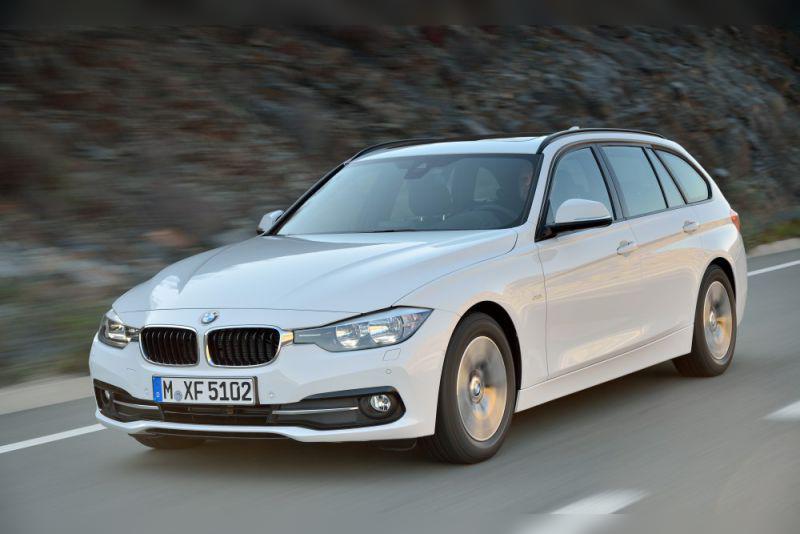
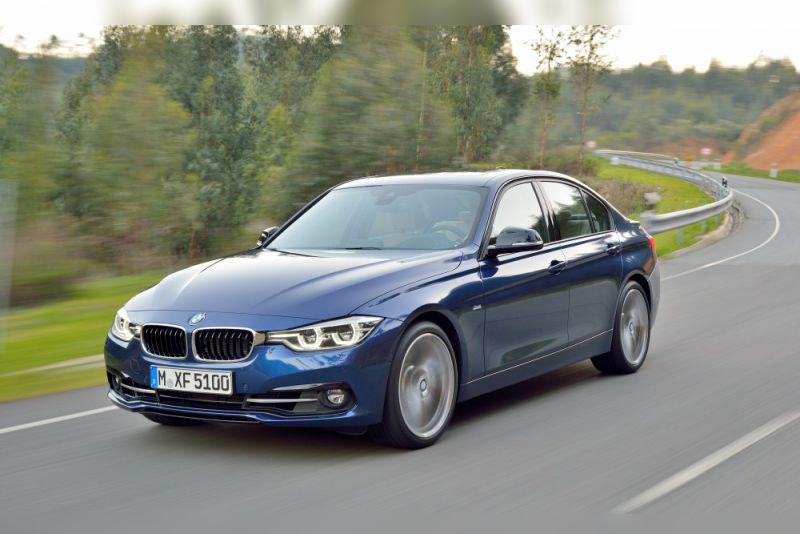
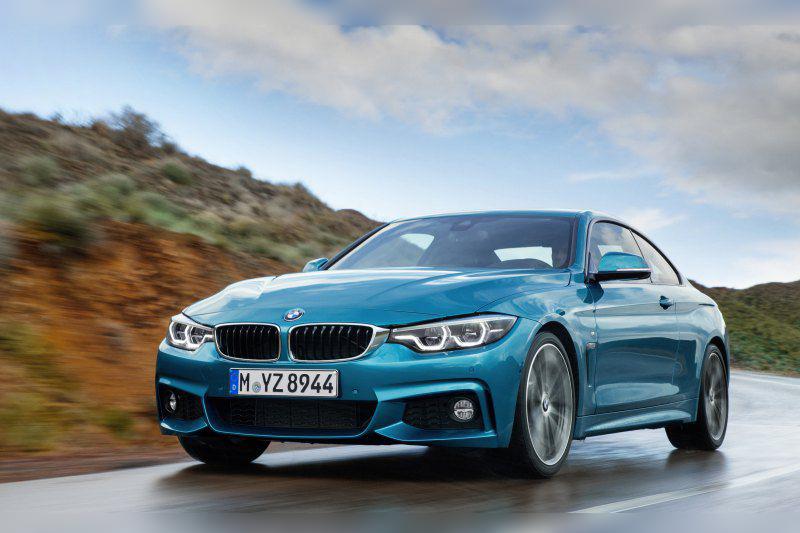
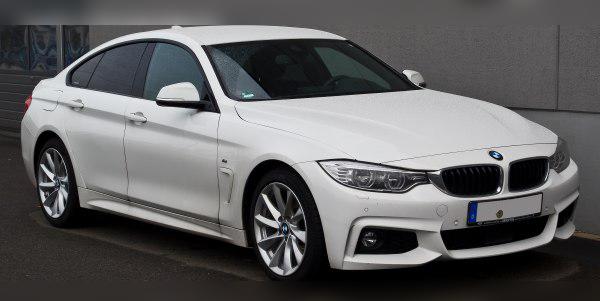
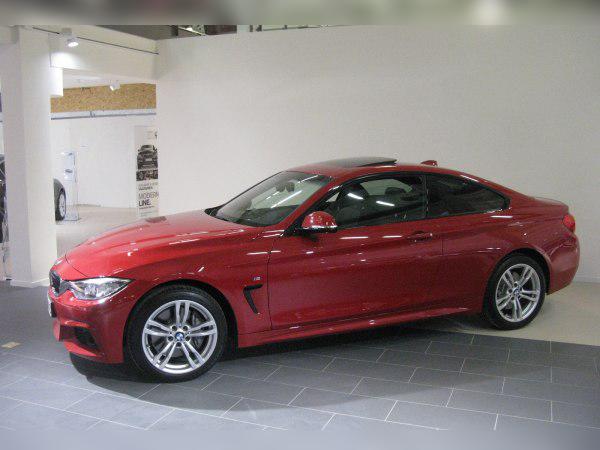
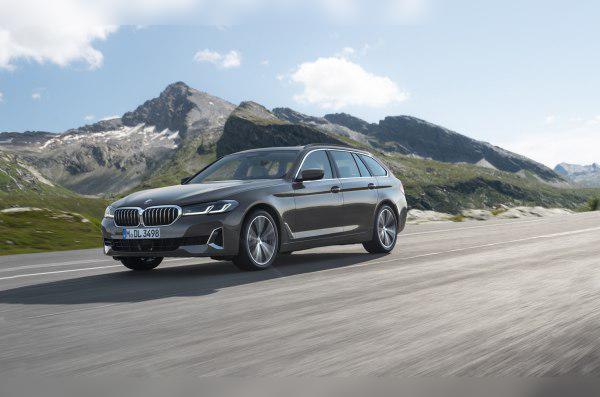
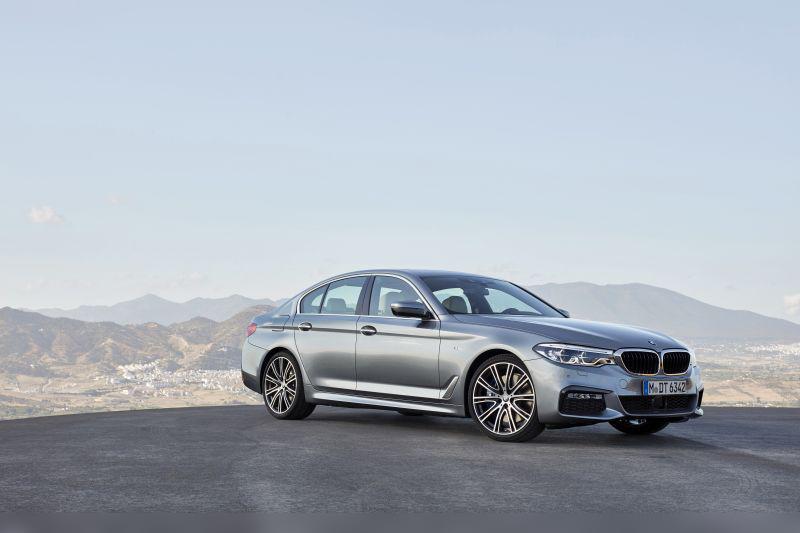
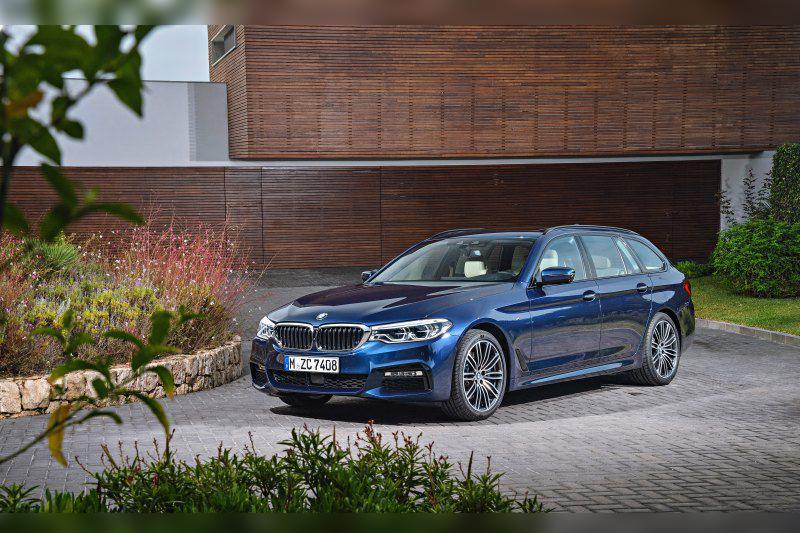
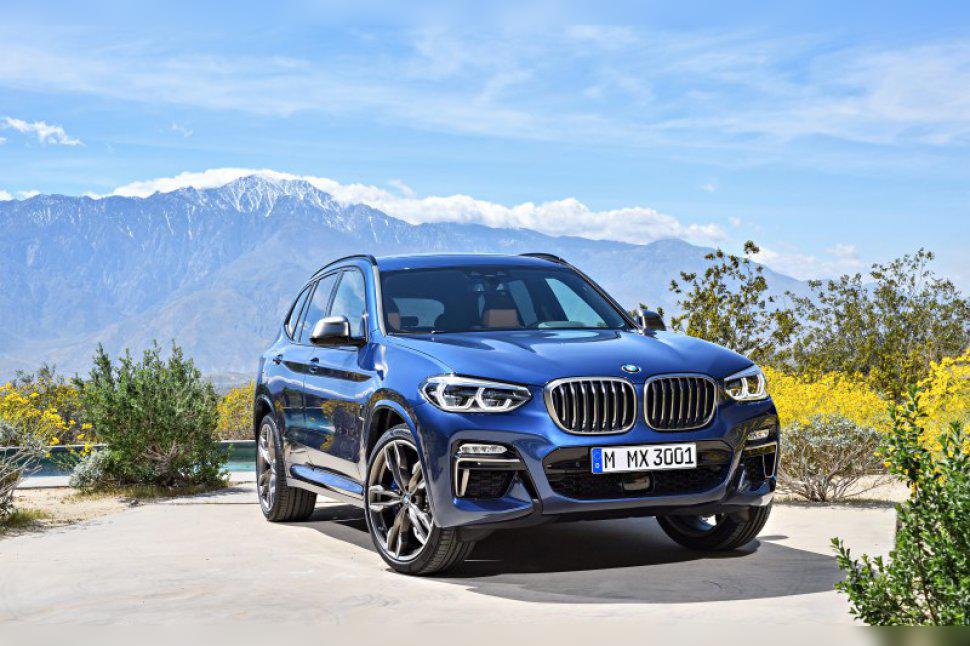
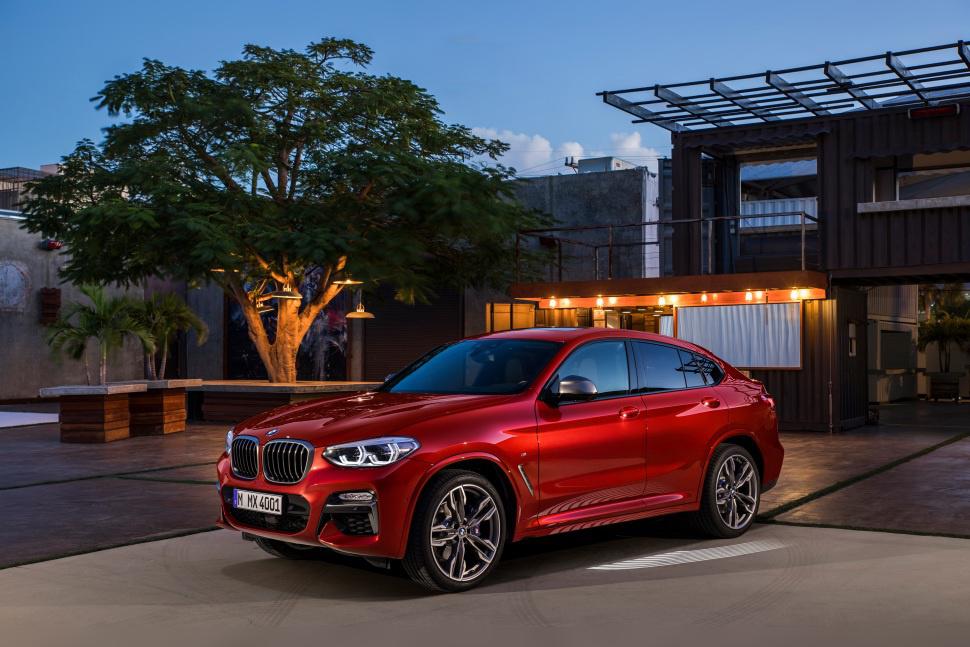
It was installed in an extremely wide range of models, from the 2 Series to heavy SUVs like the X3 and X4. It should be noted that in later iterations (from 2020 onward, LCI versions of the 5 Series G30/G31), this engine received mild hybrid systems with a 48-volt network to meet increasingly strict emission standards, which slightly changes the power delivery character and reduces turbo lag.
Technical specifications
| Parameter | Value |
|---|---|
| Displacement | 1998 cc |
| Power | 185 kW (252 HP) |
| Torque | 350 Nm |
| Engine code | B48B20B |
| Injection type | High-pressure direct injection |
| Charging | TwinPower Turbo (twin-scroll), intercooler |
Reliability and maintenance: What goes wrong?
Timing chain and major service
The most important question every buyer has: Does this engine have a timing belt or a chain? The B48 uses a chain for timing. Unlike older generations, the engineers did an excellent job here. The chain is massive, extremely reliable, but it is located at the rear of the engine (towards the firewall, by the gearbox). Because of this position, the classic “major service” is not done at a fixed interval. The chain is replaced as needed, usually only at mileages over 200,000 km to 250,000 km, when you can hear a specific rattling noise on cold start. The accessory belt (serpentine belt) and tensioners are replaced at around 100,000 km.
Most common failures and early “childhood” issues
Although mechanically robust, the B48 has its quirks. The most common issues are related to the cooling system. The plastic water flange and hoses leading to the engine block become brittle over time due to high thermal loads (frequent heating and cooling cycles). The symptom is a sweet smell of coolant around the car or a slight drop in coolant level in the expansion tank. The water pump can also start leaking. Another common issue is oil leakage from the oil filter housing, which is made of plastic and prone to deformation. Replacing this housing is not cheap; it falls into the “expensive” category (depends on the market).
Oil and spark plugs
The engine takes about 5.2 to 5.3 liters of oil. The recommended viscosity is 0W-20 or 5W-30 (depending on climate), but it must meet BMW Longlife-04 or LL-14 FE+ specification. Unlike older petrol engines, the B48 does not consume excessive oil. Normal consumption is considered to be 0.2 to 0.5 liters per 10,000 km. If the engine needs more oil between two minor services, that is a warning sign – most often the problem is the PCV valve (oil separator) integrated into the valve cover, or, less commonly, valve stem seals.
Since this is a high-performance engine with direct injection, spark plugs should be replaced every 60,000 km. If this interval is ignored, misfires can occur, which directly destroys the ignition coils.
Specific parts and repair costs
Turbo system and injection
The engine has a single turbocharger but uses twin-scroll technology (hence BMW’s commercial name TwinPower Turbo). This technology is characterized by exhaust gases from the cylinders being separated into two independent channels before entering the turbine, which drastically reduces turbo lag. The lifespan of the turbo is impressive – if the oil is changed regularly at a maximum of 15,000 km, the turbo easily lasts over 200,000 km. The direct injection system uses high-pressure injectors. They are not known to be problematic, but they are very sensitive to poor-quality fuel with a high sulfur content. Signs of worn injectors are rough vibrations at idle and uneven running when the engine is cold.
Emissions: DPF, AdBlue and EGR
Since users often mix up technologies, let’s clarify: this is a petrol engine. Accordingly, it does not have a DPF filter nor does it use AdBlue. This means you are spared the nightmare of urea crystallization and expensive pumps. However, it is important to highlight one change: due to the introduction of Euro 6d-temp standards (mainly on models produced from 2018 onward), BMW installed a GPF (Gasoline Particulate Filter), also known as OPF. GPF is a particulate filter for petrol engines. It clogs far less often than a DPF on diesels because petrol engines run at higher exhaust gas temperatures, but if you drive only short city trips in winter, the check-engine light can come on.
Fuel consumption and performance: City vs. highway
Drivers often ask whether 252 HP is enough for heavy bodies. The answer is: absolutely yes. With 350 Nm of torque available from an incredibly low 1,450 rpm, the B48 behaves like a diesel at low revs, yet it doesn’t run out of breath up to 6,500 rpm. The engine is not sluggish even in heavier models such as the BMW X3 (G01) or X4, let alone in lighter sedans like the 3 Series (F30/G20).
Real-world fuel consumption:
- City driving: Expect between 9 and 11 l/100 km. In heavier SUV models and with xDrive all-wheel drive in winter conditions, consumption can approach 12 liters.
- Highway: This is where the excellent aerodynamics and fantastic gearbox really shine. At 130 km/h, the engine cruises at a relaxed ~2,000 to 2,200 rpm (in eighth gear). Highway consumption is a modest 6.5 to 7.5 l/100 km.
Additional options and modifications (Tuning & LPG)
Should you install LPG?
In short: It is not recommended. Due to the direct injection system, installation of a classic sequential LPG system is not possible because the petrol injectors would burn out (they are cooled by fuel flow). There are specialized liquid-phase LPG systems, but the installation itself falls into the “very expensive” category (depends on the market). Because of the high installation cost, the savings in fuel consumption pay off very slowly.
Tuning (Stage 1 chiptuning)
This is where the B48 really shines. The “B20B” version of the engine has more robust components and lower compression than the basic “B20A” (used in 184 HP models). Because of this, this engine can handle a huge power increase. Without any hardware modifications, with a safe and proven Stage 1 remap (software tuning of the map), power can be safely raised from 252 HP to about 290 to 310 HP, and torque goes beyond an impressive 420 Nm. After the remap, throttle response is brutal, but pay attention to the gearbox and change the engine oil more frequently.
Gearbox and power delivery
Two gearboxes were offered with this engine: a 6-speed manual (very rare, mostly ordered only in the 2 and 3 Series) and the absolute standard – the 8-speed automatic made by ZF (ZF 8HP50).
Manual gearbox
The manual gearbox has a dual-mass flywheel. Failures of the gearbox itself are extremely rare, but city driving wears out the clutch kit and dual-mass flywheel. Replacing the complete kit with the flywheel is: expensive (depends on the market). Symptoms of wear are juddering when taking off and metallic knocks when switching the engine off.
Automatic ZF8 gearbox
Most models are equipped with this automatic. The gearbox is a masterpiece, but there is a catch. BMW claims that the oil in it does not need to be changed and that it is “lifetime fill”. However, the gearbox manufacturer (ZF) states the exact opposite: the oil, pan and filter must be replaced every 80,000 to 100,000 km. If you ignore this service, the most common failures include mechatronic and solenoid issues. The driver will notice this as strong “kicks” when shifting from first to second gear, or delays when shifting from R to D.
Buying used and conclusion
Buying a used BMW with the B48B20B engine is generally a very safe move, especially compared to older generations. Before signing the contract, make sure you do the following:
- Cold start: The engine must be completely cold. Ask the seller not to start it before you arrive. Listen carefully to the rear of the engine – any metallic rattling indicates a stretched chain.
- Coolant inspection: Check for traces of pink or blue fluid leaking around plastic flanges and below the oil filter housing.
- Diagnostics: Read turbo pressure and injector corrections. Any misfires will be stored in the fault memory.
Who is this car for? The 252 HP engine is ideal for enthusiasts who want the driving characteristics of a sports sedan without the enormous maintenance costs of 6-cylinder engines. It is extremely refined in the city, sovereign on the highway and, with regular maintenance and clean fuel, will provide tens of thousands of stress-free kilometers.