BMW B57D30B 3.0d (320 hp): Experiences, problems, fuel consumption and used car buying guide
Key points (TL;DR):
- Performance and power delivery: Fantastic balance of power and efficiency, 680 Nm of torque guarantees strong acceleration regardless of vehicle weight.
- Timing chain: Located at the rear of the engine, towards the cabin. More reliable than on older generations, but replacement is very expensive.
- Boost system: Twin-power turbo (two turbos) eliminates turbo lag, but requires flawless maintenance of the lubrication system.
- Weak points: The most common issues are related to the EGR cooler (frequent factory recalls), soot buildup in the intake manifold and a sensitive AdBlue system.
- Gearbox: Paired exclusively with the excellent ZF 8-speed automatic, where oil must be changed every 80,000 km.
- Intended use: An ideal engine for long trips and highway driving; not recommended for purely city driving due to the DPF and EGR systems.
Contents
- Introduction
- Technical specifications
- Reliability and maintenance
- Specific parts and costs
- Fuel consumption and performance
- Additional options and modifications
- Gearbox and drivetrain
- Buying used and conclusion
Introduction
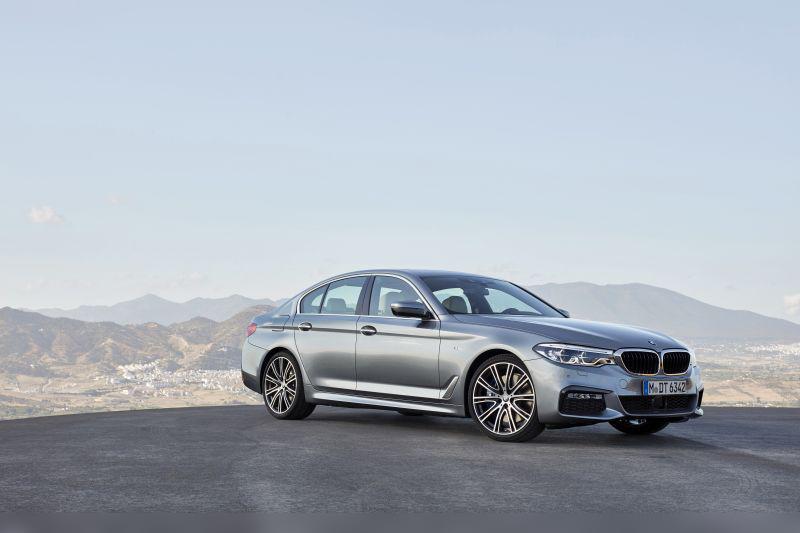
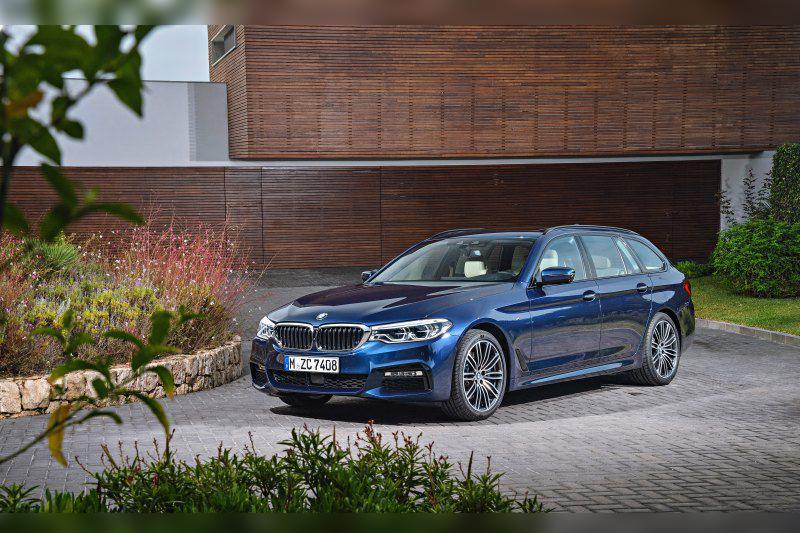
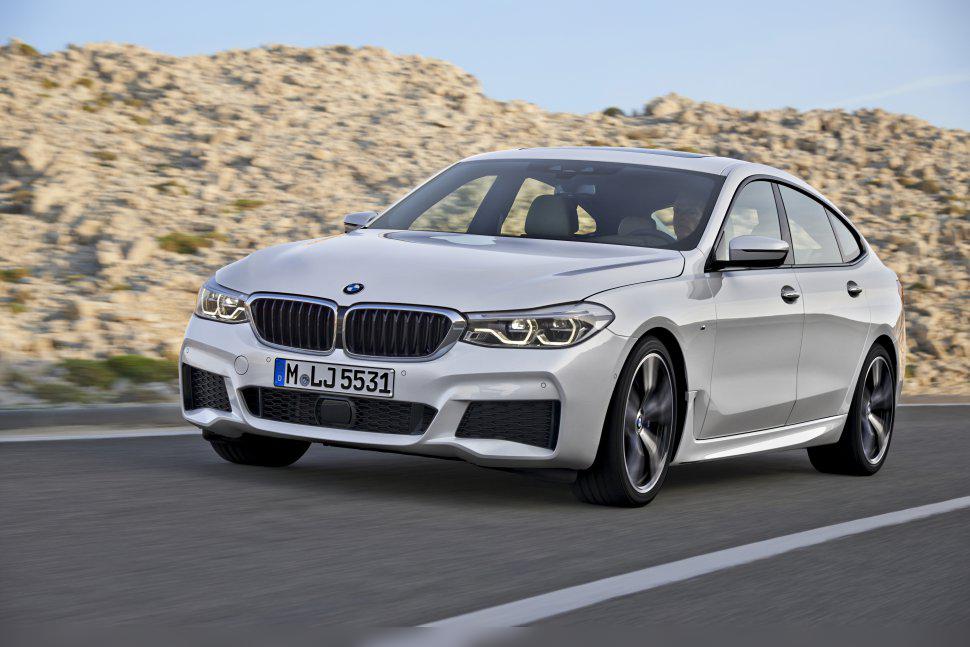
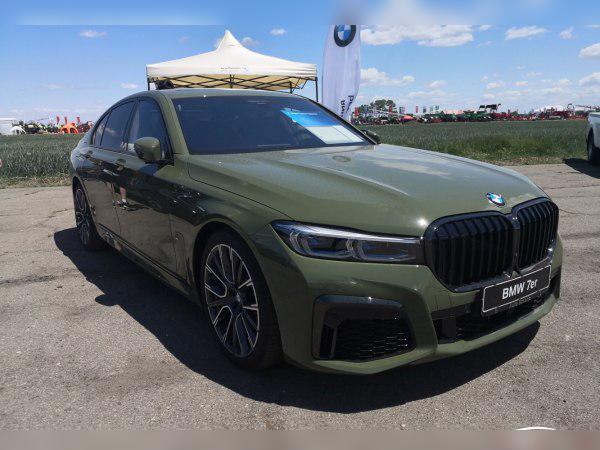
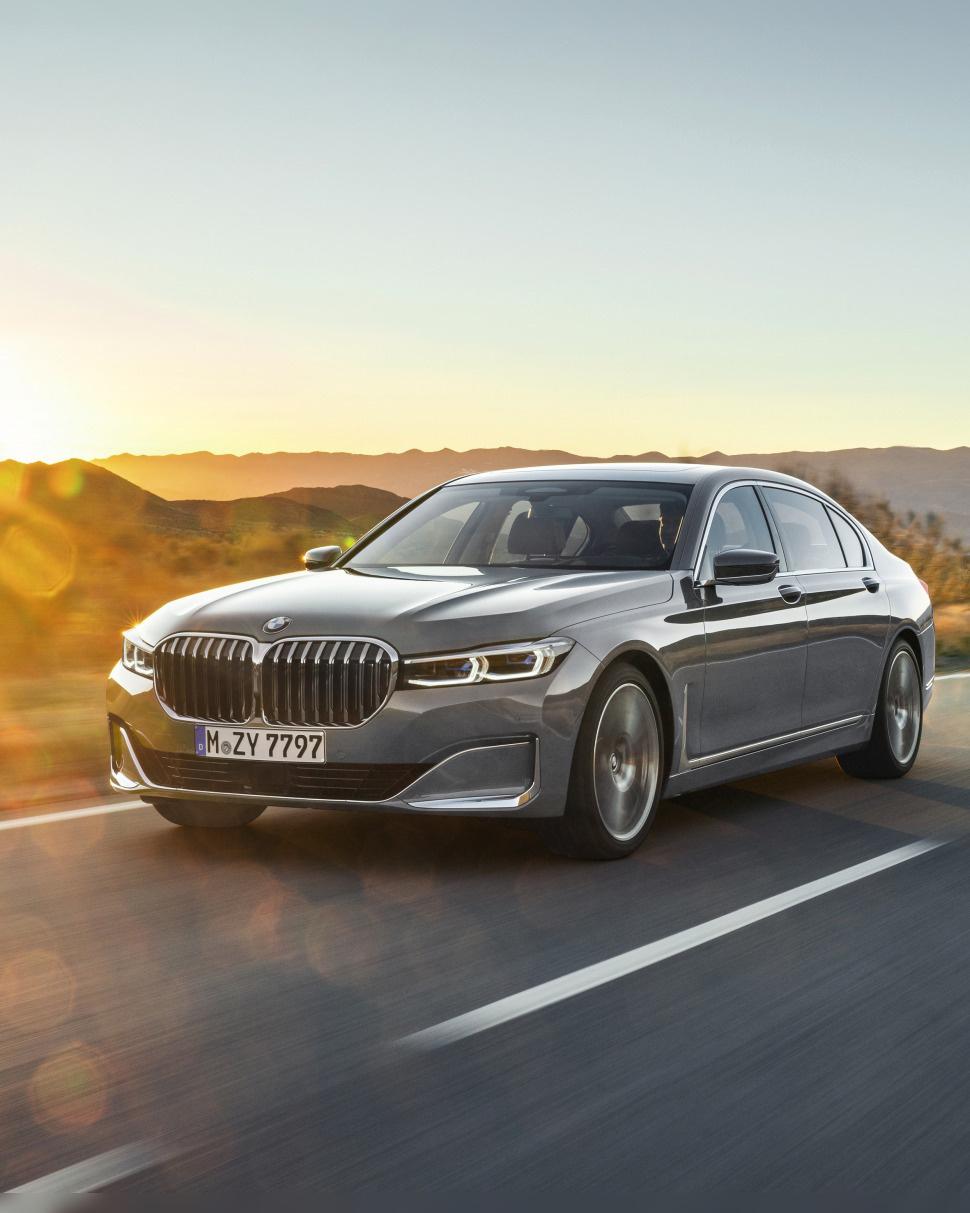
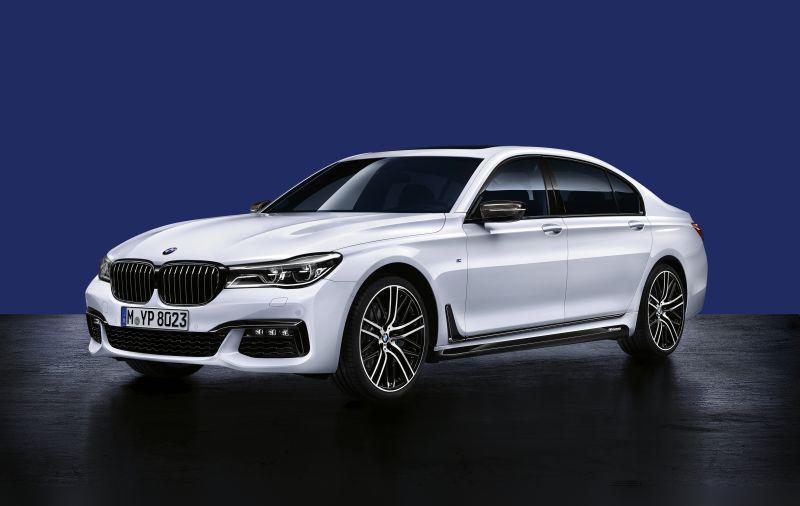
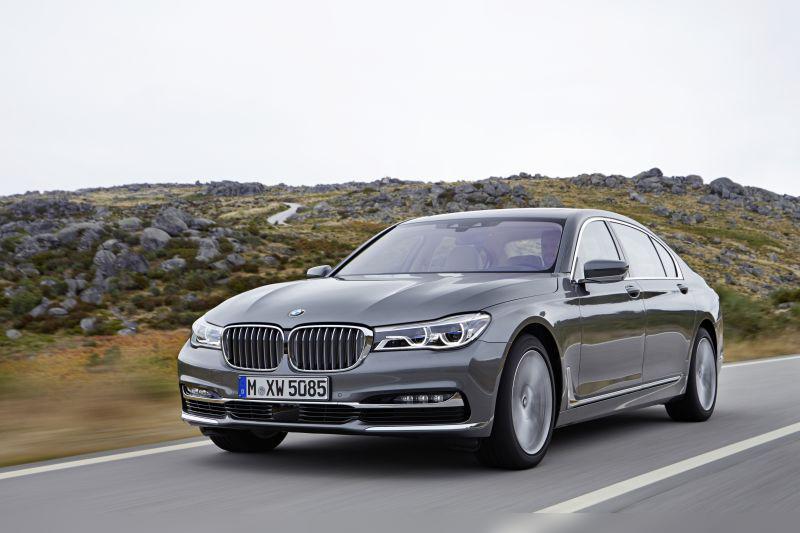
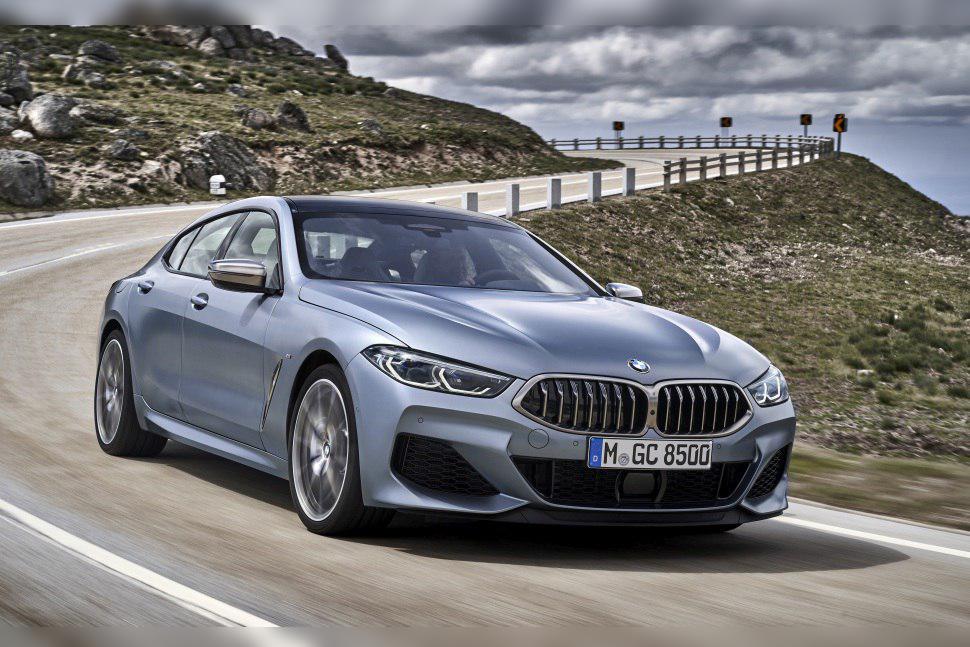
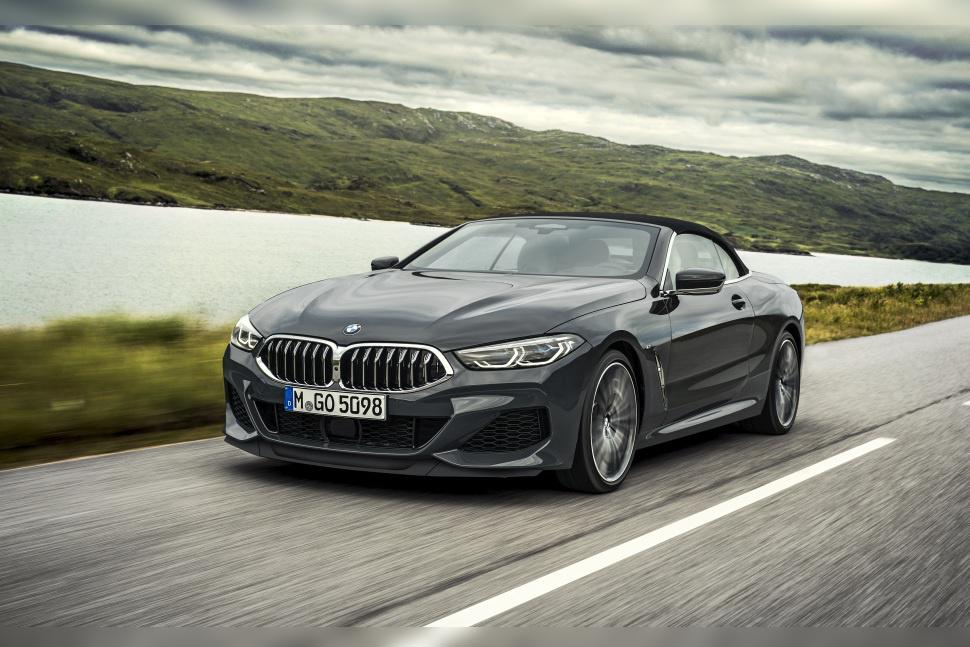
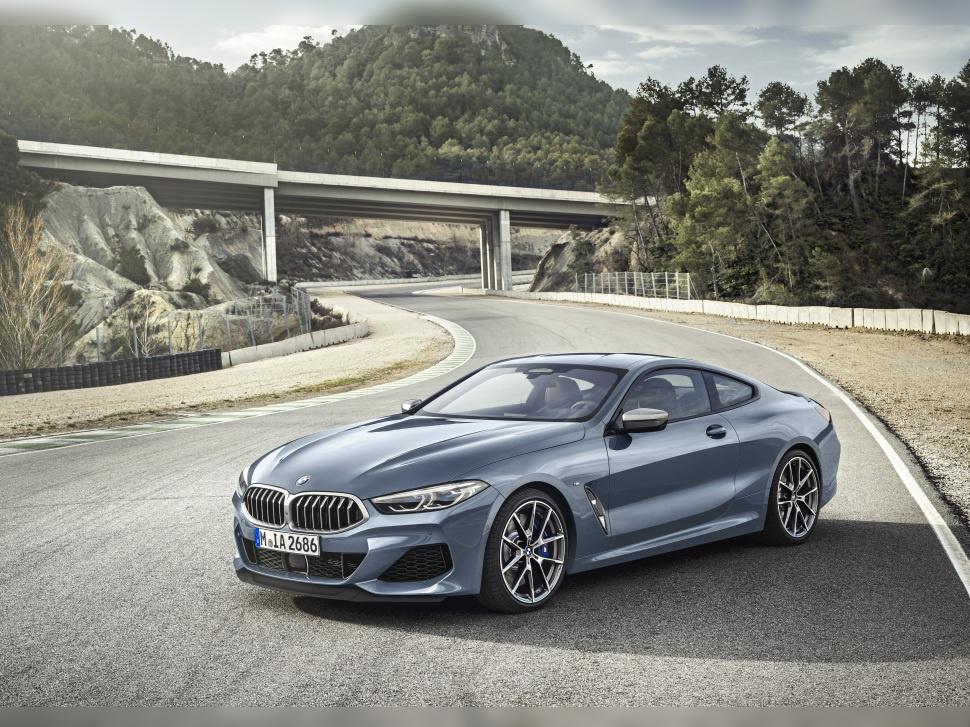
BMW’s inline six-cylinder diesel engine with the code B57D30B represents the “golden middle” in the B57 modular engine family. With 235 kW (320 hp) and an impressive 680 Nm of torque, this unit offers serious performance thanks to its twin-turbo technology. It was installed in prestigious, heavy BMW models, including the 5 Series (G30/G31), cruisers like the 6 Series GT (G32) and 7 Series (G11/G12), as well as the luxury 8 Series (G14/G15/G16) in 40d versions. This is an engine for those who want V8 diesel performance, but with significantly lower fuel consumption and easier front suspension maintenance thanks to the lower engine weight.
Technical specifications
| Parameter | Value |
|---|---|
| Displacement | 2993 cc |
| Power | 235 kW (320 hp) |
| Torque | 680 Nm |
| Engine code | B57D30B |
| Injection type | Common-rail, direct injection (Piezo) |
| Turbo/Naturally aspirated | Twin-power turbo (two turbochargers), intercooler |
| Fuel type | Diesel |
Reliability and maintenance
Timing belt or chain?
This engine uses a timing chain instead of a timing belt. As with its predecessor (N57), the chain is located at the rear of the engine, next to the firewall. Although BMW significantly improved chain quality on the B57 generation, it is still not eternal. Replacement is usually done preventively between 200,000 and 250,000 km, or as soon as a characteristic rattling noise is heard on cold start. Replacement is an expensive job because the engine has to be removed from the car or lowered together with the gearbox, so labor costs are high (depends on the market).
Most common failures and “major service”
On this engine there is no classic major service in the sense of a timing belt replacement, but chain replacement takes over that cost. However, at around 120,000 km it is recommended to replace the auxiliary (serpentine) belt, tensioner, idler pulleys and water pump. The most common problems on B57 engines include leaking EGR cooler, which can lead to coolant mixing with soot and, in extreme cases, the risk of the intake manifold melting. Because of this, BMW issued global recalls, so always check with an authorized dealer whether the vehicle has been included in the recall action. In addition, soot buildup in the intake manifold (caused by the EGR itself) can lead to the intake swirl flaps sticking, which results in rough running and loss of power.
Oil: quantity, grade and consumption
The engine takes about 6.5 to 7 liters of engine oil. A high-quality synthetic oil of grade 5W-30 or 0W-30 that meets the BMW LL-04 specification is recommended. The factory change interval of 30,000 km is too long and is one of the main causes of turbocharger and chain problems; experienced mechanics strongly recommend changing the oil every 10,000 to a maximum of 15,000 km. As for oil consumption, the B57D30B usually does not consume much. Consumption of 0.5 to 1 liter between services (over 15,000 km) is considered normal, especially if the car is often driven at high speeds on the highway.
Injectors and fuel injection system
The engine uses sophisticated Piezo injectors operating at extremely high pressure. The injectors are very durable and rarely cause problems before 200,000 to 250,000 km, provided that high-quality Euro diesel is used and the fuel filter is changed regularly. If a failure occurs (symptoms: rough idle, increased black smoke under full throttle, harder starting), replacement or overhaul is expensive to very expensive (depends on the market), and they most often fail due to metal shavings coming from the high-pressure pump as a result of poor fuel quality.
Specific parts and costs
Flywheel and turbochargers
Since this engine is paired exclusively with an automatic gearbox, it does not have a classic dual-mass flywheel (with clutch disc and release bearing) as seen on manuals, but uses a flexplate and a torque converter. Problems with jolts when shifting gears usually come from the gearbox, not the flywheel.
The boost system consists of two turbochargers (twin-power turbo) – a smaller one that works at low revs to eliminate turbo lag, and a larger one for maximum power at higher revs. Their lifespan is closely tied to regular oil changes. Failures manifest as whistling noises, loss of power or increased oil consumption. Repair or replacement of the twin-turbo system is very expensive (depends on the market).
DPF, EGR and AdBlue system
This model is equipped with advanced eco systems. The DPF filter (diesel particulate filter) is extremely durable and easily lasts over 250,000 km, provided the car is regularly driven on the highway so that it can perform regeneration. If the car is used only in the city, it will clog quickly. The EGR valve is, as mentioned, a weak point.
The AdBlue (SCR) system is present and often causes headaches. The most common problems are crystallization of the fluid in the tank and lines, failure of the AdBlue pump or failure of NOx sensors. Symptoms include a warning light on the dashboard along with a countdown of remaining kilometers before the car refuses to start the engine. Fixing these issues is expensive (depends on the market).
Fuel consumption and performance
Real-world fuel consumption
Considering that the B57D30B always comes with xDrive (all-wheel drive) and heavy bodies (over 1.8 tons), fuel consumption is surprisingly good. In city driving you can expect between 8.5 and 10.5 l/100 km, depending on traffic and how heavy your right foot is. If you are aggressive at traffic lights, the numbers easily go higher.
Driving characteristics and highway behavior
Is this engine sluggish for a heavy body? Absolutely not. With 680 Nm available from just 1,750 rpm, a 5 Series or 7 Series with this engine pins you to the seat under acceleration. Overtaking is instant and safe. On the highway, this is a true cruiser. Thanks to the 8-speed gearbox, at 130 km/h the engine spins at a calm 1,600 to 1,700 rpm, which makes the cabin extremely quiet, while fuel consumption drops to an impressive 6.0 to 7.0 l/100 km.
Additional options and modifications
Chip tuning (Stage 1)
The B57D30B is a fantastic platform for modifications. A quality Stage 1 remap (software only) safely raises it to about 380 to 400 hp and an incredible 760 to 800 Nm of torque. The engine block and turbochargers can handle this without any issues. However, it is crucial that the gearbox and DPF filter are in perfect condition before such an upgrade, so they can withstand the additional stress and temperature.
Gearbox
The B57D30B was installed exclusively with the automatic ZF 8HP gearbox (8 speeds). Manual gearboxes were not offered. This is one of the best automatic transmissions ever made. It is very fast and smooth.
The most common failures include jerking when taking off or when shifting from 2nd to 1st gear, which is often the result of dirty oil, problems with the mechatronics unit or worn clutch packs inside the gearbox. There is no classic clutch system maintenance cost here (no clutch kit and flywheel replacement as on manuals), but failure of the valve body/mechatronics is expensive (depends on the market).
Although BMW often claims that the gearbox oil is “lifetime”, the gearbox manufacturer ZF strictly prescribes regular gearbox servicing every 80,000 to a maximum of 120,000 km. This includes changing the oil and the gearbox pan (which has an integrated filter). The cost of this service ranges from not very expensive to expensive (depends on the market) compared to the cost of a complete gearbox failure.
Buying used and conclusion
What to check before buying?
- Cold start: Ask the seller to keep the car completely cold before you arrive. When starting the engine, open the hood and listen to the rear part of the engine. Any rattling noise indicates a loose chain.
- Coolant level: Check the coolant reservoir. If the level is low or there are signs of mixing (sludge), walk away from the car or insist on a detailed inspection of the EGR cooler.
- Diagnostics (mandatory): A simple OBD scanner is not enough; you need specialized BMW software (ISTA) to read turbo pressures, injector corrections, glow plug errors and DPF saturation status.
- Test drive: The gearbox must not jerk during hard acceleration or sudden deceleration before a traffic light. The car must pull linearly without rpm fluctuations when using cruise control.
Conclusion: Who is this engine for?
The BMW B57D30B 40d engine is a masterpiece of diesel engineering and is ideal for drivers who cover tens of thousands of kilometers per year, mostly on open roads and highways. Its torque and cabin quietness are unmatched for long journeys. However, it is absolutely not for drivers who need a car only for short city trips – in that scenario, the DPF, EGR and AdBlue systems will drain your finances. If you are aware of the costs of regular and high-quality maintenance of a premium-class car, this 3.0d engine will reward you with top-notch dynamics and reliability.